The Best Personalised Soft Toys in the UK — Gifts Kids Will Treasure
A gift that actually means something
Most toys get forgotten. Left under the bed, donated to a charity shop, or quietly binned after one too many tidying sessions. But some gifts stick around — not because they're the most expensive or the flashiest, but because they carry a feeling.
Personalised soft toys sit in that rare category. They're the kind of gift a child names, sleeps with, carries everywhere, and still has years later. For parents, grandparents, godparents, and anyone who's ever struggled to find something genuinely meaningful for a child, they're one of the best options available.
This guide covers everything you need to know: what makes a personalised plush toy worth buying, how to choose the right one, and where to find quality options in the UK.
Why Personalised Soft Toys Have Become So Popular
There's been a noticeable shift in how people approach gifting for children. Generic toys still sell, but more buyers want something that feels considered — something that tells the child (and their parents) that thought went into it.
Personalised gifts have grown significantly across the UK gifting market, and soft toys are one of the strongest categories within that trend. The reasons are straightforward:
- They're unique. A toy with a child's name on it can't be swapped out or duplicated by another guest at the party.
- They create attachment. Personalisation builds connection. A toy that "belongs" to a specific child becomes part of their world in a way that an off-the-shelf item rarely does.
- They work across ages. From newborns to older children, a well-chosen personalised plush toy works at almost every stage.
- They photograph beautifully. In an era where gifting moments are shared on social media, a personalised toy makes for a genuinely lovely image.
This isn't marketing fluff — it's why these toys keep getting bought, kept, and remembered.
What Makes a Great Personalised Soft Toy
Not all personalised toys are created equal. The personalisation is only as good as the product underneath it. Here's what to look for.
Quality of the plush itself
The toy needs to be soft, well-constructed, and durable. Children aren't gentle. A toy that starts falling apart after a few months — or worse, after the first wash — isn't worth buying regardless of how nicely it's personalised.
Look for toys made from high-quality plush fabric with secure stitching and properly attached features. Eyes and noses should be embroidered or safely secured, particularly for younger children. Floppy, well-filled bodies tend to win over rigid or under-stuffed ones.
The type of personalisation
Personalisation comes in different forms, and the quality varies widely:
- Embroidered names — the gold standard. Durable, clean, and doesn't fade or peel. A name stitched directly onto the toy or its clothing looks professional and lasts.
- Printed labels or tags — acceptable but less premium. Can work well for swing tags or attached accessories.
- Printed directly onto fabric — quality depends heavily on the method used. Can look great or look cheap depending on the supplier.
For a gift that's meant to last, embroidery is almost always the better choice.
The character or animal
This matters more than people realise. A personalised toy that the child actually loves is infinitely better than one that's technically impressive but doesn't connect with them. Think about what the child is into — animals, fantasy creatures, dogs, wildlife — and match the toy to their personality where possible.
For babies and very young children, soft and simple tends to work best. For older kids, something with more character and detail can be genuinely exciting.
Safety standards
Any toy sold in the UK should comply with UK toy safety regulations (the UK Toy Safety Regulations 2011, which mirrors the EU Toy Safety Directive post-Brexit). Look for the CE or UKCA mark, and check age recommendations carefully, particularly for toys with small parts.
The Best Occasions for Personalised Soft Toys
Part of what makes these gifts so versatile is that they suit almost any milestone or celebration. Here are the most popular:
New baby gifts
A personalised soft toy is one of the most classic new baby gifts for good reason. It's something the child grows up with — from the cot to the bedroom shelf. Adding the baby's name makes it feel like it was made just for them, which in a sense, it was.
Birthdays
For first, second, and third birthdays especially, a personalised plush toy is a strong choice. Children at this age form strong attachments to soft toys, and a gift that already has their name on it tends to become a favourite quickly.
Christmas
A named plush toy under the tree has a particular kind of magic to it. It's personal in a way that most Christmas gifts aren't, and it stands out from the pile of games and gadgets.
Christenings and naming ceremonies
These occasions call for something meaningful and lasting. A personalised soft toy — especially one that can be kept as a keepsake — fits perfectly.
"Just because" gifts
Not every gift needs an occasion. Sometimes a grandparent wants to send something special, or a family friend wants to mark a small milestone. Personalised toys work just as well outside of formal celebrations.
Personalisation Ideas Beyond Just a Name
A name is the obvious starting point, but there's more you can do to make a personalised soft toy genuinely special.
Add a date. A birth date, a birthday, or a Christmas year turns the toy into a keepsake with a timestamp. Years from now, it tells a story.
Include a short message. Some suppliers allow a brief message to be added — either on the toy itself or on accompanying packaging. "From Grandma, with love" is simple but meaningful.
Match the toy to a nickname. If the child has a family nickname, using that instead of (or alongside) their formal name makes the gift feel even more personal.
Choose a toy that reflects their personality. A child who loves dogs gets a plush dog. A child who's obsessed with foxes gets a fox. The personalisation isn't just in the name — it's in the choice itself.
Think about the colour and style. Some suppliers offer variations in colour or accessories. A small detail like a matching ribbon or a specific outfit can add to the overall feel of the gift.
What to Look for When Buying Online in the UK
Buying a personalised soft toy online is straightforward, but a few things are worth checking before you commit.
Lead times. Personalised items take longer to produce than standard products. If you're buying for a specific occasion, check the production and delivery timelines carefully. Don't assume standard delivery speeds apply.
Return and exchange policies. Personalised items are often non-returnable, which is standard practice. Make sure you're confident in your order before placing it — double-check spellings, dates, and any custom text.
Reviews and photos. Look for customer reviews that include photos of the actual product received, not just the listing image. This gives you a much more accurate sense of the quality and finish.
Delivery options. Check whether tracked delivery is offered, particularly for higher-value orders. Knowing where your parcel is matters when you're waiting for a gift with a deadline.
Packaging. For gifts, presentation matters. Some retailers include gift-ready packaging as standard; others charge extra. It's worth checking.
How Plush Toy Quality Shapes the Personalised Gift Experience
Here's something that often gets overlooked in the personalised toy space: the quality of the base product matters just as much as the personalisation itself.
A beautifully embroidered name on a poorly made toy is still a poorly made toy. The stitching might be perfect, but if the fabric pills after a month or the stuffing clumps after a wash, the gift loses its appeal quickly.
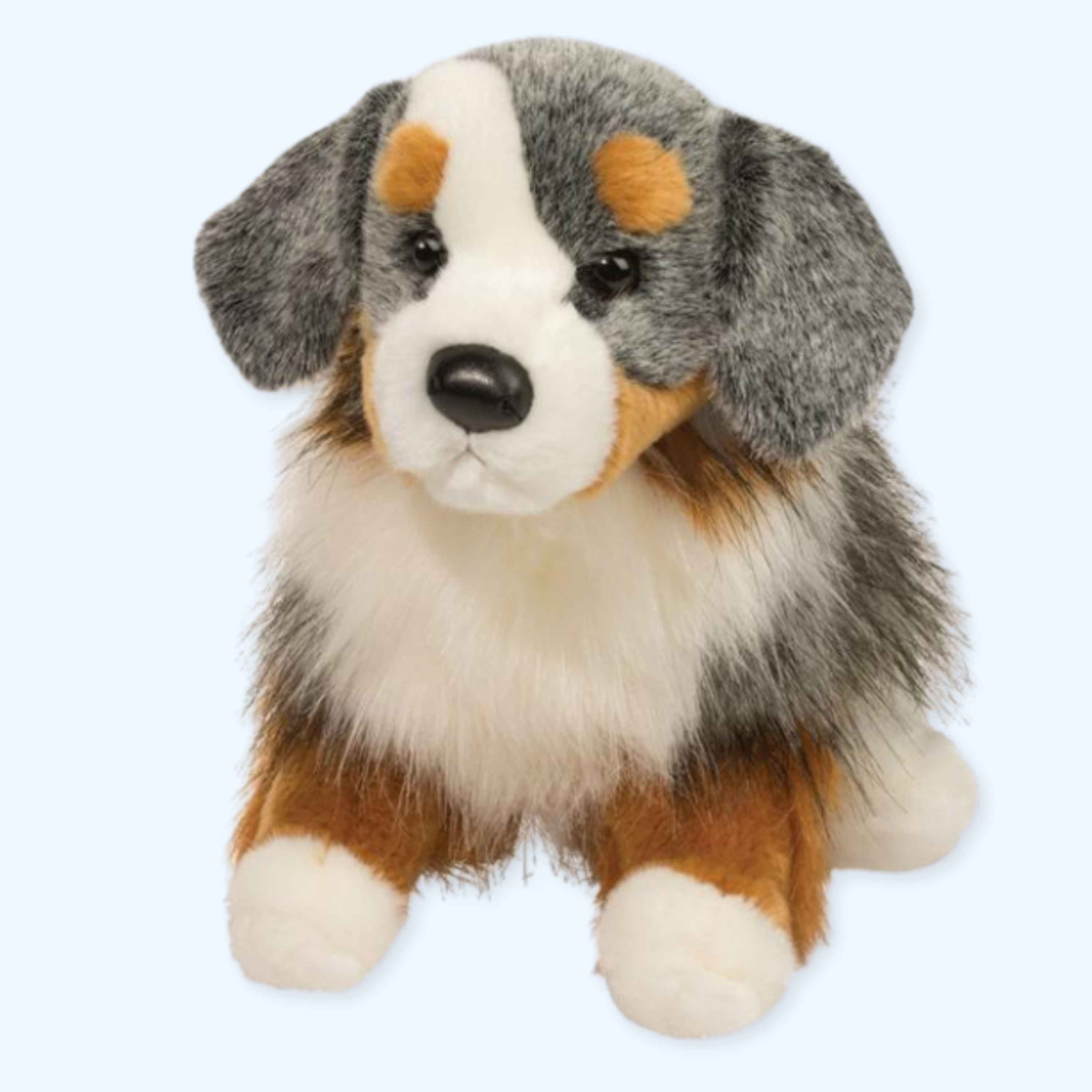
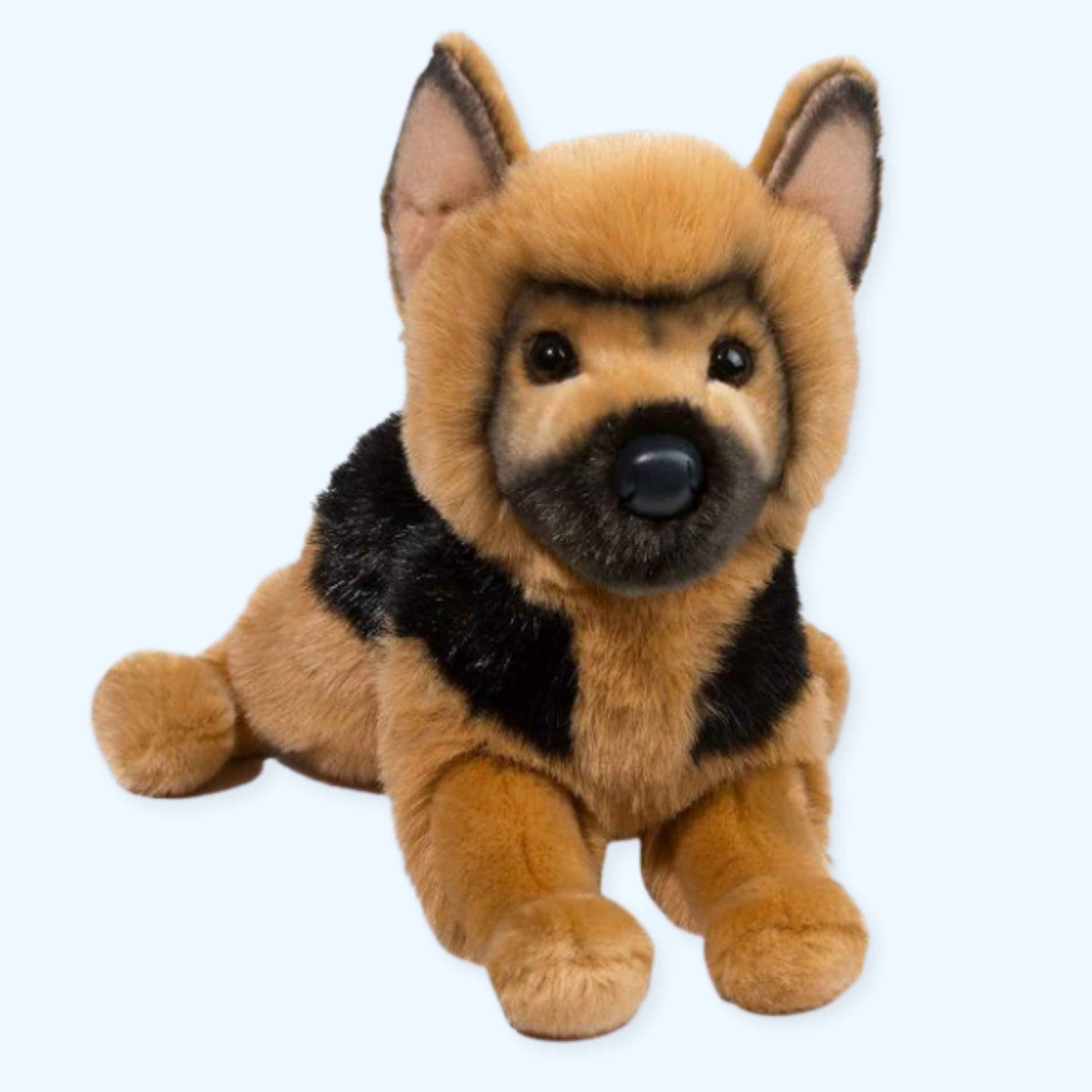
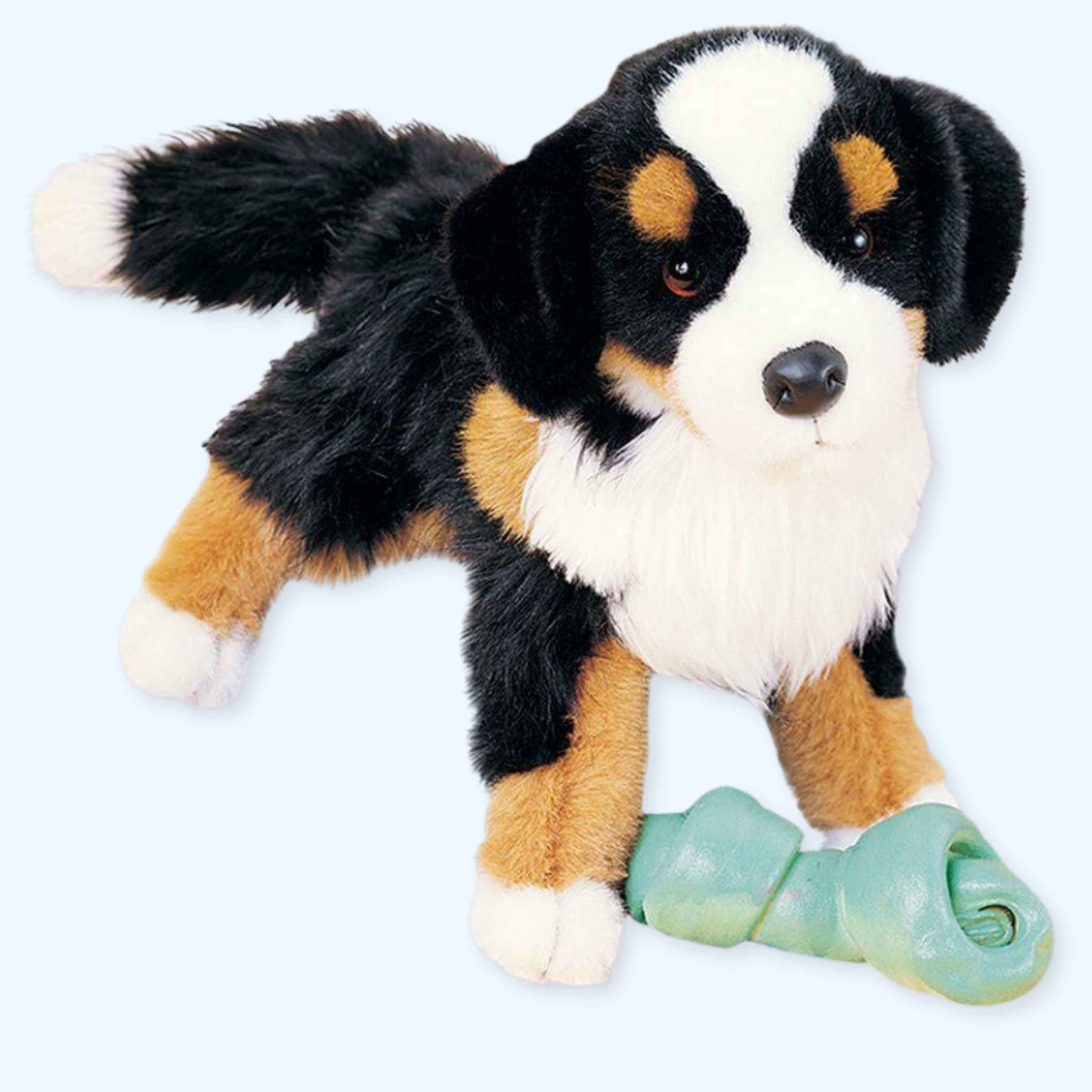
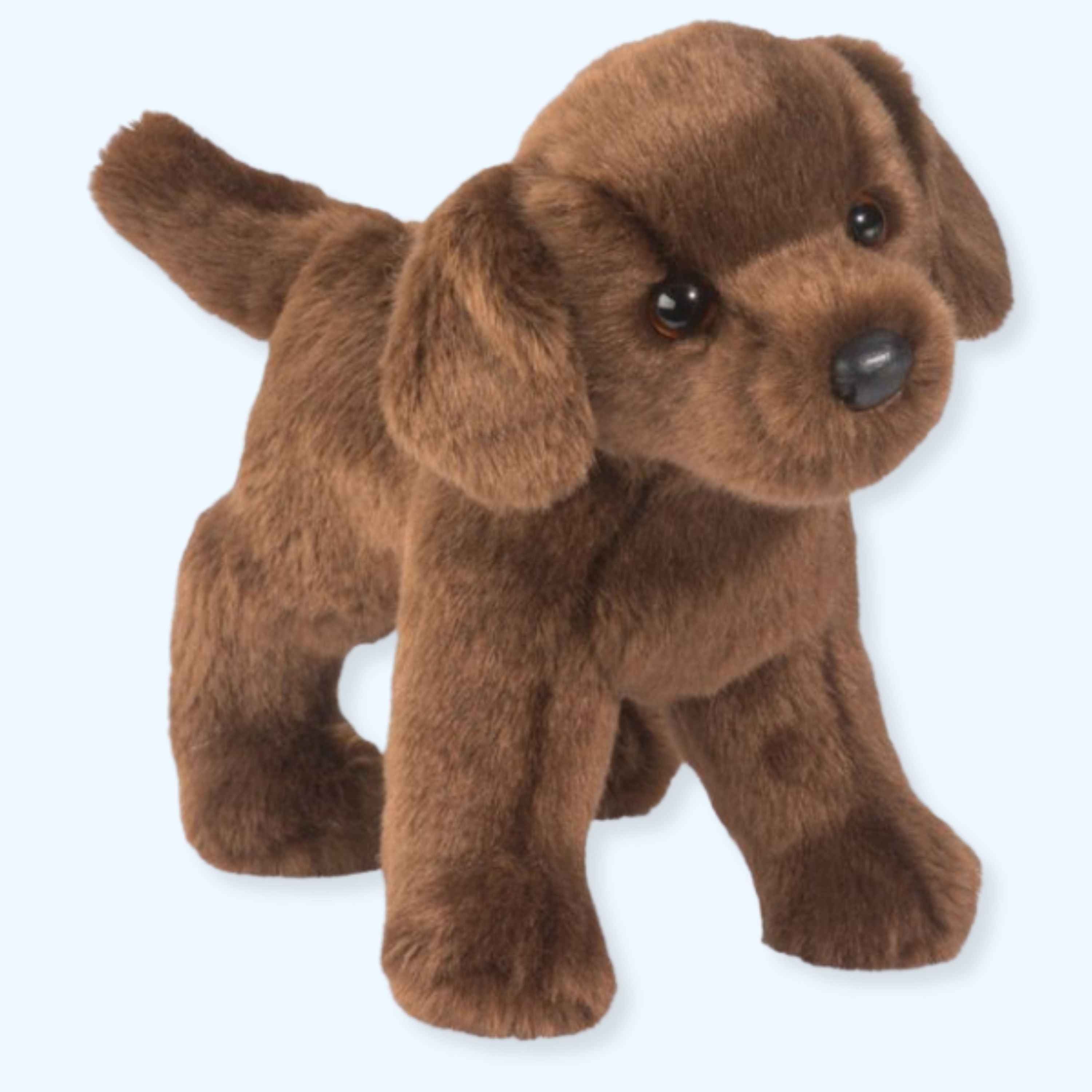
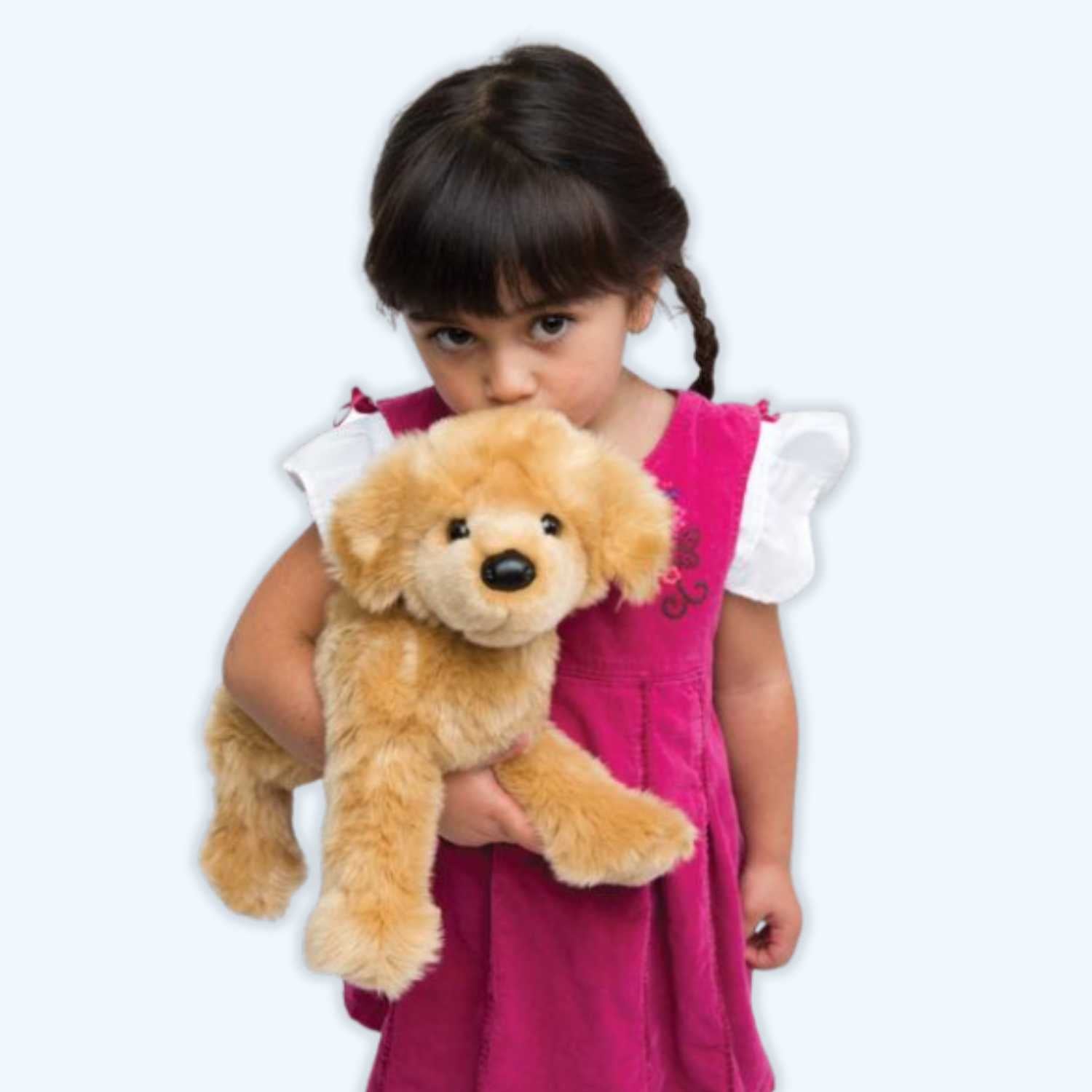
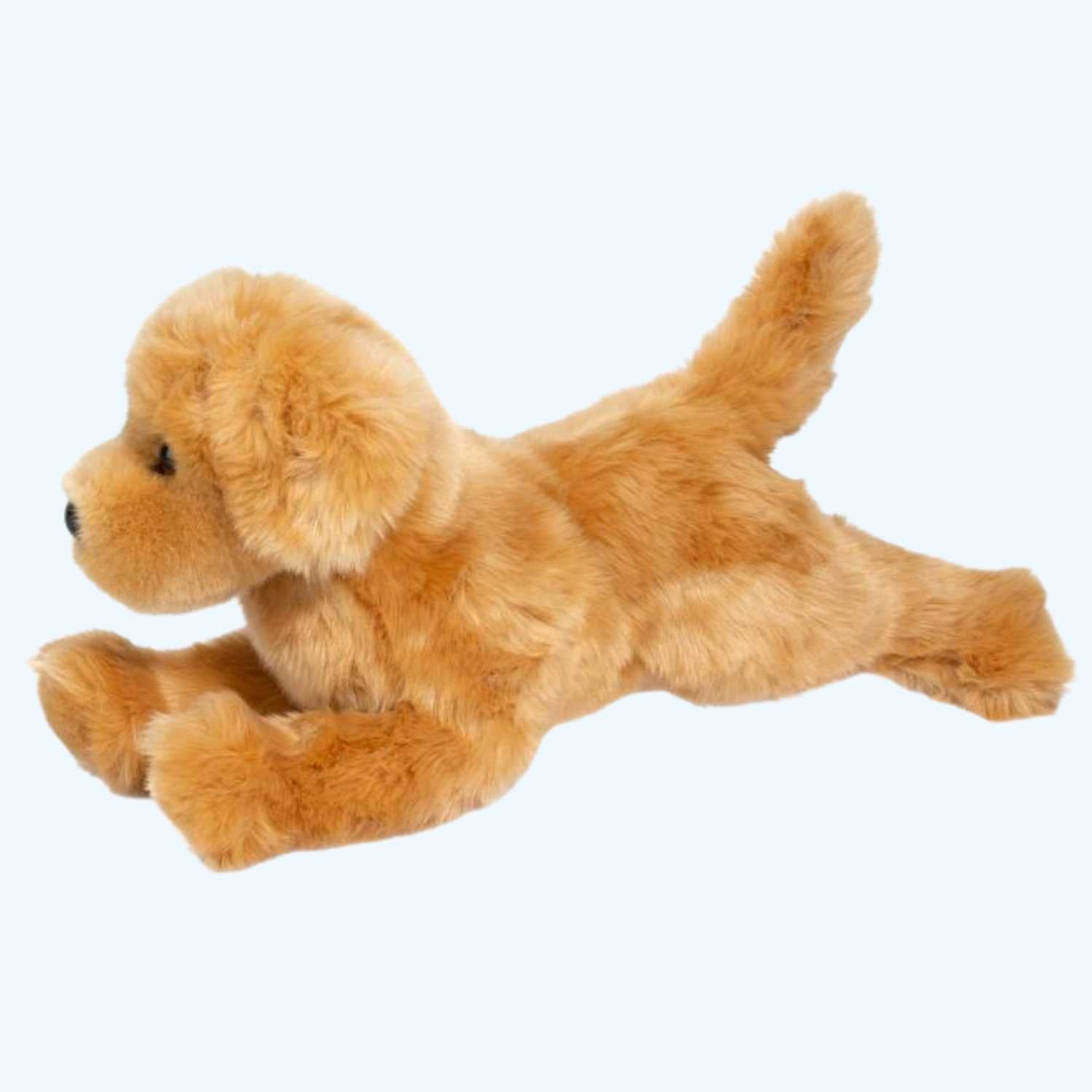
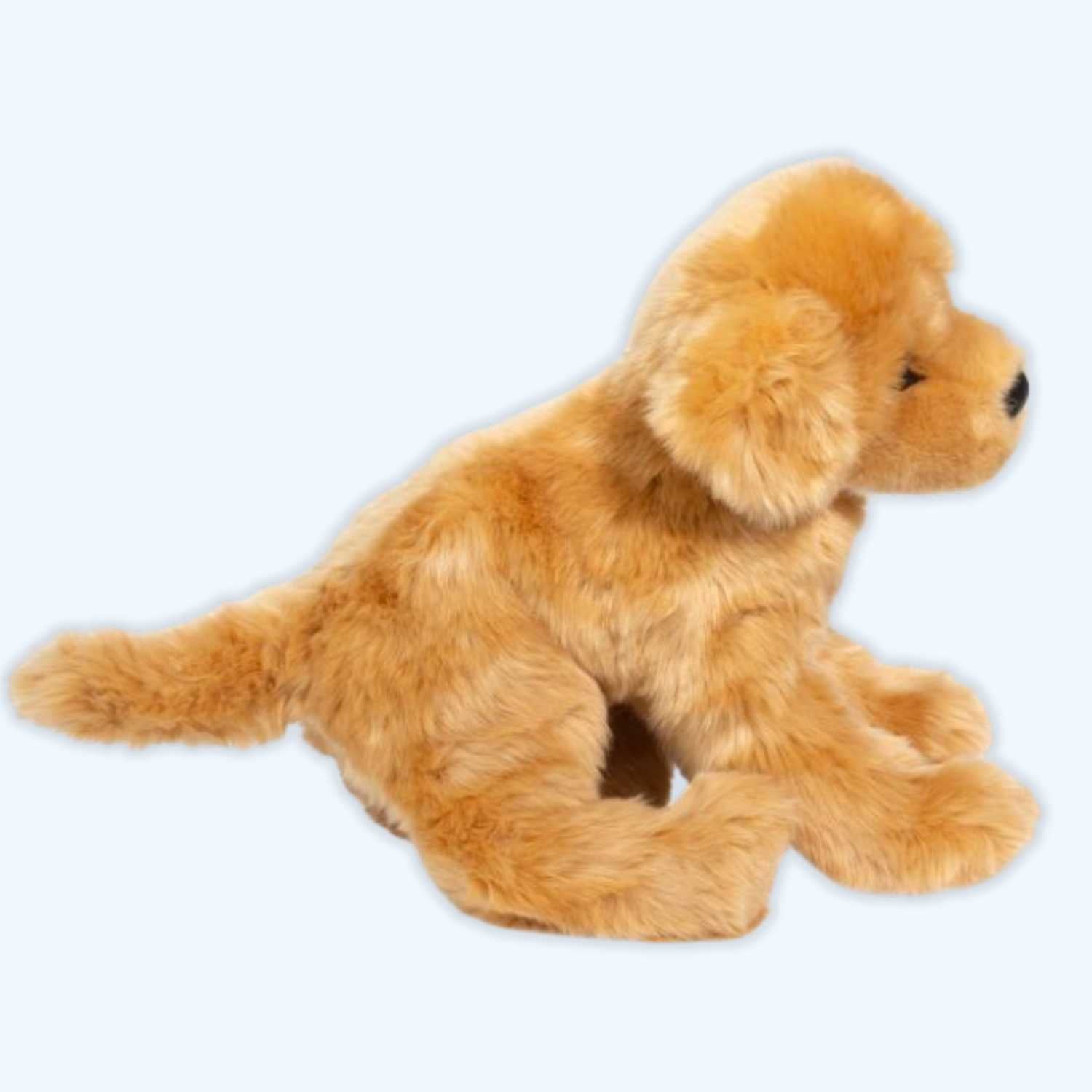
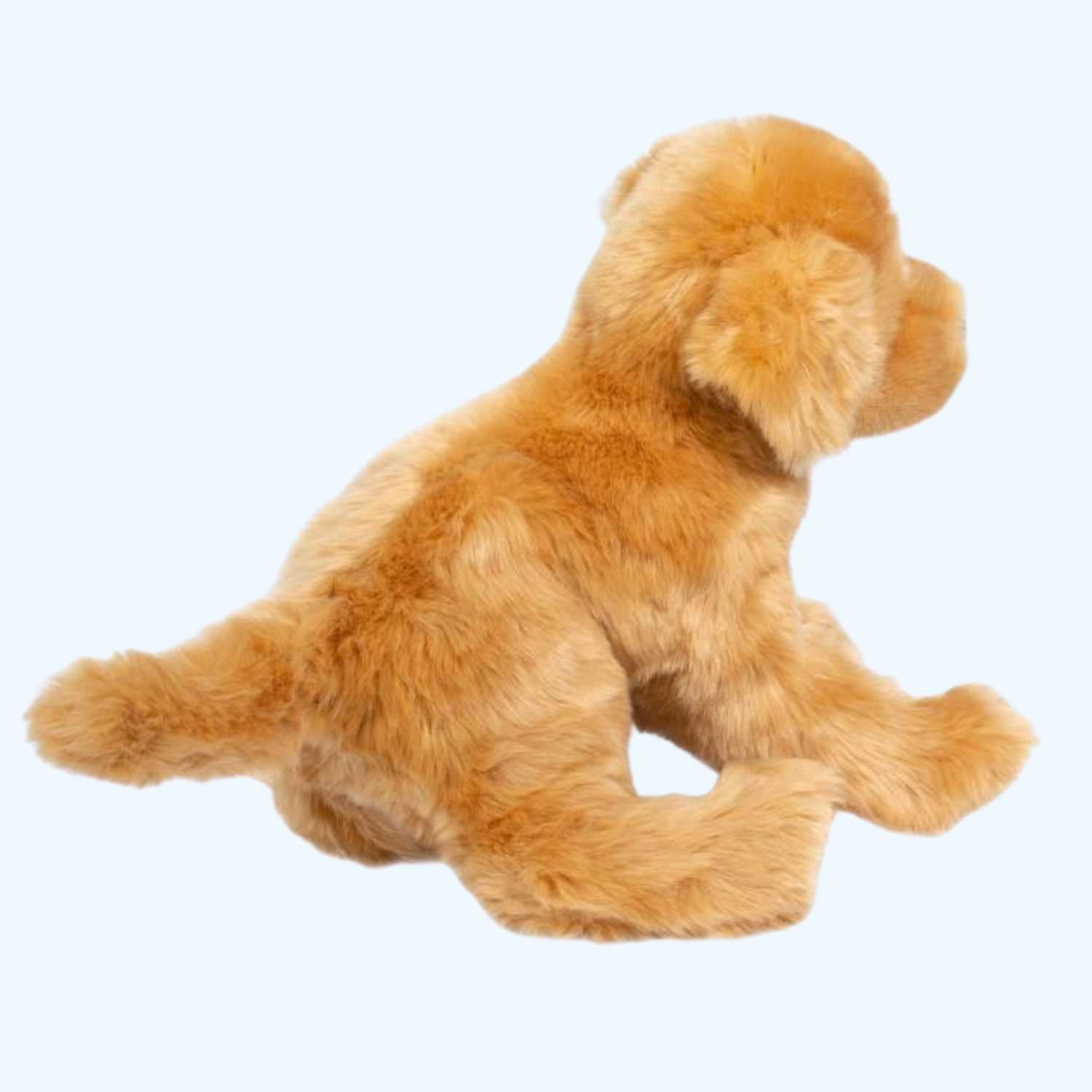
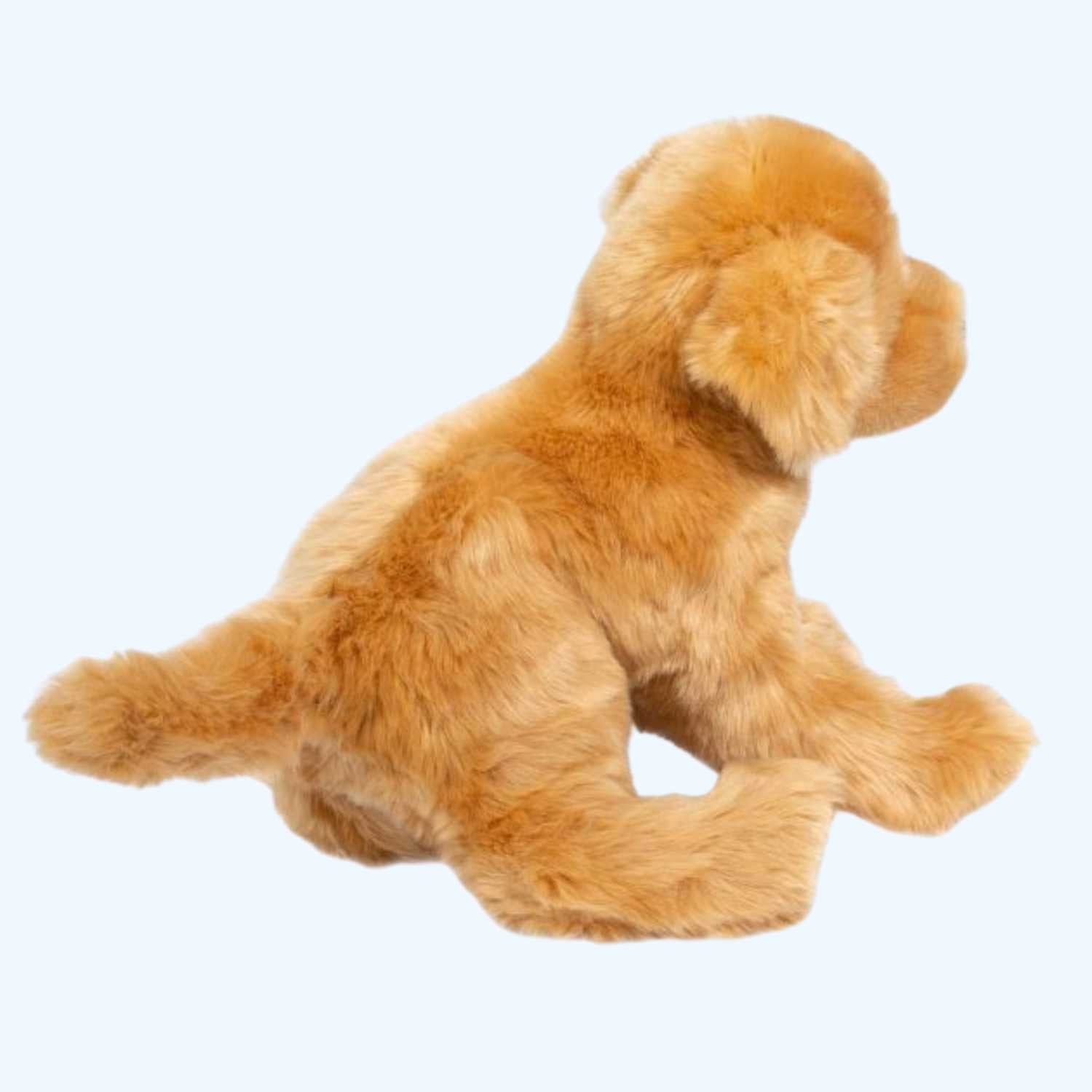
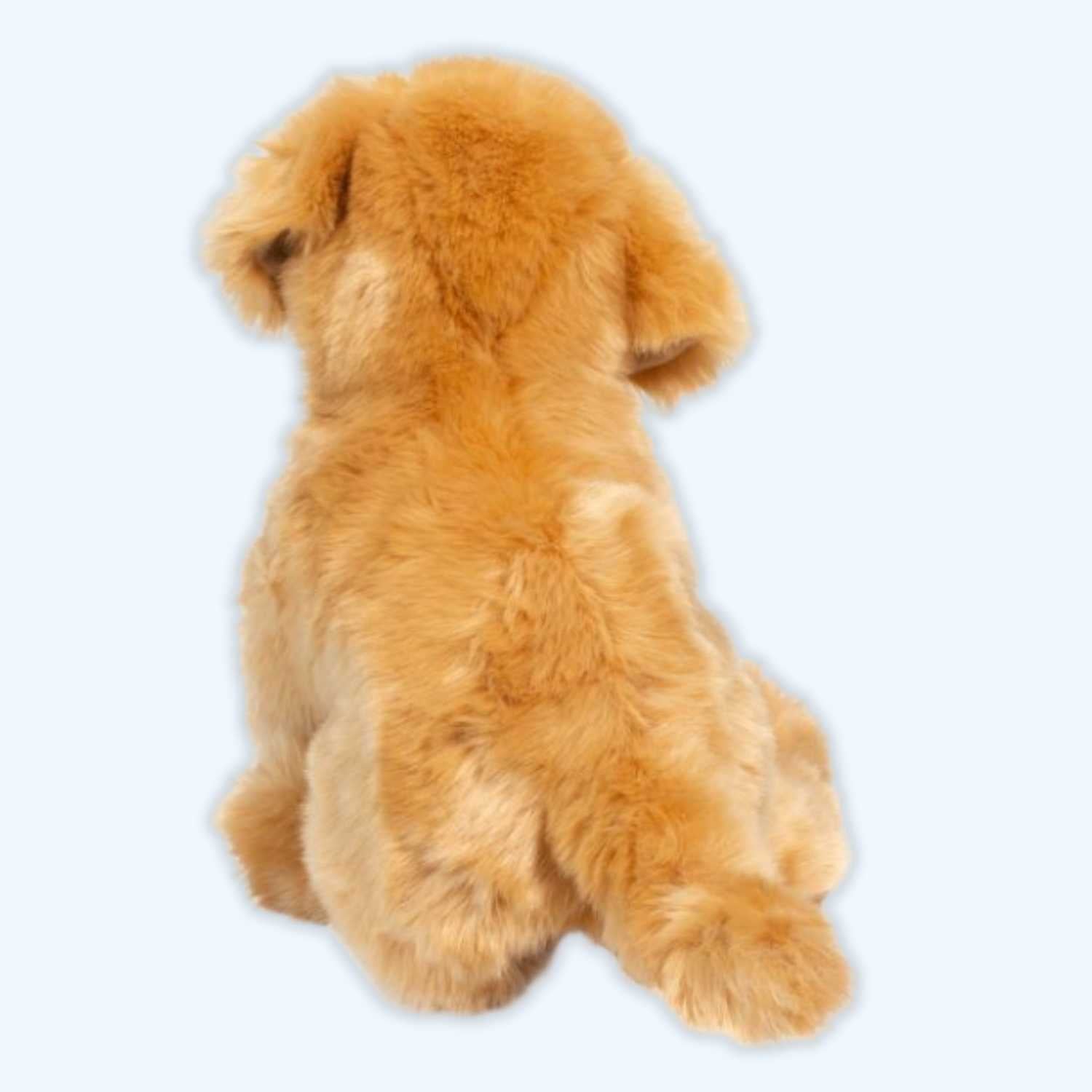
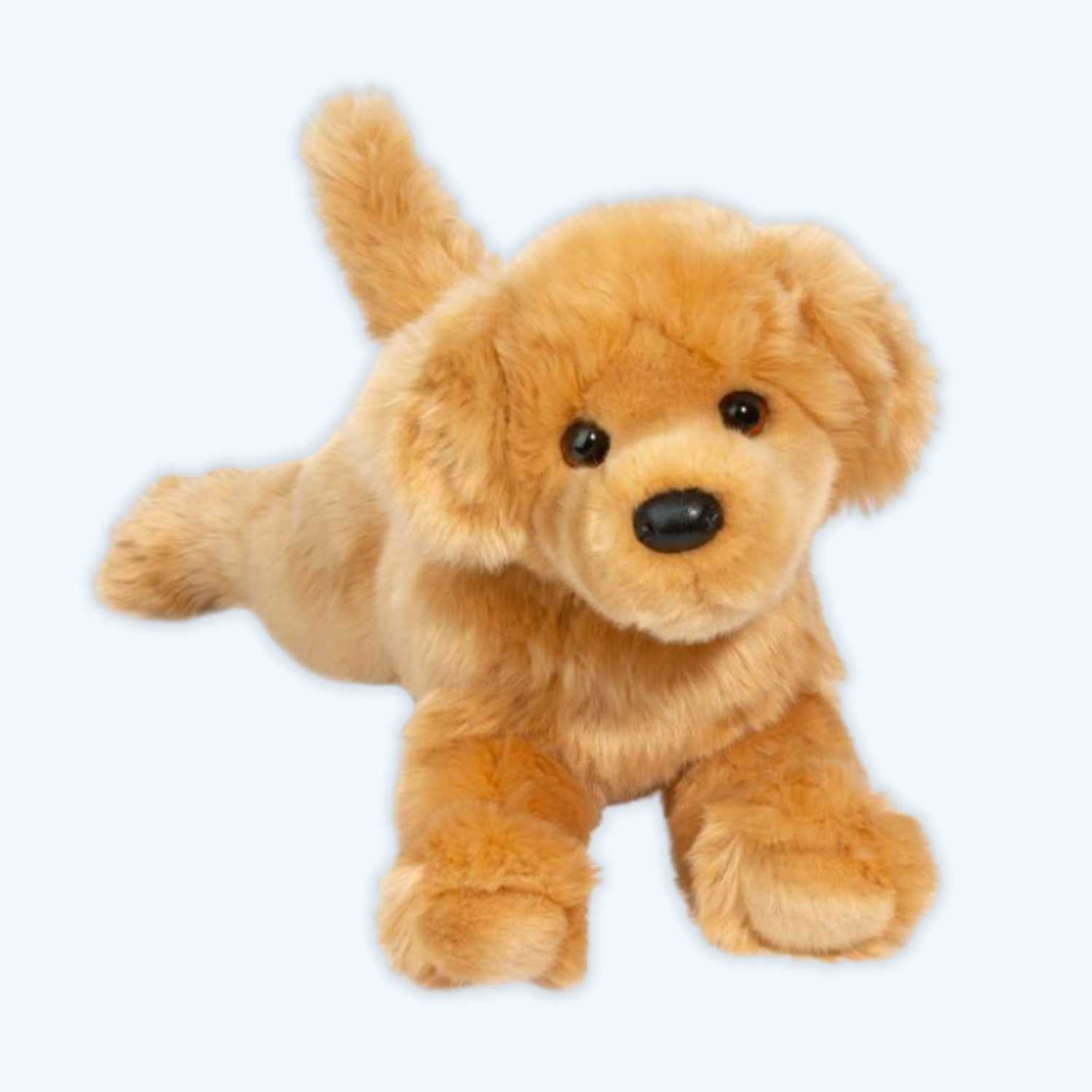
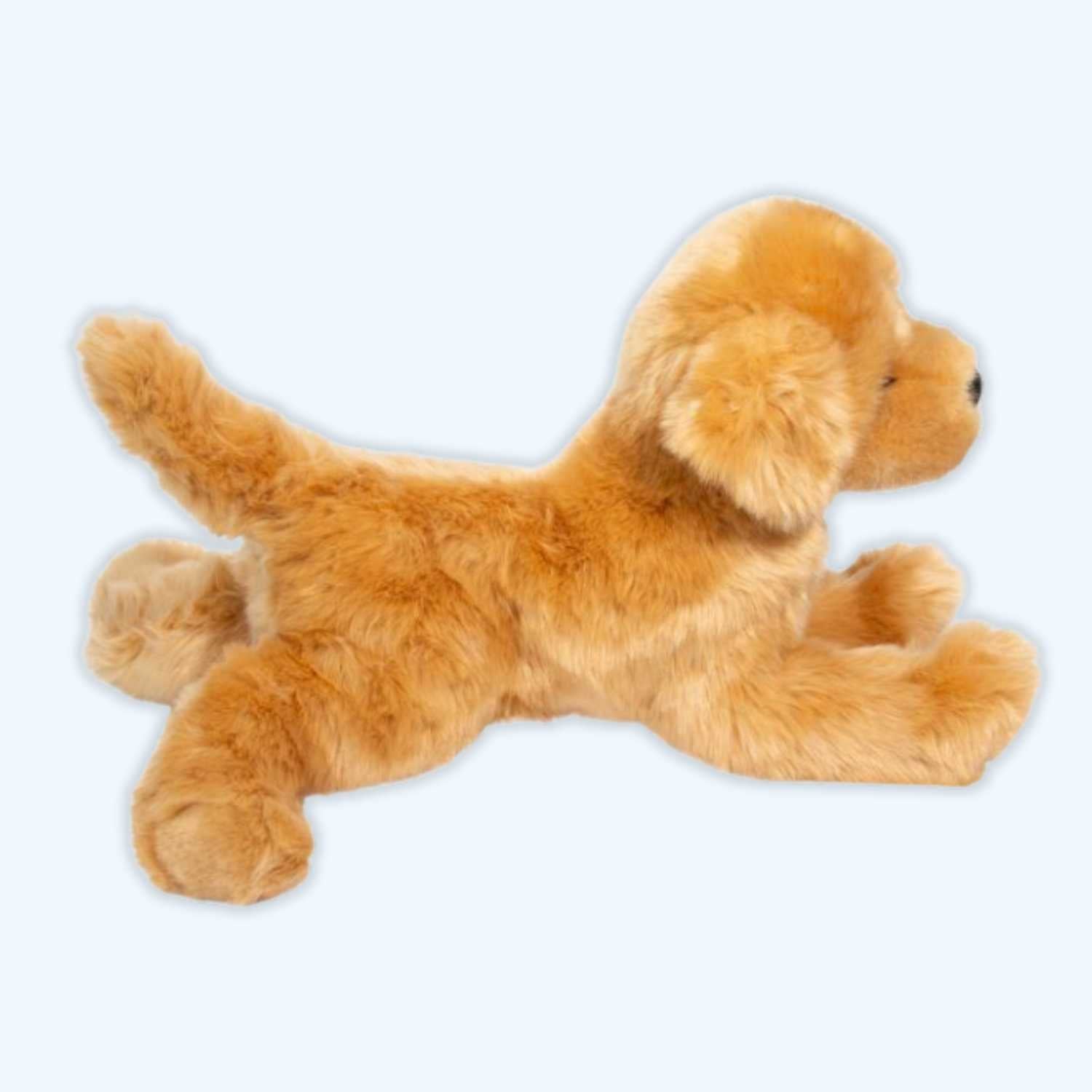
This is why it's worth paying attention to the brands and products behind the personalisation. Douglas® plush toys, for example, have a strong reputation for quality — soft, well-constructed, and made to last. When a personalised soft toy is built on a genuinely good product, the result is something that holds up to the demands of childhood.
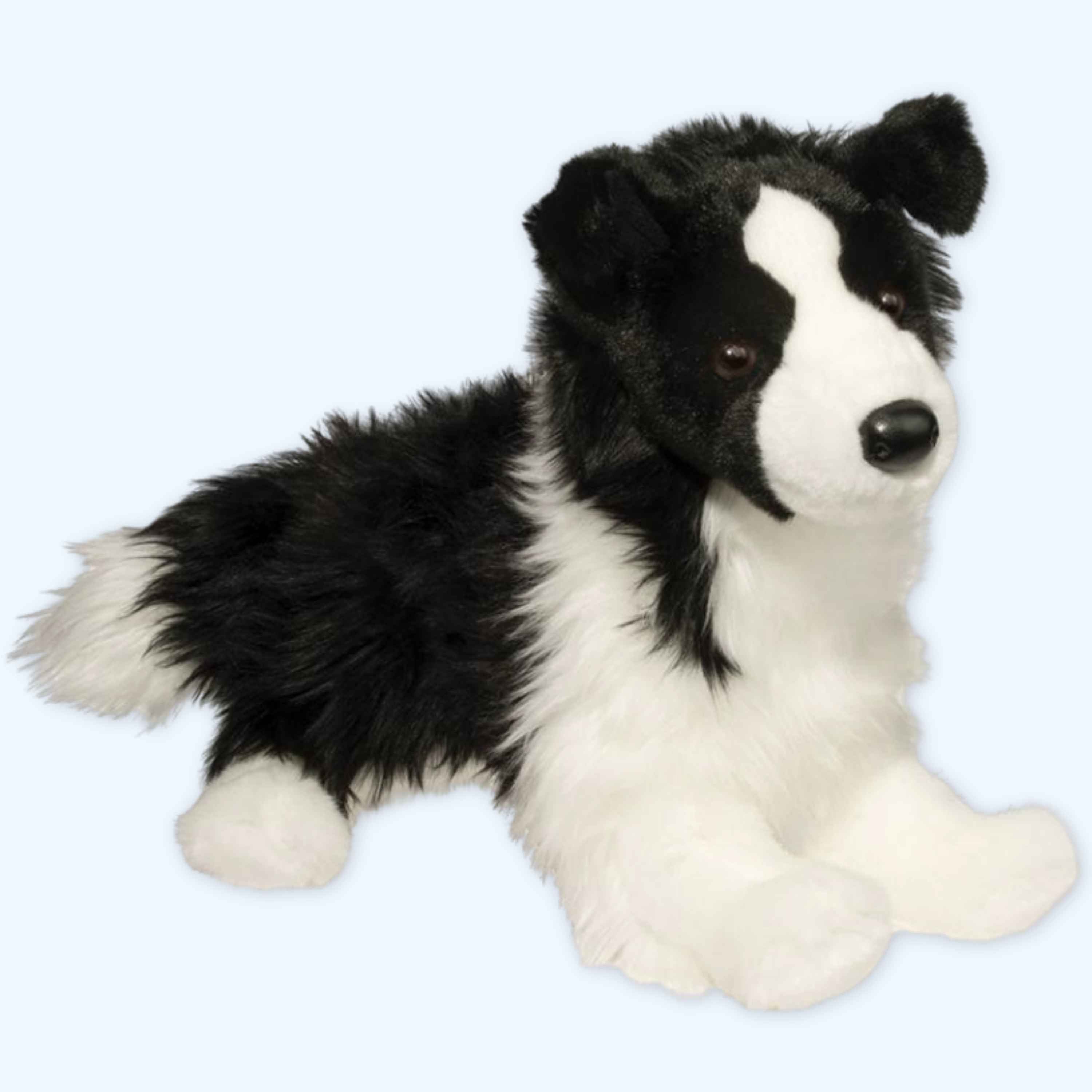
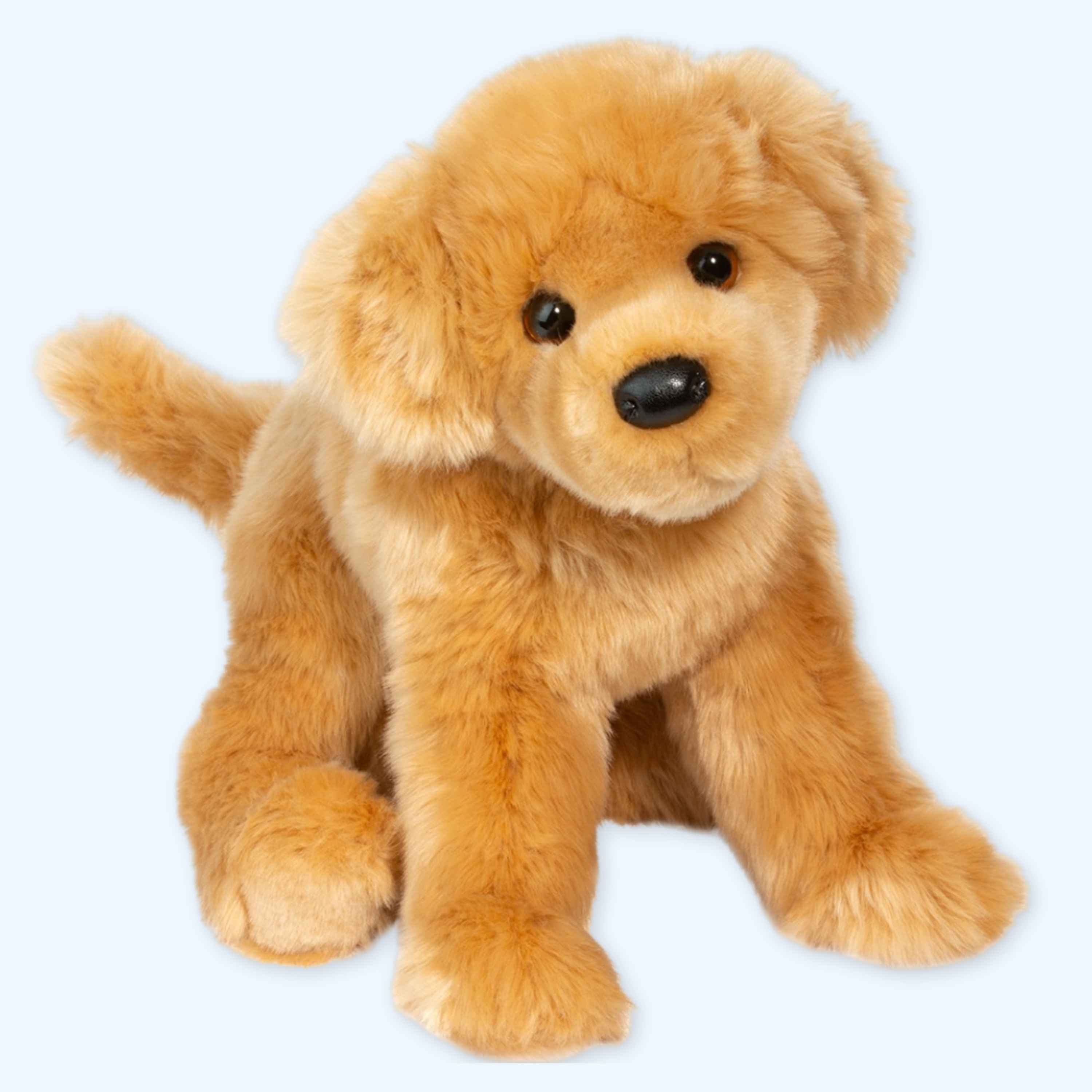
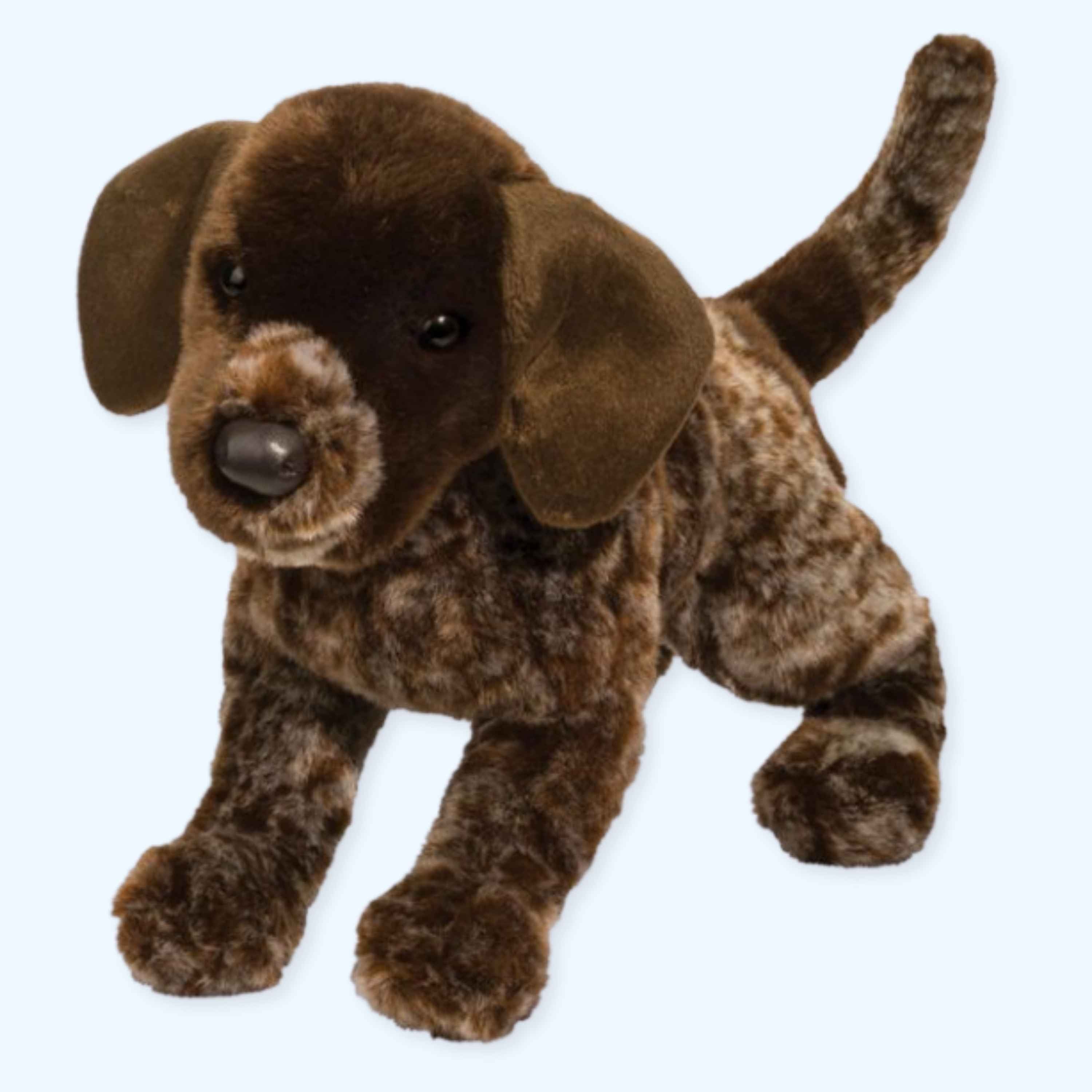
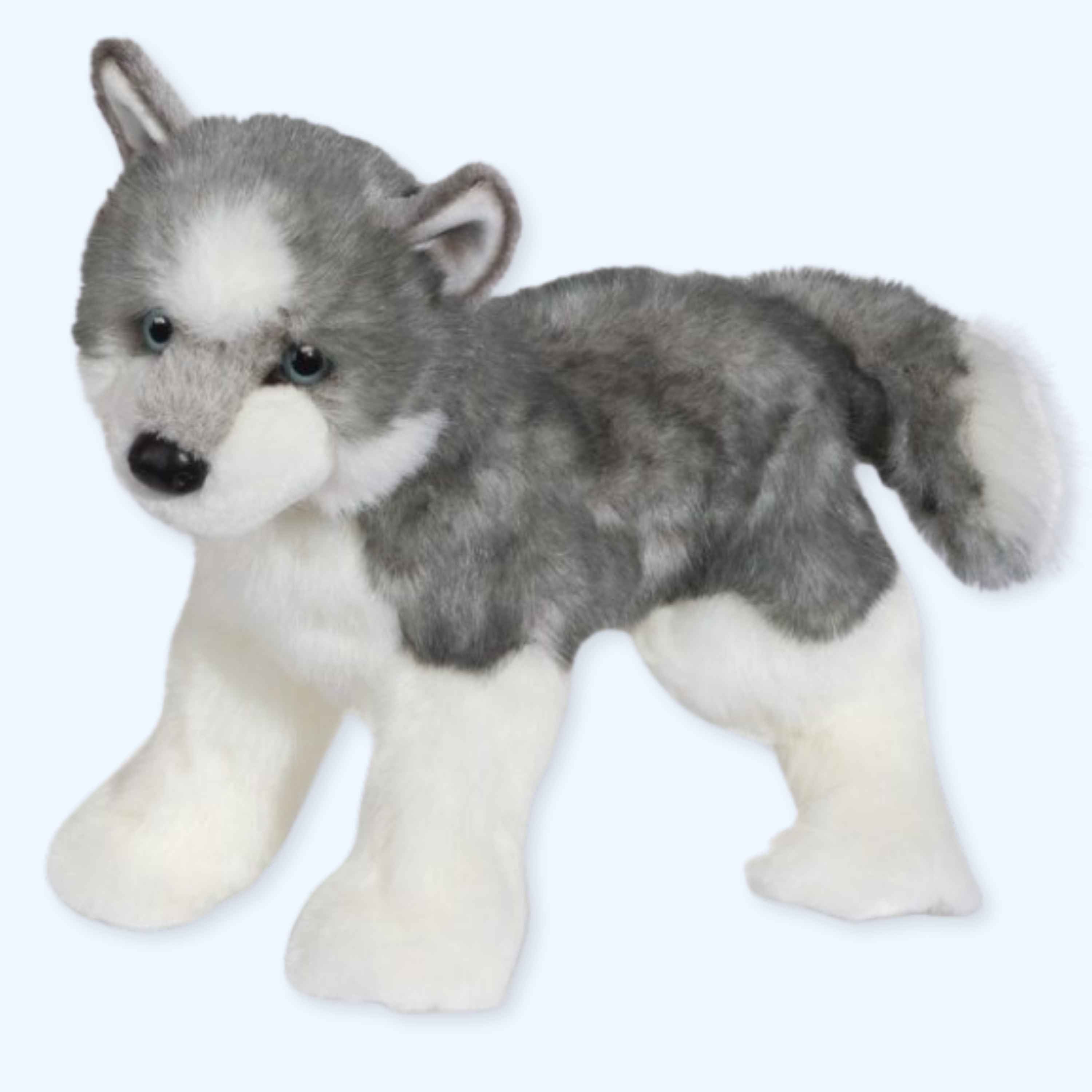
At Essa UK, the focus is on authentic Douglas® plush toys — dogs, wildlife animals, and fantasy creatures — that are built with the kind of quality that makes them worth personalising in the first place. Whether you're looking for a plush companion for a new baby or a character toy for an older child, starting with a well-made product is half the battle.
Plush Toy Types That Work Best for Personalised Gifts
Not every soft toy lends itself equally well to personalisation. Here are the types that tend to work best:
Classic stuffed animals
Dogs, bears, rabbits, foxes — the timeless options. These work across all ages and have broad appeal. They're also the easiest to personalise because the design is familiar and the gift context is clear.
Wildlife and nature animals
Owls, deer, otters, hedgehogs — these have become increasingly popular as alternatives to the classic bear. They appeal to children who love nature, and they tend to stand out more as gifts.
Fantasy creatures
Dragons, unicorns, mythical animals — these work particularly well for slightly older children with vivid imaginations. A personalised dragon with a child's name on it is the kind of gift that sparks a story.
Character-style plush
Toys with distinct personalities — expressive faces, accessories, clothing — tend to form stronger bonds with children. The more a toy feels like a character rather than an object, the more likely it is to become a lasting companion.
A Few Things to Avoid
Avoid toys with very small parts for children under three. This is a safety issue, not an aesthetic one. Check age recommendations carefully.
Avoid suppliers with unclear production timelines. If the listing doesn't mention how long personalisation takes, ask before ordering. Surprises are fine; late gifts are not.
Avoid cheap base products. A low price on a personalised toy is often a sign that the underlying product is low quality. The personalisation cost is relatively fixed — if the total price is very low, something is being cut somewhere.
Avoid over-complicating the personalisation. A name, a date, or a short message is usually enough. Trying to add too much can make the toy look cluttered rather than personal.
Making the Right Choice
Choosing a personalised soft toy isn't complicated once you know what you're looking for. Start with the child — their age, their interests, what they're likely to connect with. Then think about the occasion and what kind of personalisation feels right. Finally, focus on quality: a toy that's well-made and properly personalised is worth every penny more than a cheap alternative.
The best personalised soft toys aren't just gifts. They become part of a child's story — the toy they named, the one they carried everywhere, the one that still sits on the shelf years later. That's a high bar, but it's an achievable one when you choose carefully.
Find Something Worth Giving
If you're looking for high-quality plush toys as the foundation for a personalised gift, it starts with getting the product right. Essa UK stocks authentic Douglas® plush toys — from dogs and wildlife animals to fantasy creatures — chosen for their quality, softness, and lasting appeal.
Learn more at essauk.com.