The Best Stuffed Animals for Anxiety and Emotional Support in Kids
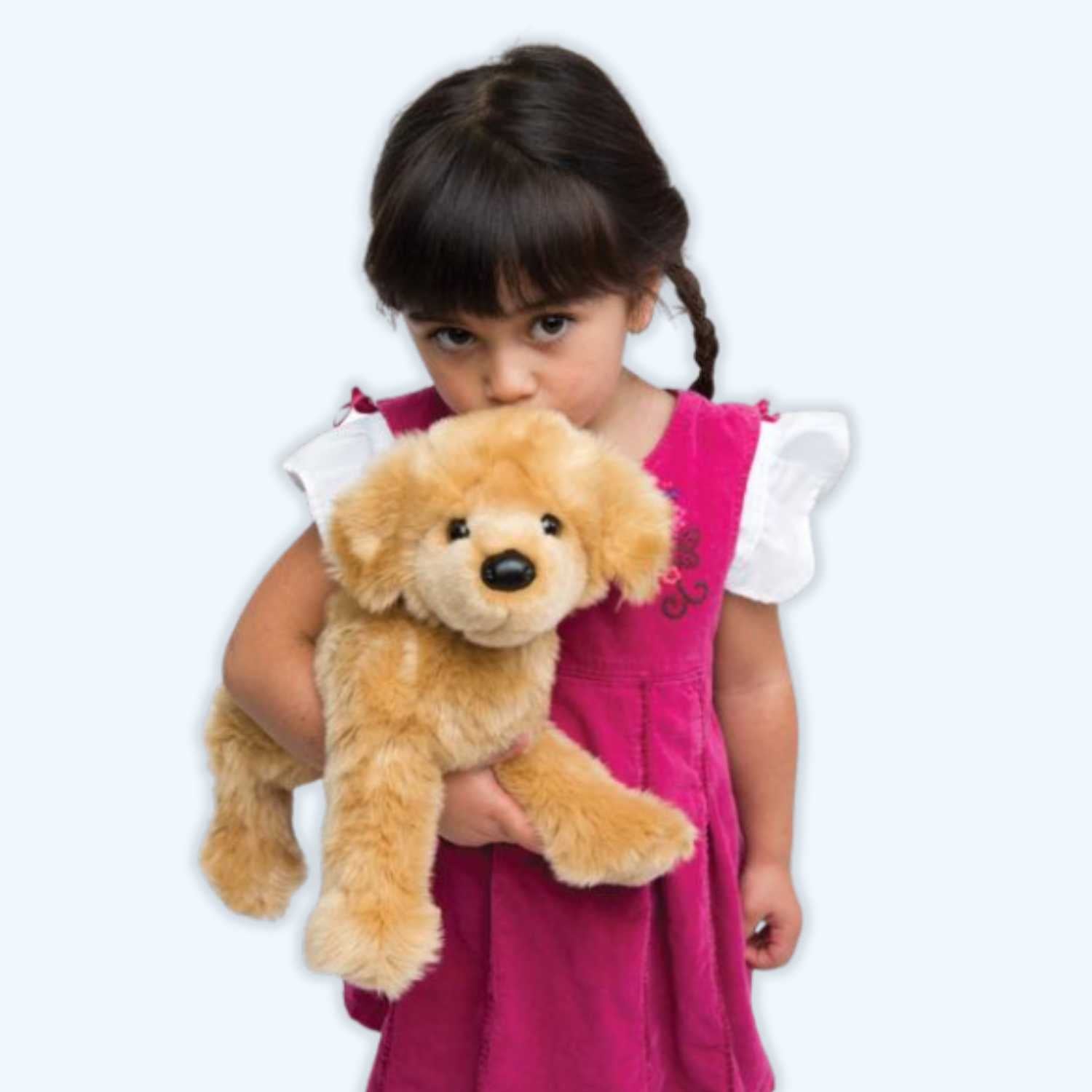
When a seven-year-old clutches her well-worn teddy bear during a thunderstorm, she's not just seeking comfort — she's using a scientifically recognised coping mechanism that helps regulate emotions and ease anxiety. For millions of children, stuffed animals are far more than toys. They're emotional anchors in a world that can feel overwhelming.
As childhood anxiety continues to rise, parents are looking for gentle, accessible ways to help. Professional support remains essential for more serious cases, but stuffed animals offer something immediate and child-led — a source of comfort kids can reach for on their own terms. Knowing how these companions work, and how to choose the right one, can make a real difference to your child's emotional wellbeing.
Why Stuffed Animals Help Children Manage Anxiety
The bond between a child and a beloved plush toy runs deeper than simple attachment. Developmental psychology points to several reasons why stuffed animals are so effective for emotional support.
Transitional Object Theory
Psychologist Donald Winnicott identified stuffed animals as "transitional objects" — items that help children move between dependence and independence. When a parent isn't nearby, a soft companion fills that gap, offering a reliable sense of security during stressful or unfamiliar situations.
Sensory Regulation
Hugging a soft toy triggers the release of oxytocin, the bonding hormone, which naturally lowers cortisol levels. The weight, texture, and warmth of a stuffed animal can ground a child in moments of overwhelm, helping them self-soothe in a way that feels instinctive rather than forced.
Emotional Projection and Processing
Children often project their feelings onto their stuffed animals — comforting a teddy that's "scared," or sharing worries with a plush companion. This kind of play creates a safe, low-pressure space to explore emotions and work through experiences without fear of judgement.
Predictable Comfort
Human relationships are complex. Stuffed animals aren't. They offer consistent, unconditional comfort — and for anxious children who crave stability and control, that reliability matters enormously.
Key Features That Make Stuffed Animals Effective for Anxiety Relief
Not all stuffed animals offer the same level of emotional support. Certain qualities make a real difference to how comforting and effective they are.
Size and Weight
Medium-Sized Companions (12–16 inches)
This range tends to work well for most children. Big enough to hug properly, small enough to carry to school, sleepovers, or the back seat of a car. A weight of around 8–12 ounces feels substantial without being awkward.
Weighted Options
Some children respond well to slightly heavier stuffed animals that provide gentle pressure — similar in principle to weighted blankets. This deep pressure stimulation can help calm the nervous system, though the weight should always be appropriate for the child's size and strength.
Texture and Materials
Soft, Hypoallergenic Fabrics
High-quality polyester or cotton blends tend to offer the most comforting feel. Materials that irritate sensitive skin can increase discomfort rather than ease it, so it's worth checking fabric quality before buying.
Varied Textures
Smooth satin ears, a fuzzy belly, or corduroy paws — these small sensory details can provide additional grounding input that supports self-regulation in some children.
Design Details
Gentle, Approachable Features
Rounded shapes, soft expressions, and large gentle eyes create a sense of warmth and safety. Sharp angles or intense facial expressions tend to work against that feeling.
Durable Construction
A comfort animal gets squeezed, dragged, and slept on. Reinforced seams and quality stitching mean it holds up through all of that — maintaining the consistent presence children depend on.
Types of Stuffed Animals That Provide the Best Emotional Support
Different children connect with different companions. Understanding what draws your child in can help you find the most effective match.
Traditional Bears and Dogs
Classic Teddy Bears
Teddy bears have endured for good reason. Their human-like proportions, upright posture, and familiar appearance make them easy to hug and instantly comforting. Many children find bears less intimidating than other animals, making them a natural first comfort object.
Plush Dogs
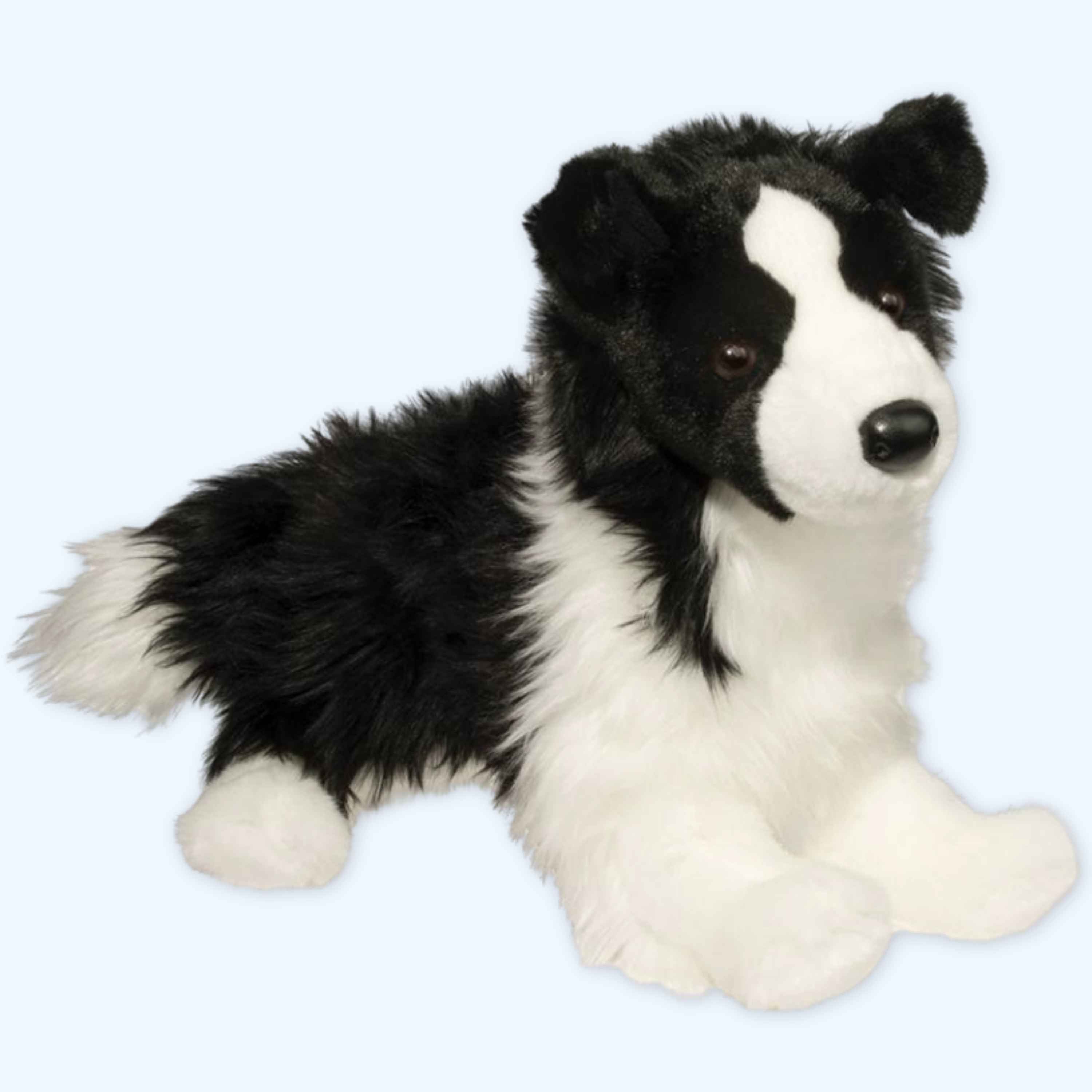
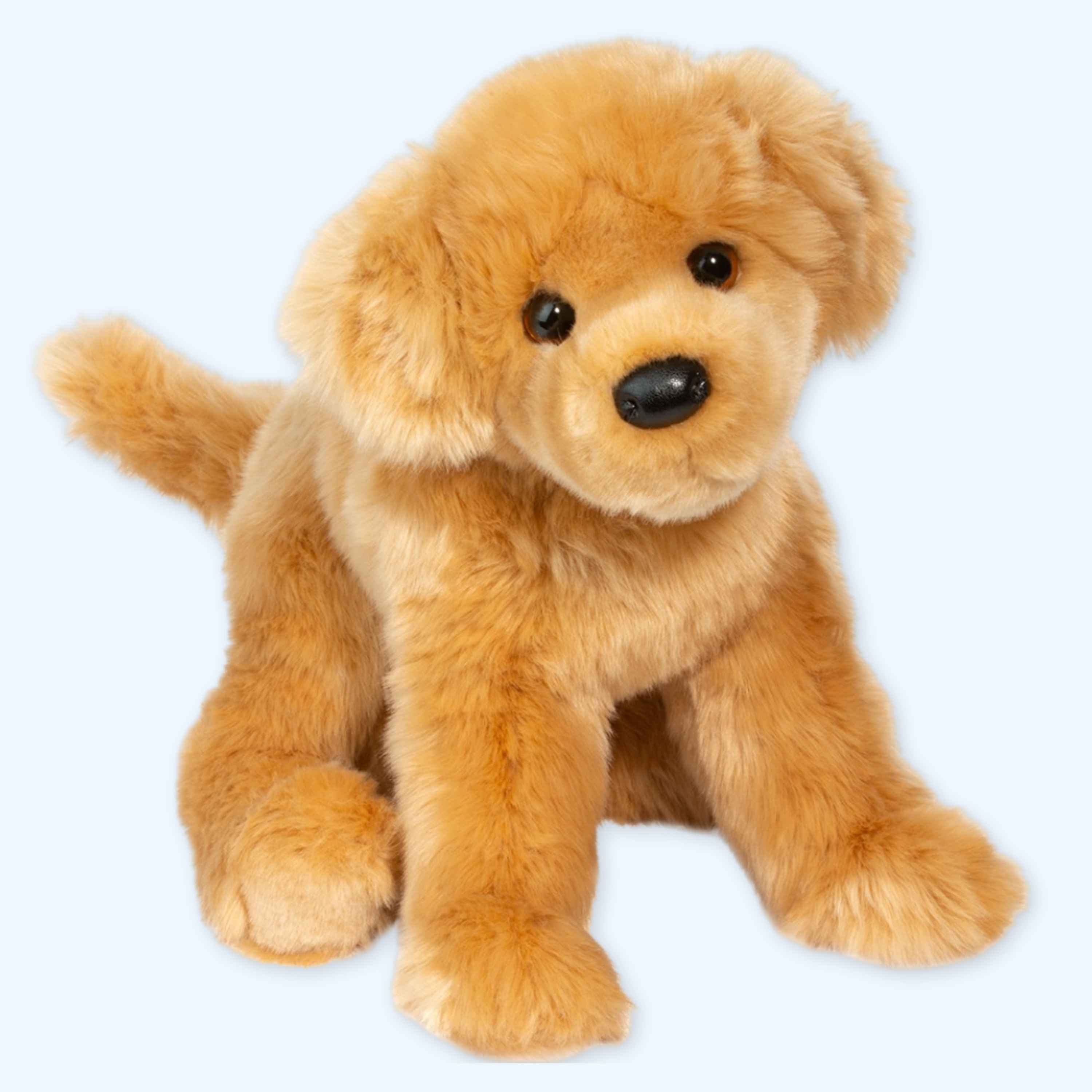
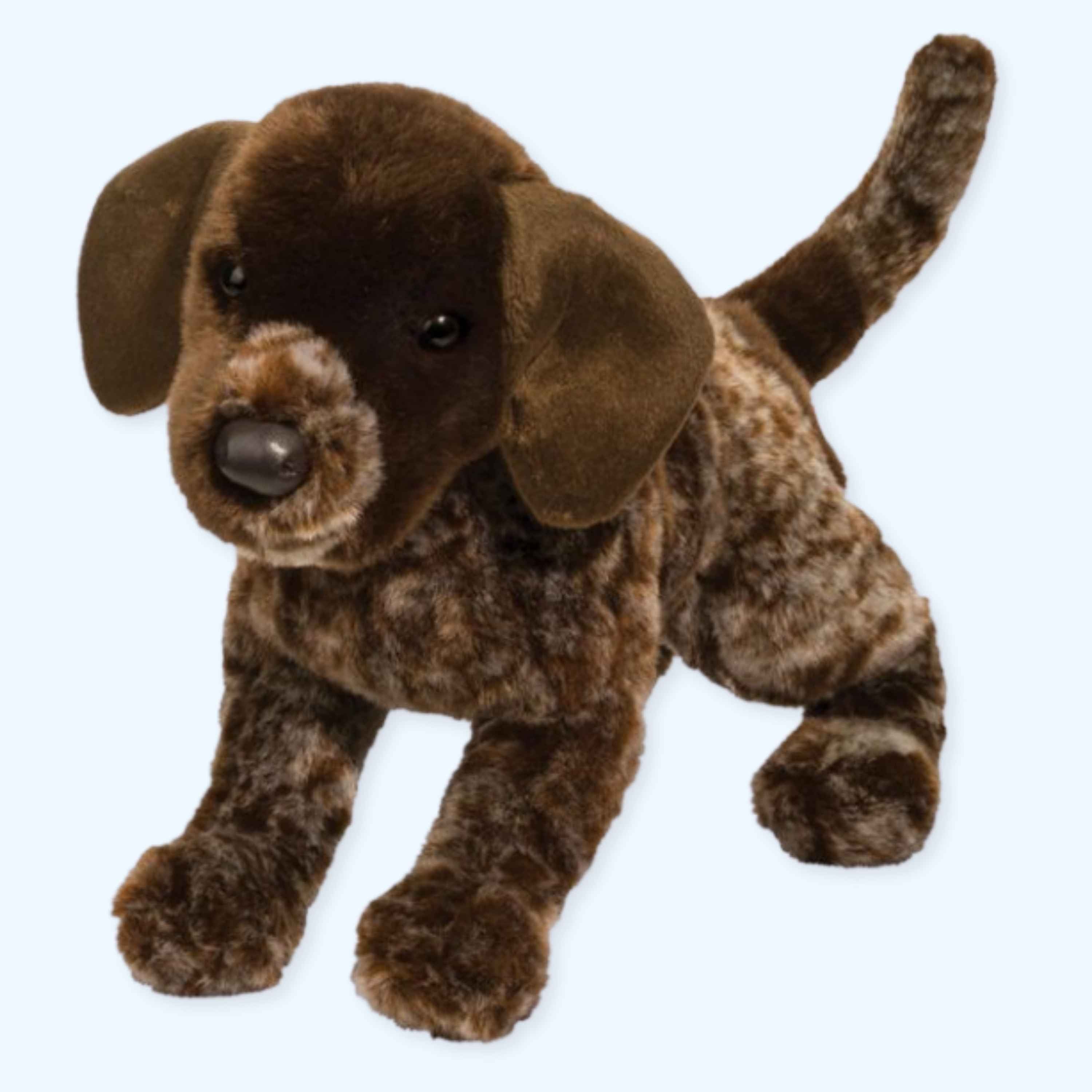
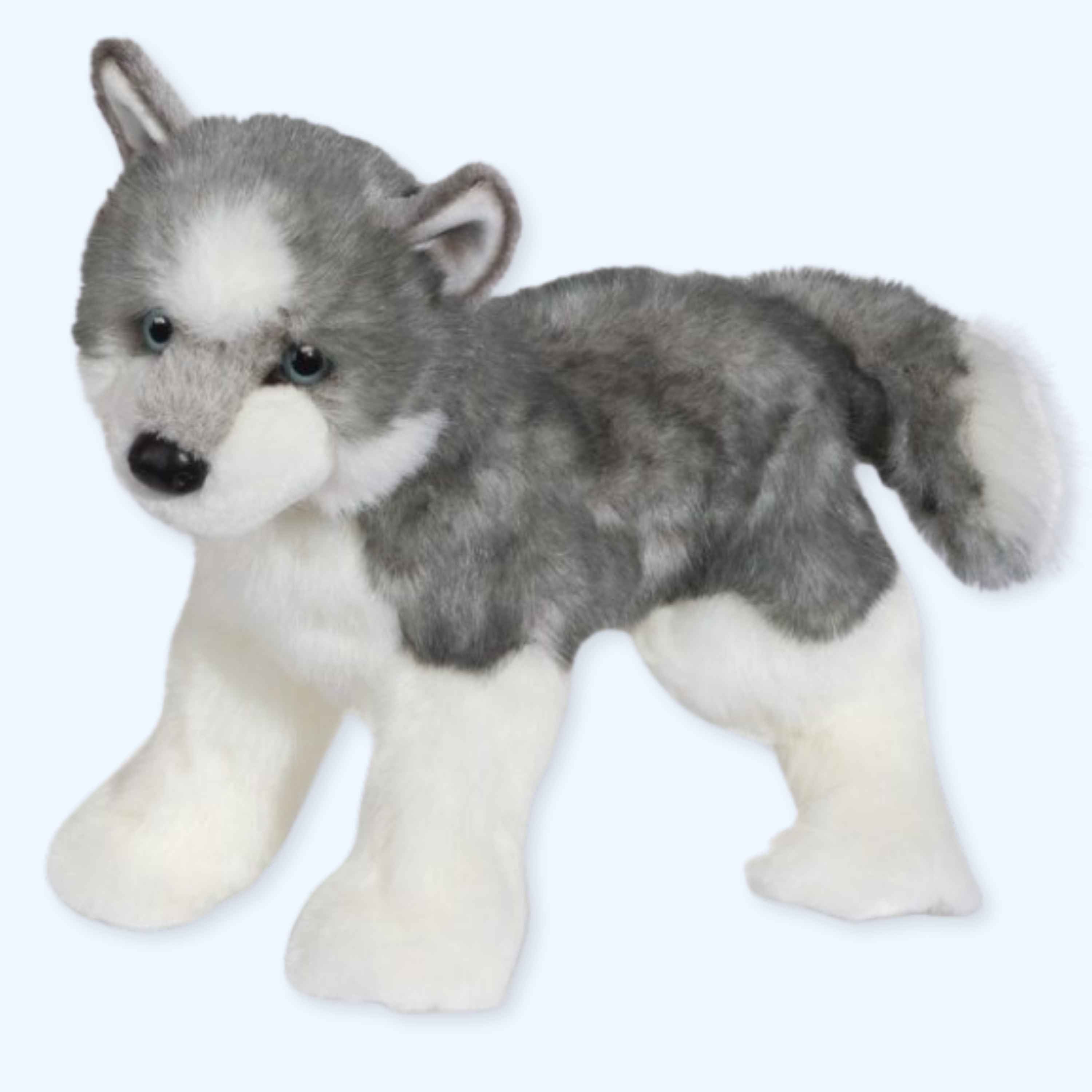
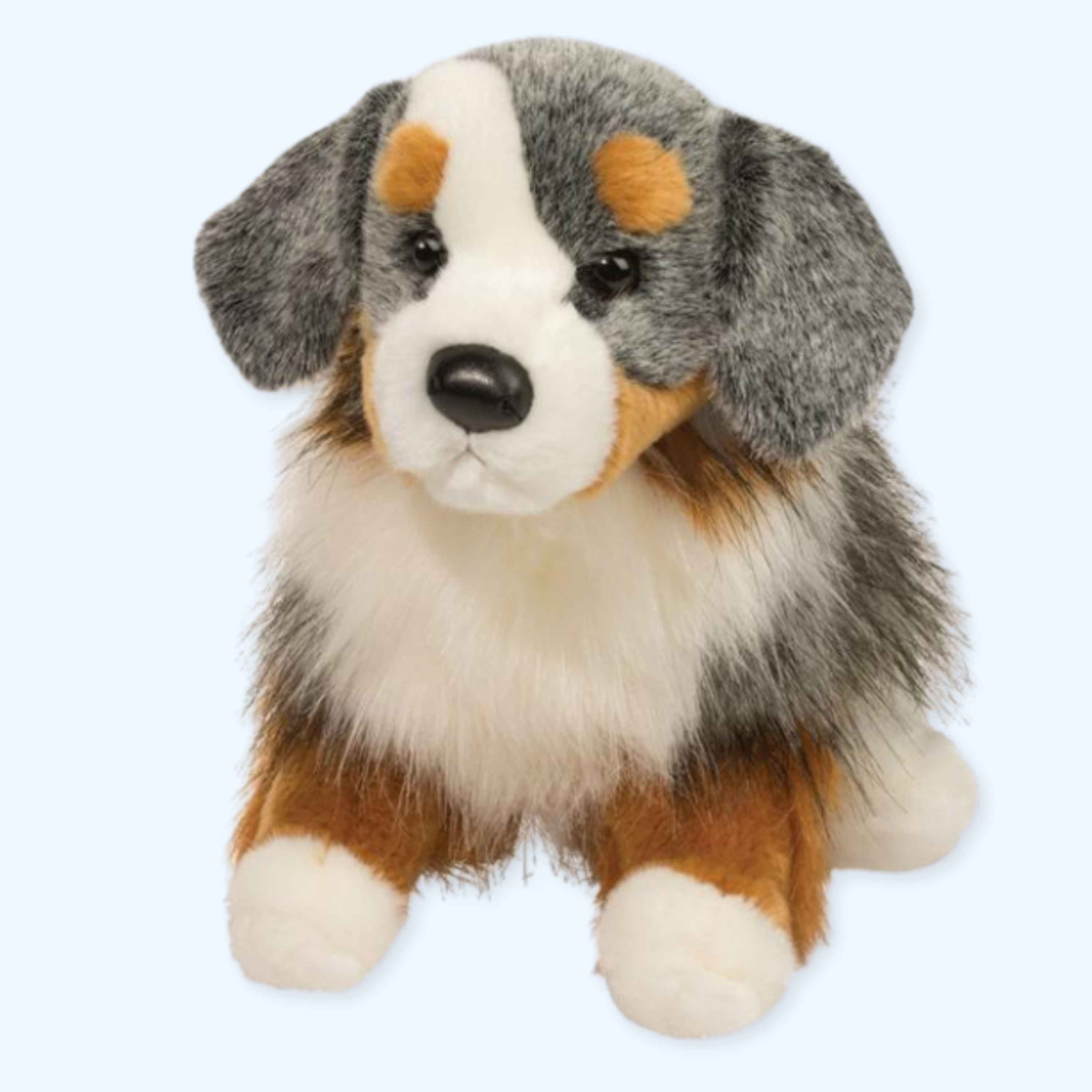
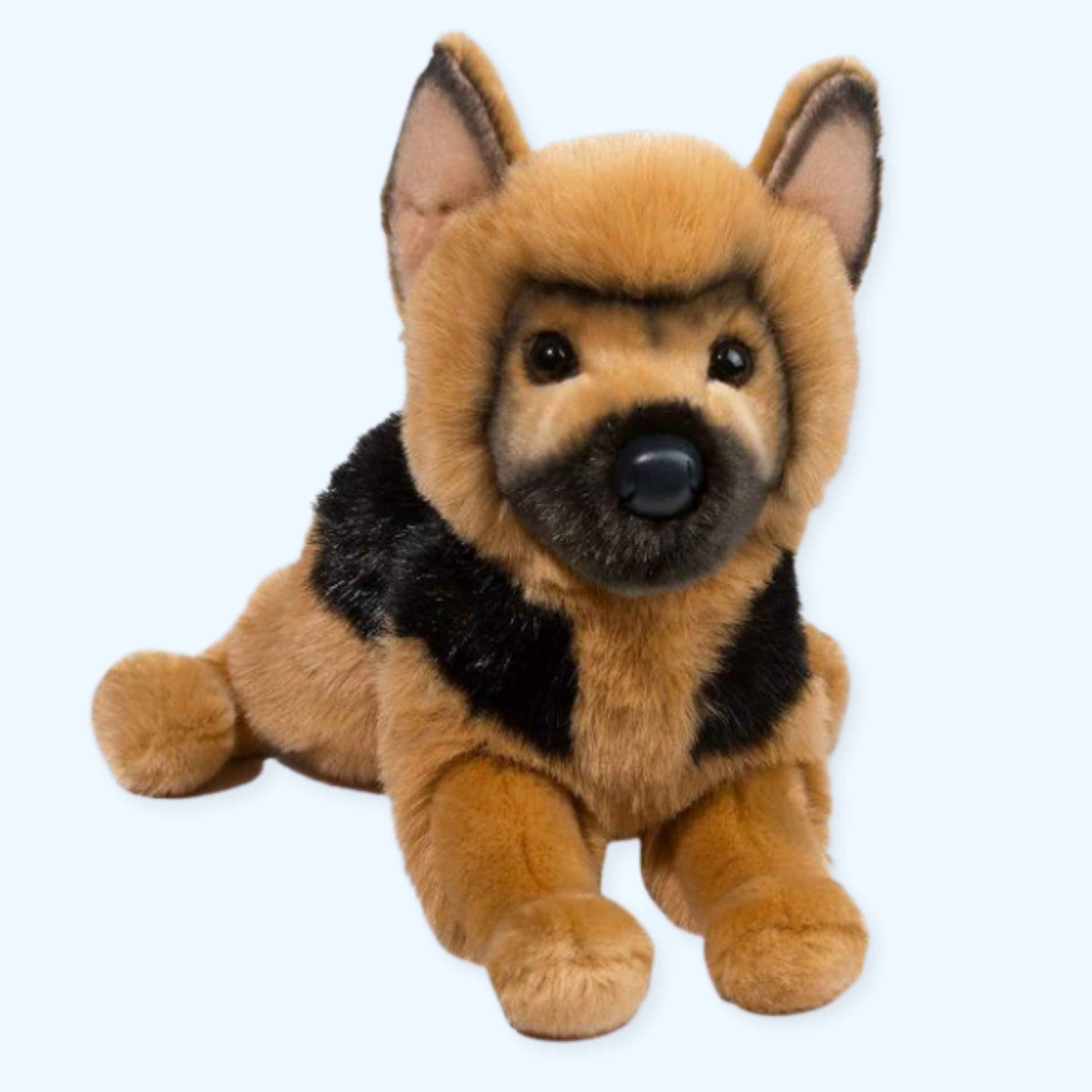
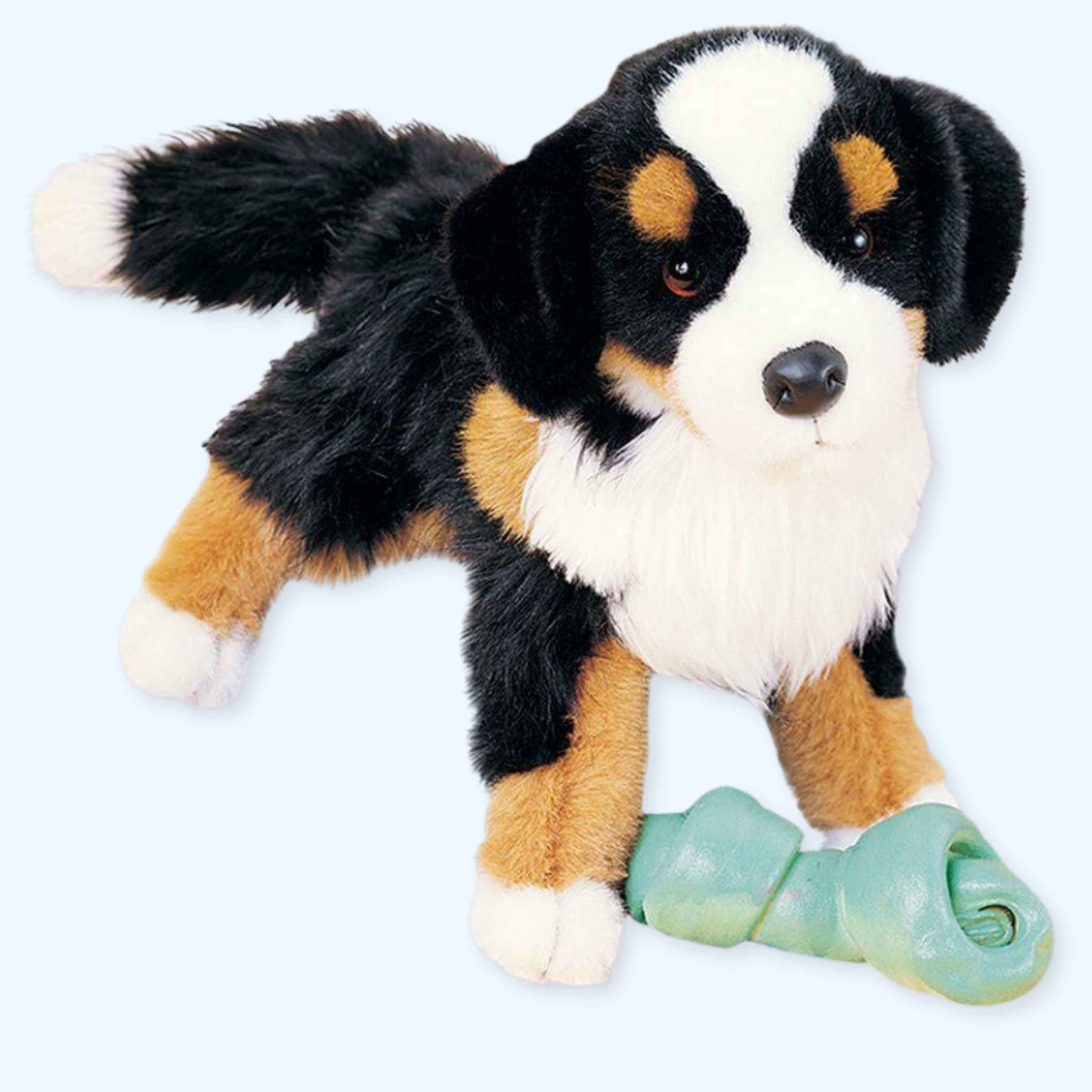
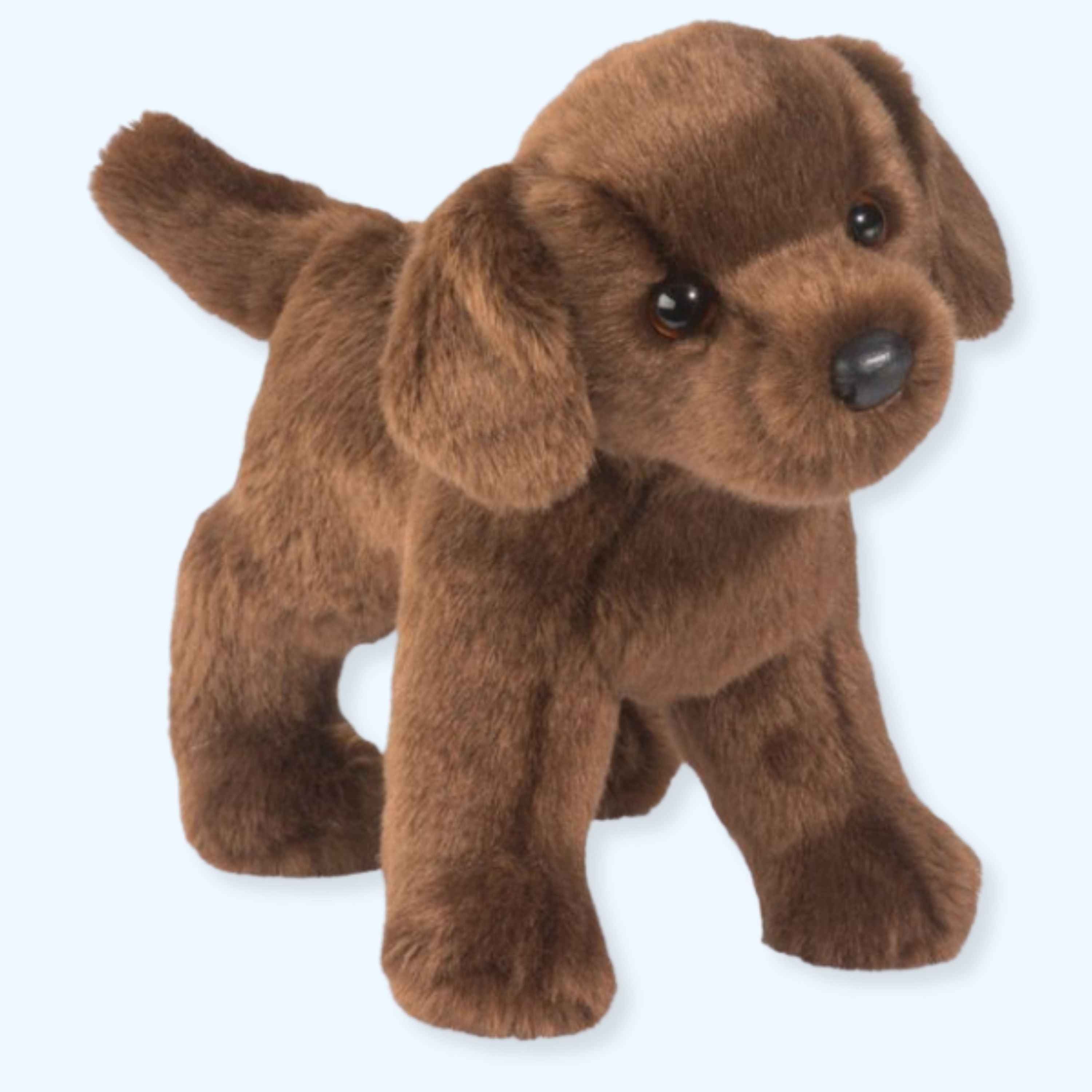
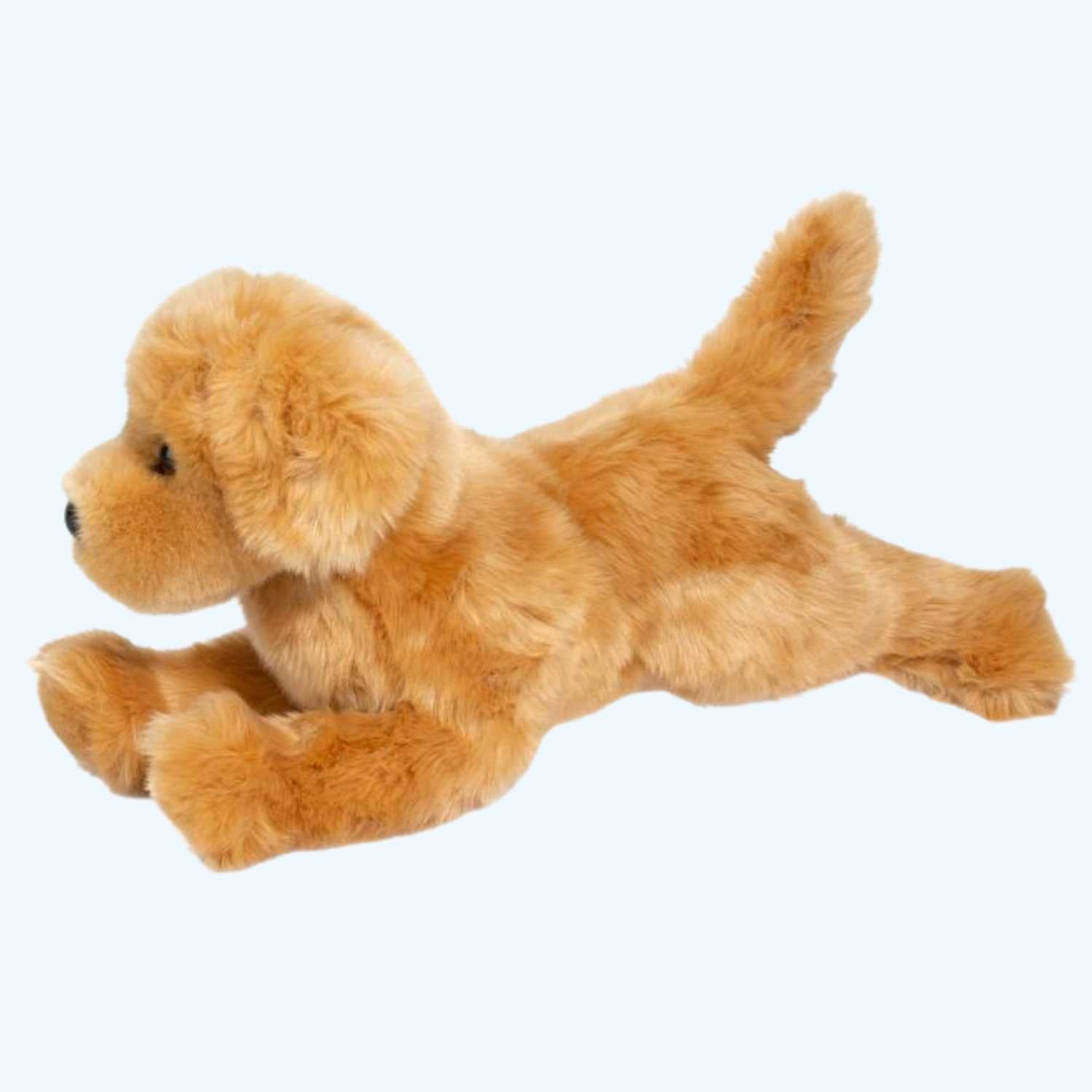
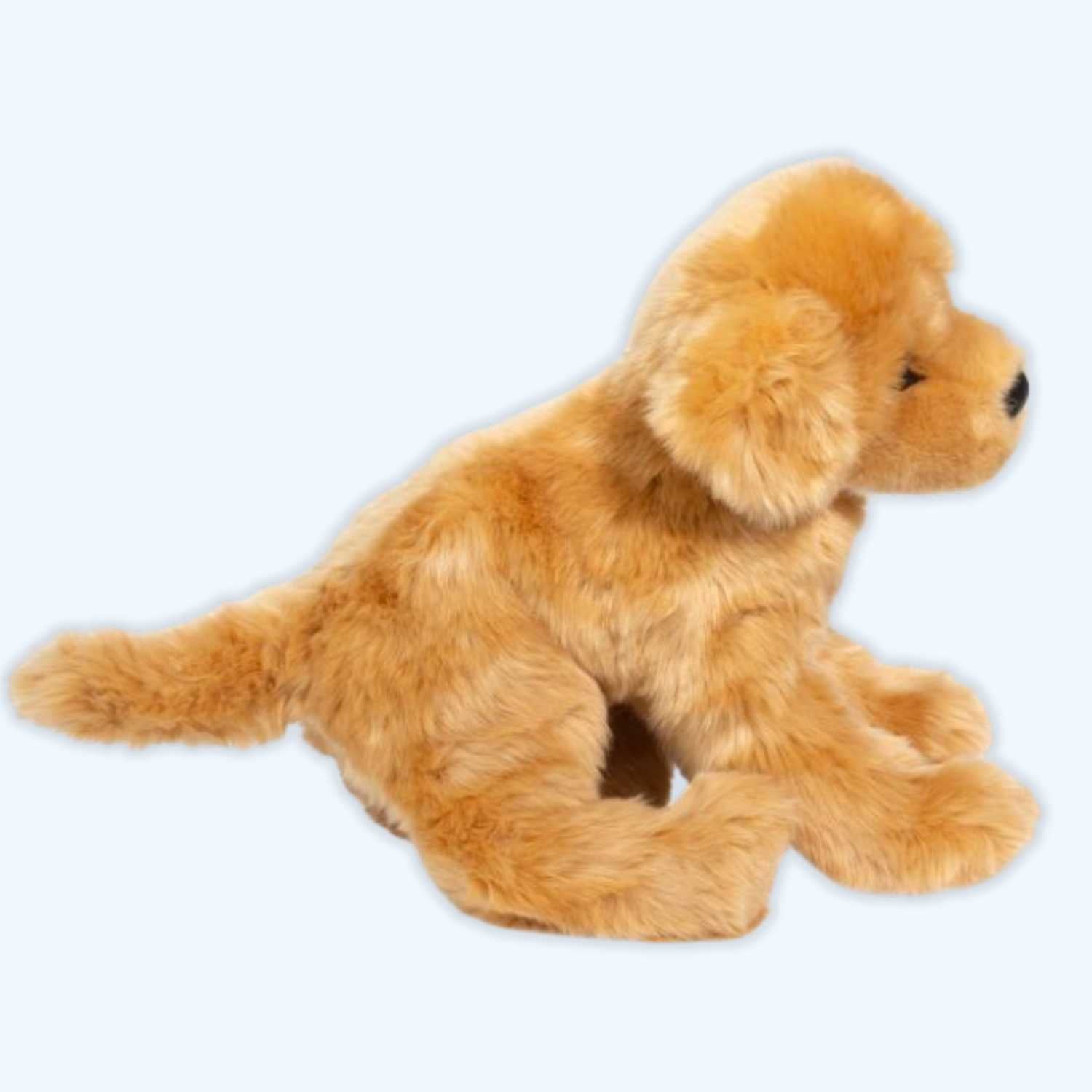
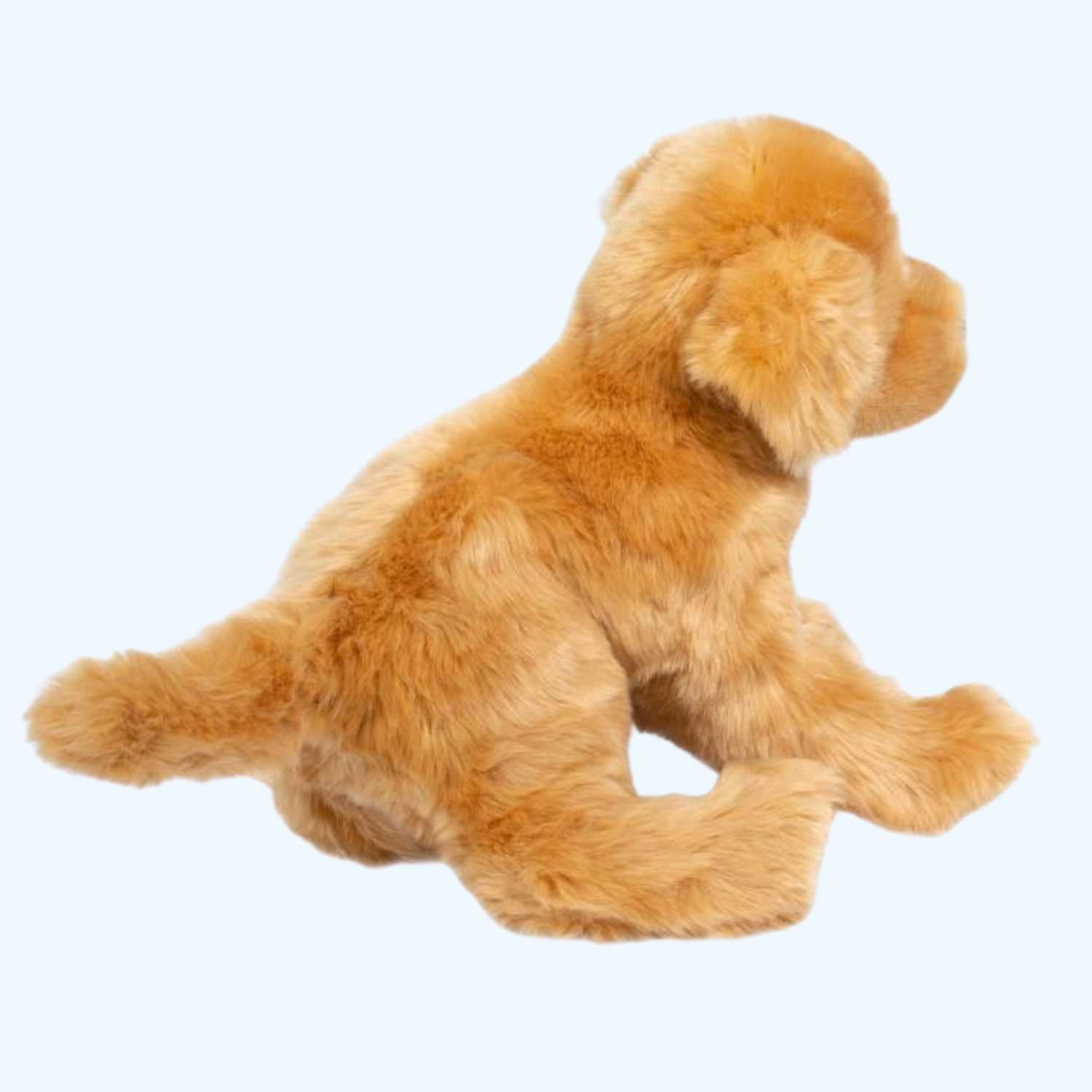
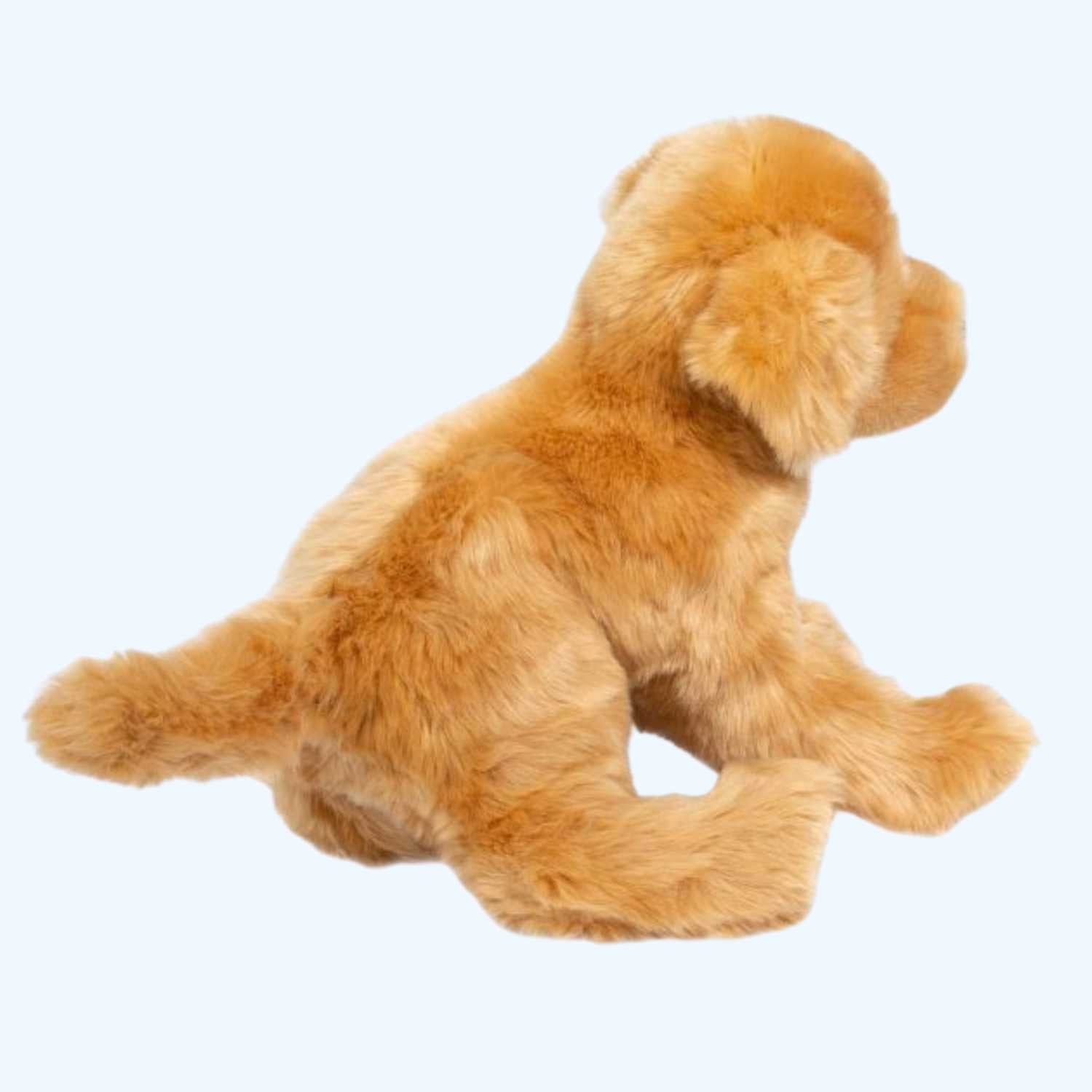
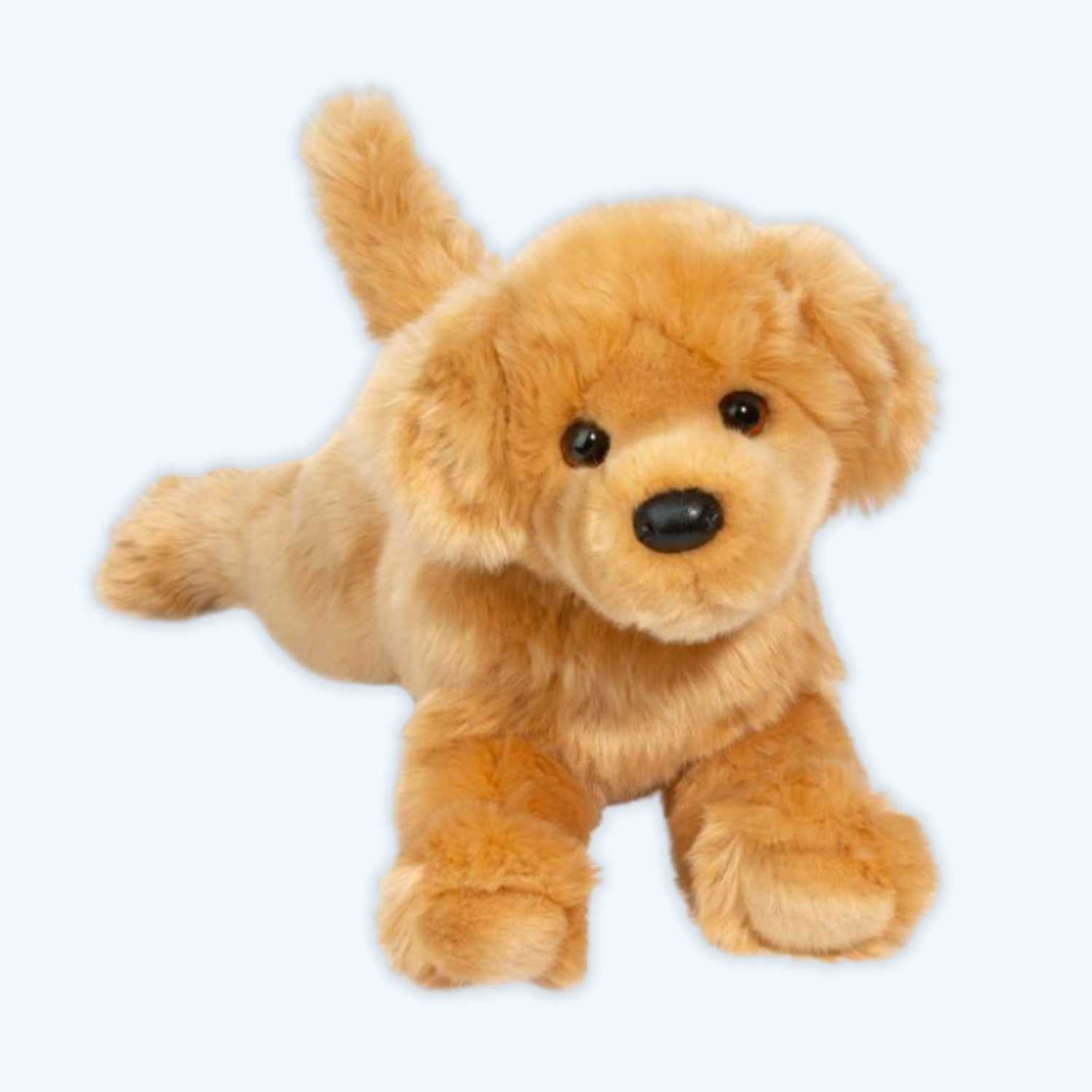
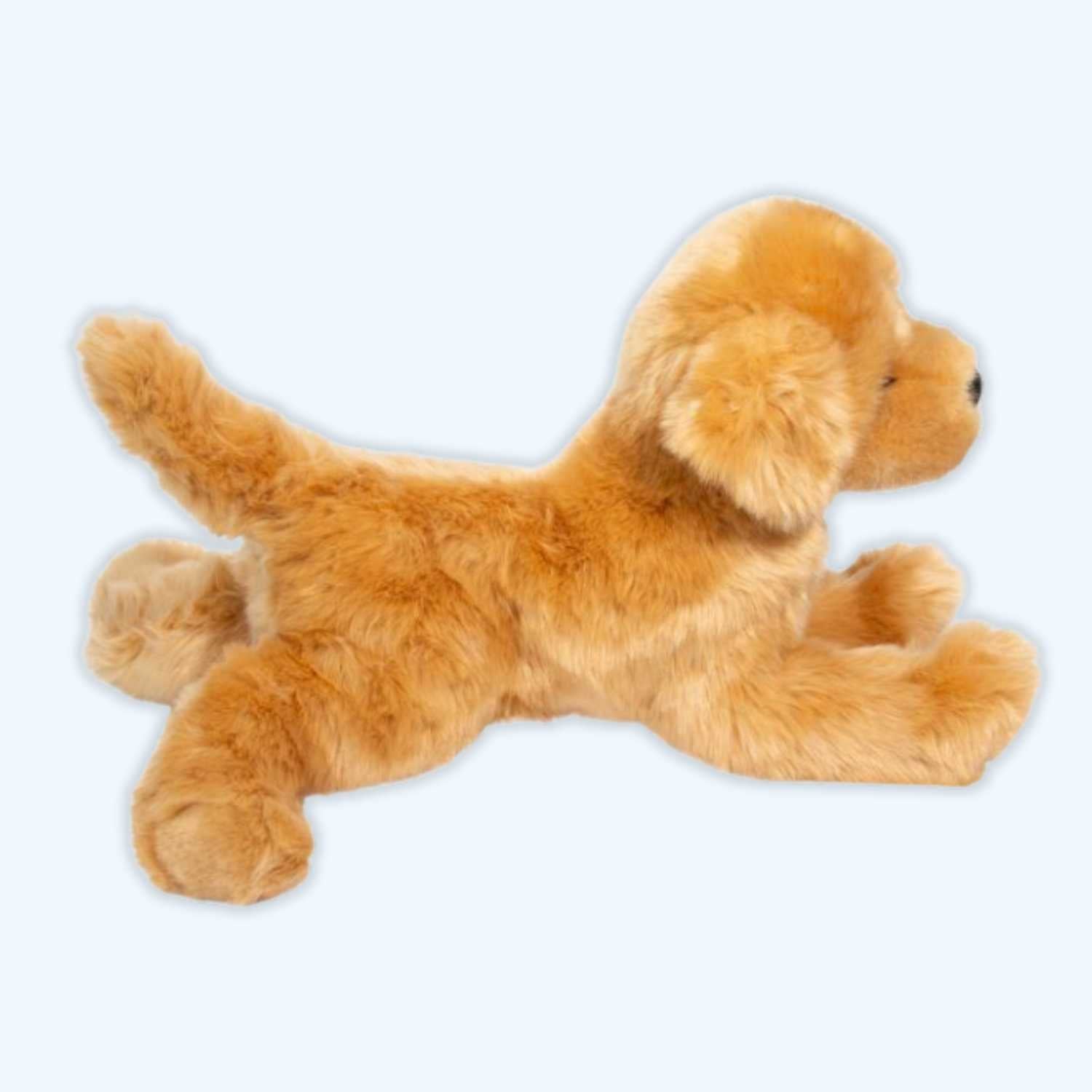
Dogs carry associations with loyalty, friendship, and unconditional love — all things that resonate with anxious children. Floppy ears, soft expressions, and a familiar form make plush puppies feel more like trusted companions than toys.
Calming Wildlife Animals
Gentle Forest Creatures
Rabbits, deer, and other woodland animals tend to have naturally calming associations. Their soft colours and peaceful appearance can help create a sense of quiet — particularly for children who feel drawn to nature.
Ocean Animals
Whales, dolphins, and sea otters have a rounded, gentle quality that many children find soothing. For kids who respond well to aquatic imagery, these can be especially effective companions.
Fantasy and Mythical Creatures
Dragons and Unicorns
Fantasy creatures can be surprisingly powerful emotional support tools. Dragons represent strength and protection; unicorns suggest magic and hope. For children who feel overwhelmed by anxiety, a mythical companion can become a symbol of their own inner resilience.
Friendly Monsters
A gentle monster gives children a way to confront fears in a safe, controlled setting. Befriending a "monster" can quietly build the confidence to face real worries too.
Age-Appropriate Choices for Different Developmental Stages
Children's emotional needs shift as they grow, and the right stuffed animal should reflect where they are developmentally.
Toddlers and Preschoolers (Ages 2–5)
Simple, Sturdy Designs
Young children need toys that can handle rough play and remain safe. No small parts, secure eyes and noses, machine-washable materials. Simple, recognisable animals work best at this stage.
Familiar Animals
Cats, dogs, and farm animals offer comfort through familiarity. Children this age are still learning to identify emotions, and recognisable creatures make it easier to connect with their comfort object.
School-Age Children (Ages 6–10)
More Detailed Features
Children in this range can appreciate more sophisticated designs — realistic details, special accessories, or animals that reflect their specific interests. Their preferences are becoming more defined.
Portable Companions
School-age children often want to bring comfort objects into new situations but may feel self-conscious about anything that looks too "babyish." Smaller, more discreet stuffed animals — or those with a carrying case — can offer comfort while respecting their growing sense of independence.
Tweens and Early Teens (Ages 11–14)
Sophisticated Designs
Older children may prefer stuffed animals that feel more grown-up — realistic wildlife, elegant fantasy creatures, or collectible-quality plush. The emotional support is just as valid; the presentation just needs to match where they are.
Personal Meaning
Teens often connect most strongly with stuffed animals that carry personal significance — a favourite book character, a meaningful animal, or a gift from someone they love.
How to Introduce Stuffed Animals as Emotional Support Tools
A thoughtful introduction makes a real difference to how quickly and deeply a child connects with their comfort animal.
Creating Positive Associations
Let Them Choose
Involve your child in the selection process. Whether you're browsing in a shop or exploring options online together, giving them ownership of the decision creates an immediate sense of connection.
Name It, Build Its Personality
Encourage your child to name their companion and develop its character. This process deepens the bond and makes the stuffed animal feel genuinely present and supportive — not just an object.
Establishing Comfort Routines
Bedtime Rituals
Bringing the stuffed animal into bedtime routines gives it a natural role during moments that can be anxious for children — fear of the dark, separation from parents, or simply the quiet of night.
Practise Using It
Help your child identify when they might reach for their comfort animal, and role-play scenarios like the first day of school or a doctor's visit. Practising in advance makes it easier to use in the moment.
Supporting Long-Term Use
Respect the Relationship
Don't dismiss or minimise your child's attachment. It serves a real developmental purpose and deserves to be treated as such.
Allow Natural Transitions
As children grow, they often rely less on comfort objects on their own. Support that shift gently, while making sure they know their companion is still there when they need it.
Caring for Comfort Animals to Maintain Their Therapeutic Value
Good care keeps a stuffed animal doing its job well throughout your child's life.
Hygiene and Maintenance
Gentle, Infrequent Washing
Many children find their companion's familiar scent soothing, so washing too often can actually reduce its comfort value. A gentle, occasional clean tends to work better than frequent laundering.
Prompt Repairs
Small tears or loose seams should be fixed quickly before they worsen. Involving children in simple repairs can actually strengthen their bond with the toy.
Replacement Considerations
Keep a Backup
For heavily relied-upon comfort animals, a spare is worth having. Some parents buy an identical toy to rotate or keep in reserve for emergencies.
Transitioning Thoughtfully
If a beloved stuffed animal becomes too worn to be safe or hygienic, help your child move to a new companion gradually — acknowledging what the original meant to them rather than simply replacing it.
Supporting Your Child's Emotional Development Beyond Stuffed Animals
Stuffed animals work best as part of a broader approach to emotional wellbeing, not as a standalone solution.
Know When to Seek Professional Support
Stuffed animals complement professional help — they don't replace it. If your child's anxiety is significant or persistent, therapy, counselling, or medical support should be part of the picture.
Build a Wider Toolkit
Help your child develop multiple coping strategies: deep breathing, mindfulness, physical activity, creative expression. A stuffed animal can be one valuable tool among many.
Keep Communication Open
When children feel genuinely heard within the family, their stuffed animal becomes an additional source of comfort rather than their only one. Regular, open conversations about emotions and anxiety make a meaningful difference.
Conclusion
Stuffed animals offer children something genuinely valuable — immediate comfort, a sense of security, and a quiet space to process difficult emotions. The right companion, chosen thoughtfully, can support emotional regulation while helping children build confidence in their own ability to cope.
Every child's relationship with a comfort object is different. Some form a deep bond with one particular toy; others move between several. Both are completely normal, and both can be beneficial when they provide real support.
The goal isn't to remove all anxiety from childhood — some worry is a natural part of growing up. What stuffed animals do is help children feel capable of handling hard emotions, building a foundation for resilience that lasts well beyond childhood.
Whether your child is drawn to a classic teddy bear, a loyal plush puppy, or a magical unicorn, the right comfort animal can become a genuine ally in their emotional life. By understanding what makes these relationships so powerful — and supporting them with care — you're giving your child something that matters.
For parents looking for high-quality plush companions built to last, explore the curated collection at essauk.com, where you'll find premium Douglas® brand stuffed animals designed to become cherished emotional support companions for children of all ages.