Classic Bedtime Stories to Read Aloud
Seven classic bedtime stories to read aloud are The Tale of Peter Rabbit, The Velveteen Rabbit, Goldilocks and the Three Bears, The Tortoise and the Hare, The Owl and the Pussy-cat, The Elves and the Shoemaker and The Wind in the Willows. Each is short enough for one sitting (or one chapter), full of voices to play with, and old enough that the original text is out of copyright in the UK.
What makes a story good to read aloud
Stories that were meant to be told have rhythm, repetition and characters you can give a voice to – porridge that is too hot, too cold, then just right. Children love joining in with lines they know, and the repetition gives them a part to play. A single tale or a single chapter also gives you a natural place to stop.
Seven classics to read aloud
1. The Tale of Peter Rabbit – Beatrix Potter (1902)
Peter ignores his mother's warning, squeezes under the gate into Mr McGregor's garden and eats his fill – until the gardener spots him. The chase that follows costs him his jacket and shoes. The language is precise and a little old-fashioned, which children enjoy hearing out loud. A soft rabbit such as Ramsey the DLux bunny makes a fine audience.
2. The Velveteen Rabbit – Margery Williams (1922)
A stuffed rabbit wants to know what it means to be Real, and the old Skin Horse in the nursery explains that toys become Real when a child loves them for years, not just plays with them. Anyone who owns a well-loved soft toy will recognise it. The middle of the story takes a sad turn before the ending, so read it yourself first and choose the right evening.
3. Goldilocks and the Three Bears (folk tale)
A girl lets herself into the bears' empty cottage and tries their porridge, their chairs and their beds. The pattern of threes makes it ideal for joining in. A fact for grown-ups: in the first published version, printed by Robert Southey in 1837, the intruder was an old woman. The golden-haired girl arrived later.
4. The Tortoise and the Hare – Aesop
The boastful hare is so sure of winning that he stops for a nap halfway; the tortoise keeps plodding and crosses the line first. It takes about two minutes to read, which makes it a good extra when one story isn't quite enough. Afterwards, ask: who would you rather be?
5. The Owl and the Pussy-cat – Edward Lear (1871)
Strictly a poem, but it tells a whole story: an owl and a cat sail off in a pea-green boat, buy a ring from a pig and dance on the sand by moonlight. Act it out with an owl and a cat – Einstein the Great Horned Owl and one of our Douglas® cats are ready to set sail.
6. The Elves and the Shoemaker – Brothers Grimm (1812)
A poor shoemaker leaves cut leather on his bench at night and finds finished shoes in the morning. He and his wife stay up to see who is helping them, then decide to make their tiny helpers a gift in return. A gentle tale about kindness going both ways.
7. The Wind in the Willows – Kenneth Grahame (1908)
For older listeners, one chapter a night. Mole abandons his spring-cleaning to join Ratty on the river, and soon meets wise Badger and the reckless Mr Toad, whose passion for motor cars gets him into serious trouble. Some chapters are long, so split them where it suits you.
Finding free, out-of-copyright versions
In the UK, copyright in a written work generally lasts until 70 years after the author's death (gov.uk explains the rules). Beatrix Potter died in 1943, Margery Williams in 1944, Kenneth Grahame in 1932 and Edward Lear in 1888, so their original texts are now free to use, as are the old fables and fairy tales. That is why the original words are easy to find free online.
One catch: newer illustrations, translations and retellings can carry their own copyright. The text of The Wind in the Willows is free, for example, but E. H. Shepard's well-known pictures for it are not, because he died in 1976.
Read-aloud tips
- Give each character a voice. It doesn't need to be good – a squeaky mouse and a growly bear are plenty.
- Pause before the big moment: just before the bears find Goldilocks, or before the hare wakes up.
- Leave gaps to fill. "And that porridge was just…" – let your child shout the last word.
- Keep the same spot. A regular story corner makes the routine easy to keep; here are ideas for a cosy reading corner.
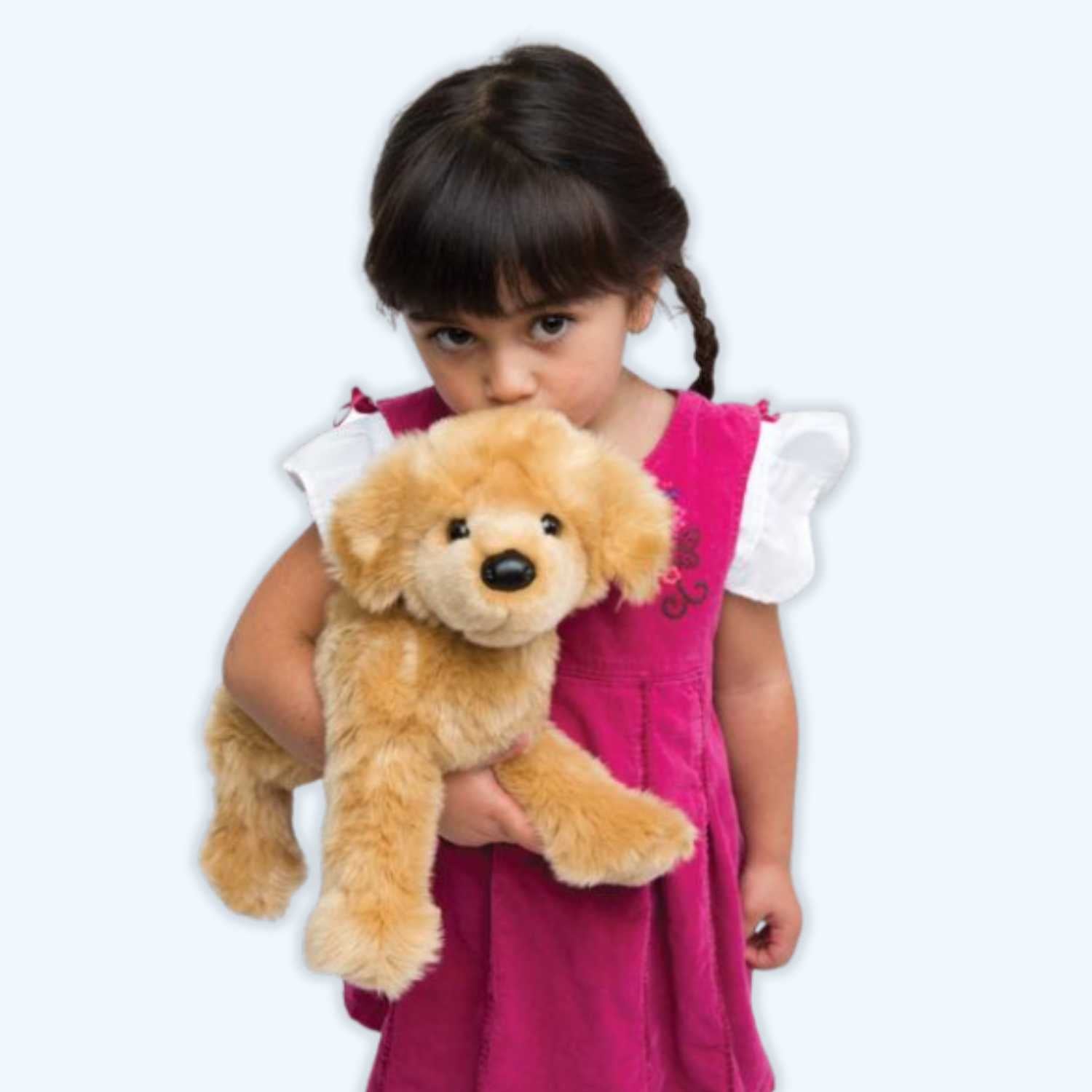
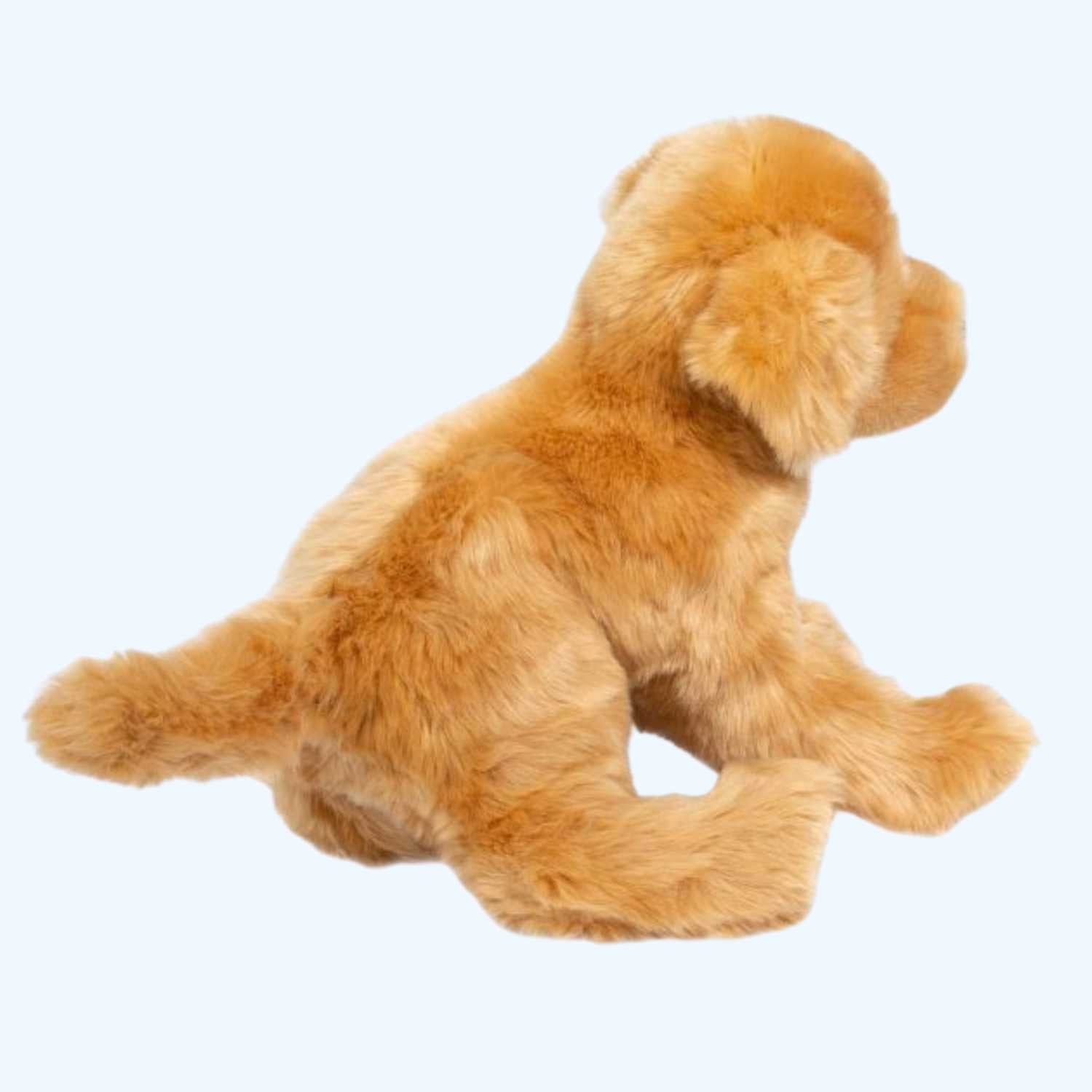
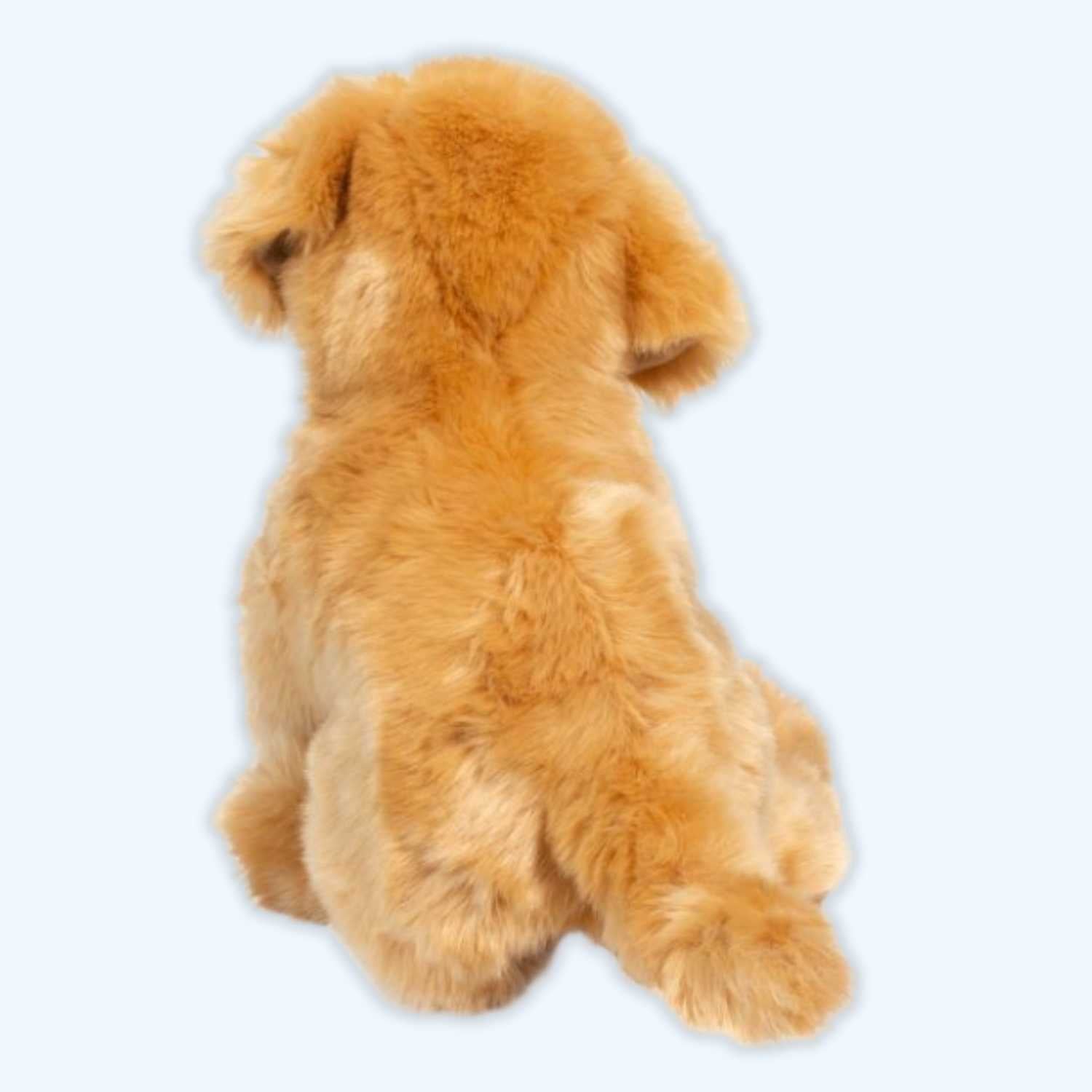
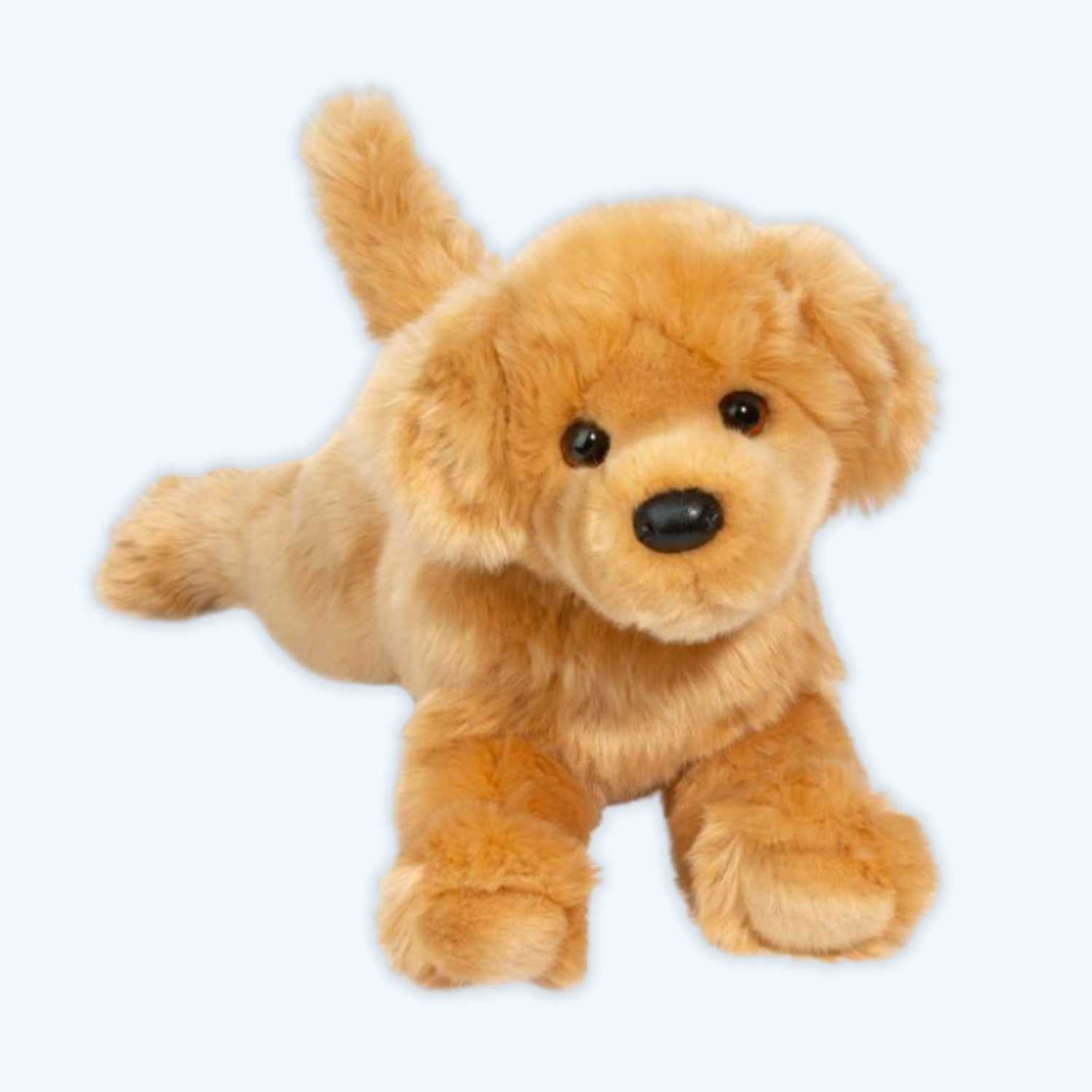
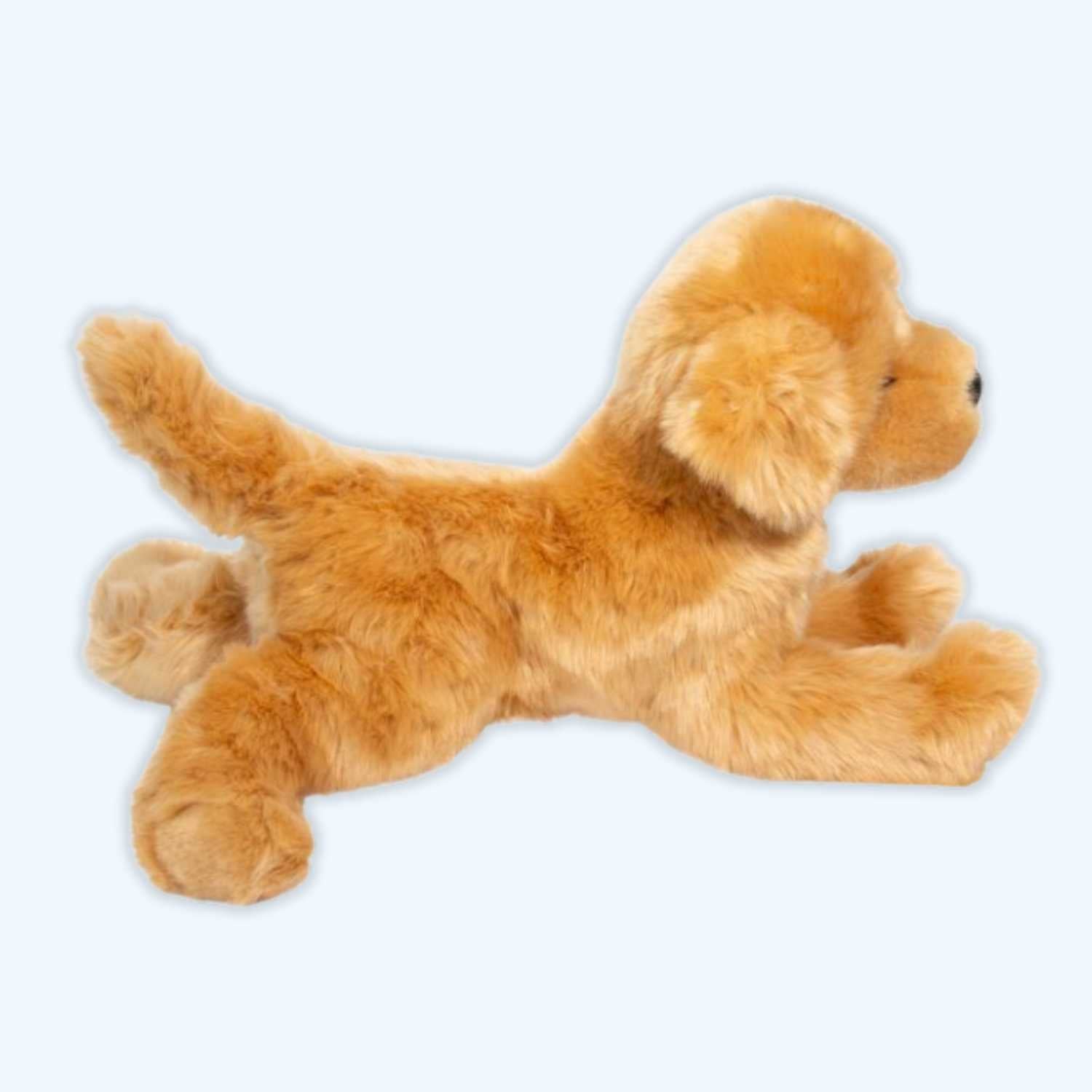
- Bring an audience. As children start reading themselves, a soft toy is a patient listener to practise on.
Frequently asked questions
Which classic story is best for a young child?
Short, repetitive tales suit two- and three-year-olds best: Goldilocks and the Three Bears and The Tortoise and the Hare are good first picks. Save The Velveteen Rabbit and The Wind in the Willows for older children.
Is The Tale of Peter Rabbit out of copyright?
The original text and Beatrix Potter's own pictures are out of copyright in the UK, as she died in 1943. Newer editions with fresh illustrations may still be protected.
How long should a bedtime story be?
Whatever fits your evening. One short tale or a single chapter is plenty for most families.
Browse wildlife Douglas® soft toys in UK stock to find a new story-time listener.