Are Soft Toys Safe for Babies? What UK Parents Need to Know
The Question Every New Parent Asks
You're standing in the toy aisle, holding a beautifully soft teddy bear, wondering whether it's actually safe for your baby. It's one of the most common concerns new parents have — and a completely reasonable one. Babies explore everything through touch and taste, which means choosing the right soft toy involves more than just picking the cuddliest option on the shelf.
The short answer is yes — soft toys can be safe for babies, but the details matter. Knowing what UK safety standards require, what hazards to watch for, and which features are appropriate at each stage will help you shop with confidence.
Understanding UK Safety Standards for Baby Toys
CE Marking: Your First Safety Checkpoint
Every soft toy sold legally in the UK must carry a UKCA or CE mark. That small symbol shows the manufacturer has declared the product meets UK and European toy safety requirements covering:
- Chemical safety of materials
- Physical and mechanical properties
- Flammability resistance
- Hygiene requirements
This isn't optional — it's a legal requirement. If a soft toy doesn't carry a UKCA or CE mark, don't buy it.
BS EN 71: The Benchmark for Toy Safety
Beyond CE marking, BS EN 71 is the British Standard that sets specific safety requirements across several categories:
BS EN 71-1 (Mechanical and Physical Properties) tests for small parts, sharp edges, and structural integrity — the things most likely to cause choking or injury.
BS EN 71-2 (Flammability) ensures toys won't catch fire easily or burn rapidly if exposed to a small flame.
BS EN 71-3 (Chemical Properties) limits harmful substances including heavy metals, formaldehyde, and other toxic materials.
When shopping for baby soft toys, look for products that explicitly state BS EN 71 compliance alongside CE marking — not just one or the other.
Age Labelling Requirements
Most toys carry the manufacturer's age guidance, and toys that aren't suitable for young children must carry a warning such as "Not suitable for children under 36 months". For baby soft toys, you'll typically see:
- 0+ months — suitable from birth
- 3+ months — features appropriate for developing motor skills
- 6+ months — may include interactive elements safe for babies who can sit
These labels aren't arbitrary. They reflect real developmental milestones and the specific safety considerations that come with each stage.
Age-Specific Safety Guidelines
Newborns to 3 Months
In the first three months, babies have limited motor control and spend most of their time lying down. Safe soft toys for this age should:
- Be larger than 5cm in all dimensions
- Have no detachable parts
- Feature securely sewn seams that won't split under pressure
- Use hypoallergenic, breathable fabrics
- Have no ribbons, buttons, or decorative attachments
At this stage, soft toys are mainly something to look at and touch during supervised, awake time — not interactive play items, and not for the cot.
3 to 6 Months
As babies develop better head control and start reaching for things, their needs shift:
- Toys should still be too large to fit entirely in the mouth
- Lightweight options reduce the risk of injury if dropped
- Washable materials become essential as drooling increases
- Simple textures offer good sensory exploration
Babies this age will mouth anything within reach, so material safety is especially important.
6 to 12 Months
Mobile babies bring new considerations:
- Soft toys become more interactive as babies sit and crawl
- Durability matters more with increasingly vigorous play
- Size requirements remain critical as babies get better at manipulating objects
- Easy-clean materials help keep hygiene manageable
Material Safety: What to Look For and What to Avoid
Safe Materials for Baby Soft Toys
Organic Cotton — soft and breathable, with lower exposure to the pesticides and chemicals used in conventional cotton production.
Bamboo Fibre — soft and moisture-wicking, and a popular choice for babies with sensitive skin.
Recycled Polyester Fill — modern versions meet strict safety standards while maintaining consistent softness and shape.
Natural Wool — when properly processed and certified, wool is a soft, breathable natural option.
Materials to Avoid
Untreated Natural Fibres — raw cotton or wool without proper processing can harbour bacteria or allergens.
PVC-Based Materials — may contain phthalates and other chemicals that aren't safe for developing babies.
Foam Beads — small polystyrene beads are a serious choking hazard if the toy tears.
Uncertified Synthetic Materials — unknown dyes or chemical treatments can cause skin irritation or worse.
Common Hazards and How to Avoid Them
Choking Risks
Choking is the most serious concern with baby soft toys. UK safety standards define small parts as anything that fits through a cylinder 3.17cm in diameter and 5.7cm deep — roughly the size of a young child's fully expanded throat.
Watch out for:
- Loose buttons or plastic eyes
- Detachable clothing or accessories
- Small decorative elements
- Poorly secured embellishments
What helps:
- Inspect toys regularly for wear and loose parts
- Choose toys with embroidered features rather than attached ones
- Replace anything showing signs of deterioration
Suffocation Hazards
Large, soft toys can pose suffocation risks — particularly in sleep spaces.
- Keep soft toys out of the cot during sleep for babies under 12 months
- Choose sizes your baby can easily move away from their face
- Avoid toys with long ribbons or cords
Chemical Exposure
Even CE-marked toys vary in how thoroughly they address chemical safety.
- Wash new toys before first use, following the care label
- Choose manufacturers who are transparent about materials and testing
- Look for additional certification such as OEKO-TEX Standard 100
Choosing Quality Soft Toys: A Practical Guide
What Good Construction Looks Like
Seam Integrity — quality soft toys use double-stitched seams that hold up under normal play. Run your fingers along every seam and check for loose threads or gaps.
Fill Distribution — consistent fill without lumps or thin spots indicates better construction and fewer weak points.
Fabric Quality — good materials feel soft and durable without pilling or rough patches that could irritate delicate skin.
Brand Reputation and Transparency
Established manufacturers typically provide detailed safety information, including specific standard compliance, full material composition, care instructions, and clear age recommendations with reasoning behind them. That level of transparency is worth paying attention to.
Price vs. Safety
Price alone doesn't guarantee safety, but very cheap soft toys often cut corners on materials or manufacturing. Investing in quality from a reputable source generally means better material safety, stronger construction, a longer lifespan, and better value if you're passing toys on to younger siblings.
Maintenance and Hygiene
Cleaning Routines That Work
Baby soft toys need frequent cleaning — they're handled constantly and mouthed regularly.
- Weekly: Surface wipe with baby-safe disinfectant wipes
- Every two weeks: Machine wash on the appropriate cycle using baby-safe detergent, if the care label allows (some soft toys are surface wash only)
- Monthly: Thorough inspection and deep clean, or replacement if needed
Storage
- Keep toys in clean, dry areas away from dust
- Rotate toys regularly to reduce wear and keep things interesting
- Store spares clean and ready to swap in
When to Replace a Toy
Replace soft toys when you notice:
- Loose or missing parts
- Torn seams or holes
- Persistent odours that don't wash out
- Fading or deteriorating fabric
- Any structural damage
Making Informed Purchasing Decisions
Do Your Research
Check manufacturer credentials and look for companies with established safety records. Read product descriptions carefully — quality retailers provide full safety and material information rather than vague reassurances. Make sure CE marking and BS EN 71 compliance are clearly stated, not just implied.
Where to Shop
Buy from established retailers with clear return policies and safety guarantees. Purchasing directly from manufacturers often ensures authenticity and access to the most current safety information. Be cautious with marketplace sellers who can't provide clear safety documentation.
The Bottom Line
Soft toys can absolutely be safe for babies — when chosen carefully and maintained properly. The key is understanding what UK safety standards actually require, knowing how to spot quality, and matching toys to your baby's developmental stage.
Safety doesn't stop at the point of purchase either. Regular inspection, proper cleaning, and timely replacement all matter as your baby grows.
The right soft toy is more than just safe — it's soft, familiar and lovely to hold. Choose well, and it becomes something your baby will reach for again and again.
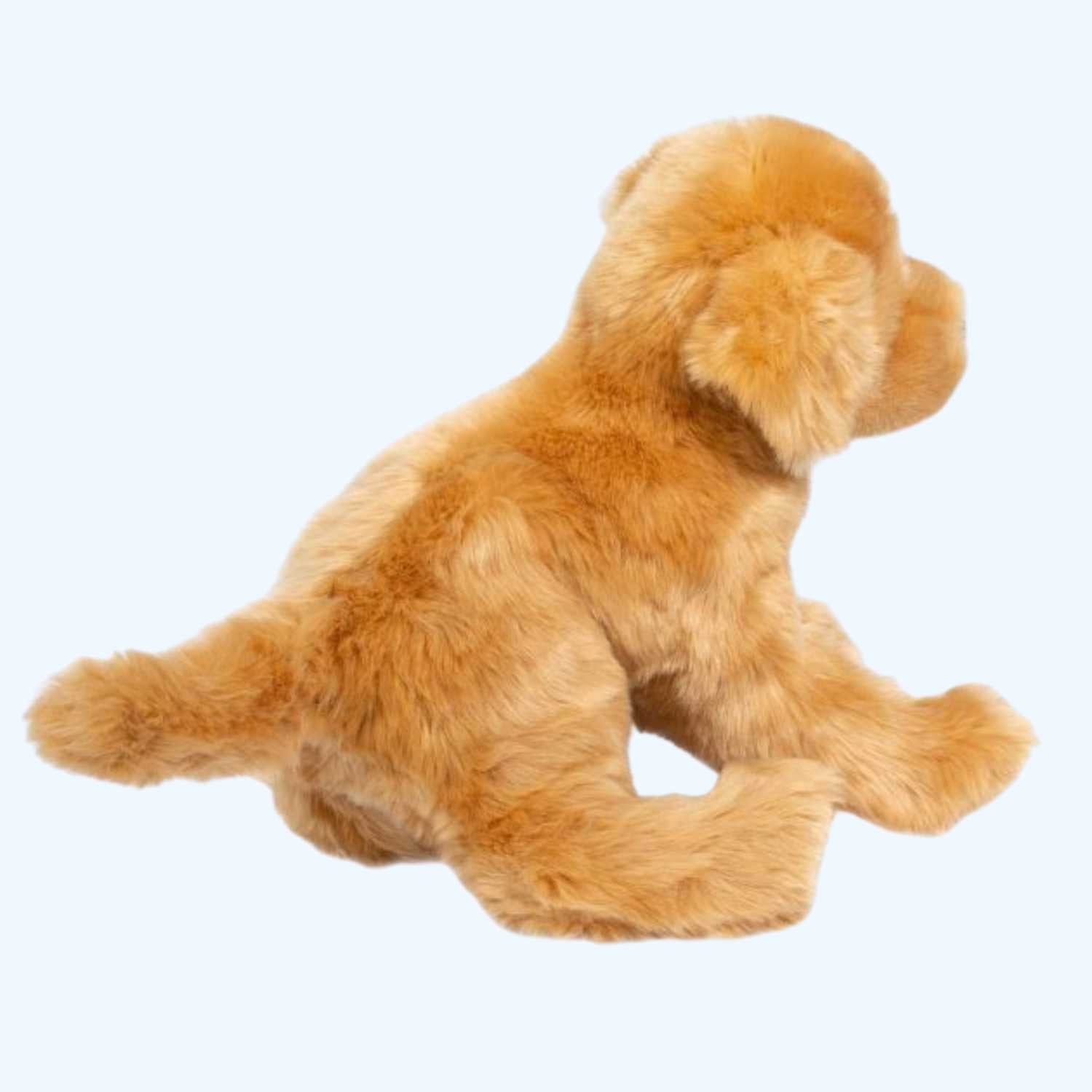
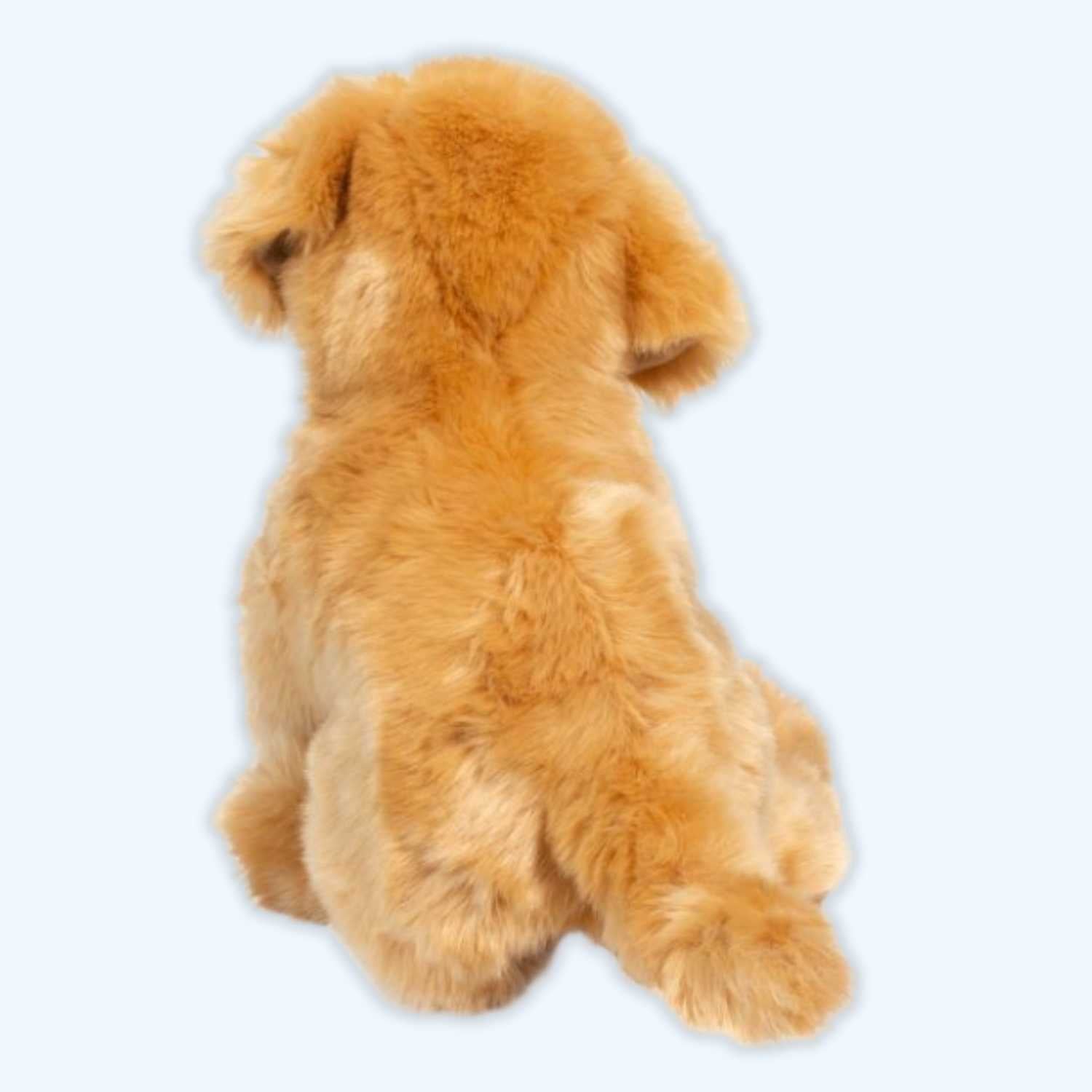
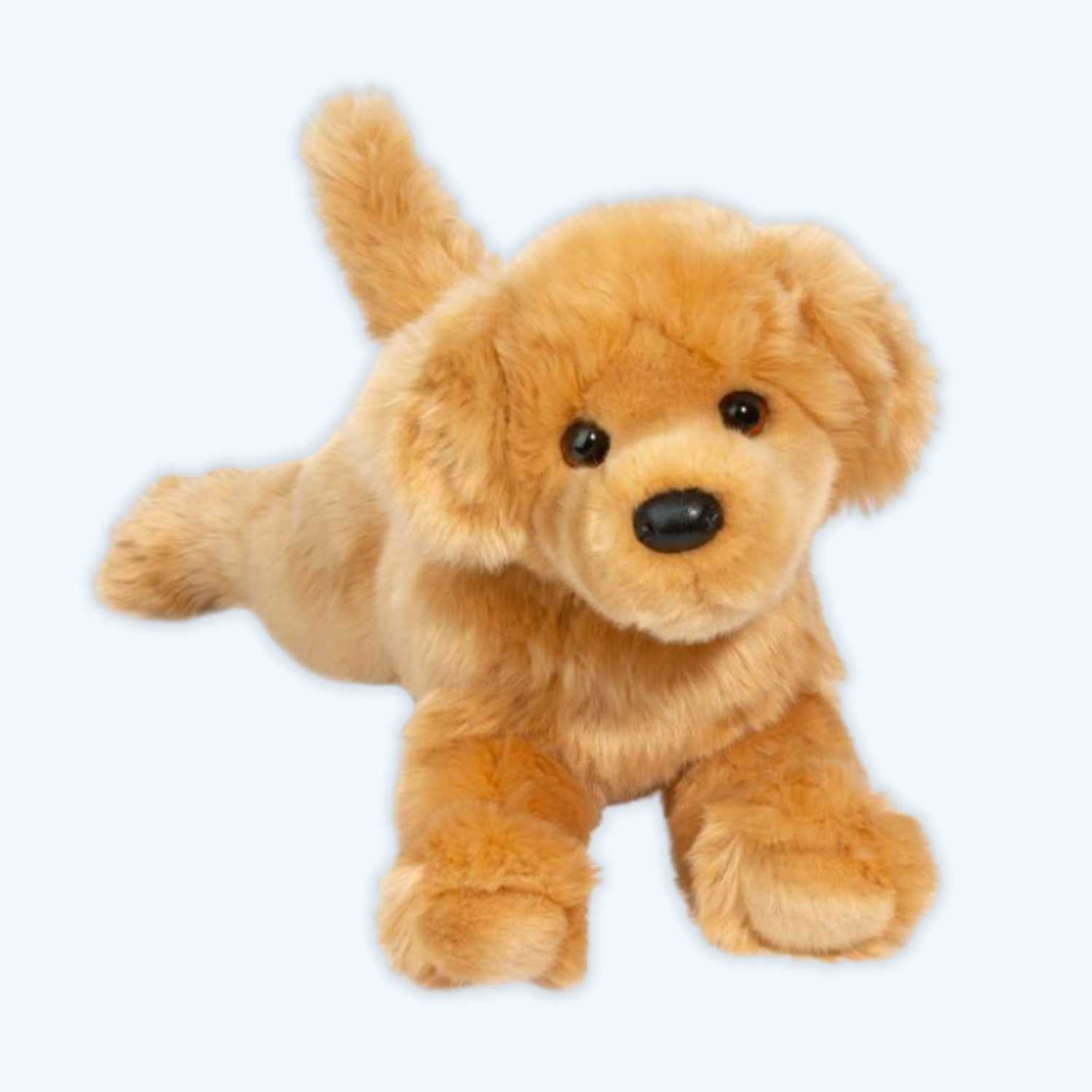
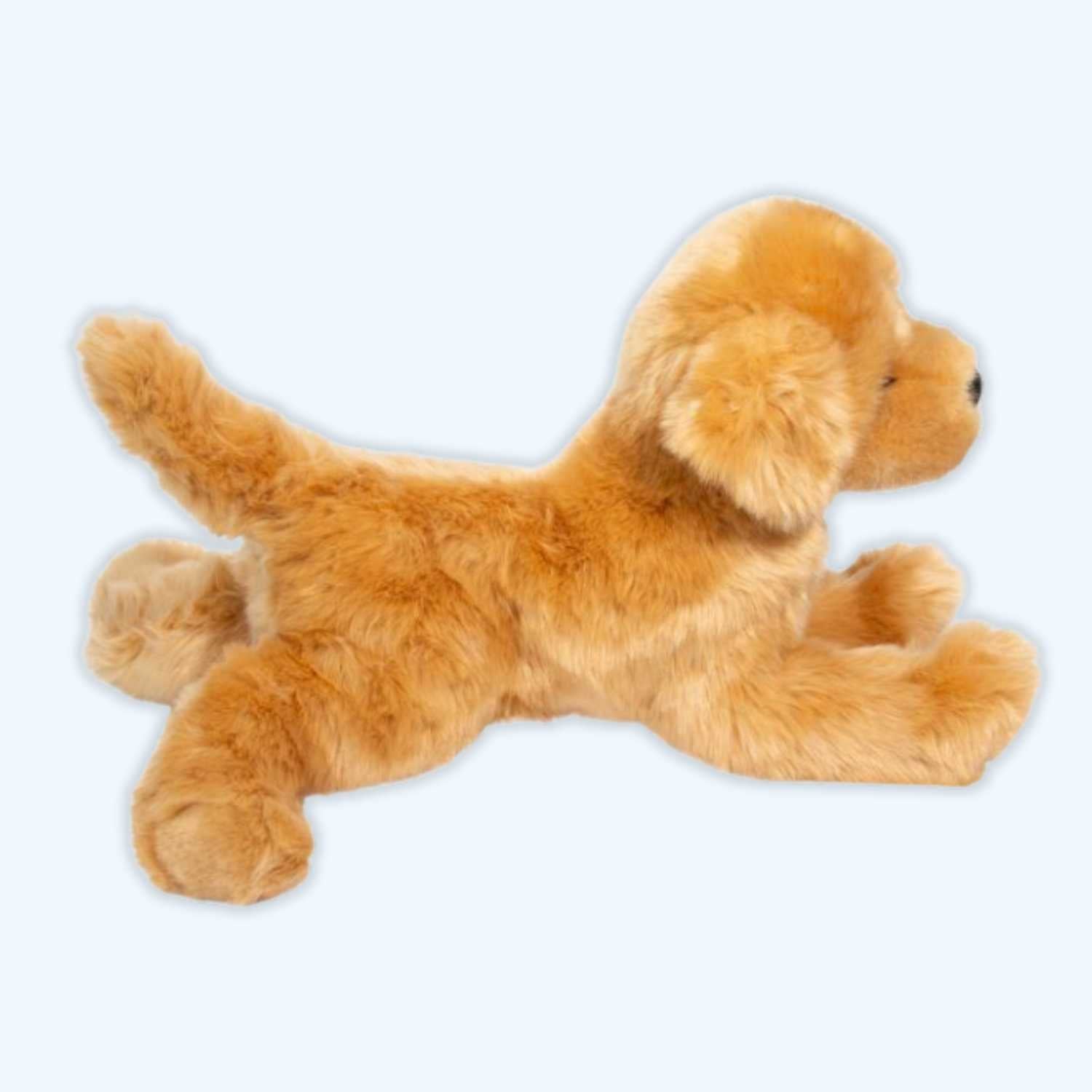
Planning ahead? The authentic Douglas® plush toys at essauk.com are age-graded for children aged 24 months and up, so they're one for when your baby is a toddler. For younger babies, choose a soft toy clearly labelled as suitable for their age.