Article: Best Soft Toys for Babies and Toddlers in the UK 2026
Best Soft Toys for Babies and Toddlers in the UK 2026
Choosing a soft toy for your little one shouldn't be stressful — but between safety standards, age guidelines, and an overwhelming number of options, it's easy to feel lost. The right soft toy is more than something to cuddle at bedtime. It becomes a comfort object, a developmental tool, and often a child's first real companion.
This guide cuts through the noise. We'll walk through what actually matters when it comes to safety, break down the best options by age, and explain what makes a plush toy worth buying — rather than just worth looking at.
Why Soft Toys Matter for Early Development
Soft toys do a lot more for young children than most people realise. A good plush companion can help a child develop empathy as they learn to care for something, support imaginative and role-based play, encourage language development through storytelling, and build fine motor skills through handling and cuddling.
Children who form attachments to comfort objects like soft toys often show better emotional regulation and a stronger sense of independence. The key is choosing toys that are safe, durable, and matched to your child's developmental stage.
Essential Safety Standards for UK Baby Soft Toys
CE Marking and British Standards
All soft toys sold in the UK must carry CE marking, confirming compliance with European safety standards. Look for toys that meet BS EN 71 — the standard covering mechanical and physical properties, flammability, and chemical safety. These requirements ensure toys can handle rough play without breaking apart or releasing harmful substances.
Age-Appropriate Safety Features
For babies under 12 months:
- No small parts that could pose a choking hazard
- Securely attached eyes, noses, and any decorative elements
- Washable materials
- No ribbons, strings, or loose threads longer than 30cm
For toddlers 12–36 months:
- Reinforced seams built for more intense play
- Non-toxic, hypoallergenic materials
- A size that's easy for small hands to grip
- Construction that holds up after repeated washing
Material Considerations
Good soft toys use high-quality polyester fiberfill that keeps its shape and softness through regular washing. Avoid anything with loose stuffing that could become a hazard if the toy tears. Organic cotton is a great choice for babies with sensitive skin, while synthetic materials tend to be more durable and easier to maintain.
Best Soft Toys by Age Group
Babies (0–12 months)
Keep it simple
Newborns benefit most from soft toys with minimal features — smooth construction, few decorative elements, varied textures for tactile exploration, and a lightweight design that's easy to hold.
Sensory development
At this stage, texture, gentle sounds, and high-contrast colours are what actually engage a young baby. Steer clear of anything with loud noises or busy features — they tend to overwhelm more than they delight at this age.
Washability is non-negotiable
Babies put everything in their mouths, so a toy that can't handle the washing machine isn't really practical. Look for something that comes out of a regular cycle still looking and feeling the same as when it went in.
Toddlers (12–36 months)
Encouraging active play
Toddlers need toys that spark imagination and support role play. Look for familiar animal shapes, moveable limbs, and designs that invite nurturing play — feeding, carrying, putting to bed.
Built to last
Toddler play is rough. Reinforced seams, quality stitching, and resilient materials are essential. A toy that falls apart after a few weeks isn't just disappointing — it can become a safety issue.
Getting the size right
Toddlers can handle larger toys comfortably, but there's a sweet spot. The ideal size is easy to hug and carry around without being cumbersome.
Top Categories of Soft Toys for Young Children
Classic Teddy Bears
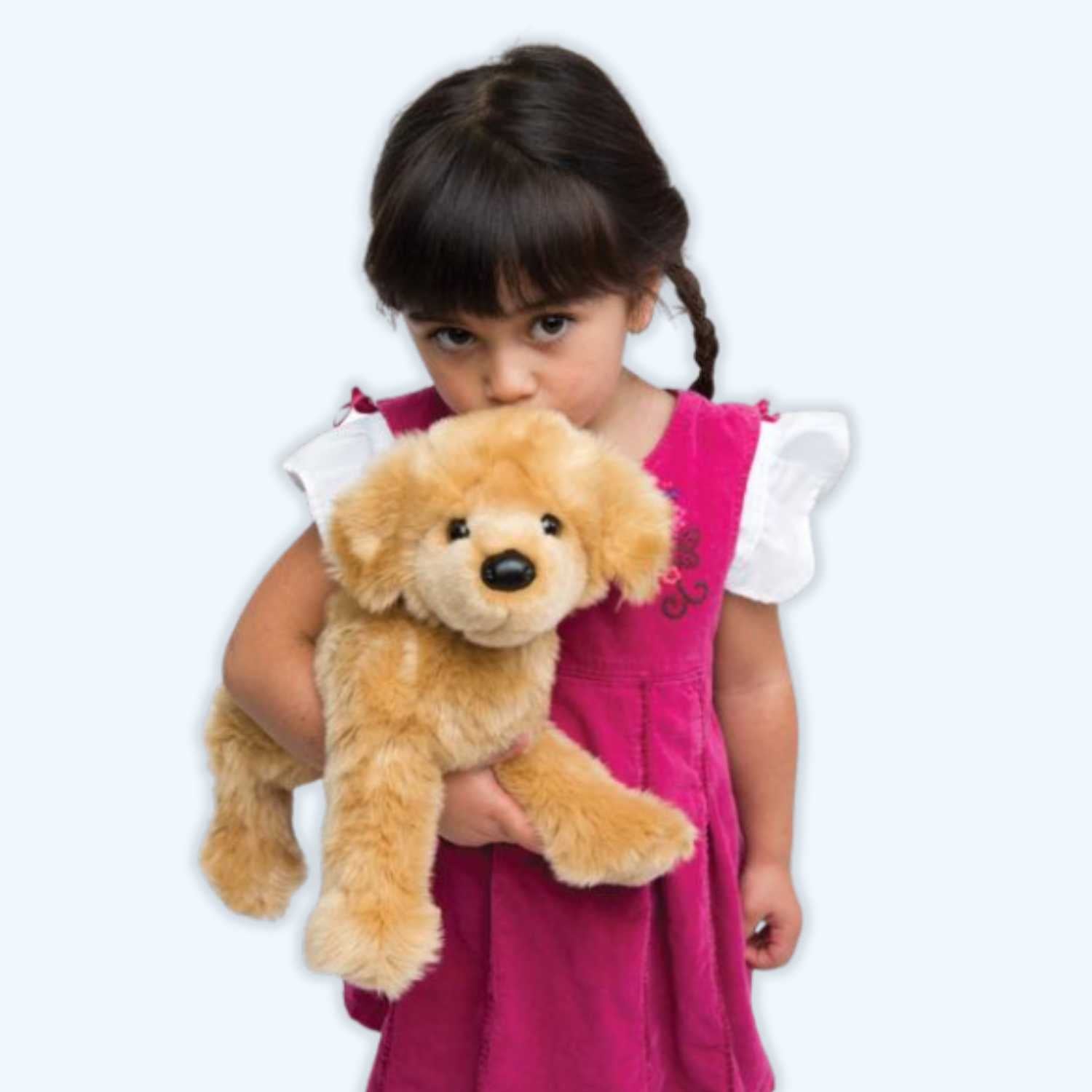
There's a reason teddy bears have been a staple for generations. Their familiar shape, huggable proportions, and timeless appeal make them ideal first companions. The best ones feature soft plush fur, friendly expressions, sturdy construction, and traditional jointed limbs.
On fur length: shorter pile fabrics are generally easier to clean and less likely to shed, while longer pile gives a more luxurious feel. Honestly, it mostly comes down to what your child takes to.
Animal Plush Toys
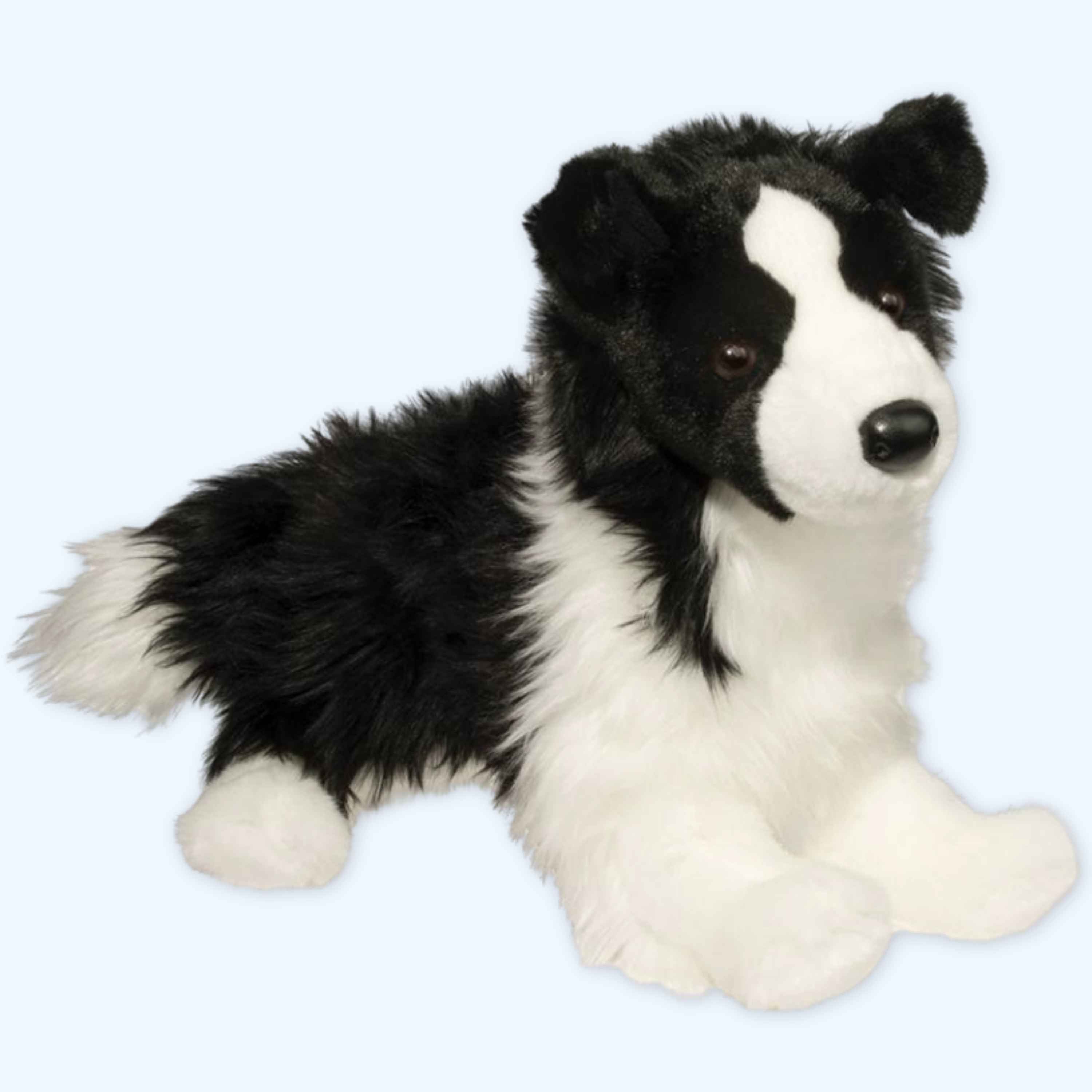
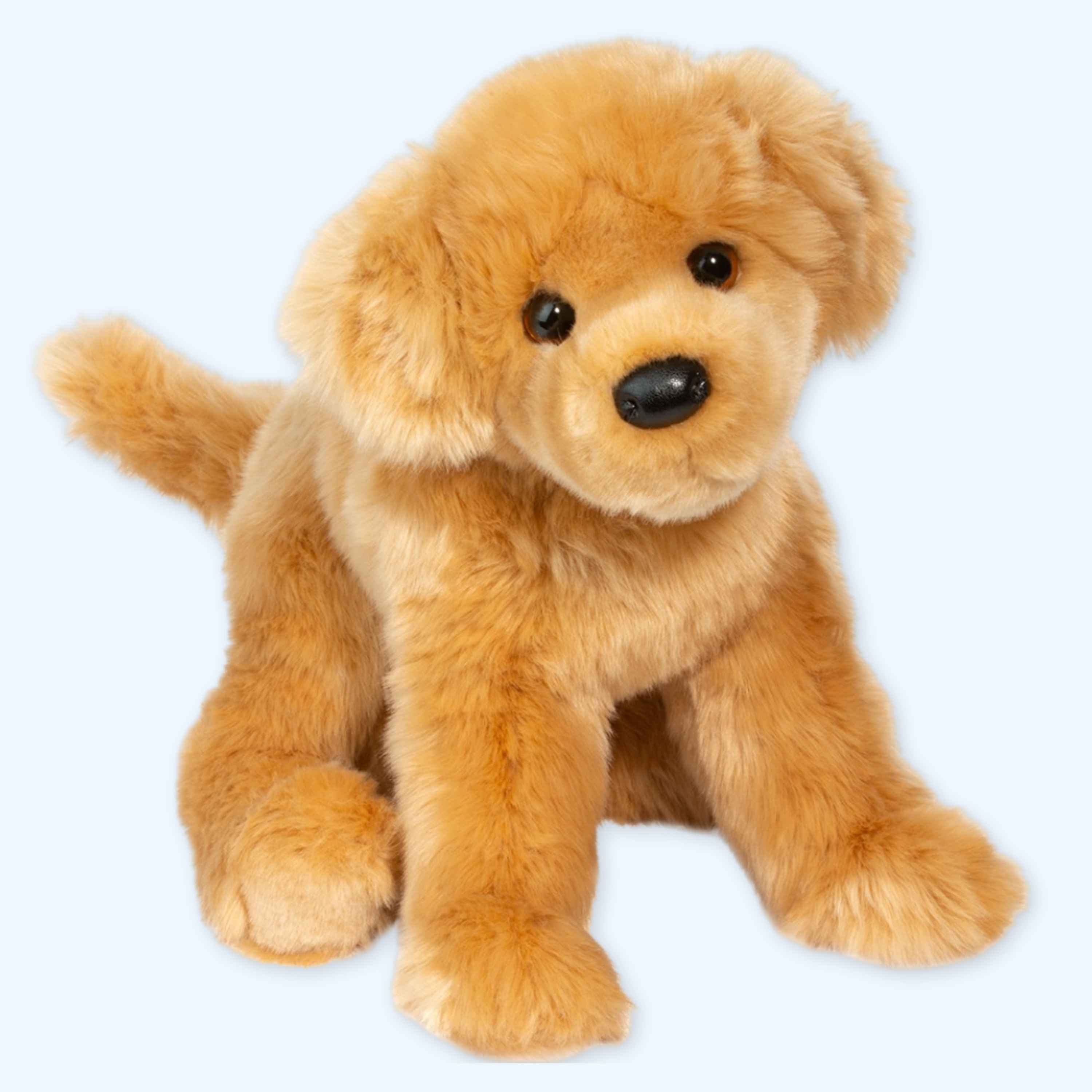
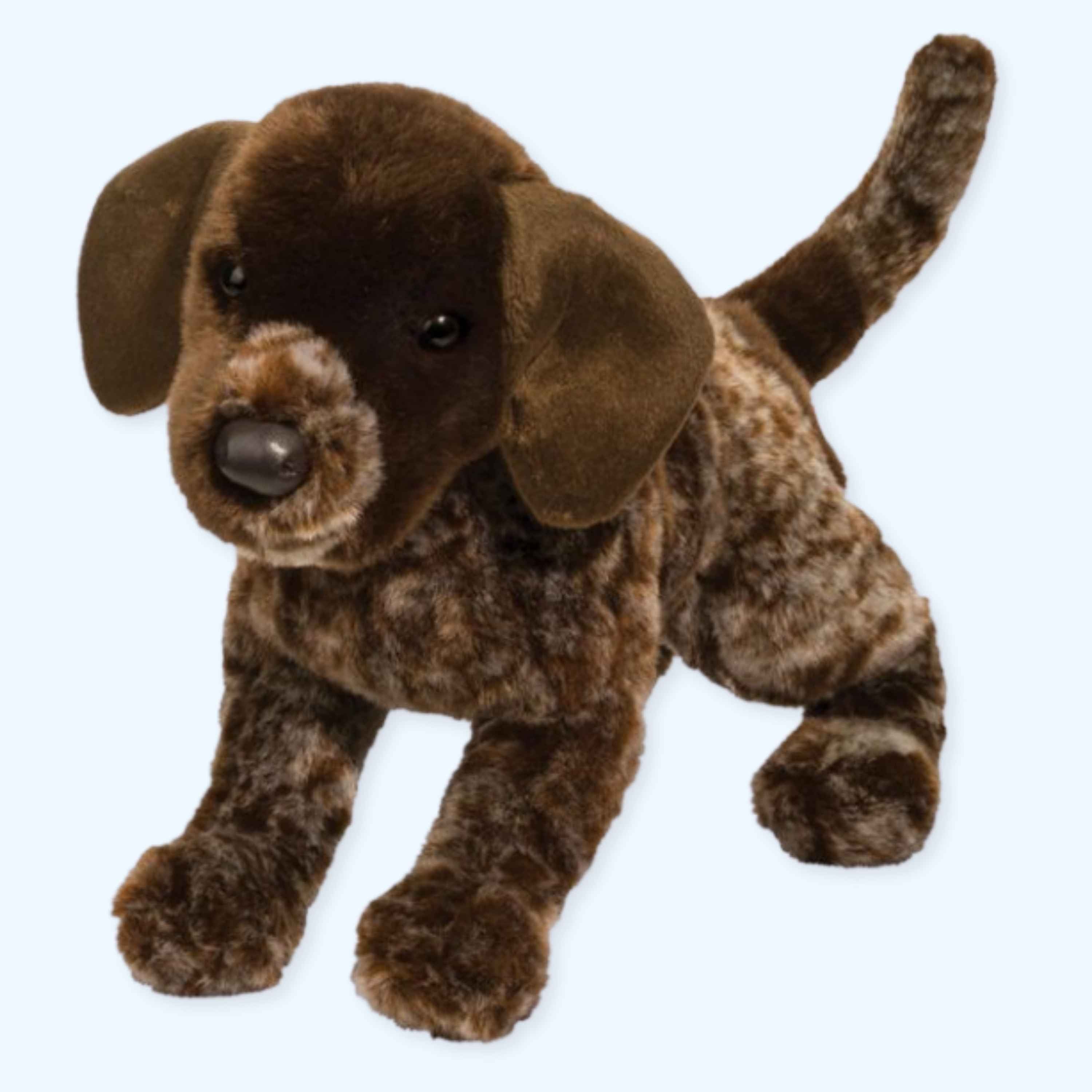
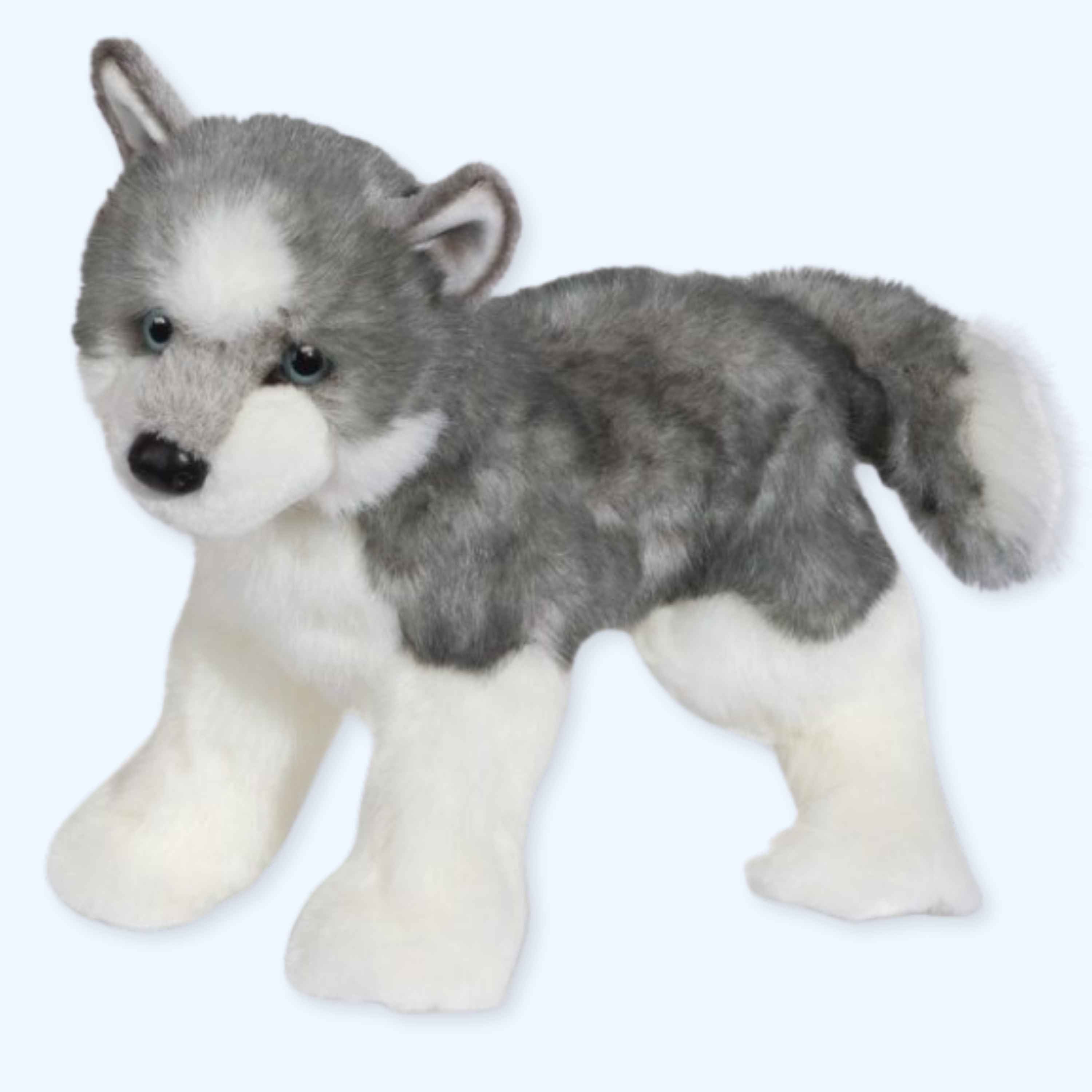
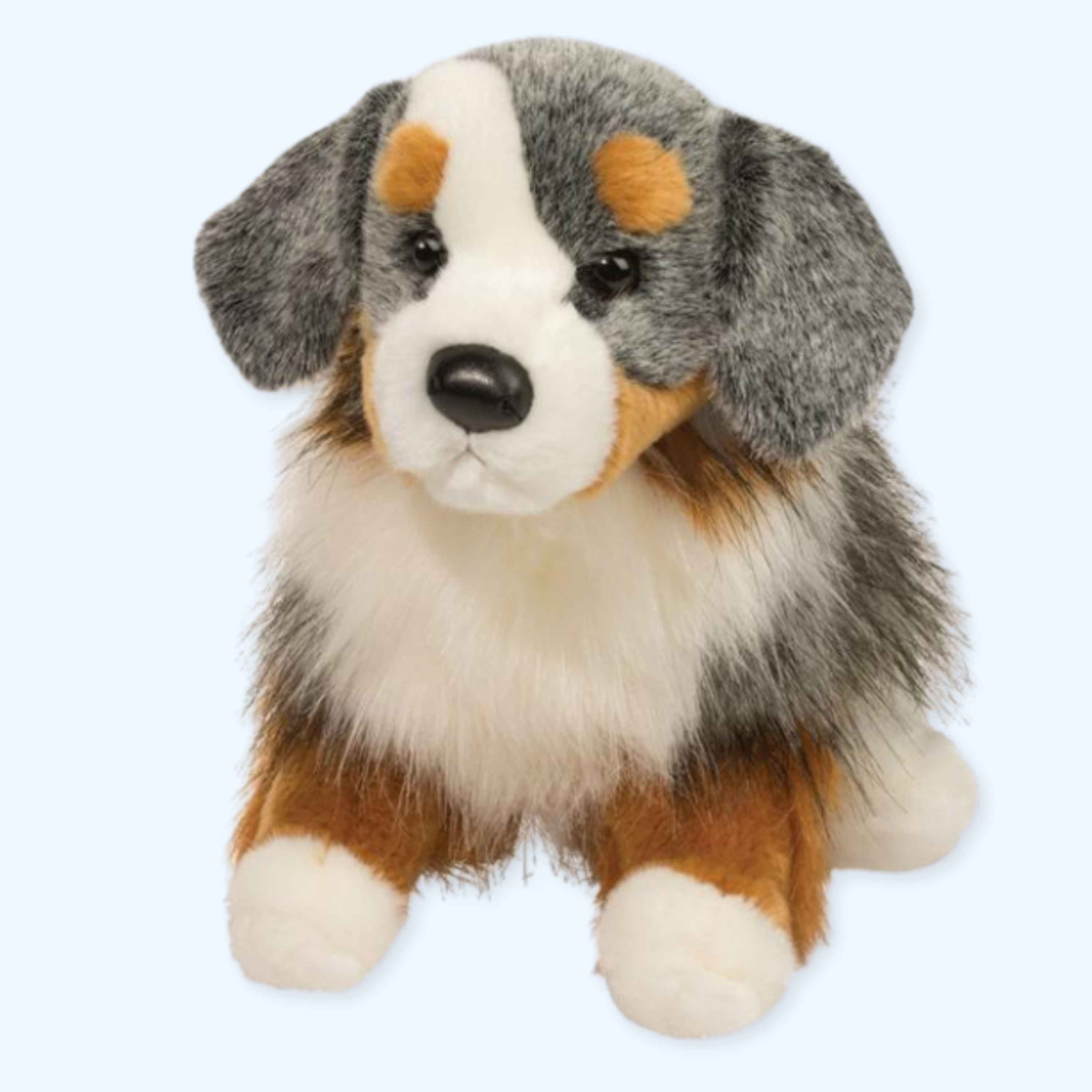
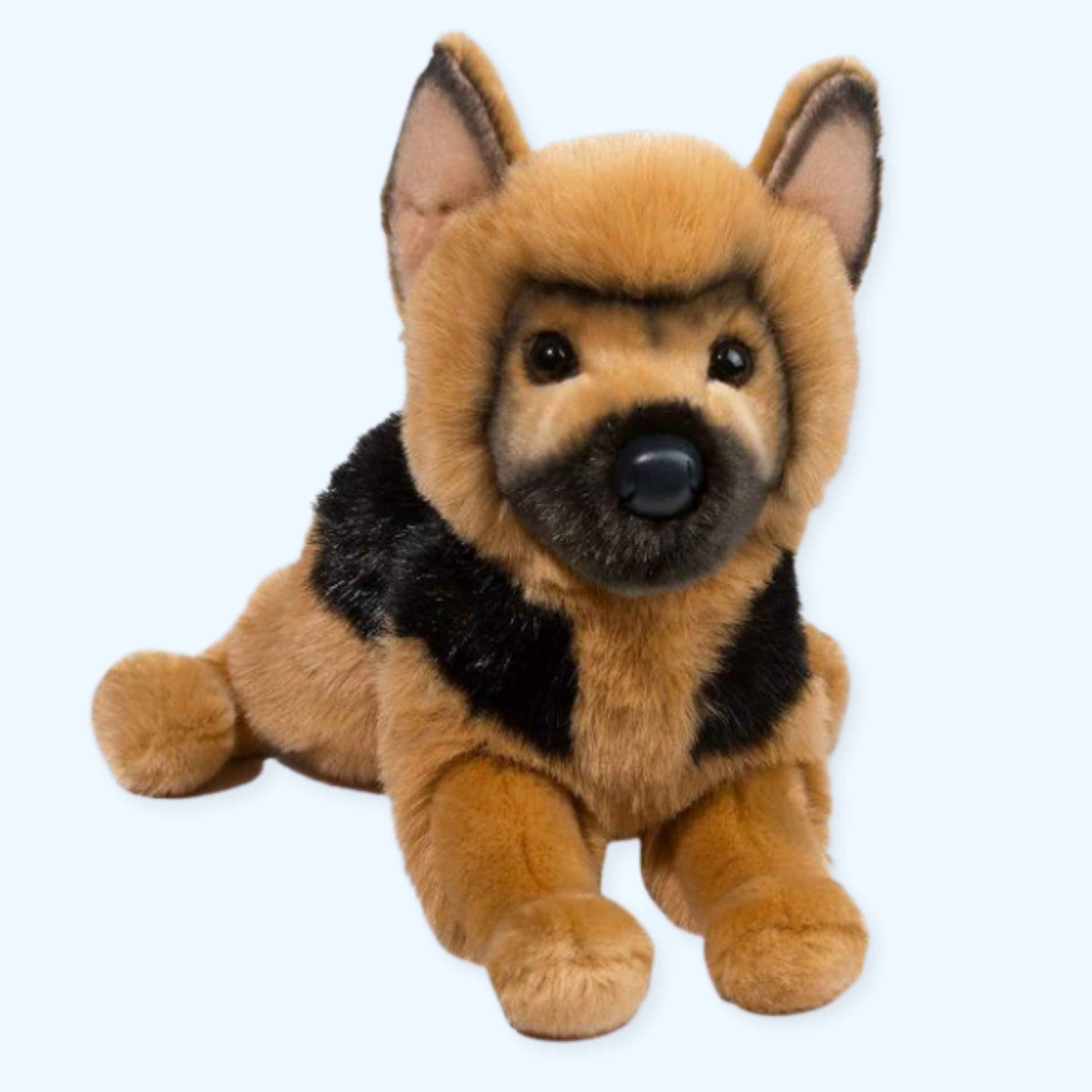
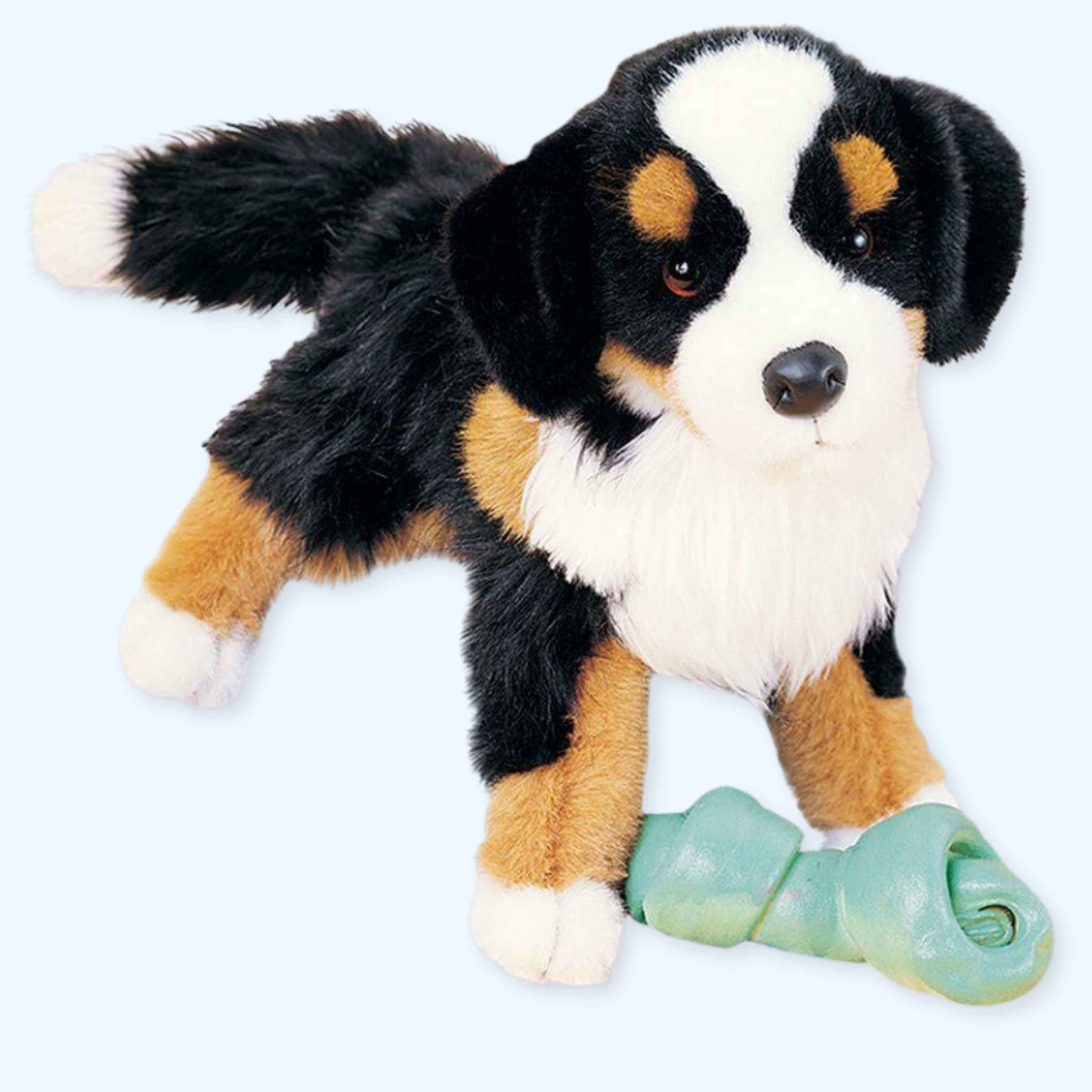
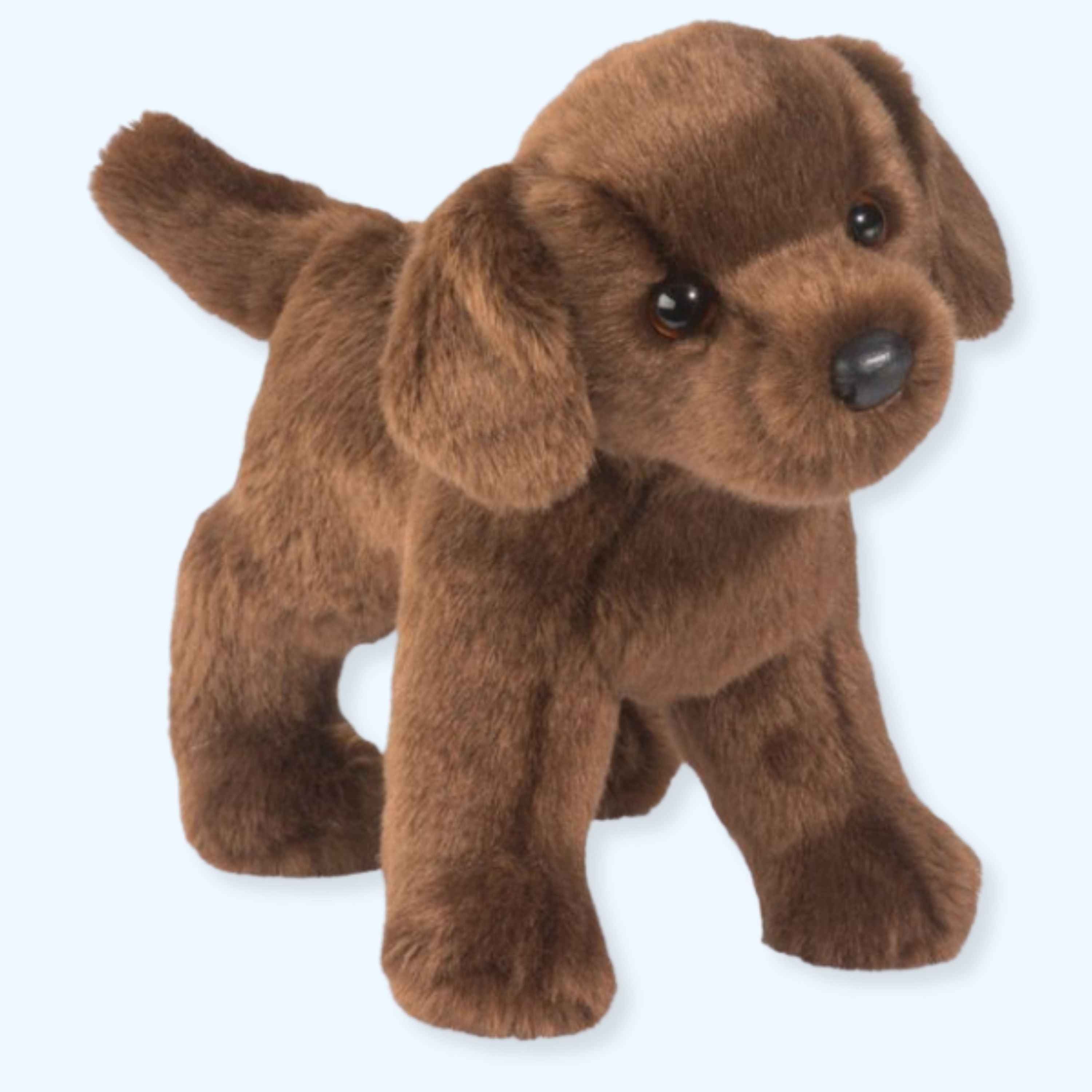
Animal soft toys give children a way to connect with the wider world without giving up the comfort of something soft and familiar.
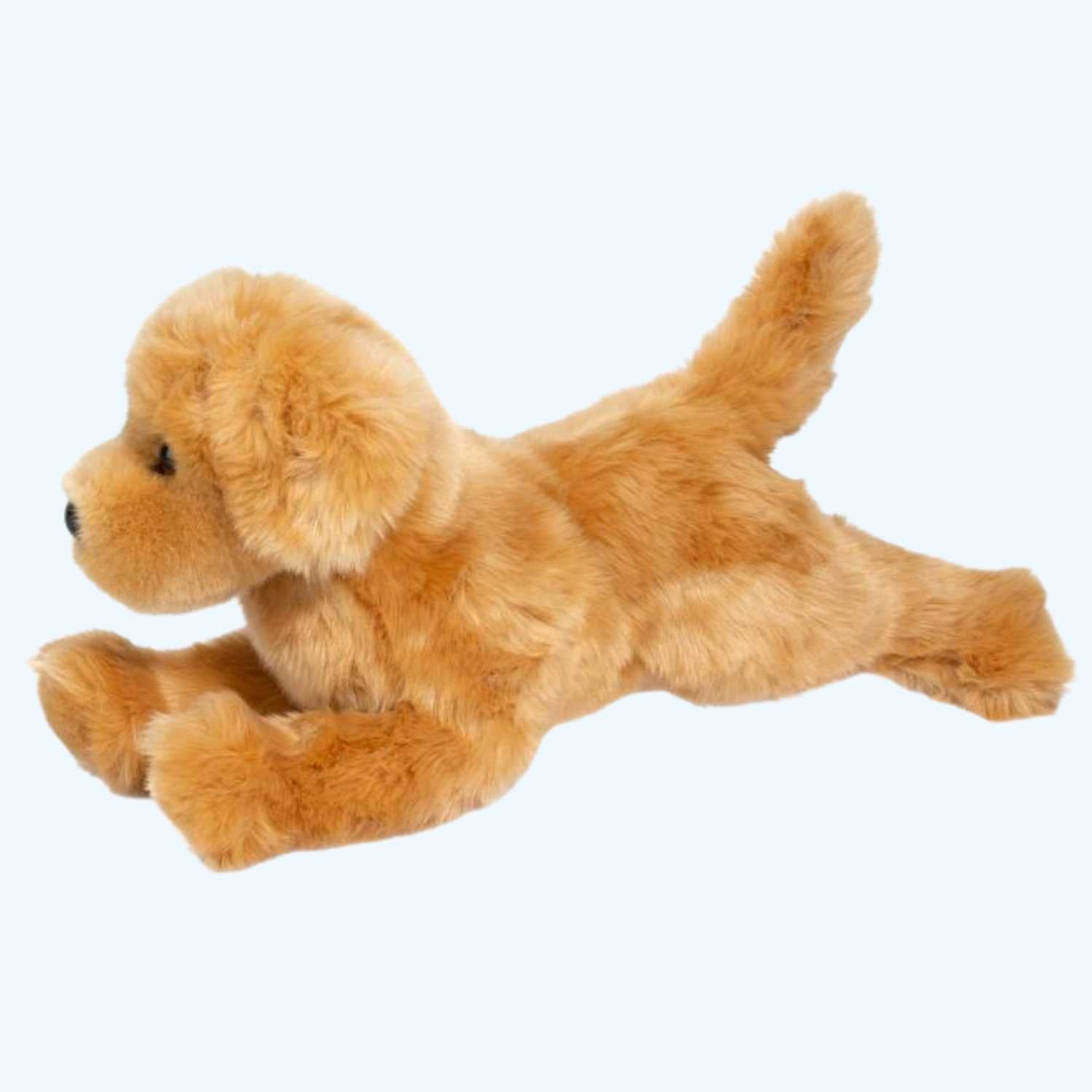
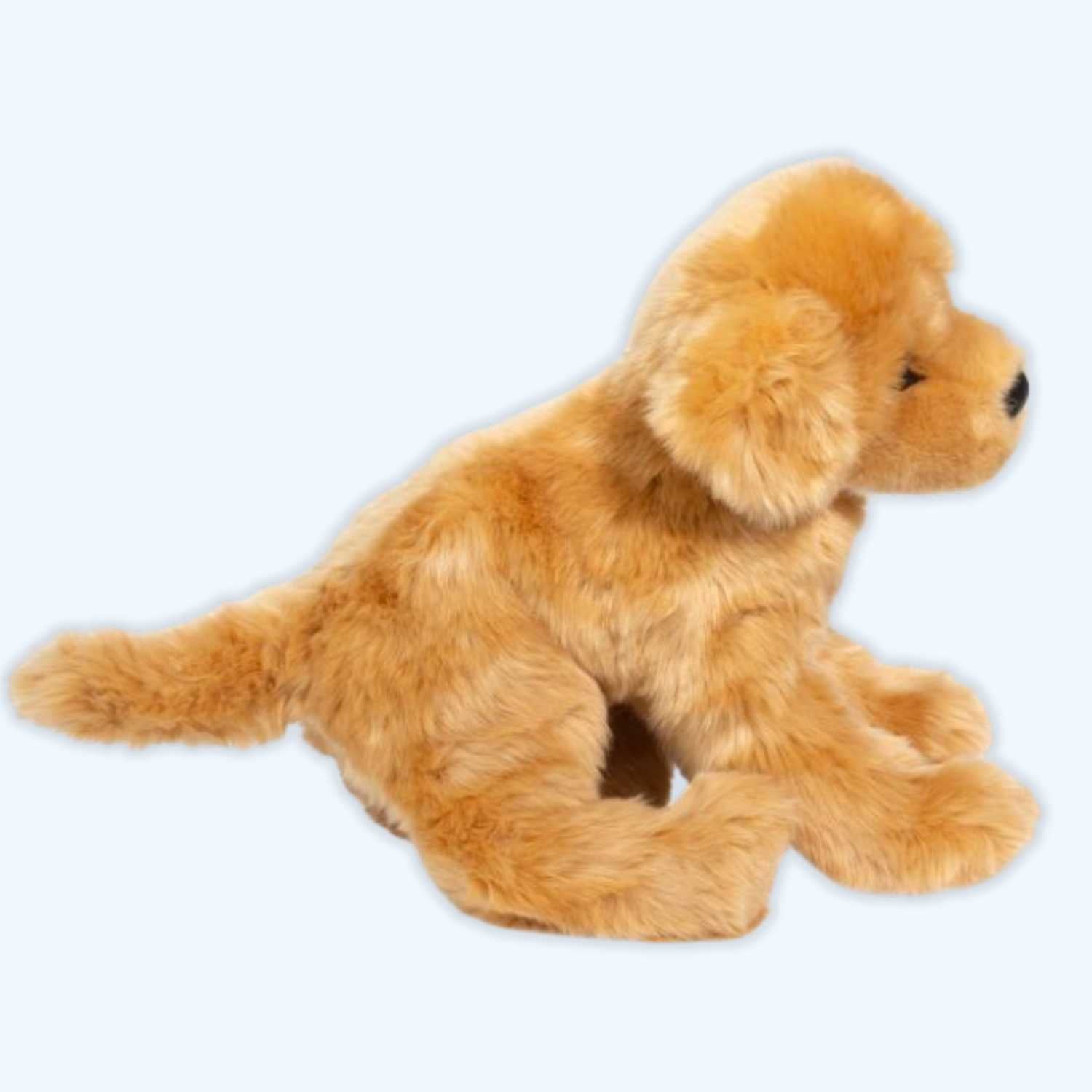
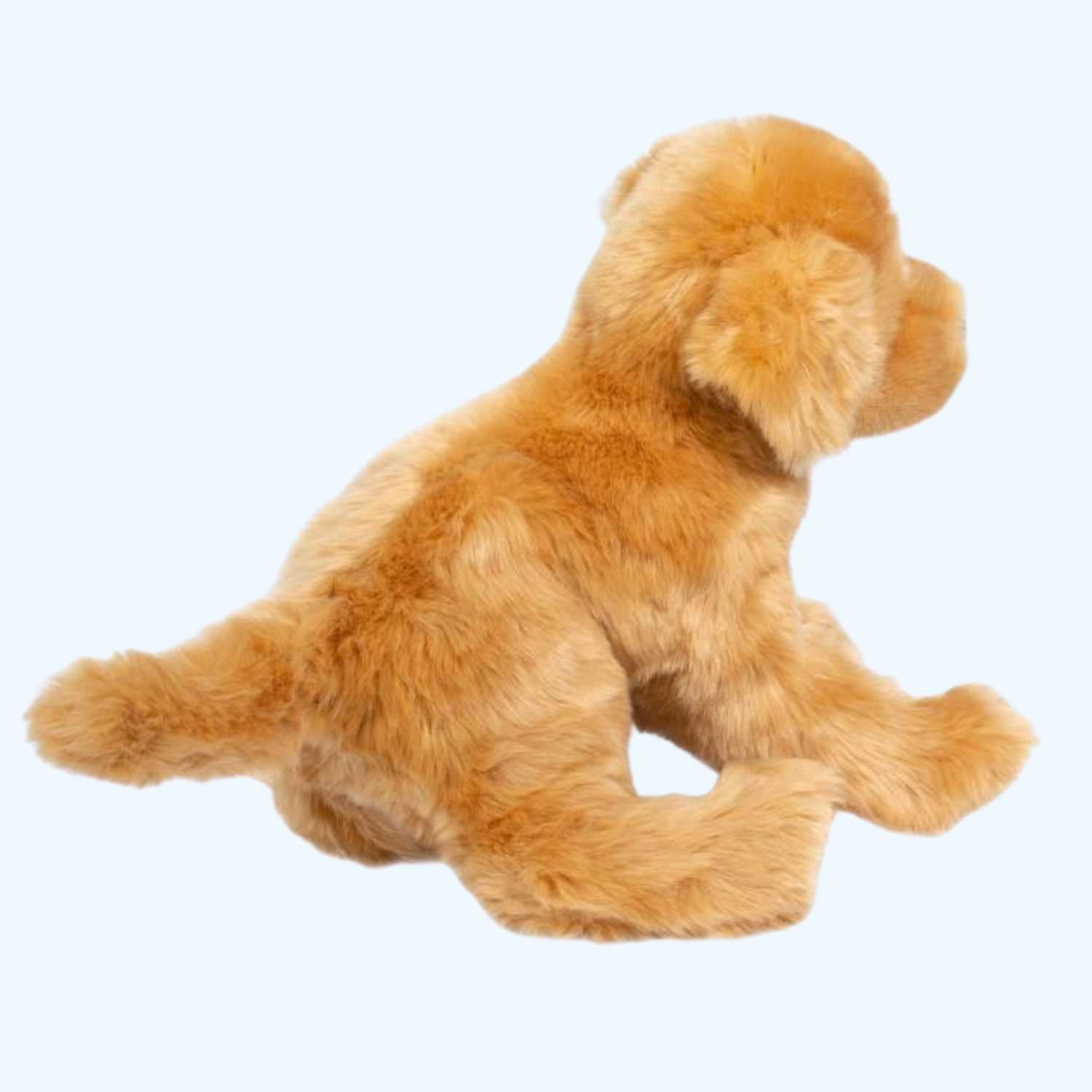
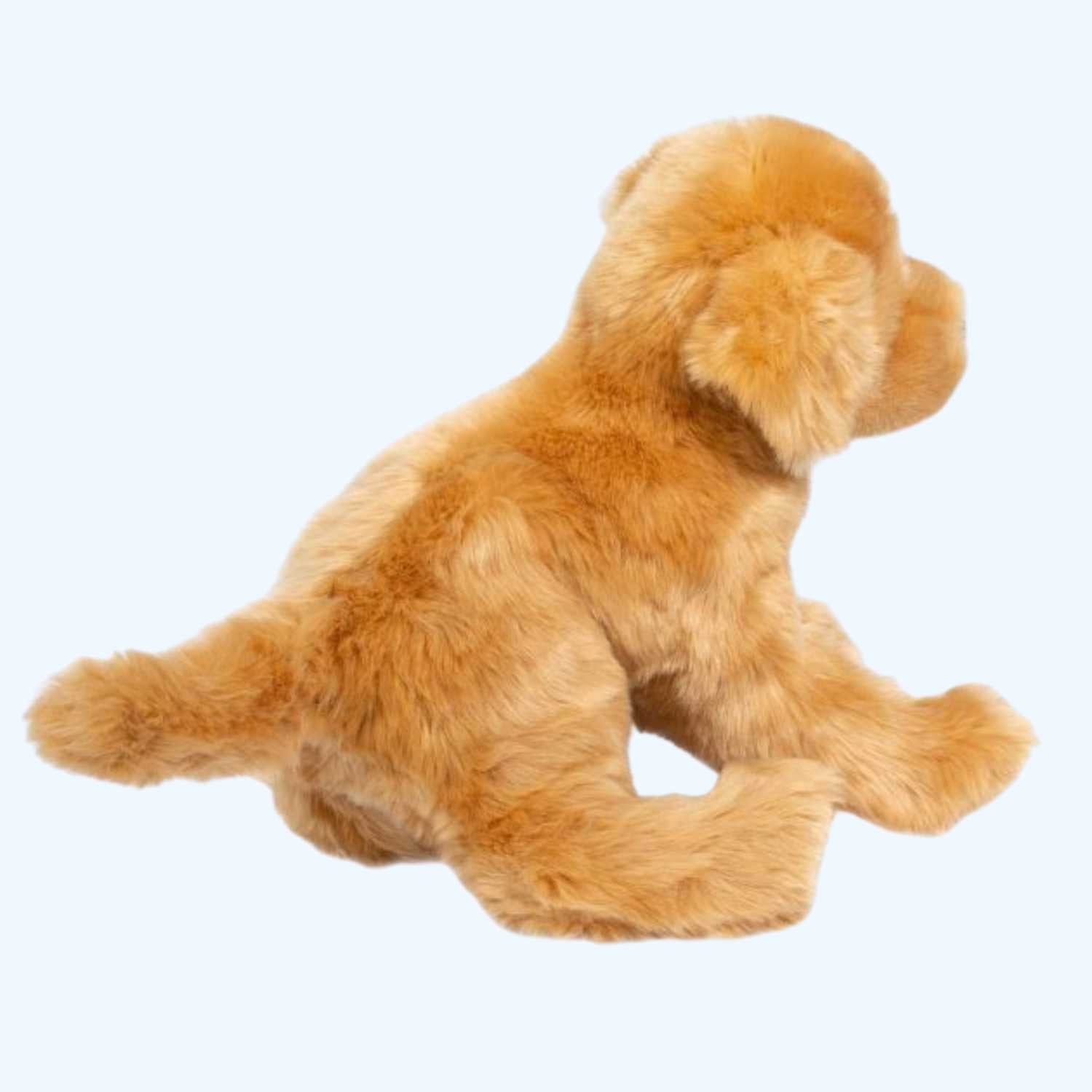
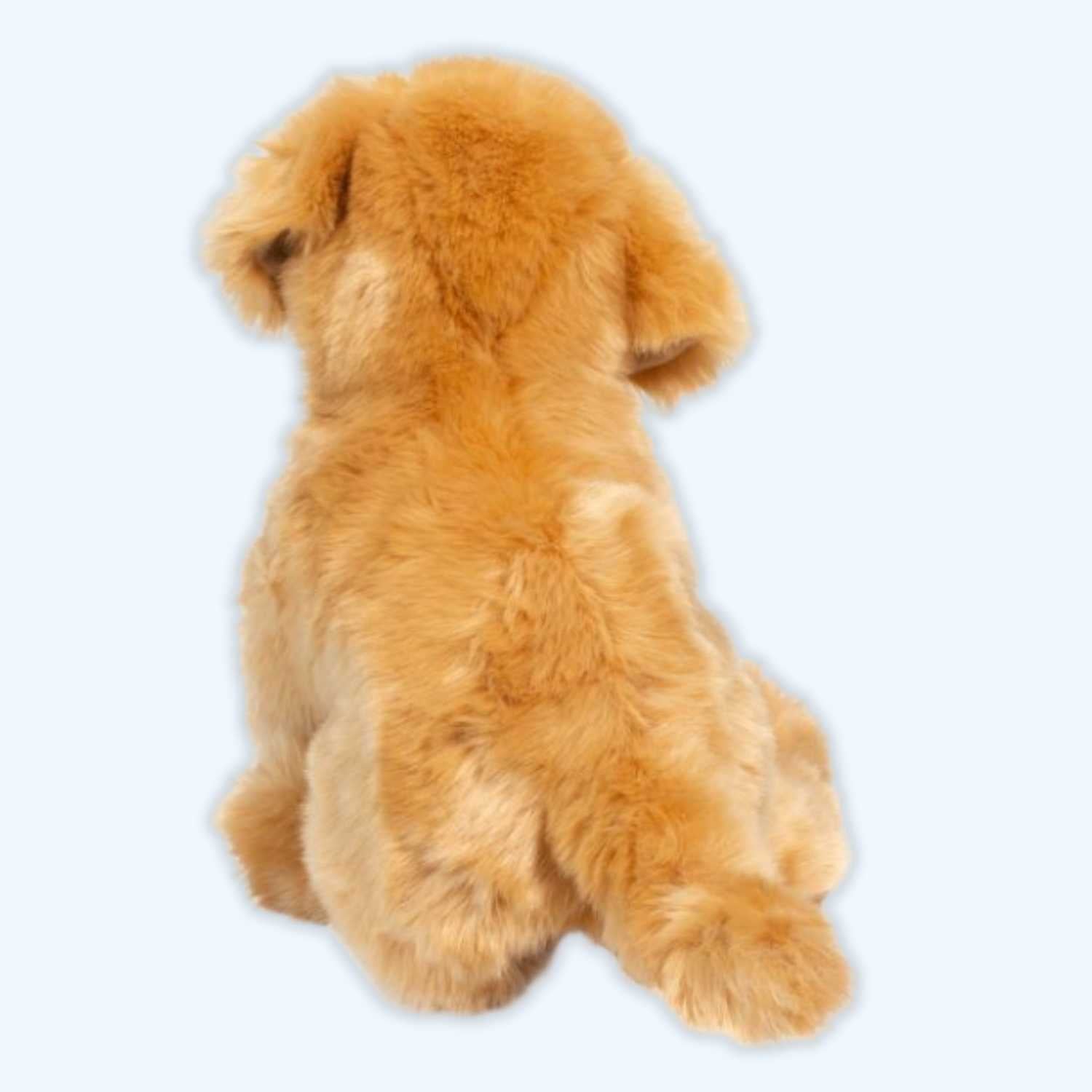
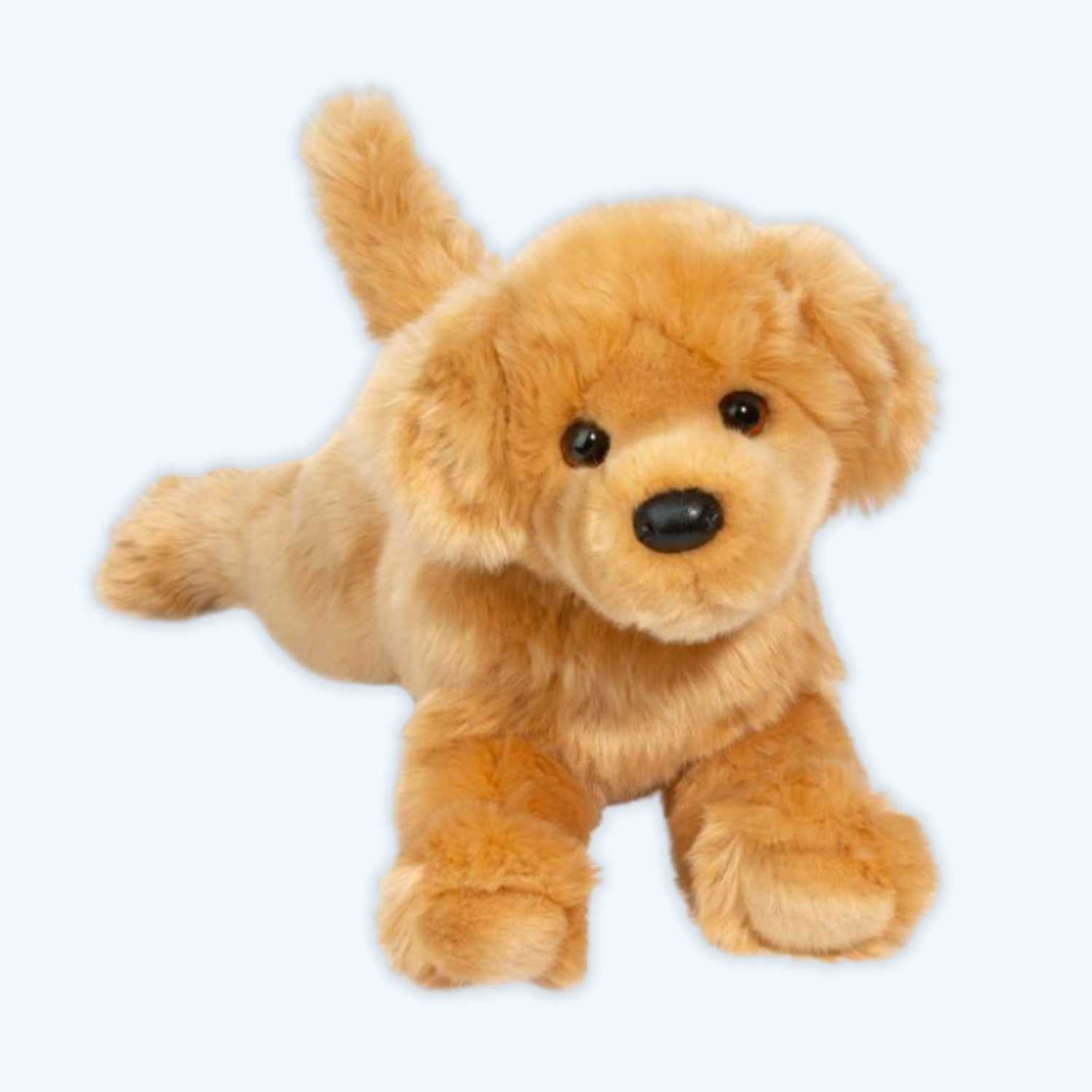
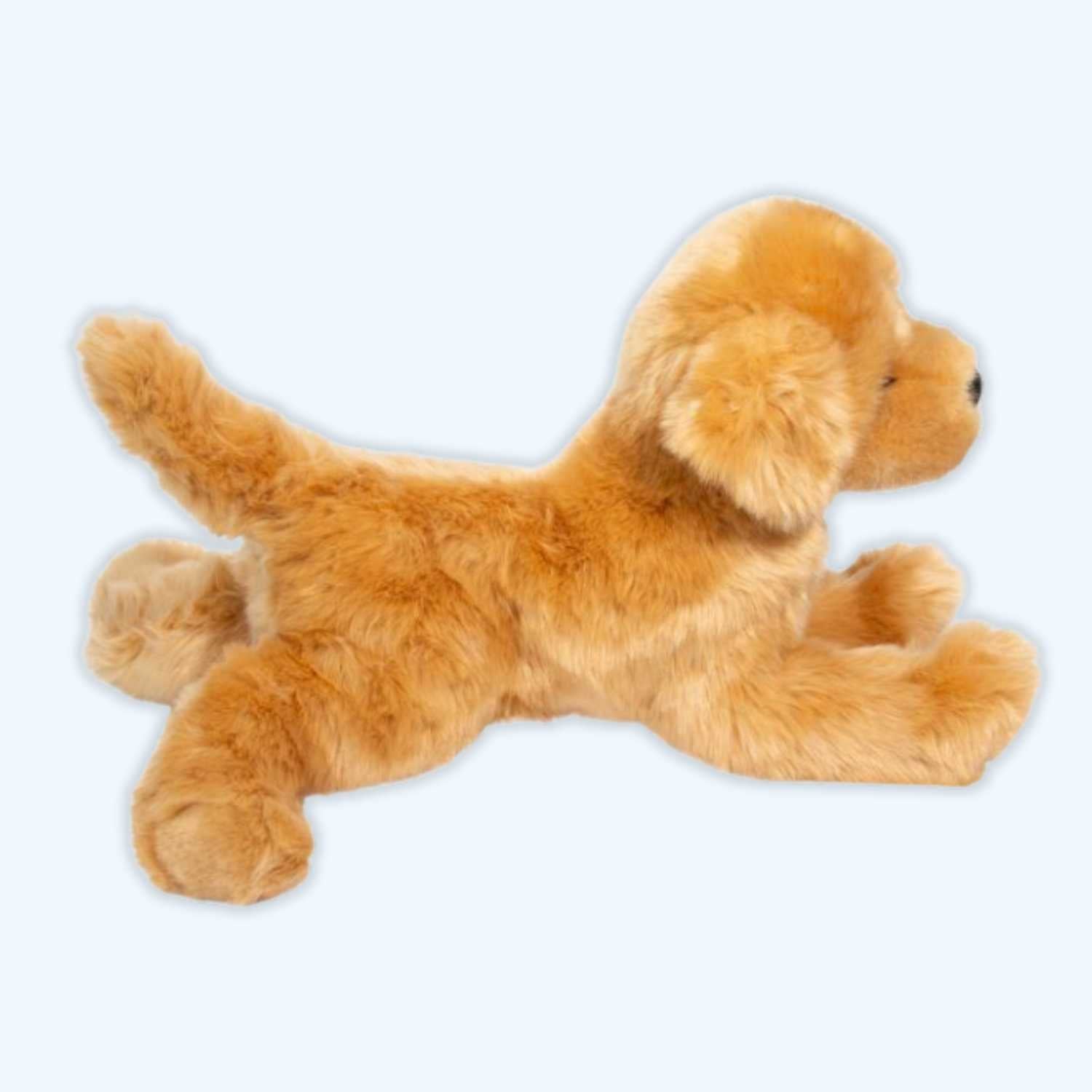
Dogs and cats are instantly recognisable and loved by most young children. Wildlife animals — lions, elephants, giraffes — spark curiosity and pair naturally with early conversations about nature. Farm animals like cows, sheep, and horses connect children to rural life and can open up chats about where food comes from.
With any animal toy, the sweet spot is a design that feels interesting and lifelike without being the kind of thing that gives a toddler pause at bedtime.
Fantasy and Character Toys
Unicorns, dragons, and other fantasy creatures hand children a blank canvas — something to build stories around rather than follow a script. They need to meet the same safety standards as anything else, but what they offer is a bit different: room for open-ended play and the kind of magical thinking that's genuinely good for young imaginations.
Character toys tied to popular books or shows can work well, provided they're well-made and not so trend-dependent that they lose their appeal quickly.
What Makes Douglas® Plush Toys Stand Out
Douglas® has built a strong reputation in the soft toy market, and it's easy to see why. Their toys are consistently well-made, with a level of detail and quality that holds up over time.
Materials: Douglas® uses high-grade plush fabrics that stay soft and hold their appearance even after heavy use and regular washing — the kind of thing you notice when you compare them side by side with cheaper alternatives.
Design: Their animals tend to strike a good balance — realistic enough to be genuinely interesting, but still soft and approachable in the way a child's toy needs to be.
Safety: All Douglas® toys meet or exceed UK safety standards, with particular attention to how small parts are attached and how seams are constructed to withstand the kind of use children actually put them through.
Range: From classic teddy bears to exotic wildlife, there's real variety here — enough to find something that fits a specific age, interest, or personality rather than just settling for whatever's available.
Caring for Your Child's Soft Toys
Washing and Maintenance
Keeping soft toys clean matters both for hygiene and for making them last. Most well-made plush toys are fine on a gentle machine cycle with a mild detergent — though anything with electronic components or delicate embellishments is better off spot cleaned.
A few practical tips:
- Use cold or warm water to prevent shrinking
- Air dry where possible to preserve shape and texture
- Gently brush the fur after drying to restore fluffiness
- Check for loose parts before and after each wash
Storage
Good storage keeps toys clean and in good condition. Ventilated toy boxes prevent moisture buildup, open shelving keeps favourites accessible, and rotating toys occasionally can help maintain a child's interest without creating over-reliance on a single toy.
Choosing the Right Size and Number
Size: For babies, choose something large enough to be safe from choking but small enough for little arms to hold. For toddlers, slightly larger toys work well as grip and coordination improve — just avoid anything so big it becomes awkward to carry.
Quantity: More isn't always better. Too many soft toys can dilute the significance of each one. Starting with one or two high-quality options and adding gradually based on your child's interests tends to work better than overwhelming them with choice.
Budget-Friendly vs Premium Options
When premium is worth it
Higher-end toys like Douglas® products earn their price through better durability, materials that hold up over time, more engaging designs, and tighter quality control. When you factor in how long a well-made toy actually lasts, the cost per year of use often works out better than cycling through cheaper replacements.
When budget options work
That said, not every soft toy needs to come with a premium price tag. Simpler designs with fewer decorative elements, trusted brands with solid safety records, and well-kept second-hand toys can all do the job perfectly well. It's also worth keeping an eye on sales from reputable retailers — quality doesn't always have to mean full price.
Red Flags to Watch For
Safety concerns — avoid anything with loose or easily removable small parts, a strong chemical smell, sharp edges, poorly finished seams, or unclear safety labelling.
Quality issues — skip toys with thin or cheap-feeling materials, uneven or lumpy stuffing, stitching that looks likely to fail, or colours that bleed or fade quickly.
Making the Final Decision
Think about your child's specific interests, developmental stage, and any allergies or sensitivities. At the end of the day, the best soft toy is the one that actually gets used — dragged everywhere, slept with, cuddled through the hard moments. A single toy that earns that kind of attachment will always mean more than a shelf full of ones that don't.
Where to Find Quality Soft Toys in the UK
Retailers that specialise in quality children's products are usually the best starting point — they tend to offer more detailed information about safety standards and materials, and better expertise when you have questions. Online shopping gives you broader selection and thorough product descriptions; physical stores let you assess the toy in person before buying.
For authentic Douglas® plush toys and other premium options, Essa UK offers a carefully selected range chosen with safety, quality, and lasting appeal in mind. Browse the full collection at essauk.com.