How to Choose the Perfect Stuffed Animal for Your Child
There's something quietly powerful about the right stuffed animal. It becomes a sleep companion, a comfort object, a character in a thousand imaginary adventures. But walk into any toy shop — or scroll through any product page — and the sheer number of options can feel like a lot.
This guide cuts through that. Whether you're buying for a newborn, a toddler, or a child who already has opinions about everything, here's what actually matters when choosing a stuffed animal your child will love and keep for years.
Start With Safety: It's Non-Negotiable
Before you think about which animal looks cutest, safety has to come first. In the UK, soft toys sold by legitimate retailers must meet specific standards — and knowing what to look for protects your child and your peace of mind.
Look for the CE or UKCA Mark
Any soft toy sold in the UK should carry either the CE mark or the UKCA mark (the UK's post-Brexit equivalent). These marks confirm the toy has been tested against the requirements of the UK Toys (Safety) Regulations 2011. If a product doesn't display one of these, don't buy it.
Check the Age Guidance
Age recommendations exist for good reason. For children under 36 months, toys with small parts, button eyes, or detachable accessories are a choking hazard. For babies and very young toddlers, look for:
- Embroidered features rather than plastic eyes
- No ribbons, strings, or loose attachments
- Firm, securely stitched seams
- Washable materials — because they will end up in the washing machine
Material Matters
Quality plush toys use soft, hypoallergenic filling — typically polyester fibrefill — and outer fabrics that are gentle on sensitive skin. Avoid anything that smells strongly of chemicals straight out of the packaging. A well-made plush from a reputable brand should feel soft, smell neutral, and hold its shape after a wash.
Age Suitability: Matching the Toy to the Child
A stuffed animal that's perfect for a seven-year-old might be completely wrong for a two-year-old. Getting the match right means the toy actually gets used — and loved.
Newborns and Babies (0–12 months)
At this stage, sensory experience is everything. Babies respond to soft textures, gentle contrasts, and simple shapes. A large, simple plush with no detachable parts and embroidered facial features is ideal. Keep it out of the cot during sleep, as per NHS safe sleep guidance, but it can be a lovely comfort toy during awake time.
Toddlers (1–3 years)
Toddlers are rough with their toys — affectionately rough, but rough nonetheless. Durability matters here. Look for double-stitched seams, machine-washable construction, and a size that's easy for small hands to carry. Toddlers also start forming real attachments to specific toys at this age, so something with a distinct personality or look can help spark that bond.
Young Children (3–6 years)
This is the golden age of imaginative play. Children in this bracket love stuffed animals that fit into stories — animals from books, wildlife creatures, fantasy characters. You can introduce a bit more detail at this stage: realistic fur textures, expressive faces, accessories. Just make sure anything extra is firmly attached.
Older Children (6+)
By school age, children tend to have strong preferences. Some want highly realistic animal replicas; others are drawn to fantastical creatures. Collectability becomes a factor too — many children this age enjoy building a small "family" of plush toys. Quality matters more than ever here, because these toys often become long-term keepsakes.
Think About What the Child Actually Likes
This sounds obvious, but it's worth slowing down on. A stuffed animal chosen around a child's genuine interests is far more likely to become a beloved companion than one picked because it looks appealing to an adult.
Ask yourself:
- What animals does this child talk about? Dogs, foxes, owls, wolves — if they have a favourite, lean into it.
- Are they into wildlife and nature? A beautifully crafted wildlife plush can spark curiosity and conversation.
- Do they love fantasy and imagination? Dragons, unicorns, and mythical creatures open up whole worlds of play.
- Are they a collector? Some children respond well to toys that belong to a wider range or series.
If you're buying as a gift and genuinely don't know, a classic choice — a well-made dog or a recognisable wildlife animal — tends to land well across most ages and personalities.
Quality Over Quantity: What Makes a Plush Toy Worth Buying
The UK market is flooded with cheap soft toys that look fine in photos but fall apart within weeks. Knowing what separates a quality plush from a disposable one will save you money and disappointment.
Construction and Stitching
Pick up the toy and examine the seams. Are they tight and even? Give it a gentle tug in a few places — nothing should pull apart or feel loose. Check the face: if the eyes are plastic, are they firmly set, or do they wobble? On better-quality toys, facial features are often embroidered rather than glued or loosely attached.
Filling
Squeeze the toy. It should feel consistently filled — no lumpy patches, no hollow sections. A well-filled plush holds its shape and feels satisfying to hold, which matters a lot to children who carry their toys everywhere.
Fabric Quality
Run your hand across the plush. It should feel genuinely soft, not scratchy or unpleasantly synthetic. Quality plush has a consistent pile — it doesn't shed excessively or flatten immediately when touched. After washing, a good plush toy should recover its texture reasonably well.
Brand Reputation
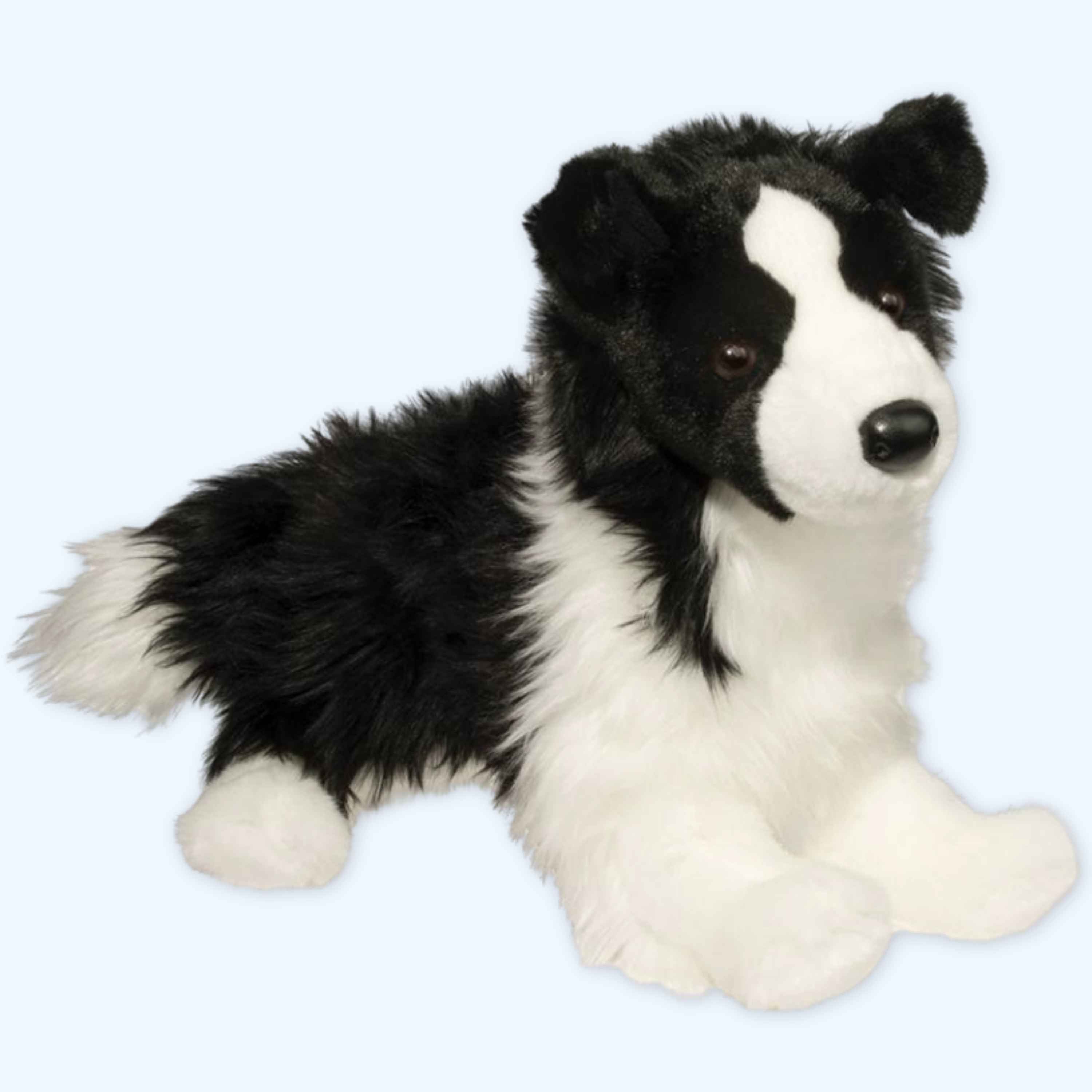
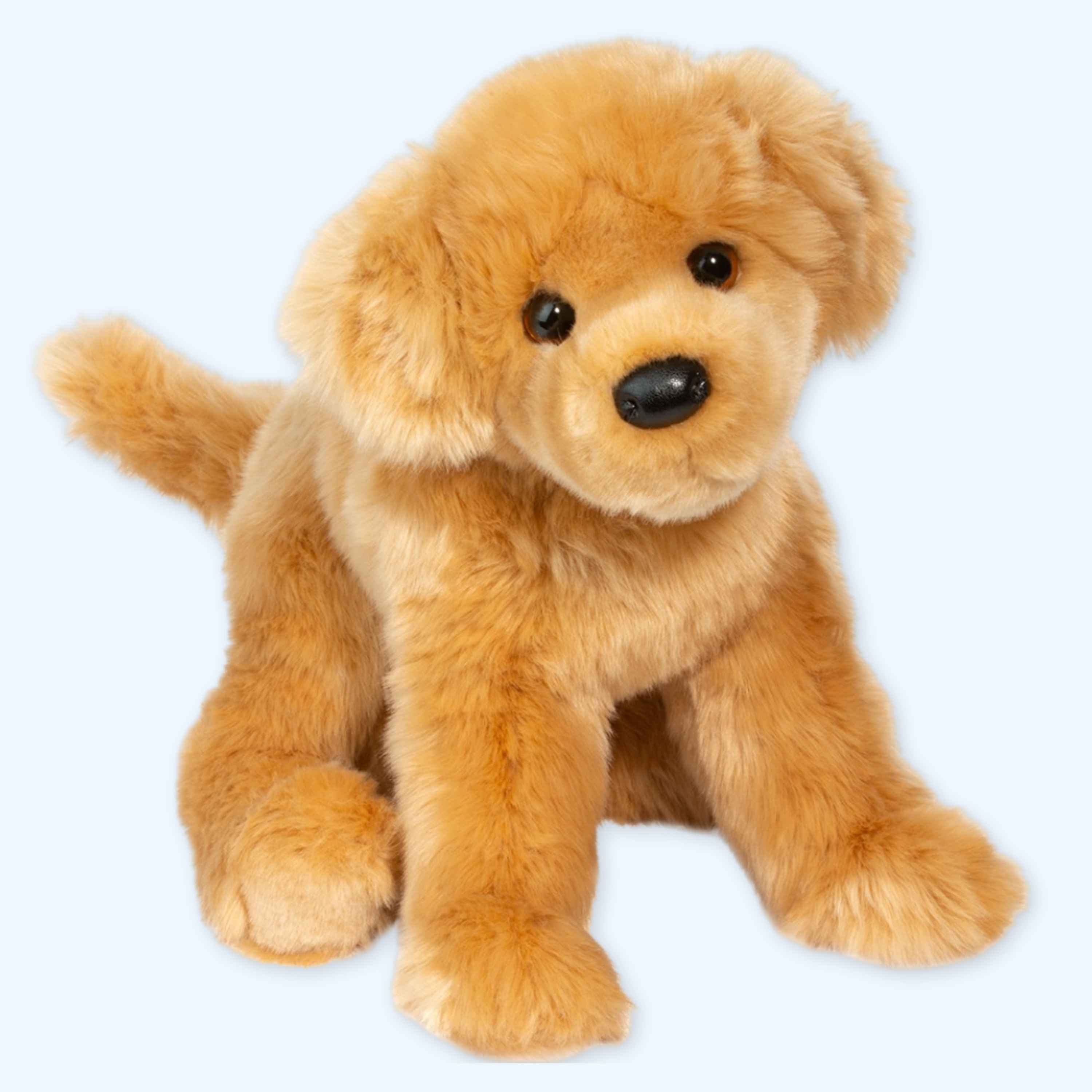
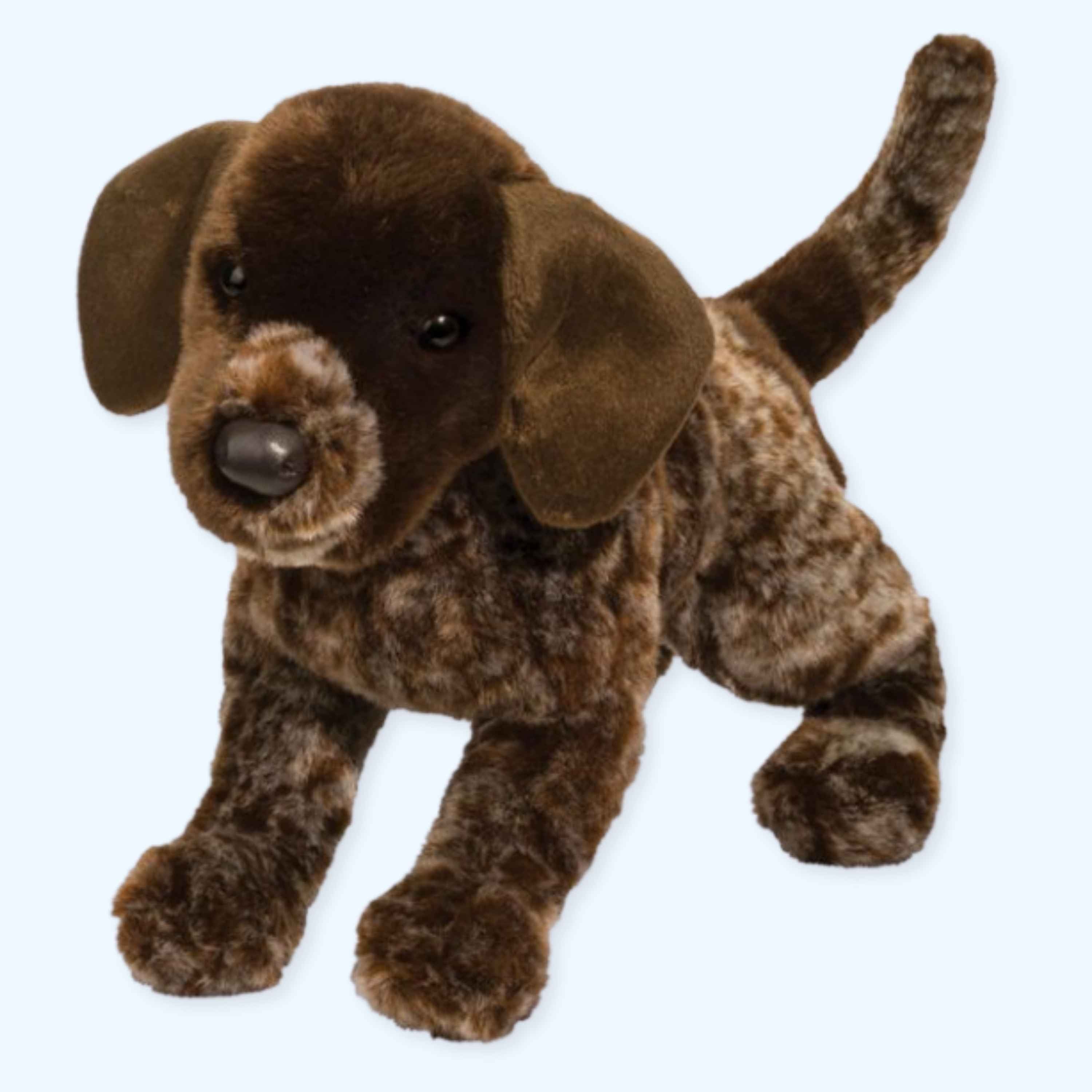
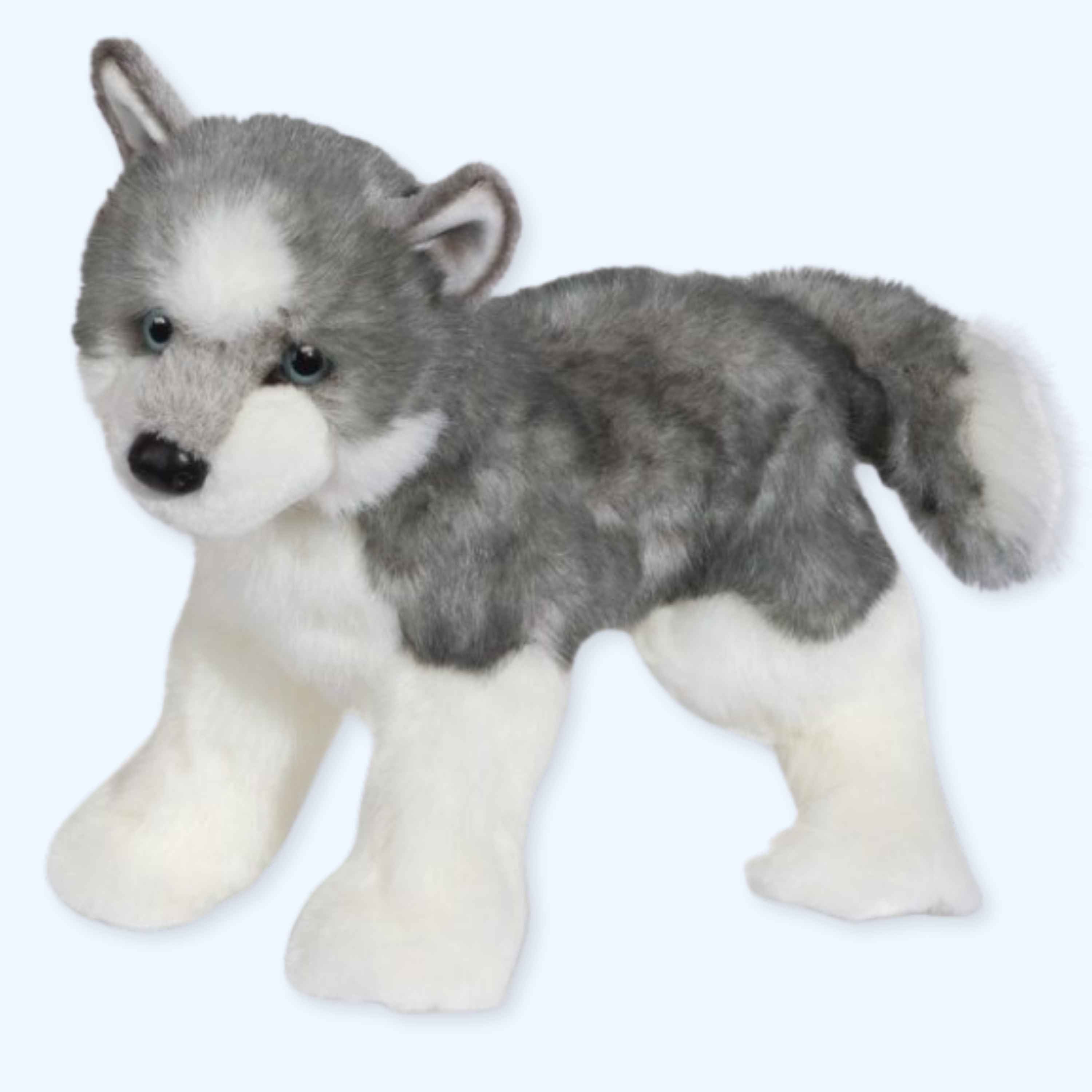
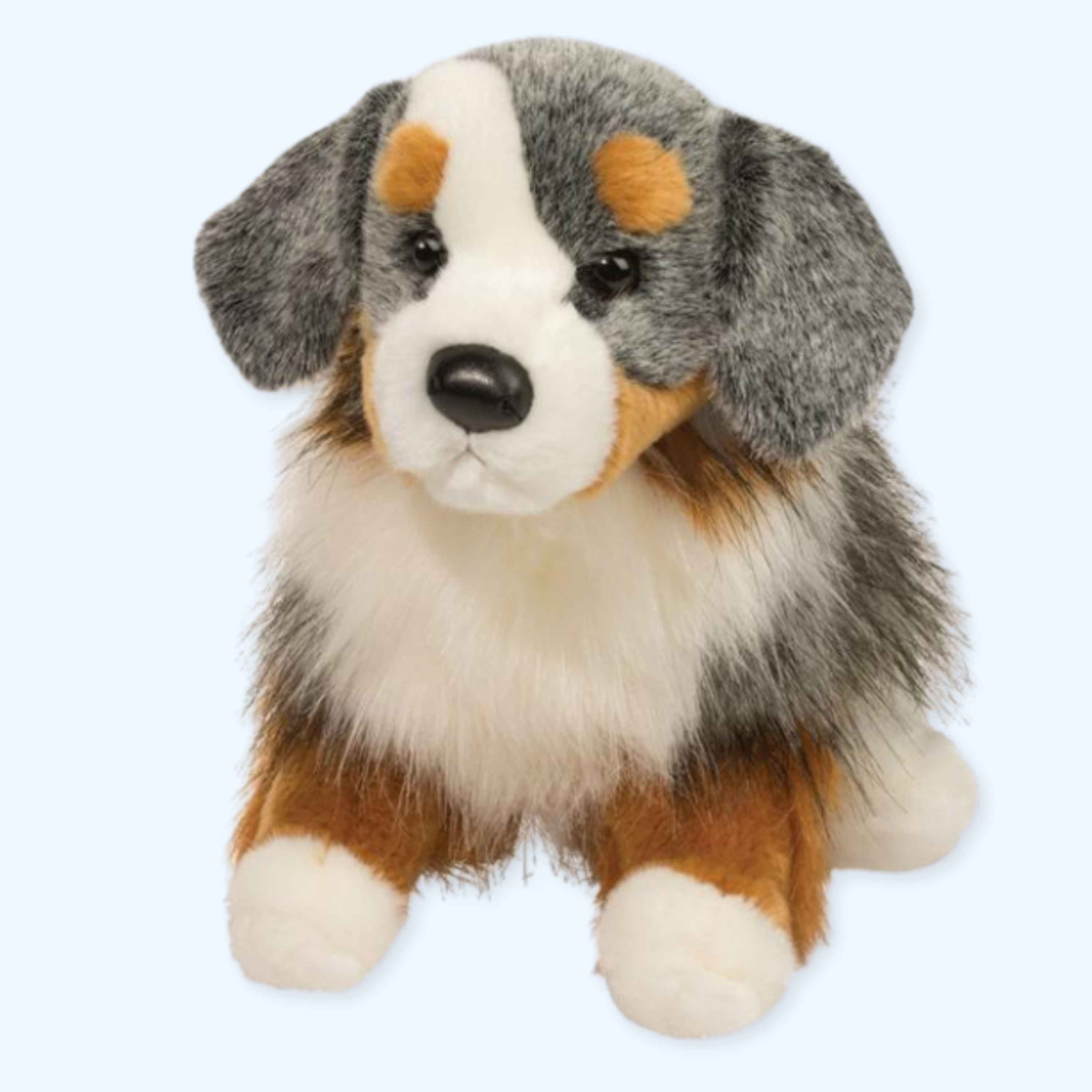
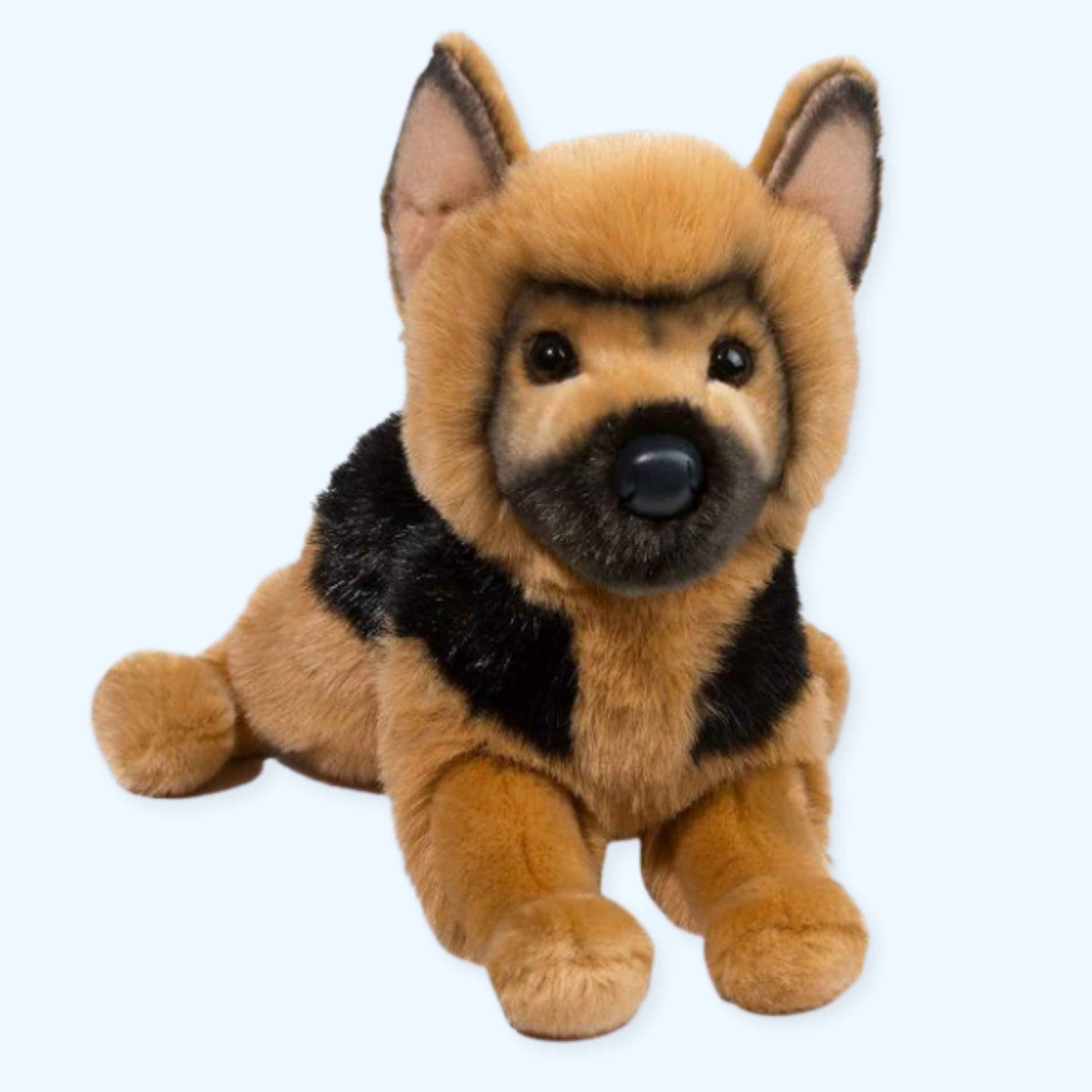
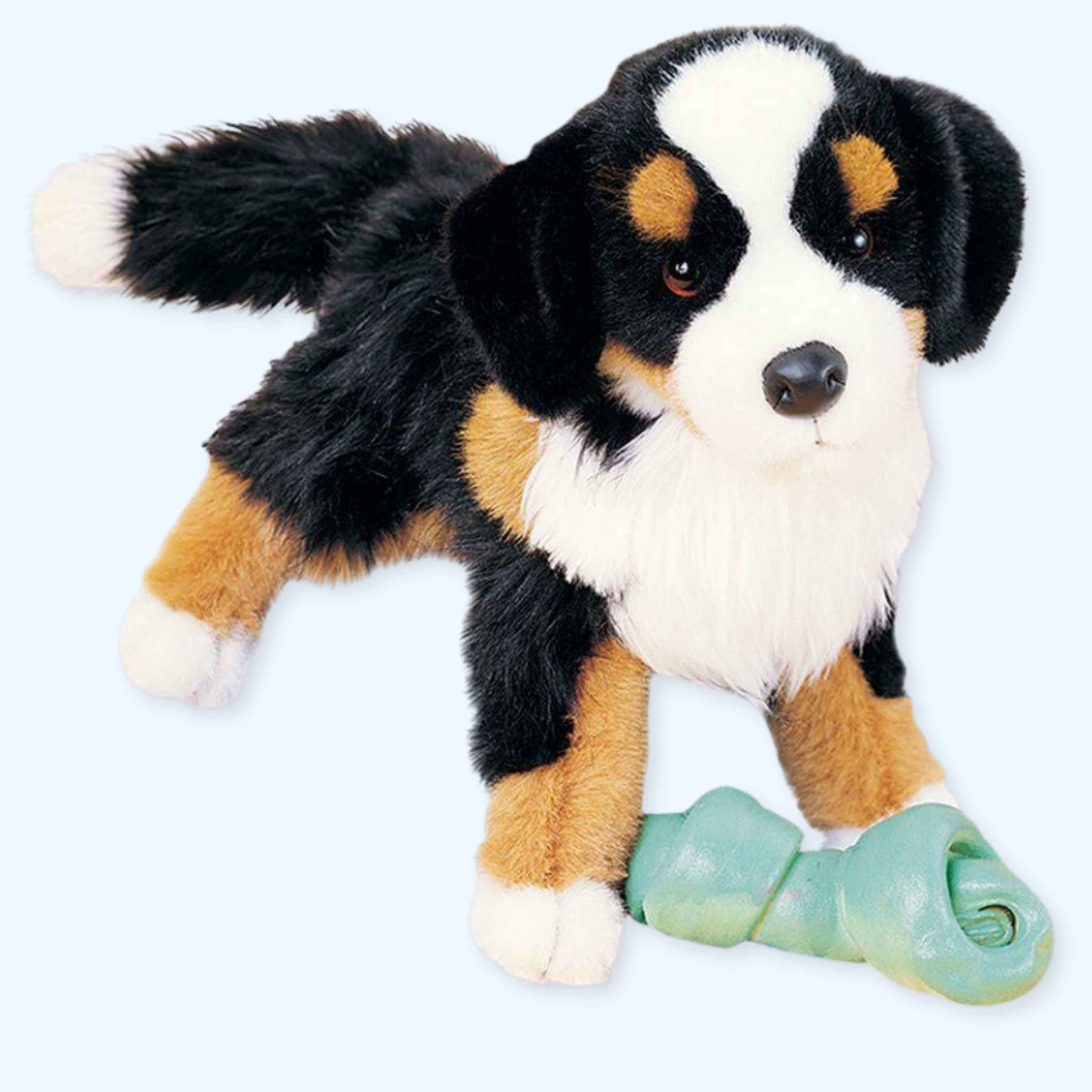
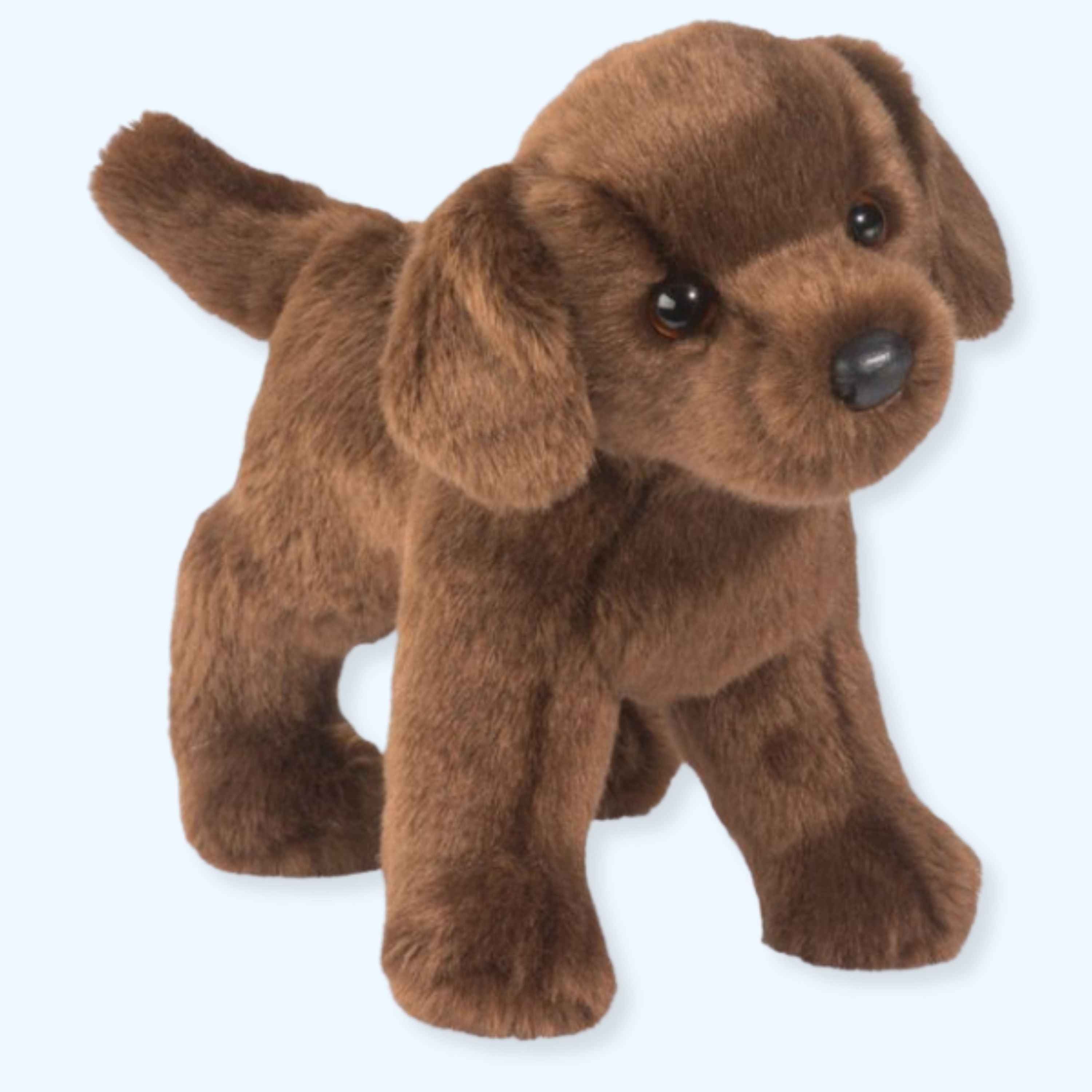
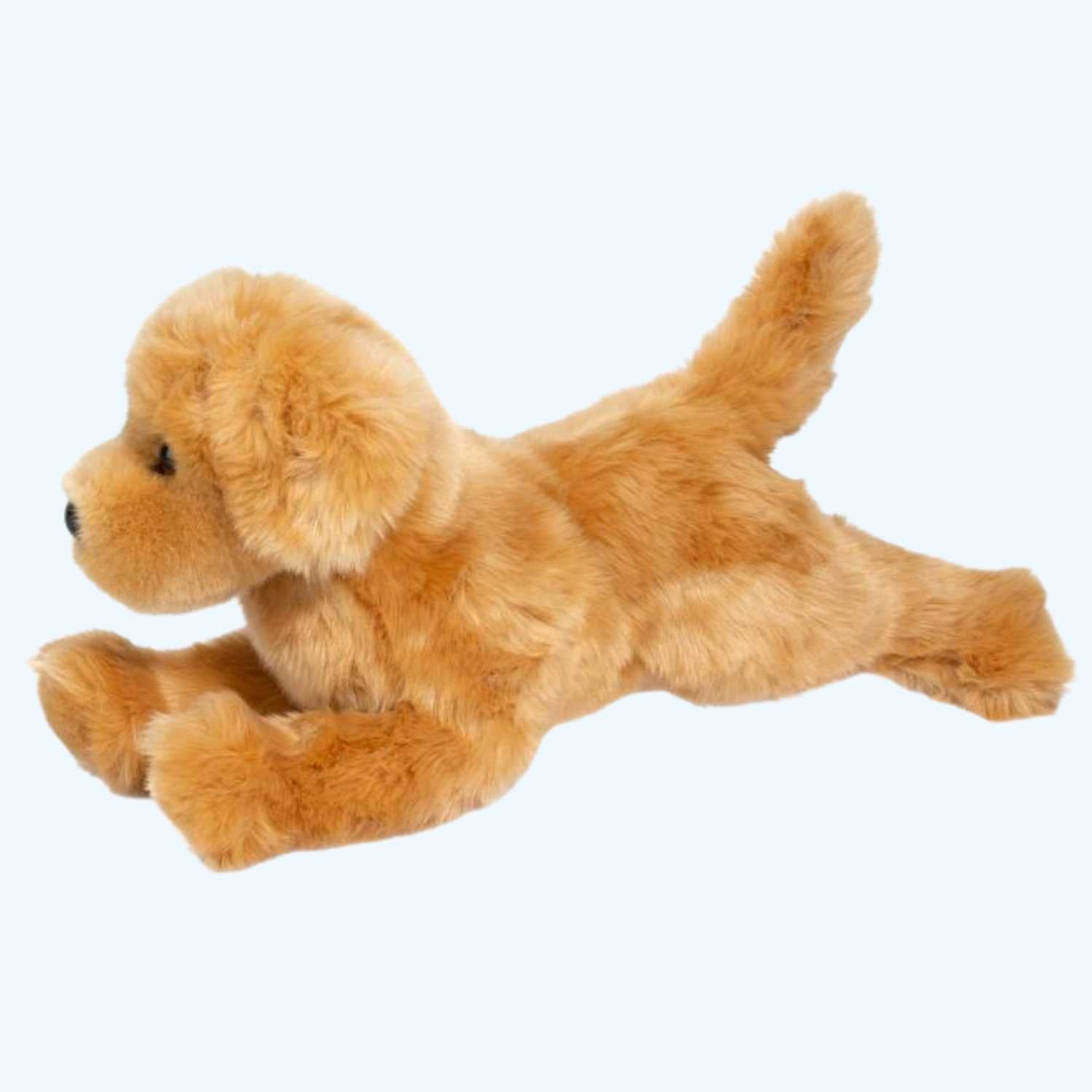
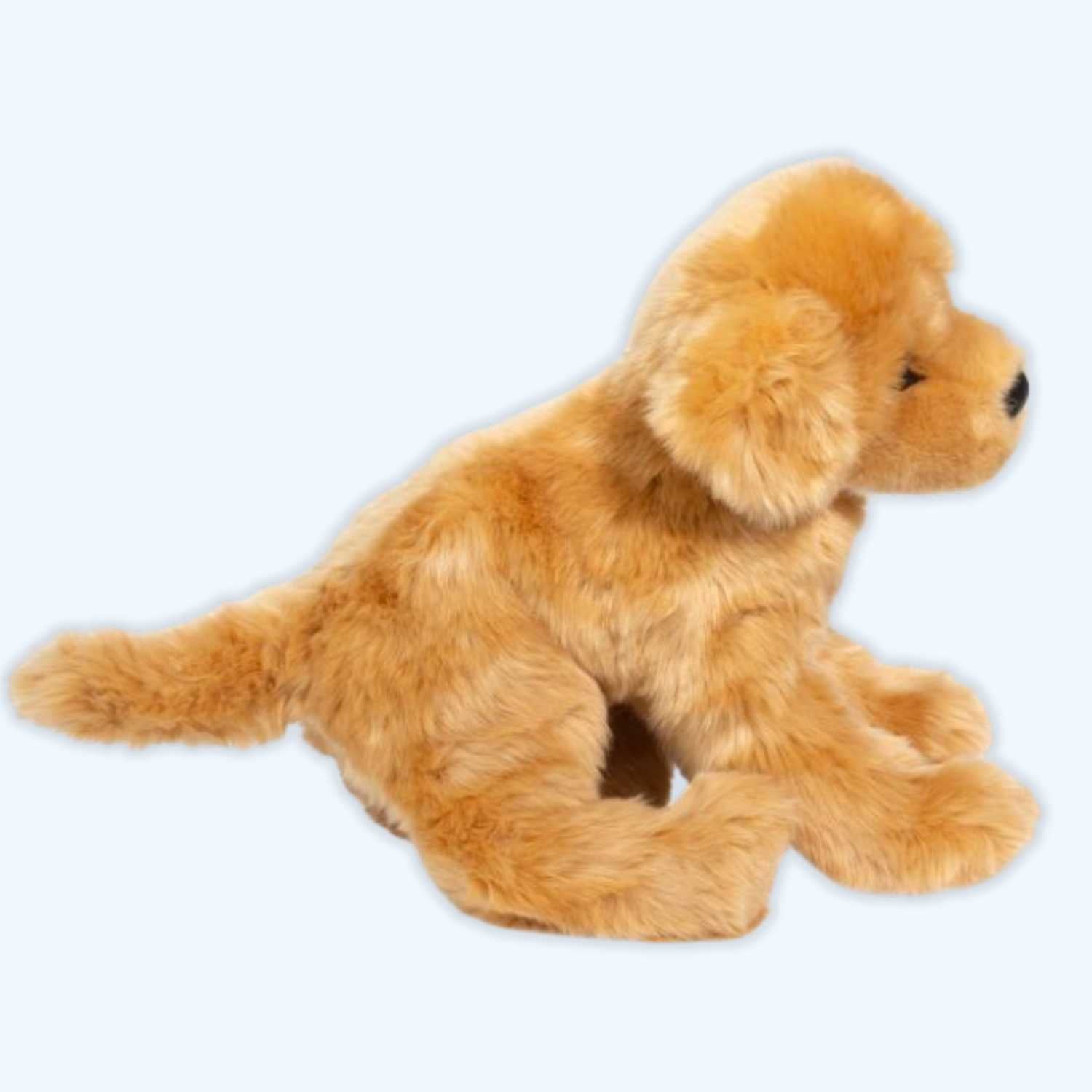
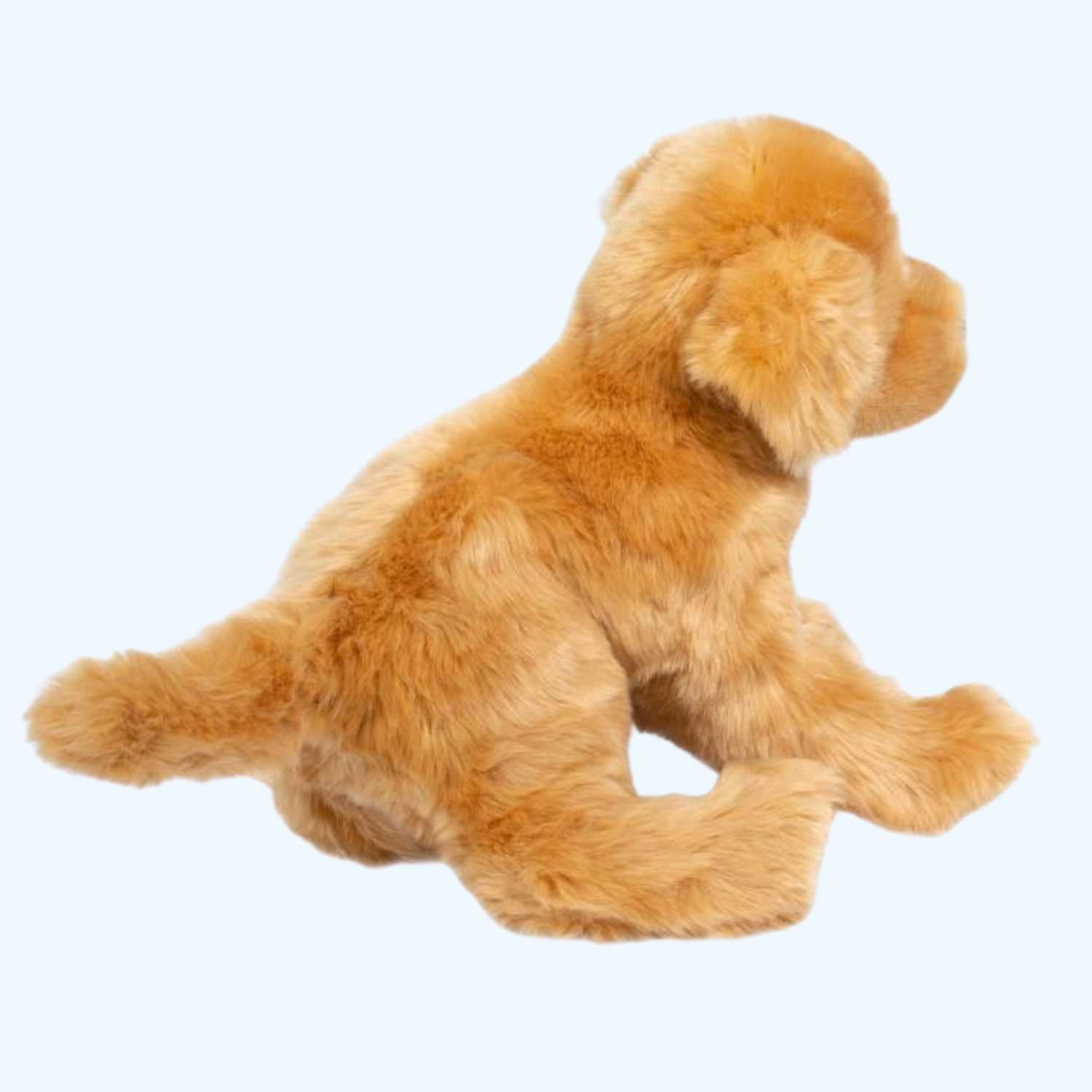
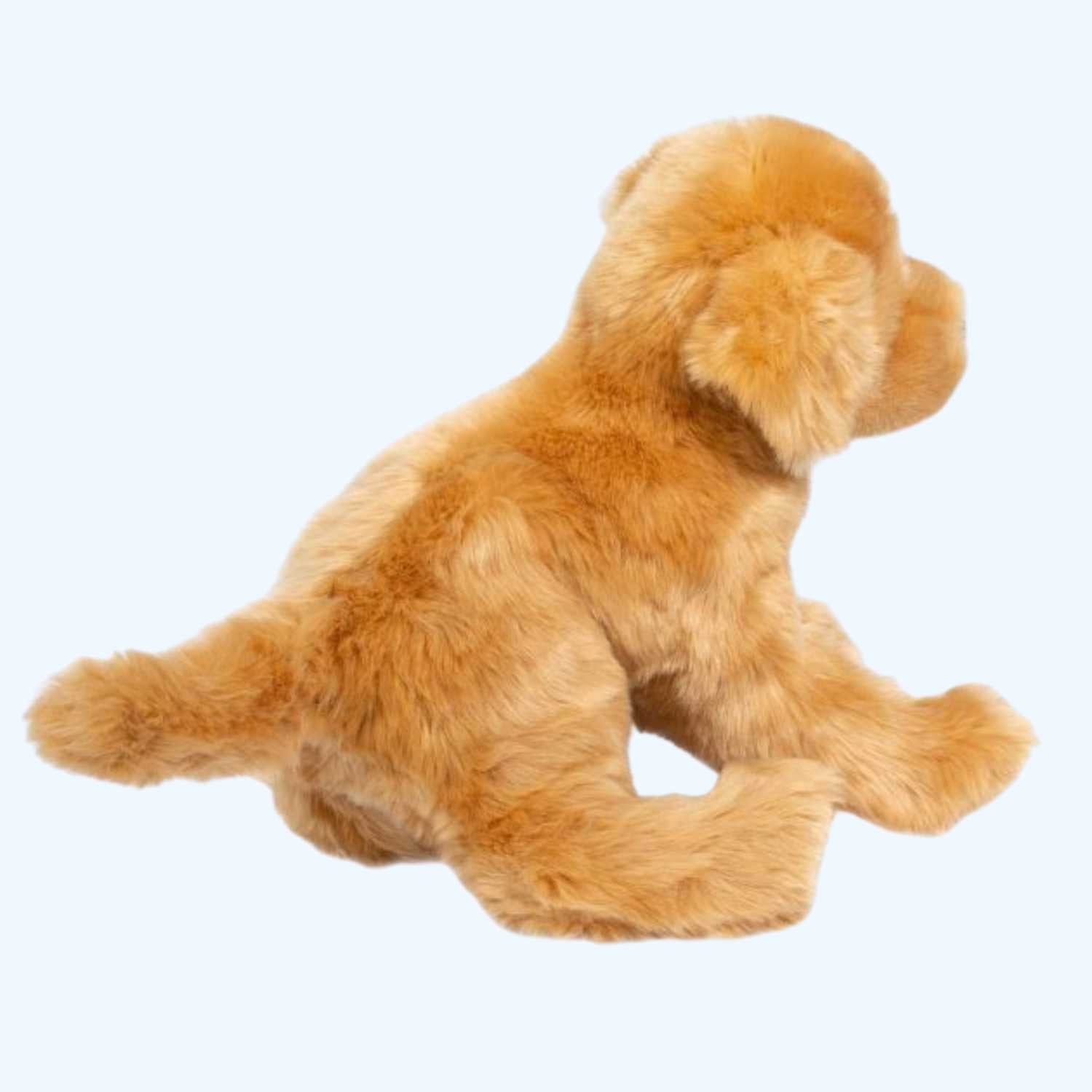
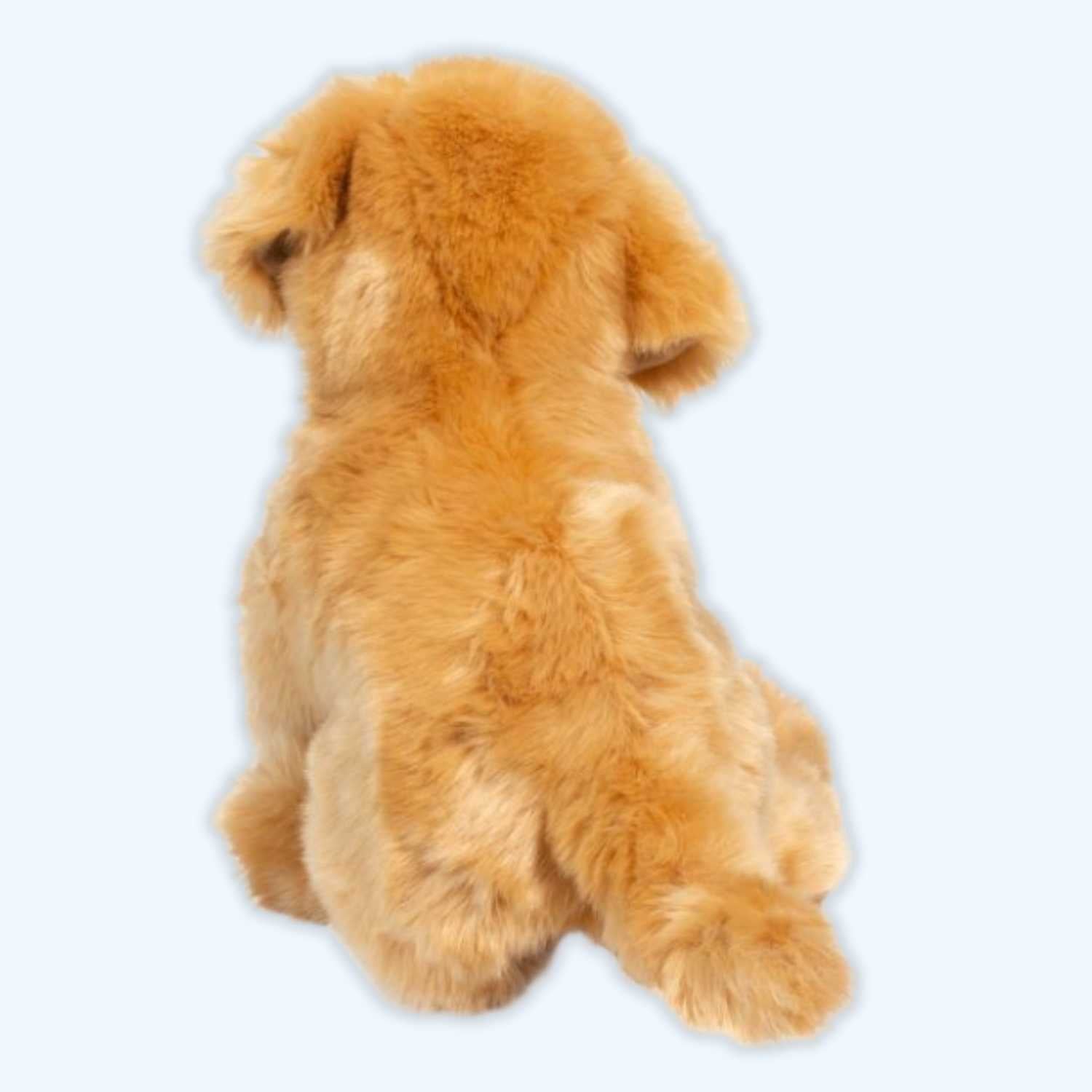
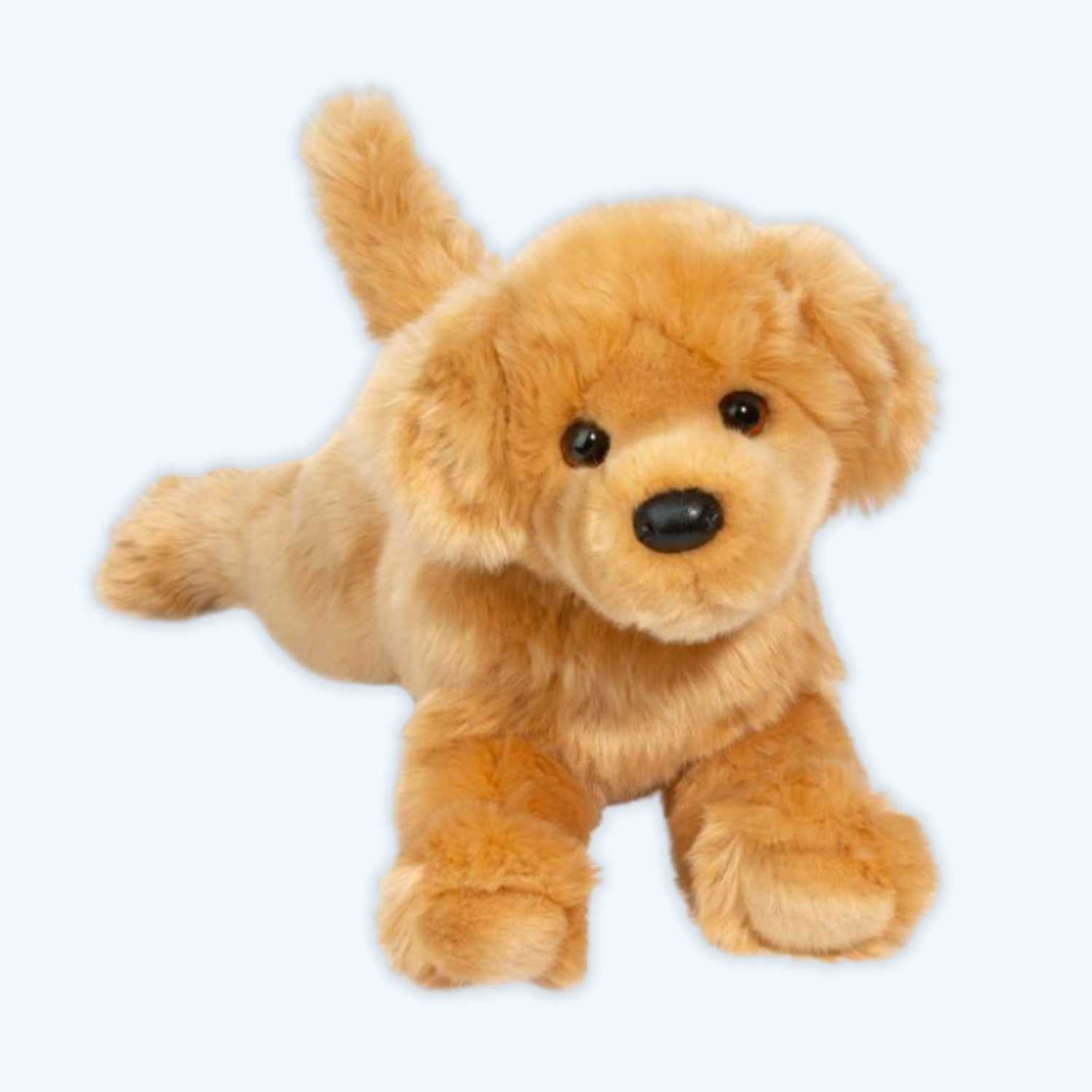
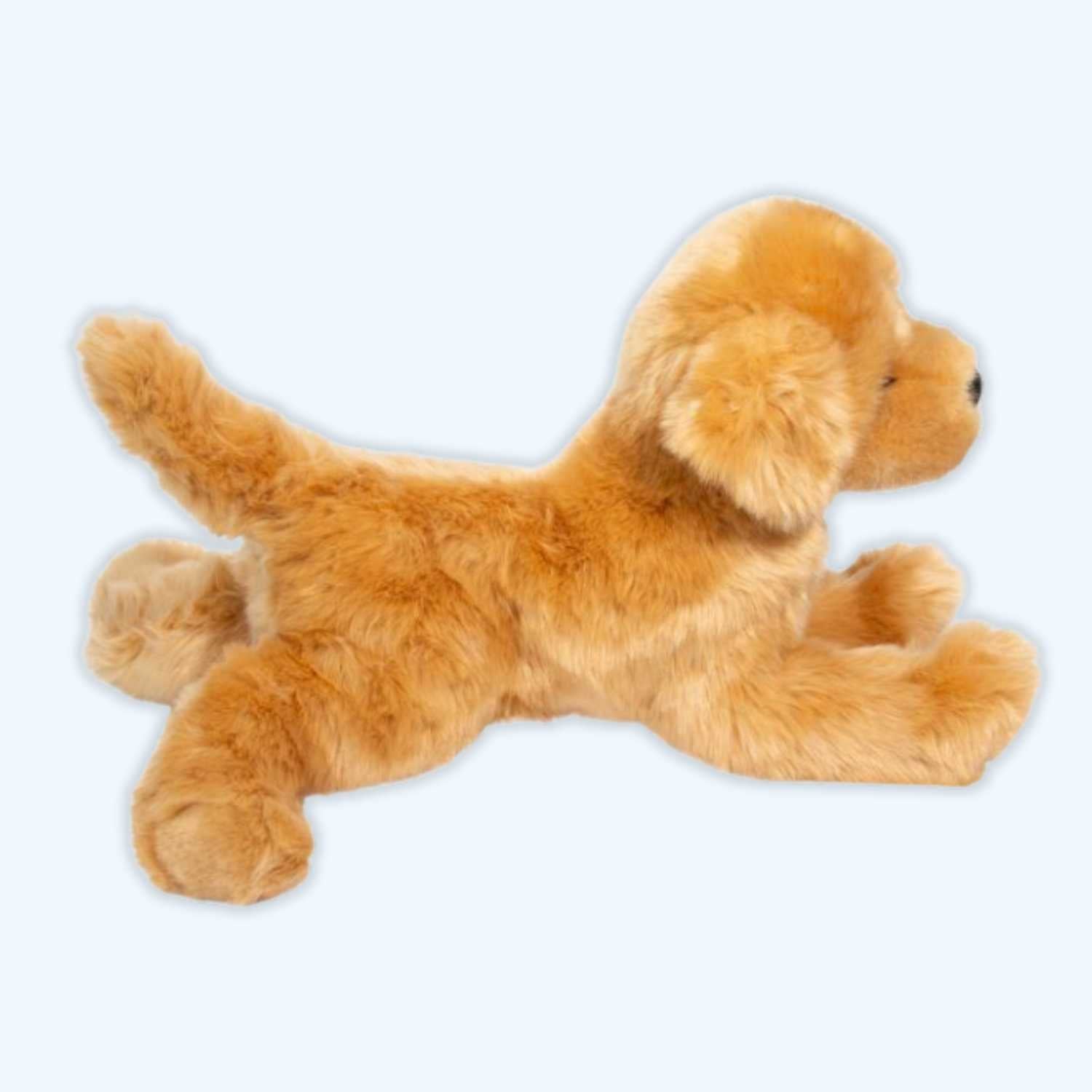
Buying from a brand with a track record matters. Established plush toy brands invest in material quality, safety testing, and design — and it shows. Douglas® is one such brand, known for producing detailed, high-quality plush animals across a wide range of species and styles. At Essa UK, we stock authentic Douglas® plush toys — from realistic wildlife animals to dogs and fantasy creatures — precisely because the quality holds up to the demands of actual children. Douglas® plush is age-graded for 24 months and up, so it's best suited to toddlers and older children.
Why Children Love Stuffed Animals
Stuffed animals often mean more to children than a typical toy, and thinking about how your child will play with one can help you choose with more intention.
Comfort and Familiarity
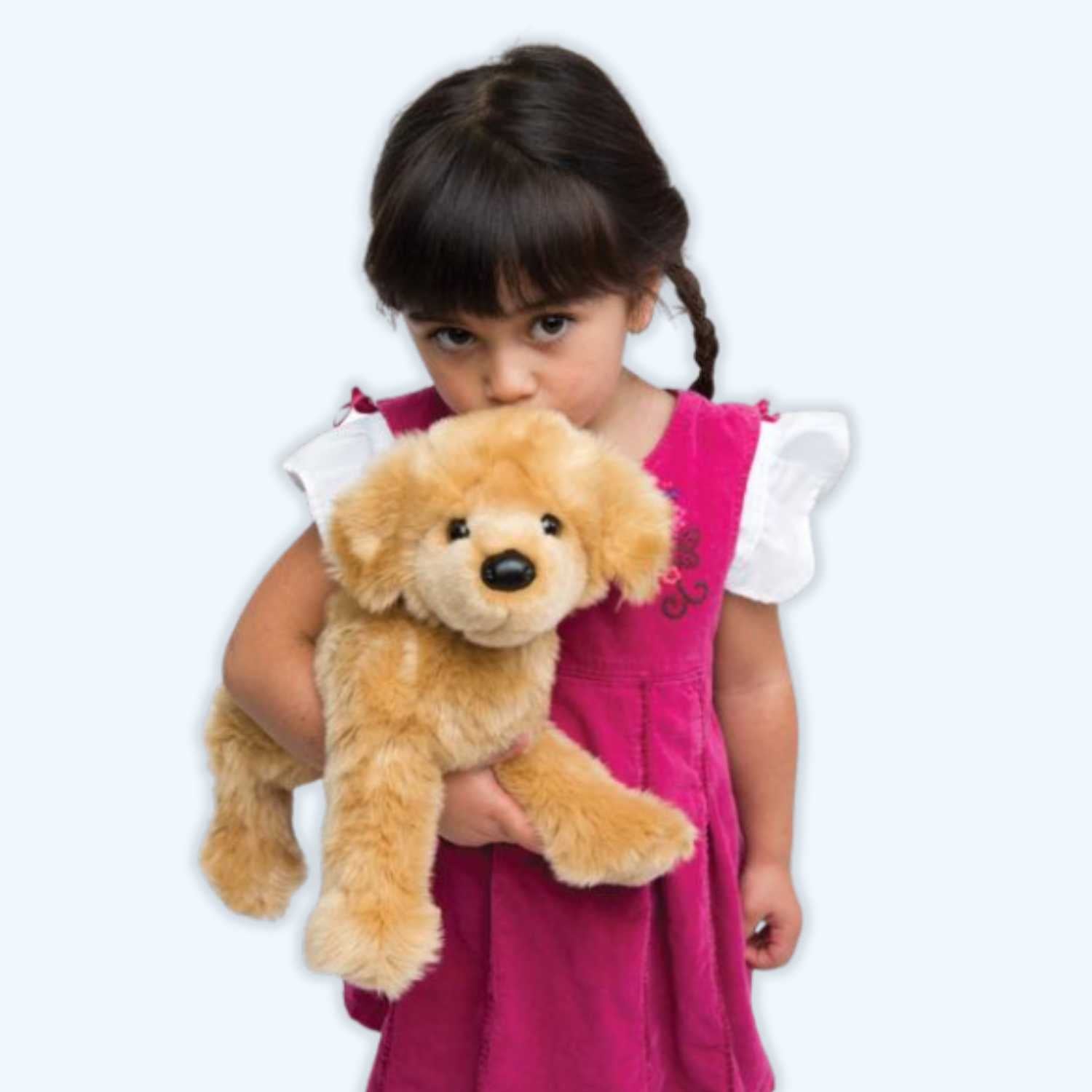
For young children especially, a stuffed animal often becomes a familiar companion they like to keep close — something to hold at bedtime, take on a trip, or bring along somewhere new. Many families will recognise the favourite toy that simply has to come everywhere.
Imaginative Play and Storytelling
Playing with stuffed animals invites children to create narratives, assign roles, and act out scenarios. Many children talk to their stuffed animals, give them names and voices, and build whole stories around them — often returning to the same characters for months or years.
Nurturing Play
Many children instinctively care for their stuffed animals — feeding them, tucking them in, worrying about their feelings. It's one of the reasons a well-loved stuffed animal often becomes a child's most meaningful possession.
Practical Considerations Before You Buy
A few final things worth checking before you commit.
Is It Washable?
Children's toys get dirty — sometimes dramatically so — so check the care label before buying. Some plush toys are machine washable on a gentle cycle, while others (including many Douglas® models) are surface wash only, so it's worth confirming rather than assuming.
Size
Think about how the child will actually use the toy. A very large plush might look impressive but be impractical for a toddler to carry around. A very small one might get lost easily. For everyday companions, a medium size — something a child can comfortably hold or tuck under an arm — tends to work best.
Longevity
Will this toy still feel special in two years? Three? The best stuffed animals grow with a child rather than being outgrown quickly. Realistic wildlife animals and well-crafted fantasy creatures tend to stay in a child's affections far longer than heavily trend-driven toys.
Delivery and Returns
If you're buying online, check the delivery terms. At Essa UK, all orders come with free UK delivery via Royal Mail Tracked 48 — so you know when to expect your order and can plan around it, which is useful if you're buying ahead of a birthday or occasion.
A Quick Buying Checklist
Before you finalise your choice, run through this:
- ✅ Does it carry the CE or UKCA safety mark?
- ✅ Is it age-appropriate with no small parts for young children?
- ✅ Does the care label (machine or surface wash) suit how you'll keep it clean?
- ✅ Are the seams tight and the filling consistent?
- ✅ Does it match the child's interests or personality?
- ✅ Is it from a brand with a genuine quality reputation?
- ✅ Will it hold up to regular use and cleaning?
If you can tick all of these, you're in good shape.
Conclusion
Choosing a stuffed animal for a child isn't complicated, but it is worth doing thoughtfully. The right toy — safe, well-made, and genuinely suited to the child — has a way of becoming something far more than a purchase. It becomes part of childhood itself.
Start with safety certifications, then consider age suitability and quality of construction. Layer in what you know about the child's interests, and you'll almost always land on something they'll genuinely love.
If you're looking for a place to start, Essa UK stocks a carefully selected range of authentic Douglas® plush toys — wildlife animals, dogs, fantasy creatures, and more — all suitable from 24 months, with free UK delivery. Browse the full range at essauk.com.