Soft Toys vs Plush Toys: What's the Difference and Which Is Better?
Walk into any toy shop and you'll see shelves lined with cuddly companions labeled as "soft toys," "plush toys," "stuffed animals," and "cuddly toys." Are these terms actually describing different things, or is it just marketing noise?
It's a fair question. Parents, collectors, and gift-buyers regularly tie themselves in knots over this, unsure whether they're overlooking something important about materials, quality, or safety. Knowing what these terms actually mean makes shopping a lot less guesswork.
The Core Difference: Construction and Materials
What Makes a Soft Toy
Soft toys cast the widest net—they're any toy designed to be cuddly and squeezable. The focus is on texture and feel, not specific construction. A soft toy might be filled with beans, traditional stuffing, or have no filling at all, like a fabric puppet.
The defining feature is that soft, huggable quality. From simple fabric dolls to interactive toys with electronics, the category is broad—what ties them together is that irresistibly soft, inviting feel.
What Defines a Plush Toy
Plush toys are more specific. They're made with plush fabric—a textile with a raised, soft pile that creates that distinctive fuzzy texture. Think of the difference between a smooth cotton shirt and a velvet cushion. Plush fabric has real depth and dimension you can feel straight away.
That difference in fabric is also a difference in construction. Quality plush toys feature:
- High-grade synthetic fur or fabric pile
- Dense, evenly distributed stuffing (typically polyester fibrefill)
- Reinforced seams for lasting durability
- More detailed features and realistic proportions
Regional Terminology: UK vs Global Usage
British Preferences
In the UK, "soft toys" wins in everyday conversation. Pop into Hamleys, John Lewis, or any high street toy shop—you'll see this term everywhere. British shoppers grew up with this language, making it the natural choice for UK retailers.
"Cuddly toys" is another phrase you'll hear constantly in British homes, particularly when it comes to bedtime companions. It speaks to the emotional connection rather than anything technical—which is often exactly the point.
International Variations
Americans tend to say "stuffed animals" or "plushies," while "plush toys" appears more in manufacturing and global retail contexts. These habits ripple through to how products get marketed and tagged online—so the very same toy can show up under completely different names depending on whether you're browsing a UK retailer or an American one.
Quality Indicators: What Actually Matters
Fabric Quality Assessment
Premium plush toys use longer, denser pile fabric that holds its texture through endless hugs and washes. Cheaper alternatives often rely on shorter pile or flat fabrics that feel scratchy after a few uses and wear down quickly.
When you're assessing fabric quality, look for:
- Pile length that stays consistent across the whole toy
- Fabric that bounces back when you press into it
- Colours that stay true without fading or bleeding in the wash
- Seams that sit flat and neat, without bunching or puckering
Stuffing and Structure
The inside of a toy matters just as much as the outside. In a well-made plush, stuffing is distributed evenly throughout—no lumps gathering in one spot, no areas that go flat after a few weeks. That balance of softness and structure is what makes a toy genuinely satisfying to hold.
Safety means hypoallergenic materials and secure seaming that keeps stuffing inside—crucial for toys meant for young children.
Durability Features
Well-crafted toys include reinforced stress points, quality thread, and secure attachment for features like eyes, noses, and accessories. These details determine whether a toy survives years of love or falls apart after a few months.
Age Appropriateness and Safety Standards
Infant and Toddler Considerations
For the youngest children, safety comes first. Soft toys for babies typically include:
- Embroidered features instead of plastic parts
- No small detachable pieces
- Machine-washable materials and construction
- Appropriate sizing to prevent suffocation risks
Whether you call it a soft toy or plush toy matters less than meeting safety standards like CE marking in the UK.
Collector and Adult Markets
Adult collectors often prefer "plush" because it suggests higher quality and craftsmanship. Limited edition pieces are built with premium materials, intricate construction, and design details that earn their price tag. These aren't really meant to be played with—they're made to be displayed and to last, where presentation and authenticity carry far more weight than how squeezable something is.
Brand Quality: The Douglas Advantage
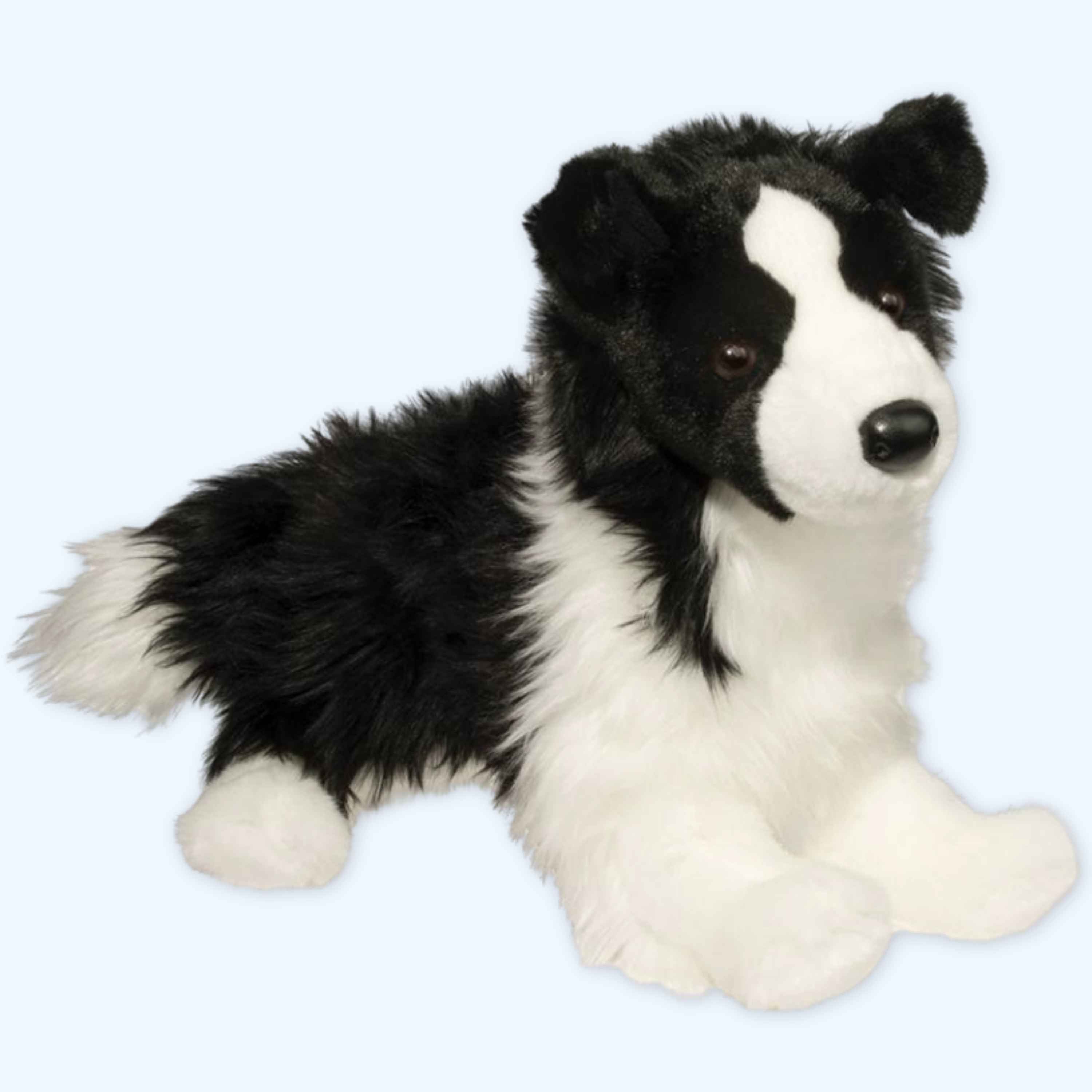
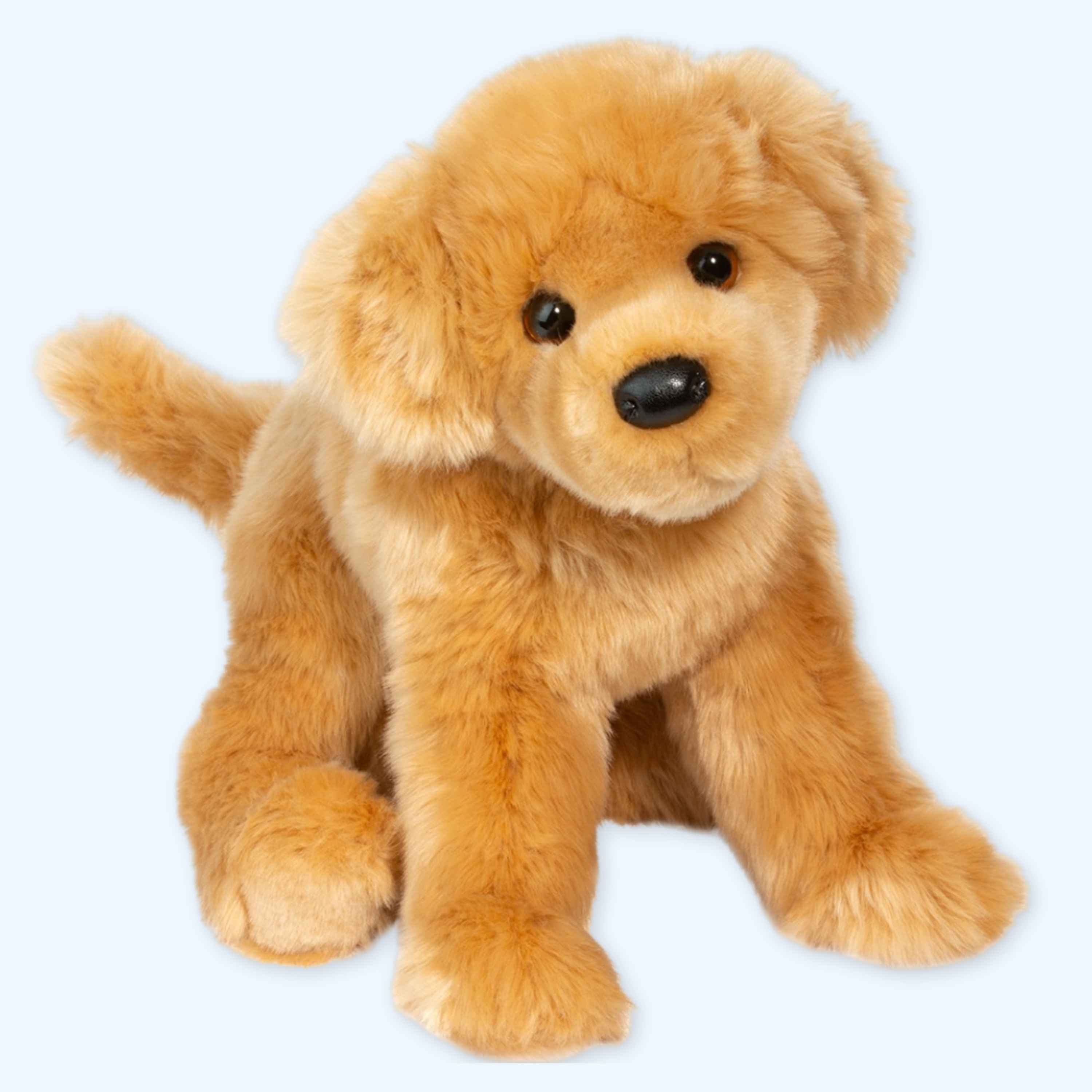
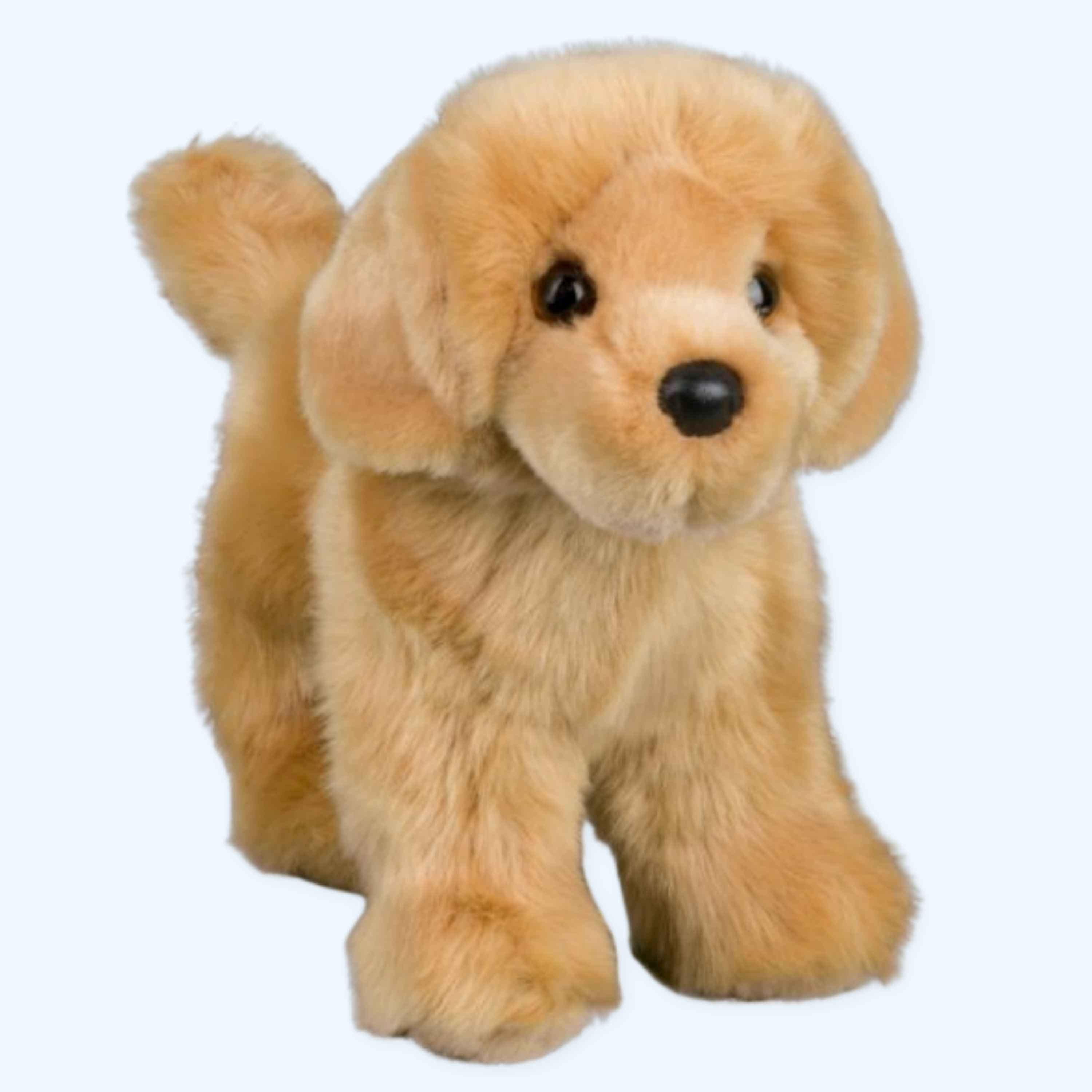
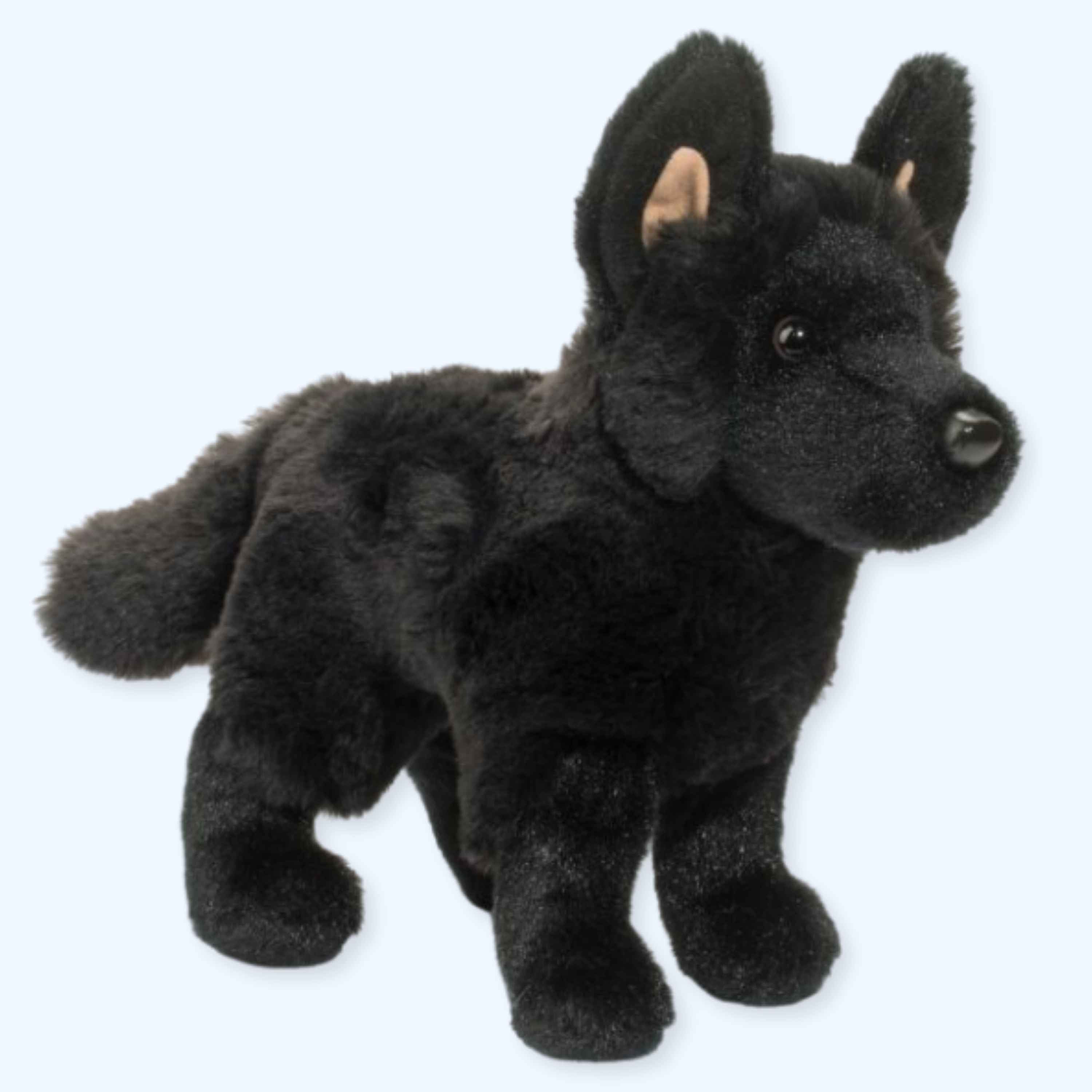
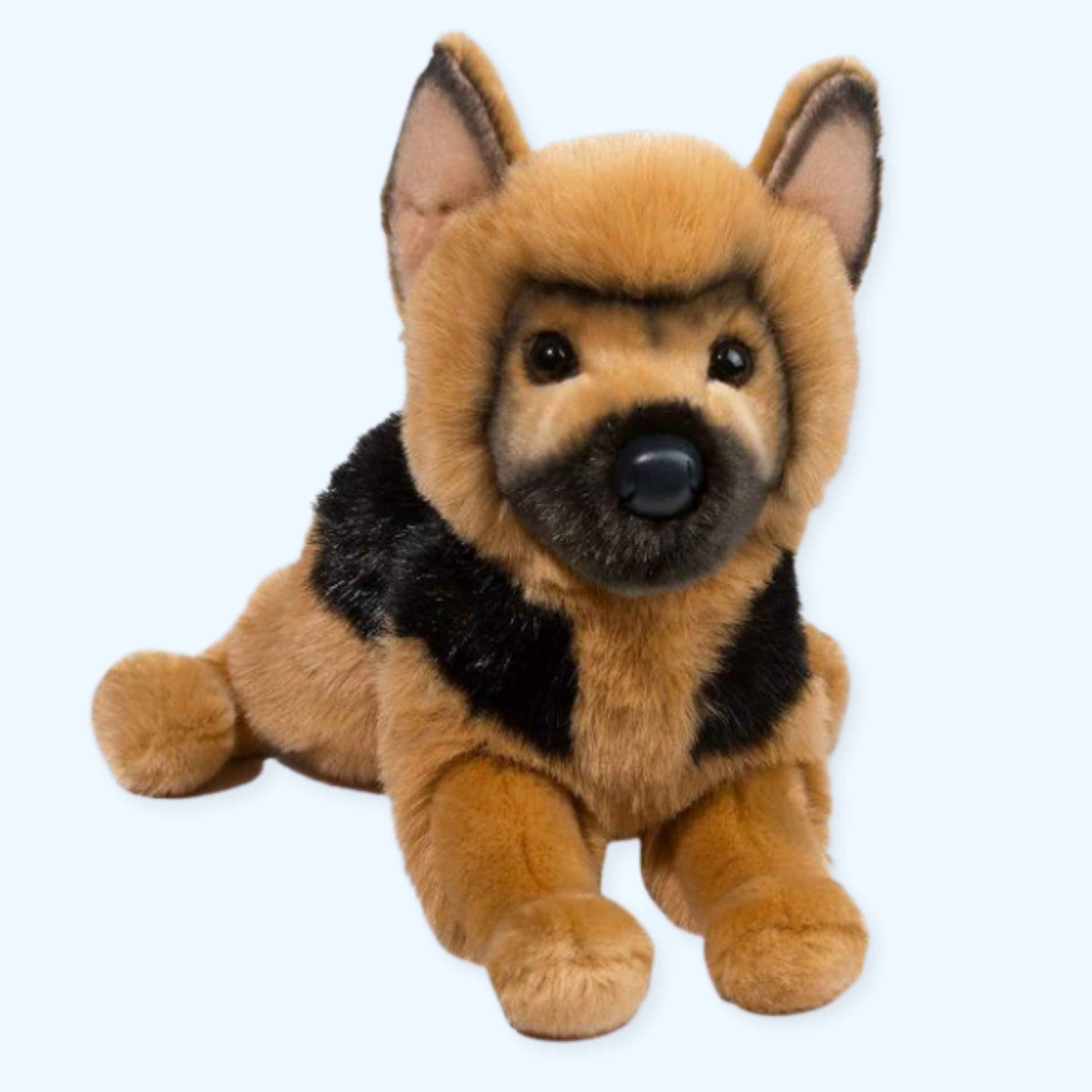
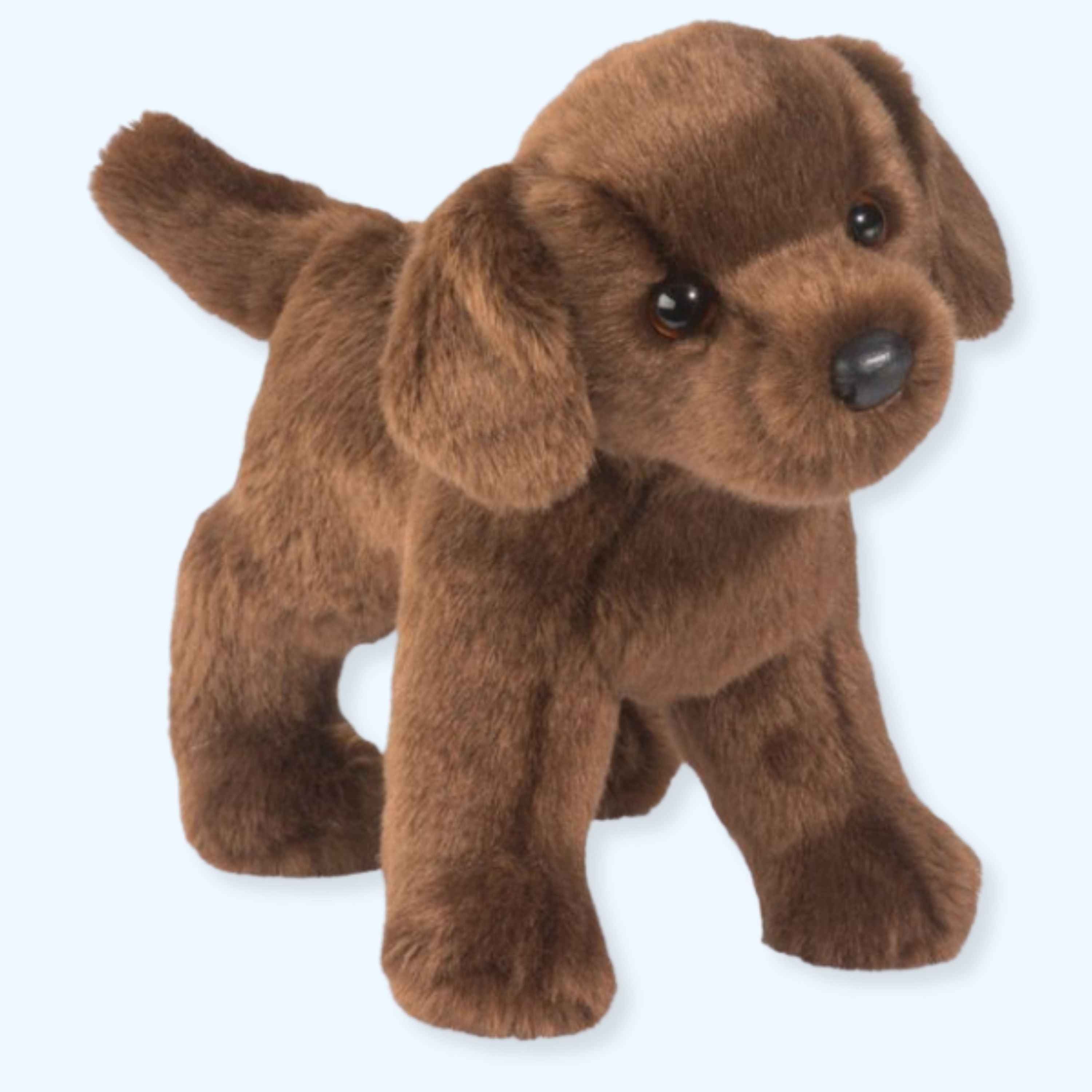
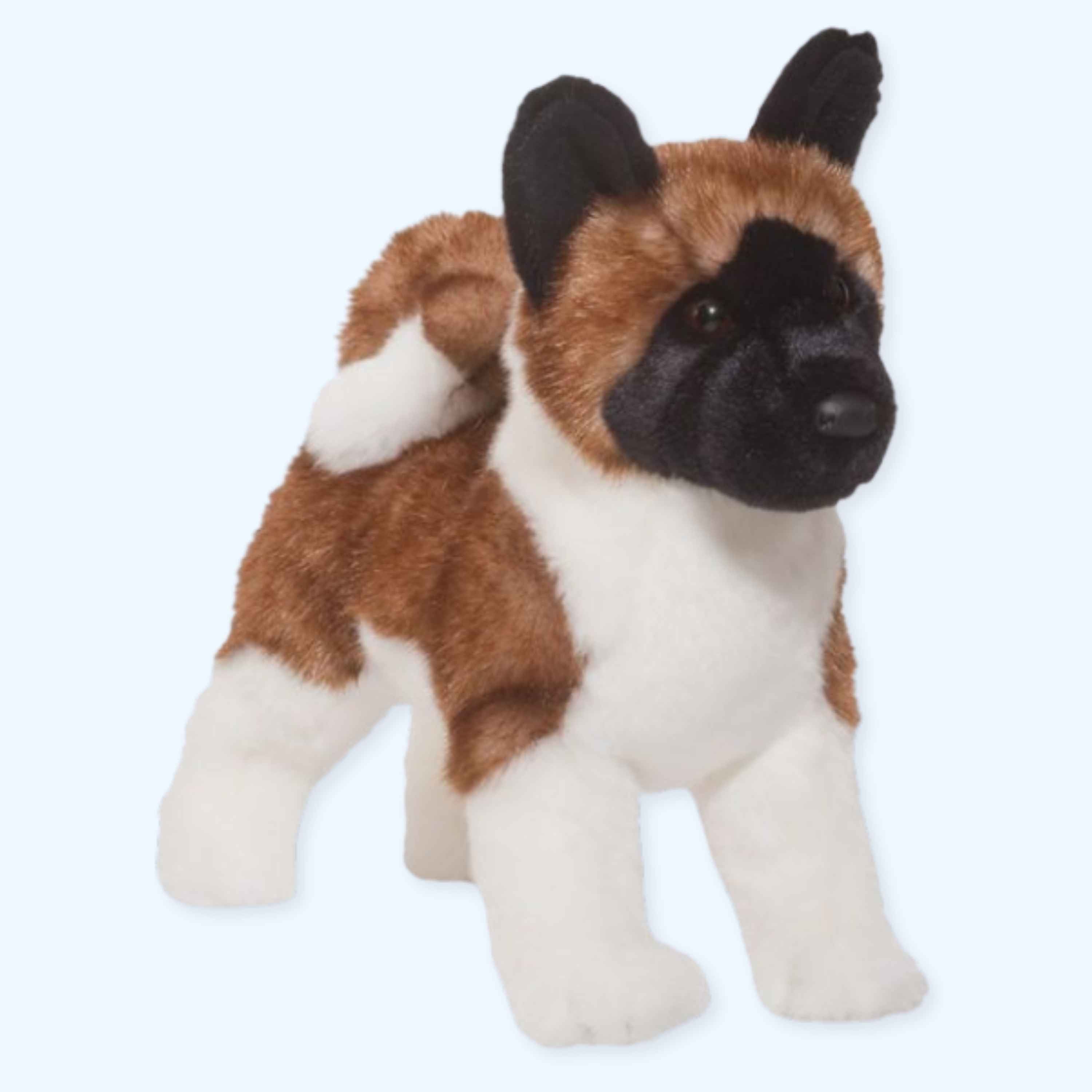
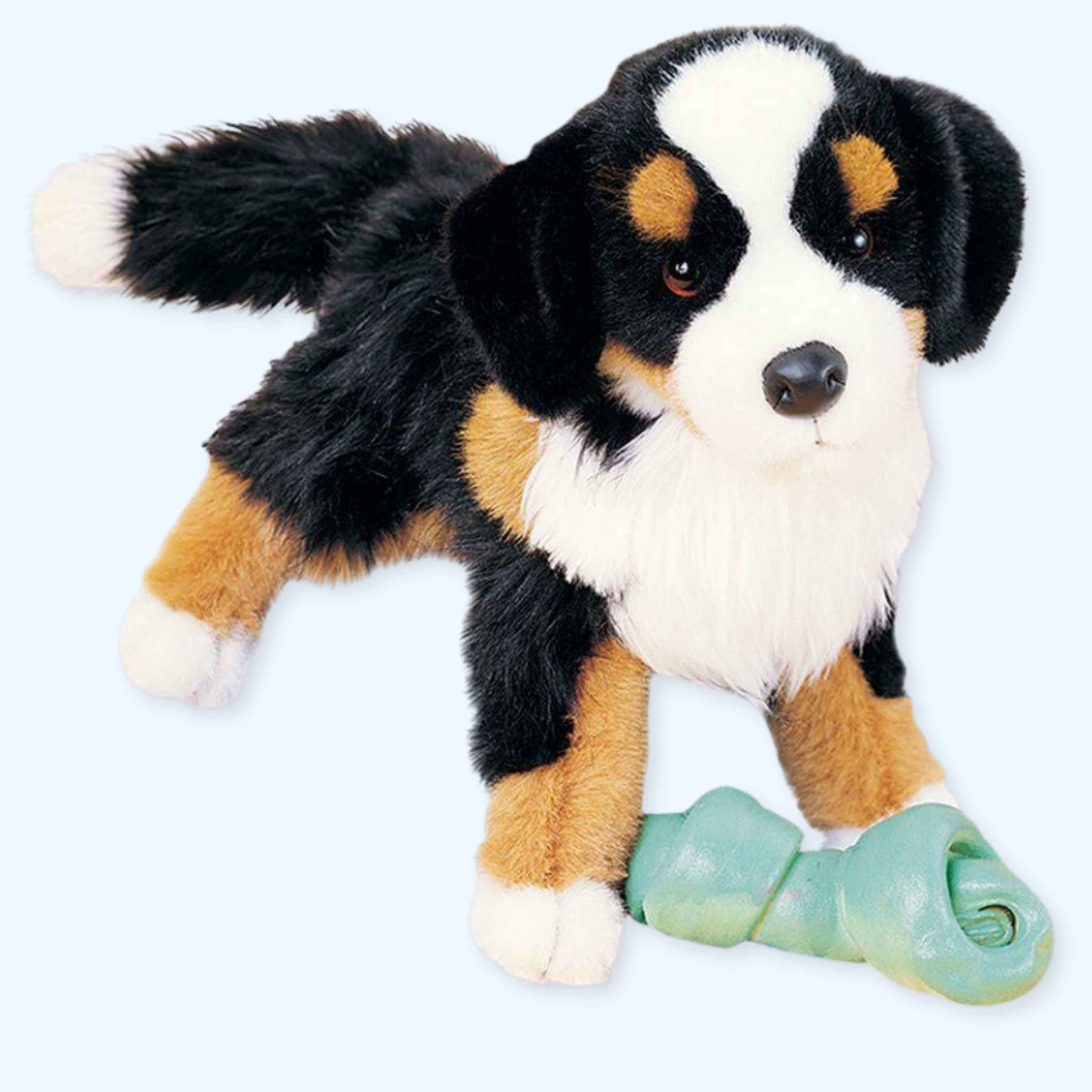
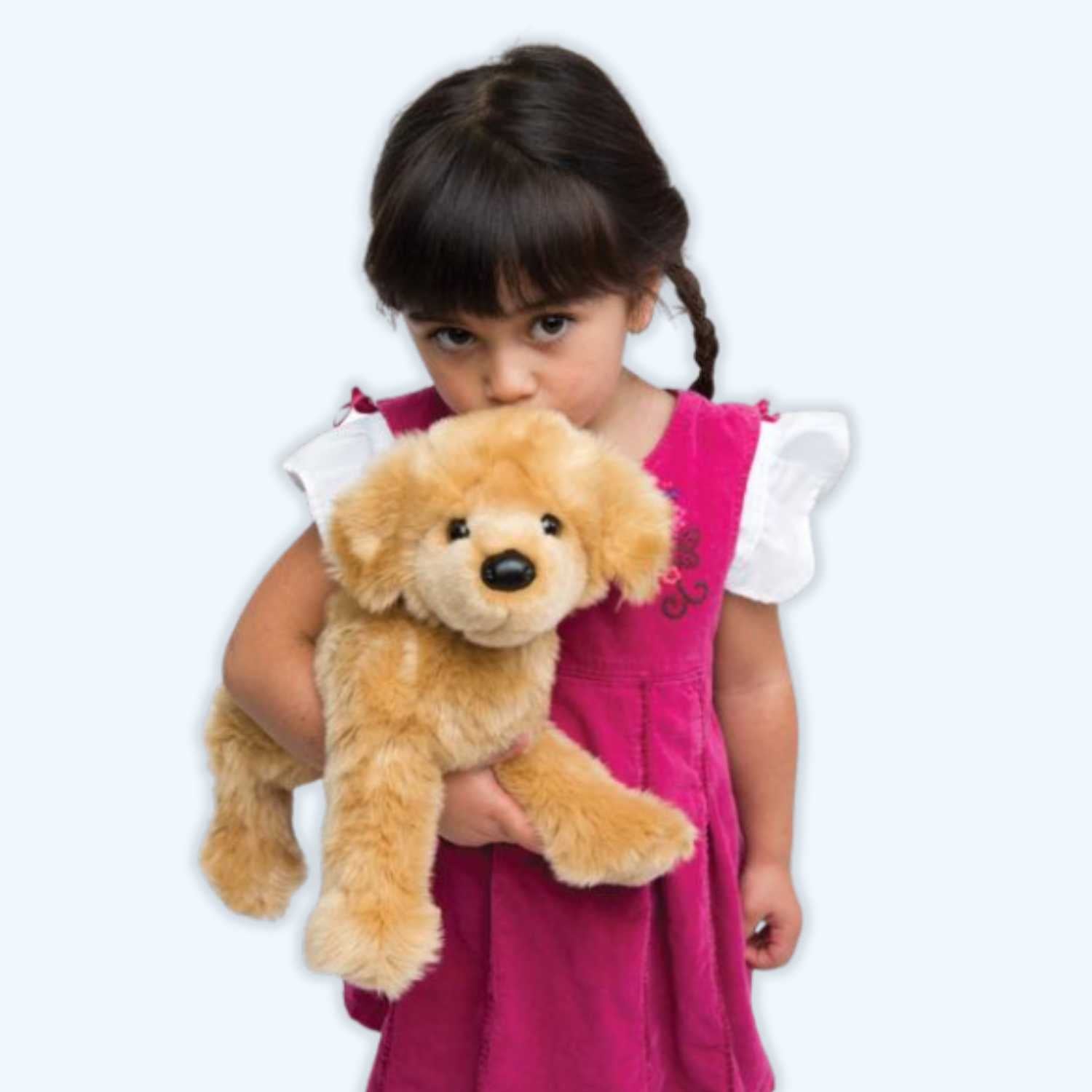
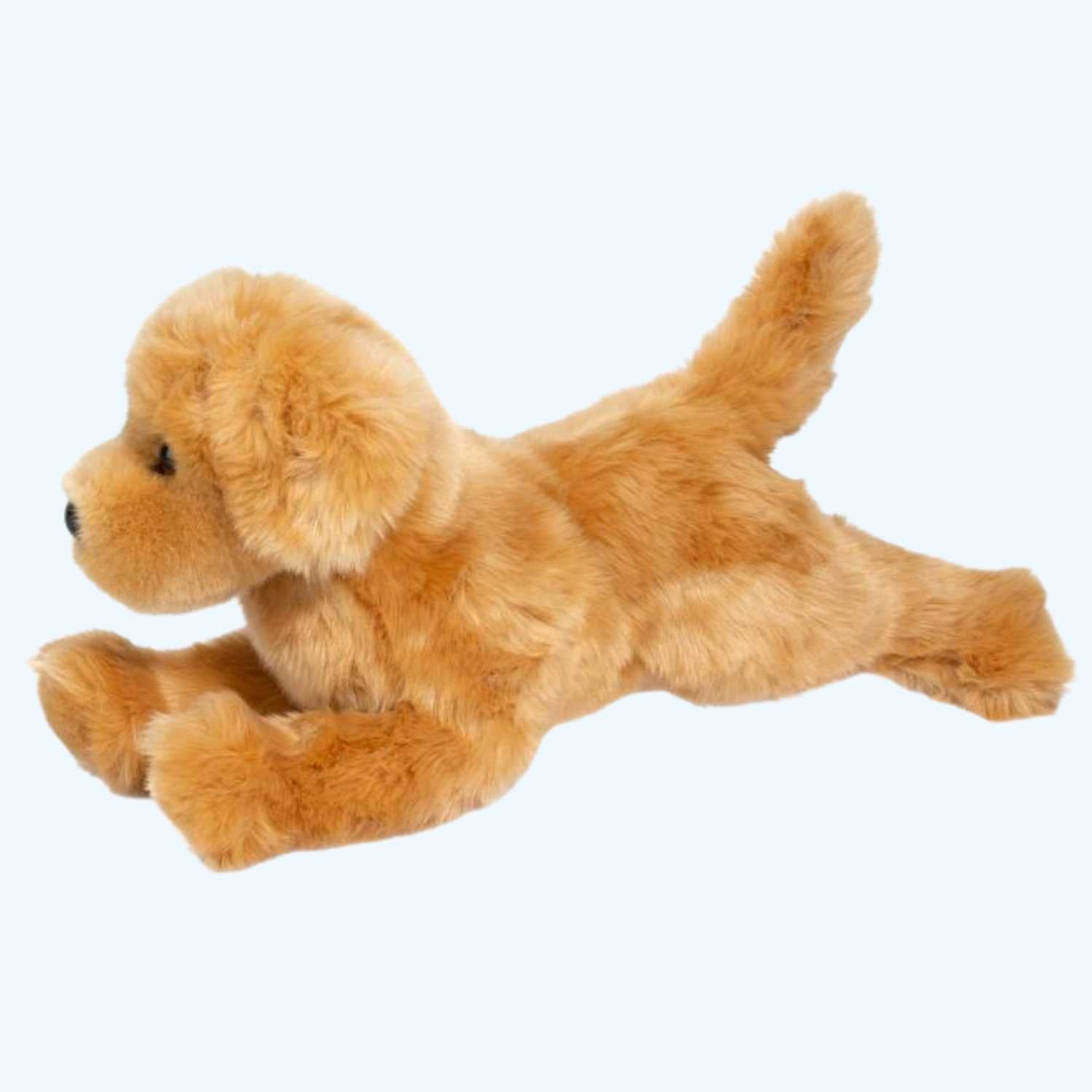
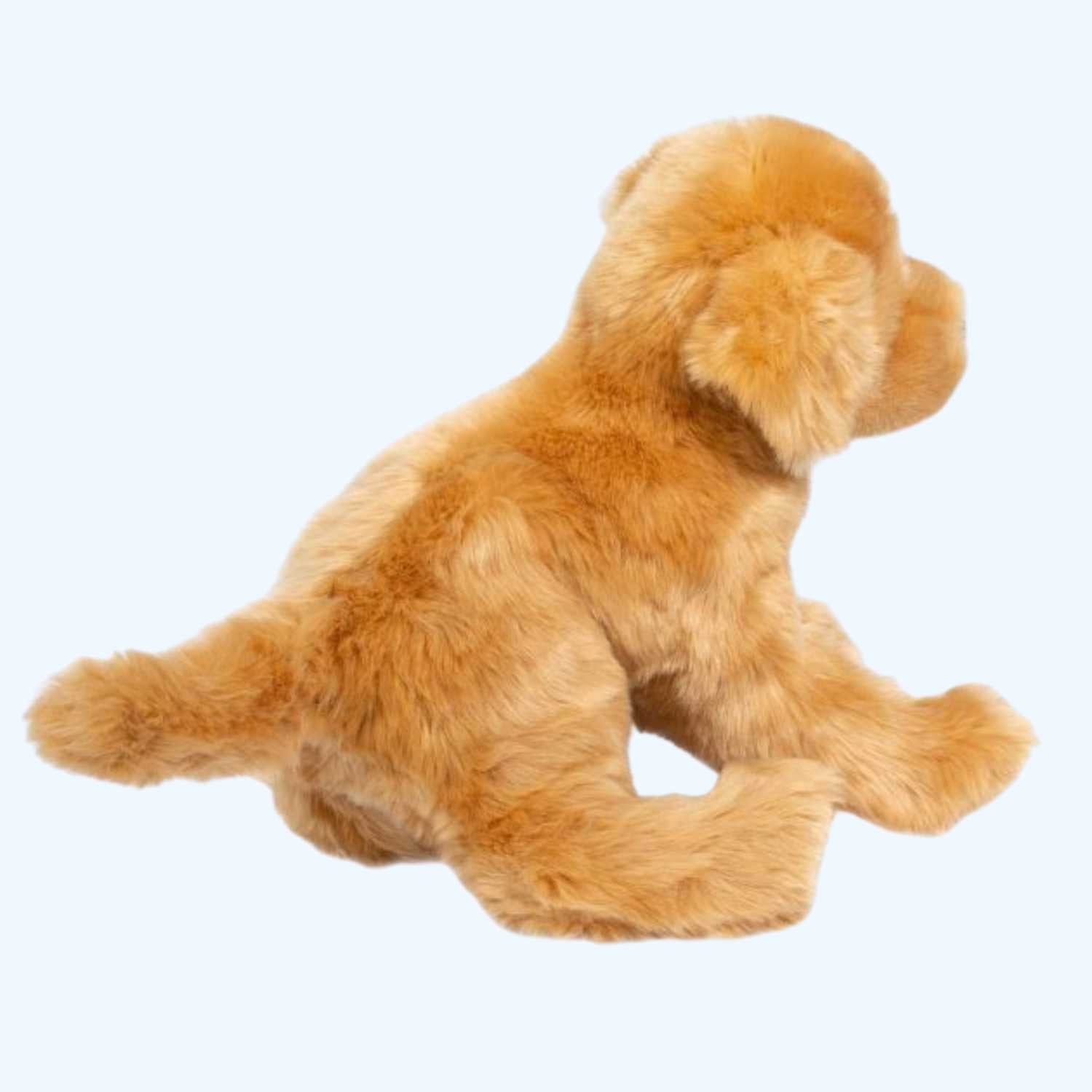
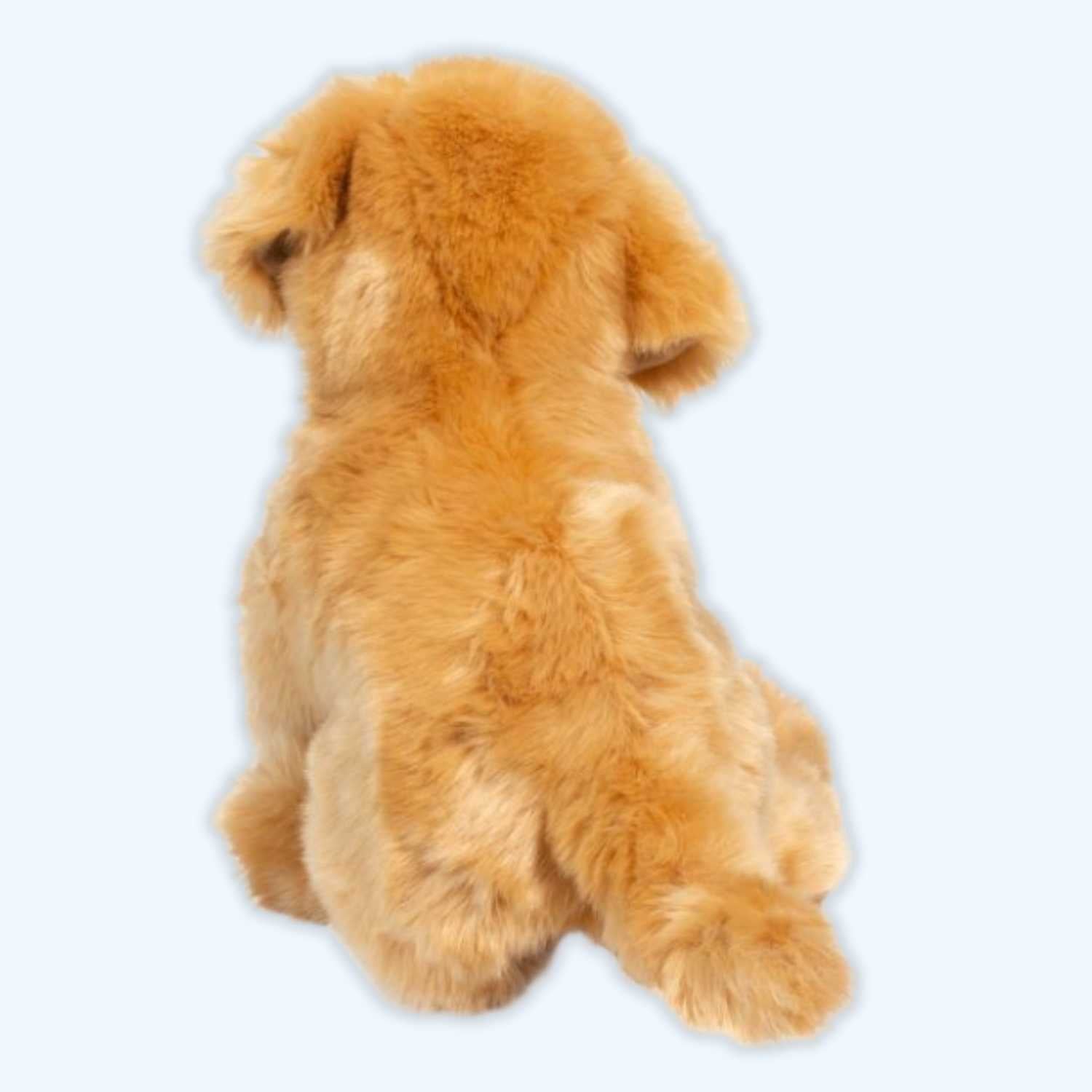
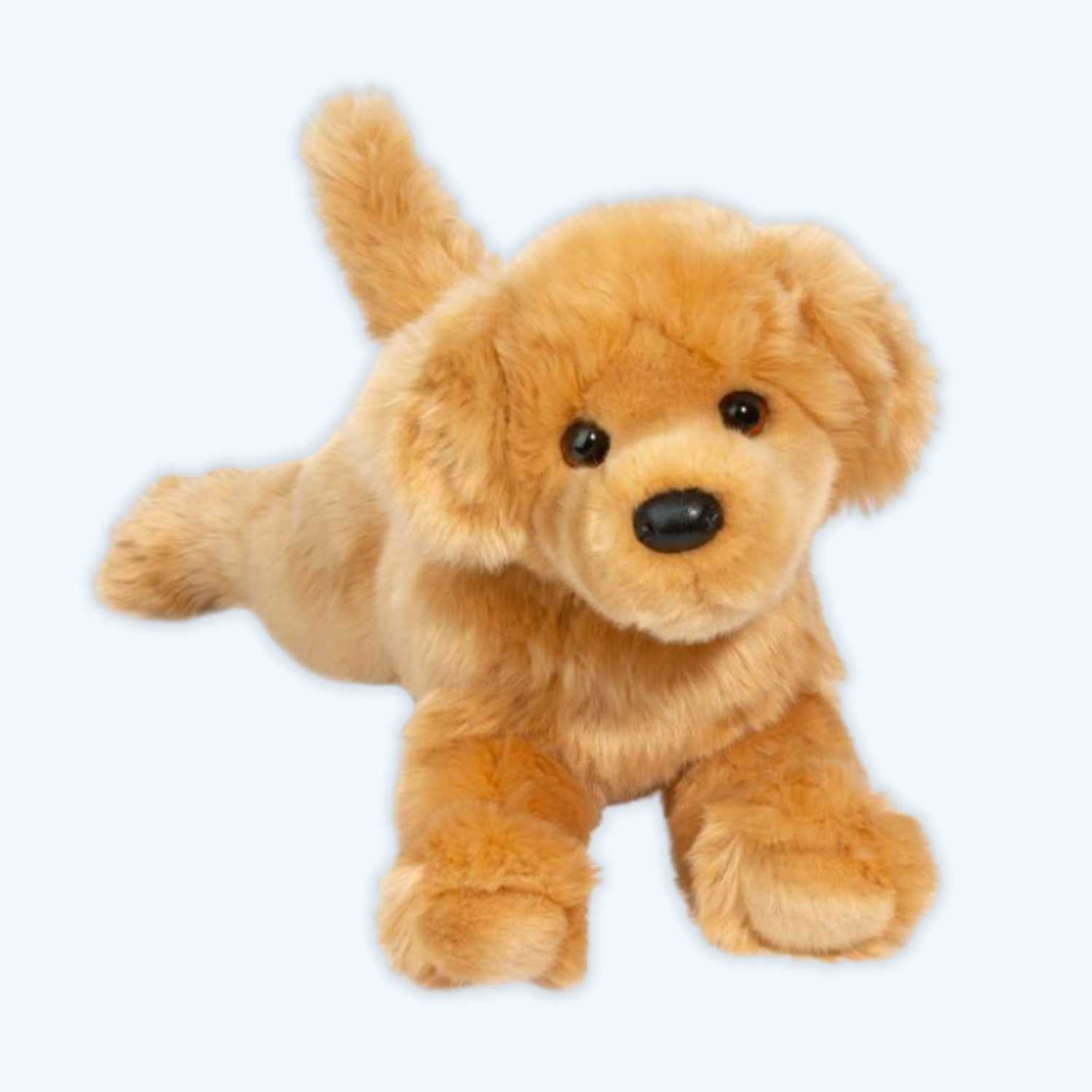
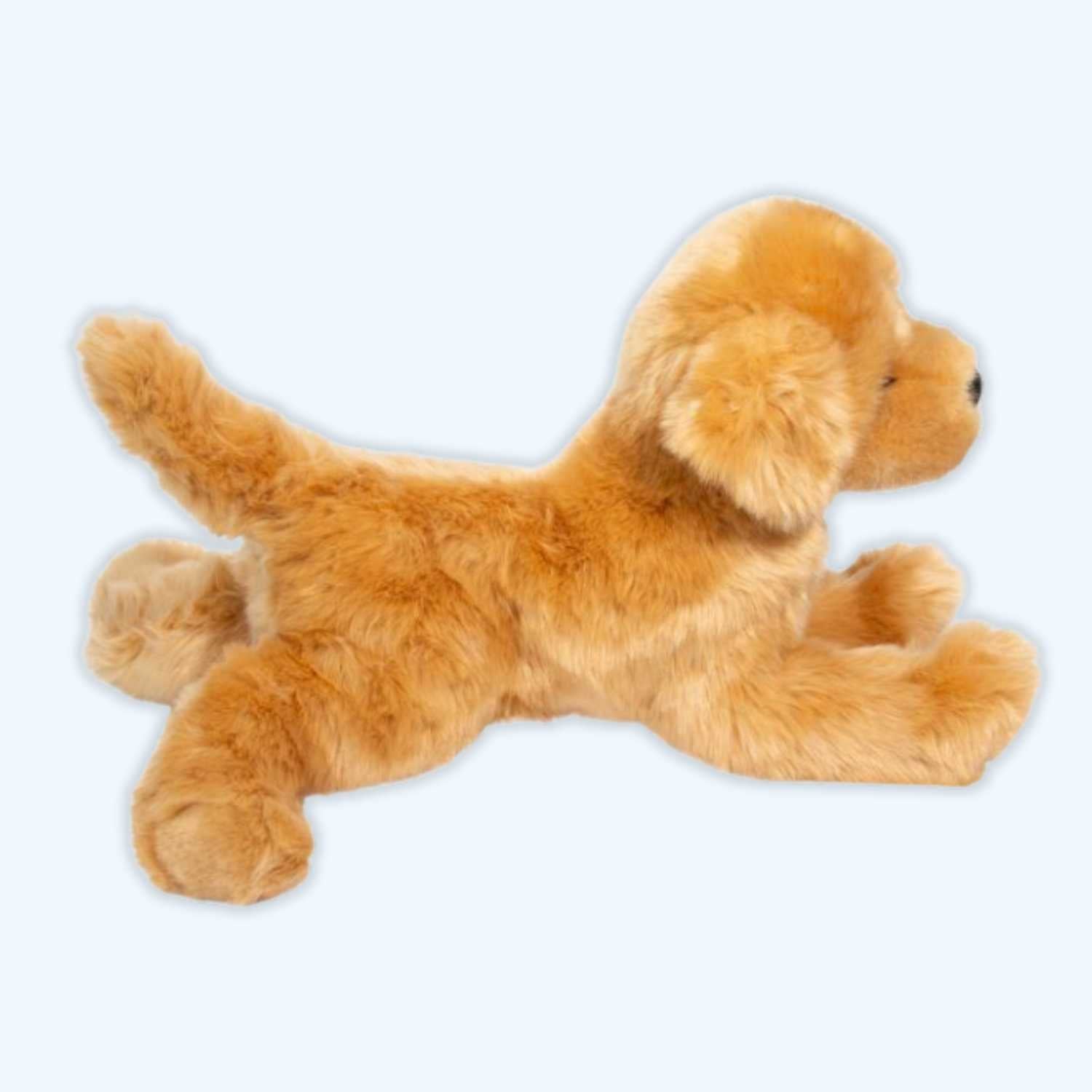
Few things illustrate the gap between a quality plush toy and a generic soft toy better than looking at what established manufacturers actually produce. Douglas is a strong example—their toys are built with better materials, tighter production standards, and a level of detail that's genuinely hard to find at the same price point.
That consistency isn't accidental. It comes from experience: knowing which fabrics hold up, how stuffing should be distributed, and how features need to be attached to survive real use. Whether it's a lifelike wildlife figure or a fantastical character, that care in construction is visible—and it's why Douglas toys still look good after years of washing and heavy handling.
Making the Right Choice for Your Needs
For Everyday Play
For children who play hard, the label on the tag is the least important thing. What actually matters is whether the toy can be washed, whether it'll hold together through rough handling, and whether it meets the right safety standards for the child's age. Focus on those things and the terminology takes care of itself.
For Comfort and Sleep
A good bedtime companion needs to feel genuinely soft and consistent to hold. Plush toys tend to do well here—the fabric quality and even stuffing distribution make them more comforting to squeeze, which can make a real difference for children who are anxious or particularly tactile.
For Gifts and Special Occasions
A premium plush toy makes a genuinely impressive gift—not just because it looks good, but because it lasts. When you choose something made with better materials and proper construction, you're showing real thoughtfulness, and these toys often become treasured keepsakes rather than forgotten playthings.
For Collecting and Display
Serious collectors tend to seek out plush toys from manufacturers with a proven track record. Better materials mean the toy holds its appearance over time, and strong brand recognition is part of what gives a piece its collectible value in the first place.
Care and Maintenance Differences
Washing Considerations
A well-made plush toy is built to be washed. Denser stuffing keeps its shape, and reinforced seams don't give way the way cheaper construction does—which is exactly why lower-quality soft toys often come out of the machine misshapen or starting to fall apart. Always check the care label first, but a quality plush can usually handle a gentle machine wash that would ruin something made to a lower standard.
Long-term Preservation
Better-made toys simply age better. The materials stay intact, the shape holds, and the toy still looks presentable years down the line. When you factor in how often cheaper alternatives need replacing, the higher upfront cost of a quality plush starts to look like the more sensible option.
The Bottom Line: Quality Over Labels
Honestly, whether something is called a soft toy or a plush toy tells you less than looking at what it's made of and who made it. A well-constructed toy from a brand with a solid reputation will outlast a poorly made one no matter what the label says.
Think about what you actually need it for. If it's going to be played with every day, durability is the priority. If it's a comfort toy, softness and consistency matter most. If it's for a collection, craftsmanship and brand reputation should drive the decision.
The UK market has strong options across all of these—from affordable soft toys that do the job for everyday play, to premium plush companions built to stay looking good for decades. Knowing the difference means you can choose with confidence rather than just hoping for the best.
Ready to explore premium plush toys that demonstrate these quality differences? Visit essauk.com to discover authentic Douglas plush toys and see craftsmanship standards in action.