Article: Eco-Friendly and Sustainable Soft Toys in the UK — What to Look For
Eco-Friendly and Sustainable Soft Toys in the UK — What to Look For
More parents are asking the same question: how do I find soft toys that won't harm the planet my children will inherit? The good news is that sustainable plush toys have moved far beyond scratchy hemp bears and bland organic cotton. Premium brands now create beautifully crafted, eco-friendly soft toys that children actually want to cuddle.
But navigating the green toy market isn't straightforward. Vague "eco-friendly" labels don't tell you much, and genuine sustainability involves everything from raw materials to manufacturing processes. Here's what actually matters when you're shopping for sustainable soft toys in the UK.
Why Sustainable Soft Toys Matter
Traditional soft toy production creates significant environmental impact. Conventional polyester stuffing comes from petroleum. Synthetic fabrics shed microplastics during washing. Many toys travel thousands of miles before reaching UK shelves, racking up carbon emissions.
The scale matters too. The global toy industry produces over 80 billion toys annually, with soft toys representing a substantial portion. When these toys reach end-of-life, most head straight to landfill where synthetic materials persist for decades.
Sustainable alternatives address these problems through better materials, ethical manufacturing, and longer-lasting design. They're not just better for the environment—they're often safer for children and built to last through years of love.
Materials That Make a Difference
Organic Cotton and Natural Fibres
Organic cotton forms the foundation of most eco-friendly soft toys. Unlike conventional cotton, organic varieties avoid synthetic pesticides and fertilisers that damage soil and waterways. The Global Organic Textile Standard (GOTS) certification ensures cotton meets strict environmental and social criteria throughout the supply chain.
Look beyond just "organic" labels. GOTS-certified cotton guarantees the entire production process—from harvesting to dyeing—meets environmental standards. This certification also covers fair labour practices, making it a comprehensive sustainability marker.
Other natural fibres worth seeking include organic wool, hemp, and bamboo. Organic wool offers natural antibacterial properties and durability. Hemp grows quickly with minimal water and actually improves soil health. Bamboo provides natural softness, though processing methods vary in environmental impact.
Recycled and Upcycled Materials
Recycled polyester stuffing transforms plastic bottles into soft toy filling. While still synthetic, this approach diverts waste from landfills and reduces demand for virgin petroleum-based materials. Quality recycled stuffing maintains the plushness children expect while cutting environmental impact.
Some innovative brands go further with upcycled materials. They transform textile waste, old clothing, or production offcuts into new soft toys. This circular approach keeps materials in use longer and reduces overall waste.
Natural Dyes and Safe Colouring
Conventional textile dyes often contain heavy metals and toxic chemicals that pollute waterways during production. Sustainable soft toys use natural dyes from plants, minerals, or low-impact synthetic alternatives that meet strict safety standards.
OEKO-TEX Standard 100 certification indicates textiles have been tested for harmful substances. For soft toys, this means dyes and treatments won't irritate sensitive skin or pose health risks if children put toys in their mouths.
Manufacturing and Production Standards
Ethical Manufacturing Practices
Sustainable soft toys should come from factories that treat workers fairly. Look for brands that maintain transparent supply chains and partner with certified ethical manufacturers. Fair Trade certification, while less common in soft toys, indicates strong labour standards.
Many sustainable toy brands work directly with small-scale producers or cooperatives. This approach often ensures better working conditions and supports local communities in manufacturing regions.
Energy and Water Efficiency
Progressive manufacturers invest in renewable energy, water recycling systems, and waste reduction programmes. While this information isn't always prominently displayed, brands committed to sustainability often share these details on their websites or packaging.
Solar-powered factories, closed-loop water systems, and zero-waste production goals indicate manufacturers taking environmental responsibility seriously.
Local and Regional Production
Toys manufactured closer to the UK market reduce transportation emissions significantly. European production often means higher environmental and labour standards compared to some overseas alternatives.
Some UK-based soft toy manufacturers have emerged, offering the shortest possible supply chains. While often more expensive, locally-made toys support domestic employment and minimise transport impact.
Key Certifications to Look For
Global Organic Textile Standard (GOTS)
GOTS represents the gold standard for organic textile certification. It covers environmental criteria including organic fibre requirements, chemical restrictions, and wastewater treatment standards. The social criteria ensure fair labour practices throughout the supply chain.
For soft toys, GOTS certification means organic materials, safe processing, and ethical production. It's one of the most comprehensive sustainability certifications available.
OEKO-TEX Standards
OEKO-TEX Standard 100 tests for harmful substances in textiles. For children's toys, this certification ensures materials won't cause skin irritation or health problems.
OEKO-TEX Eco Passport goes further, certifying that textile chemicals and components meet ecological requirements. Made in Green combines substance testing with social and environmental production standards.
Cradle to Cradle Certified
This certification assesses products across five categories: material health, renewable energy use, water stewardship, social fairness, and material reutilisation. While less common in soft toys, Cradle to Cradle represents comprehensive sustainability thinking.
Forest Stewardship Council (FSC)
For toys containing wood components or cardboard packaging, FSC certification ensures responsible forest management. While primarily relevant for wooden toys, some soft toy brands use FSC-certified packaging materials.
Durability and Design for Longevity
Sustainable soft toys should last years, not months. Well-constructed toys with reinforced seams, quality stitching, and durable materials reduce replacement frequency and overall environmental impact.
Look for toys with removable, washable covers or those designed for easy repair. Some brands offer repair services or replacement parts, extending toy lifespans significantly.
Timeless designs matter too. Classic teddy bears and simple animal shapes remain appealing longer than character-based toys tied to temporary trends. This design philosophy supports sustainability by creating toys children won't quickly outgrow.
Packaging and End-of-Life Considerations
Sustainable brands minimise packaging and choose recyclable or compostable materials. Plastic-free packaging using cardboard, paper, or plant-based alternatives demonstrates environmental commitment.
Some companies design toys for disassembly, allowing different materials to be properly recycled at end-of-life. While rare, this forward-thinking approach represents the future of sustainable toy design.
Consider brands offering take-back programmes or recycling services. These initiatives ensure toys don't end up in landfill when children eventually outgrow them.
Premium Sustainable Options in the UK Market
The sustainable soft toy market has matured significantly. Premium brands now offer eco-friendly options that rival conventional toys in quality and appeal.
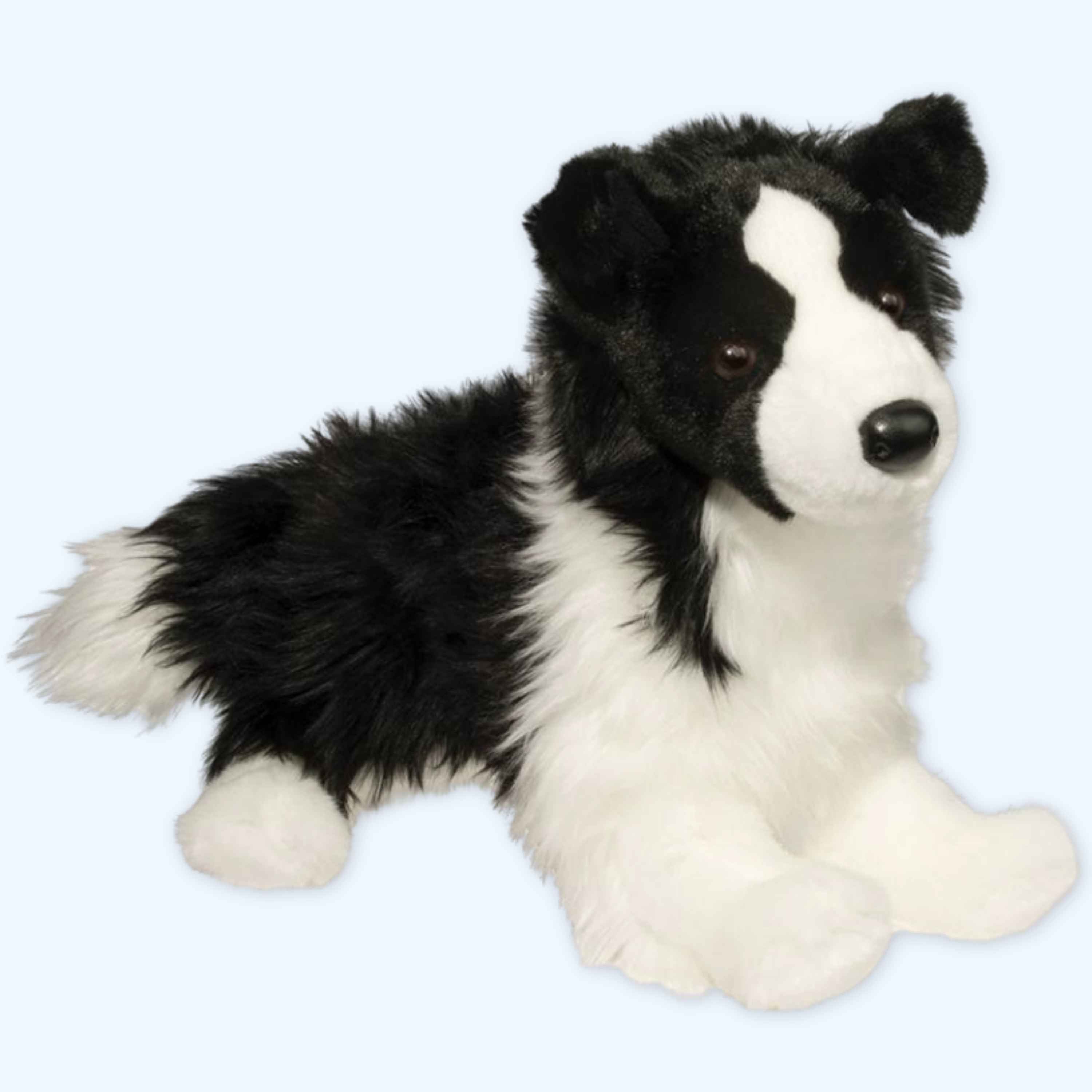
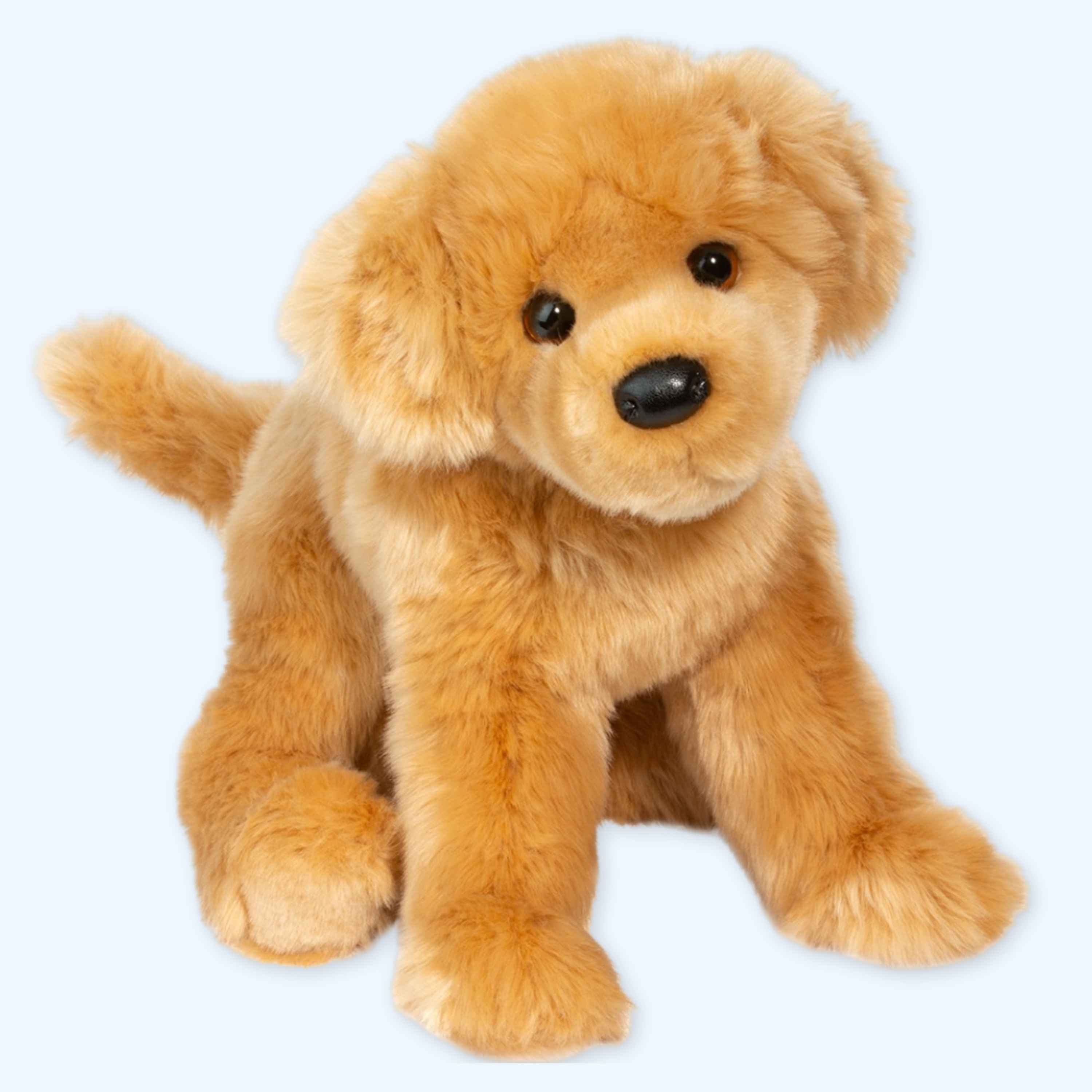
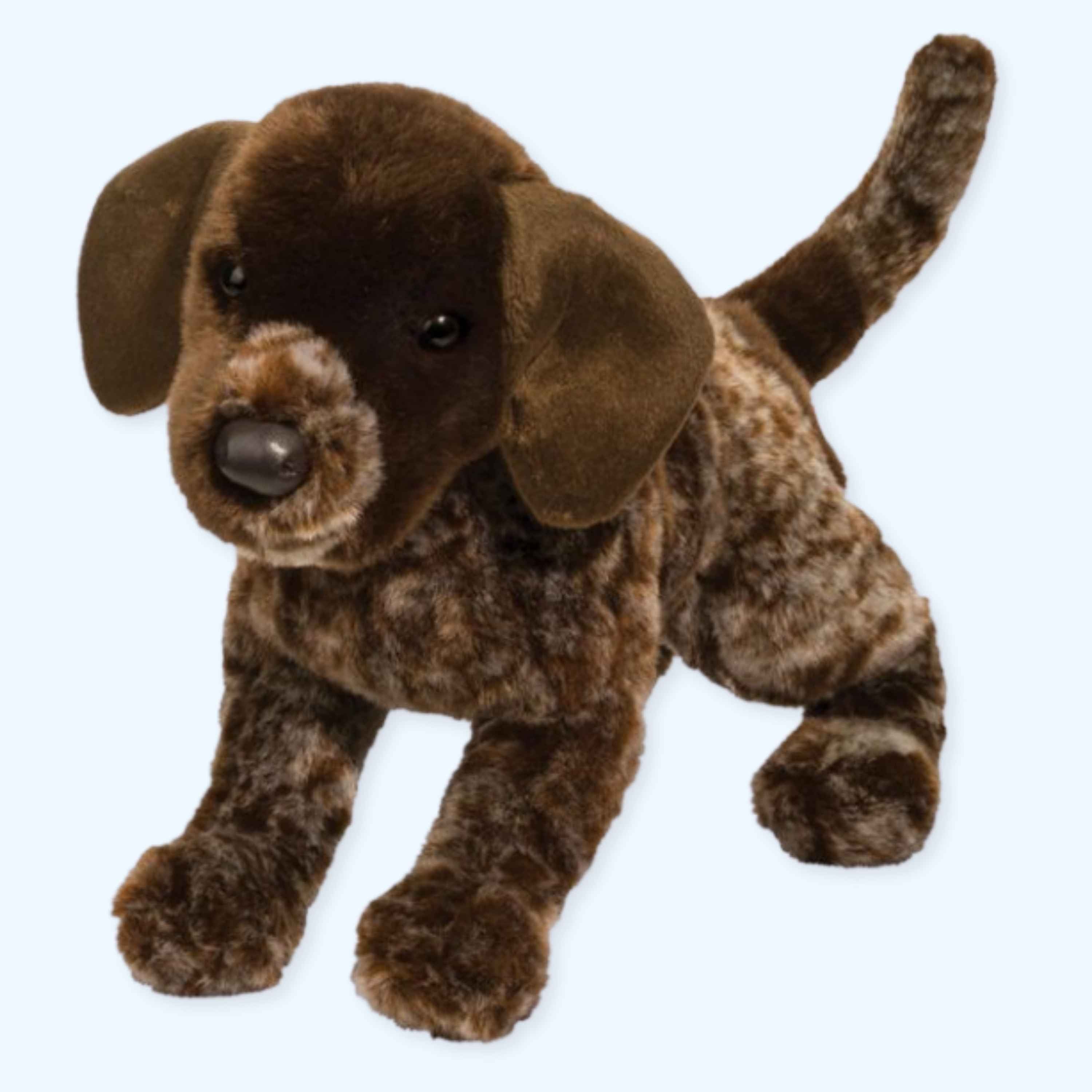
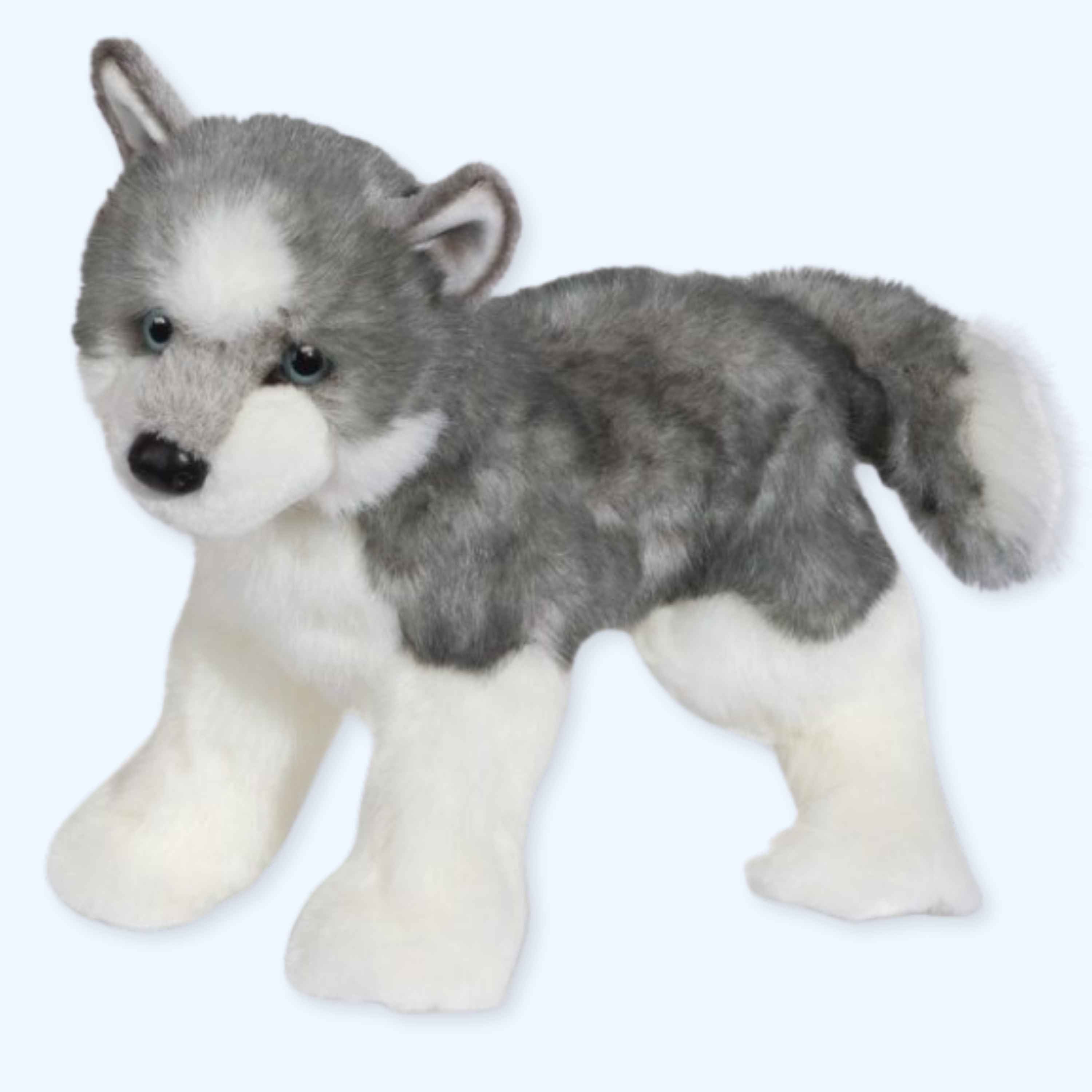
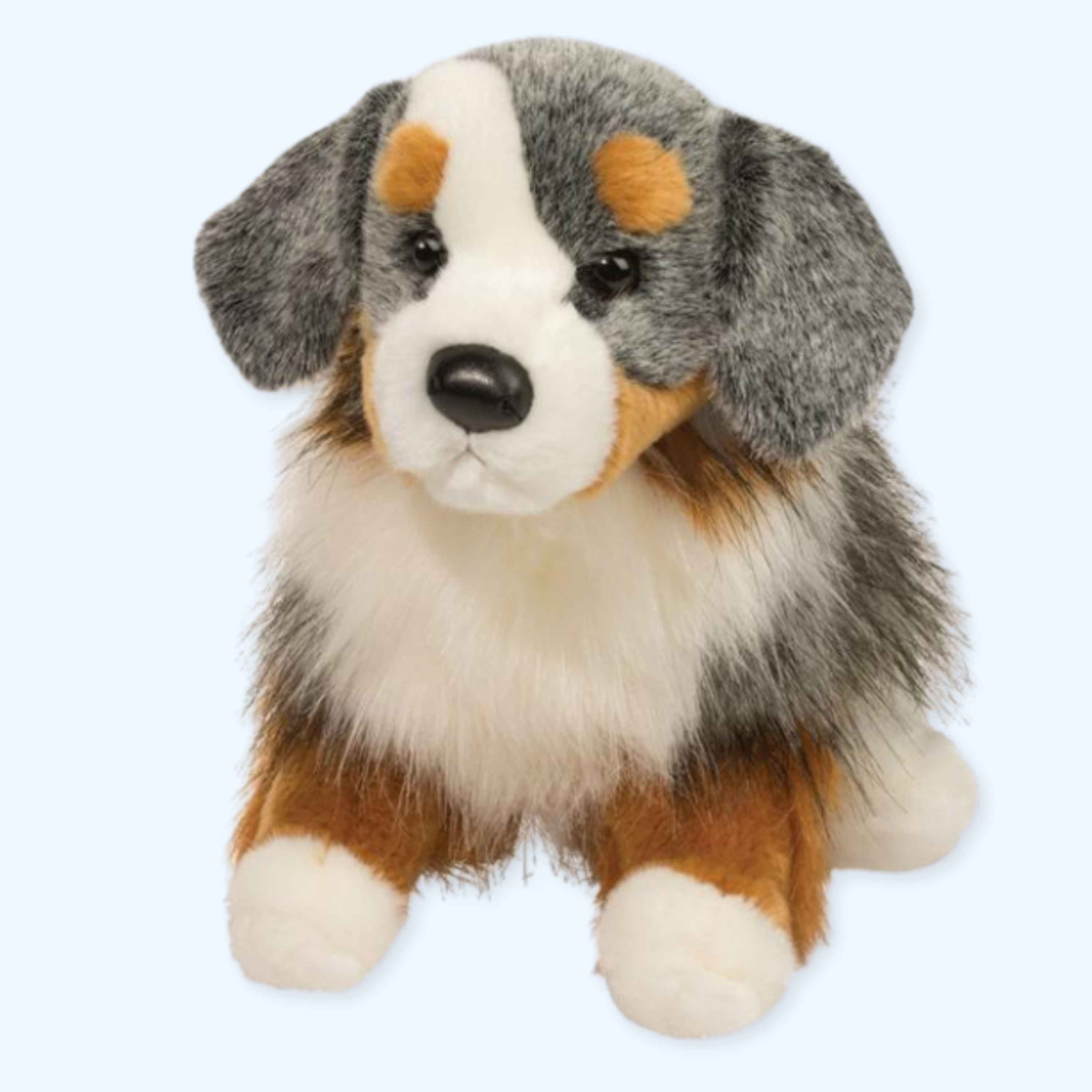
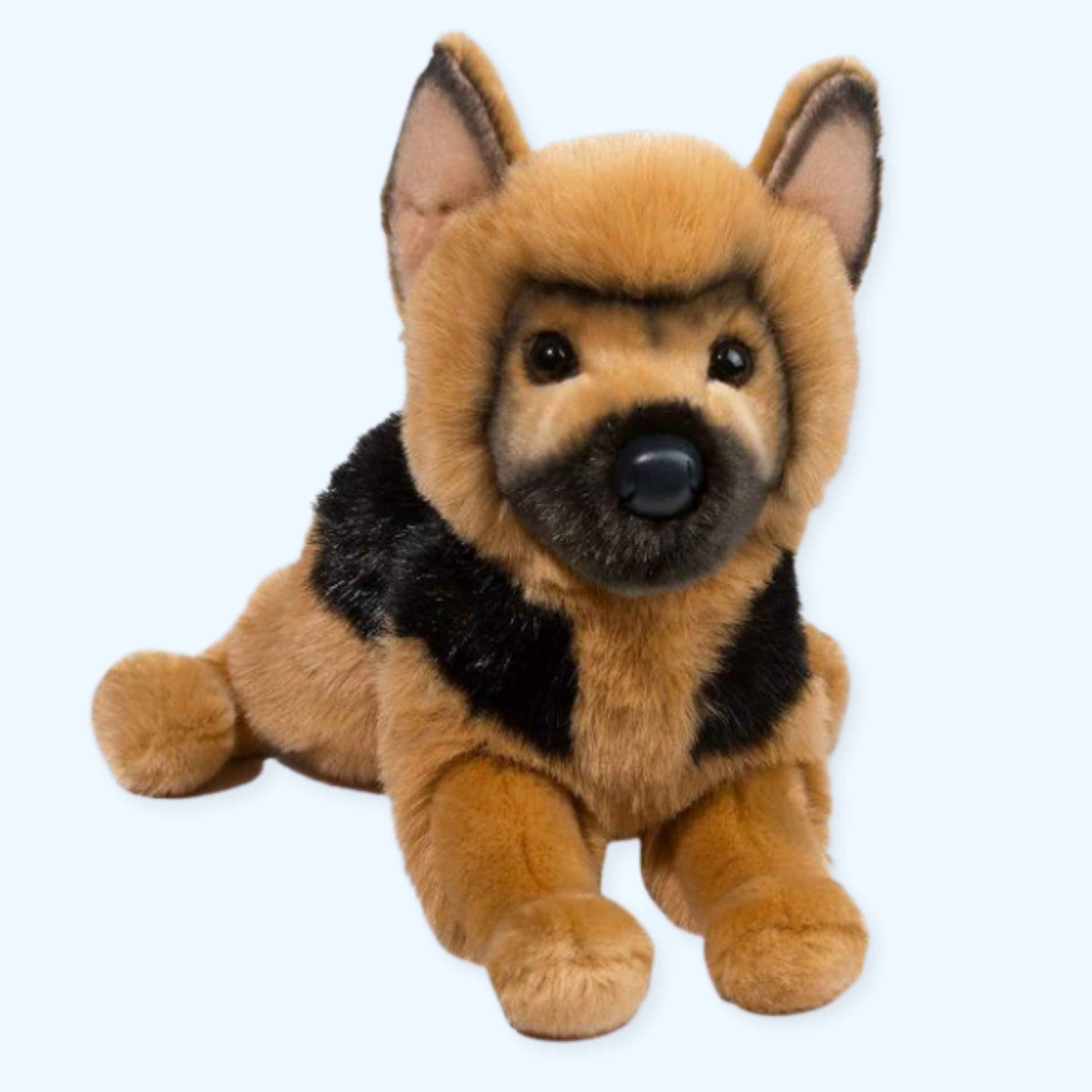
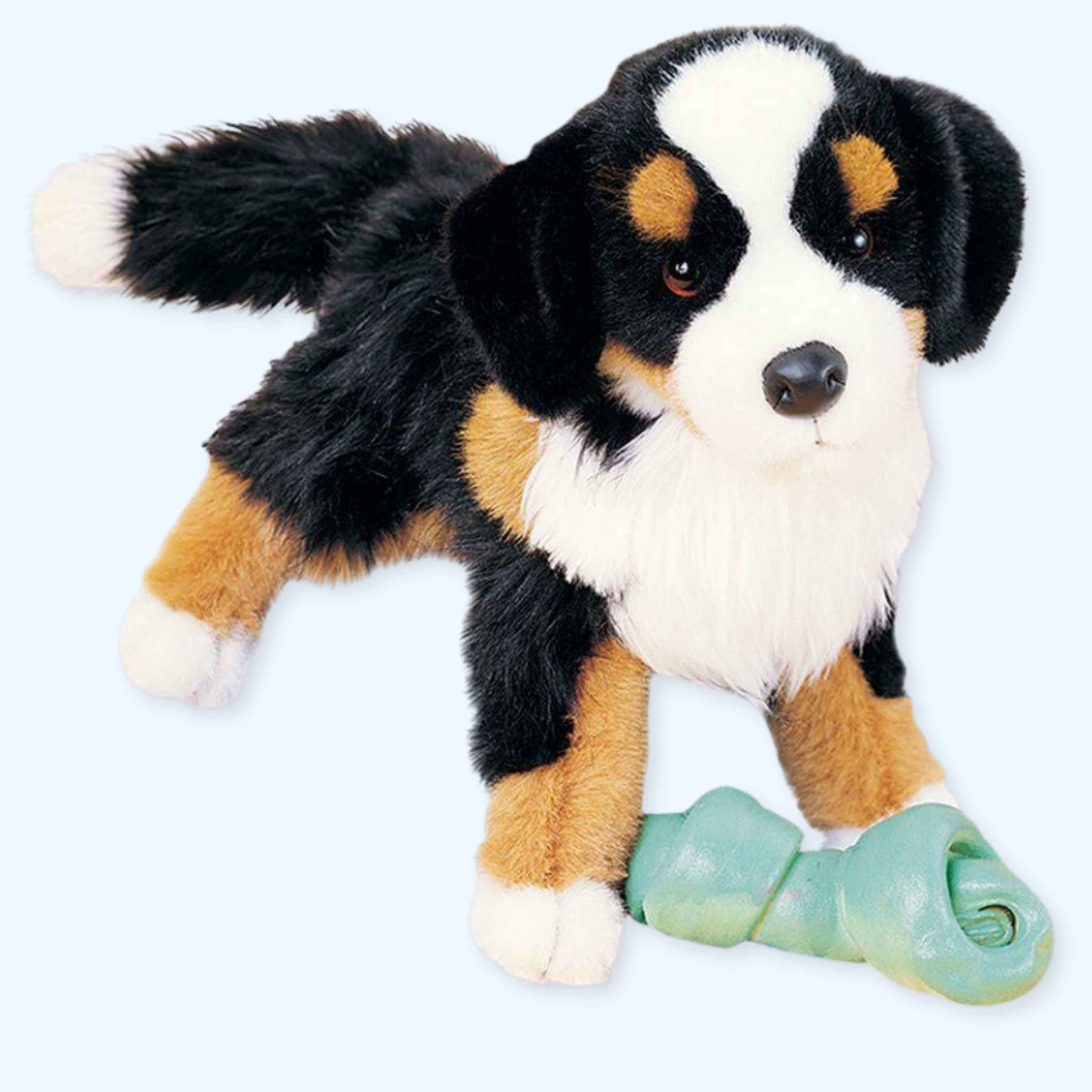
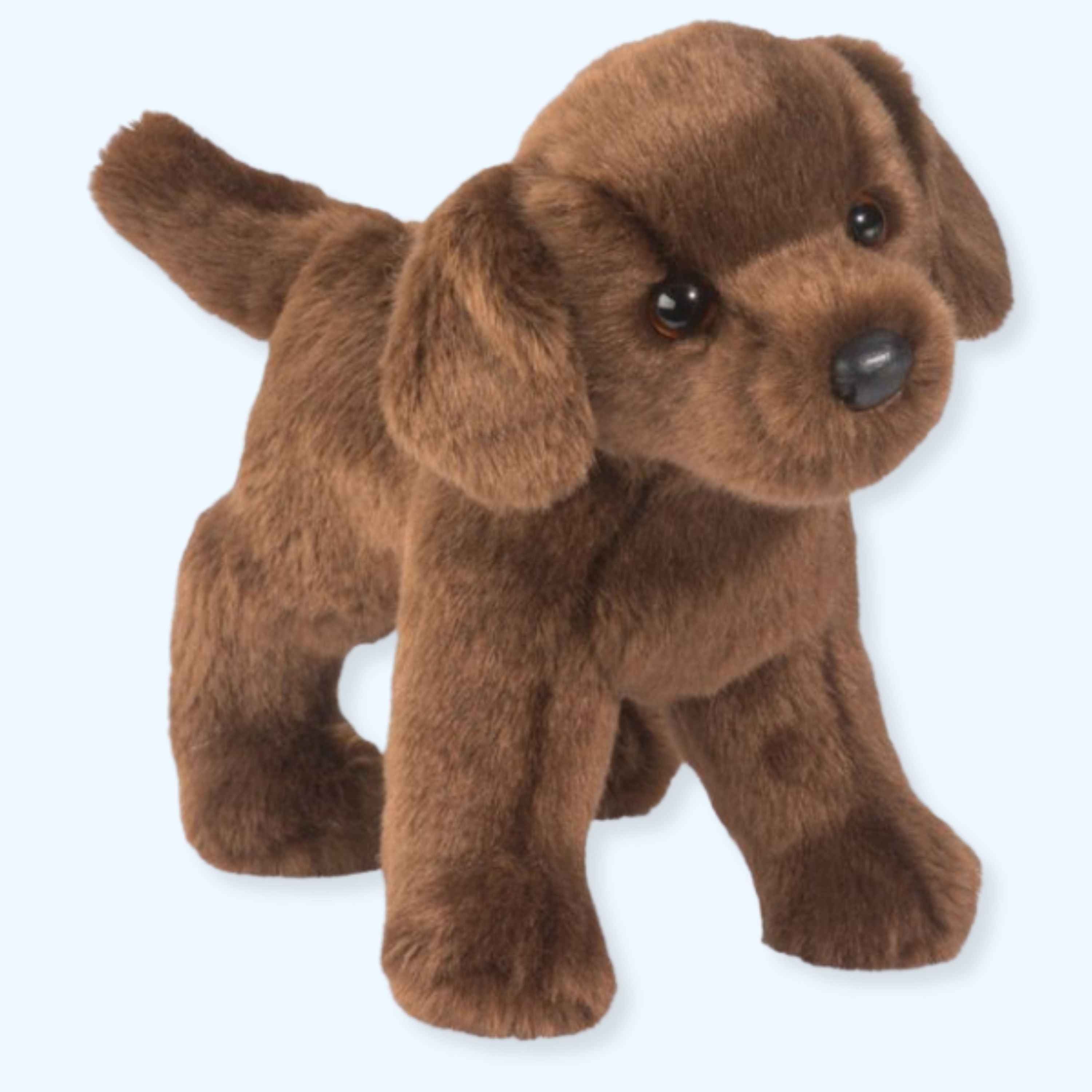
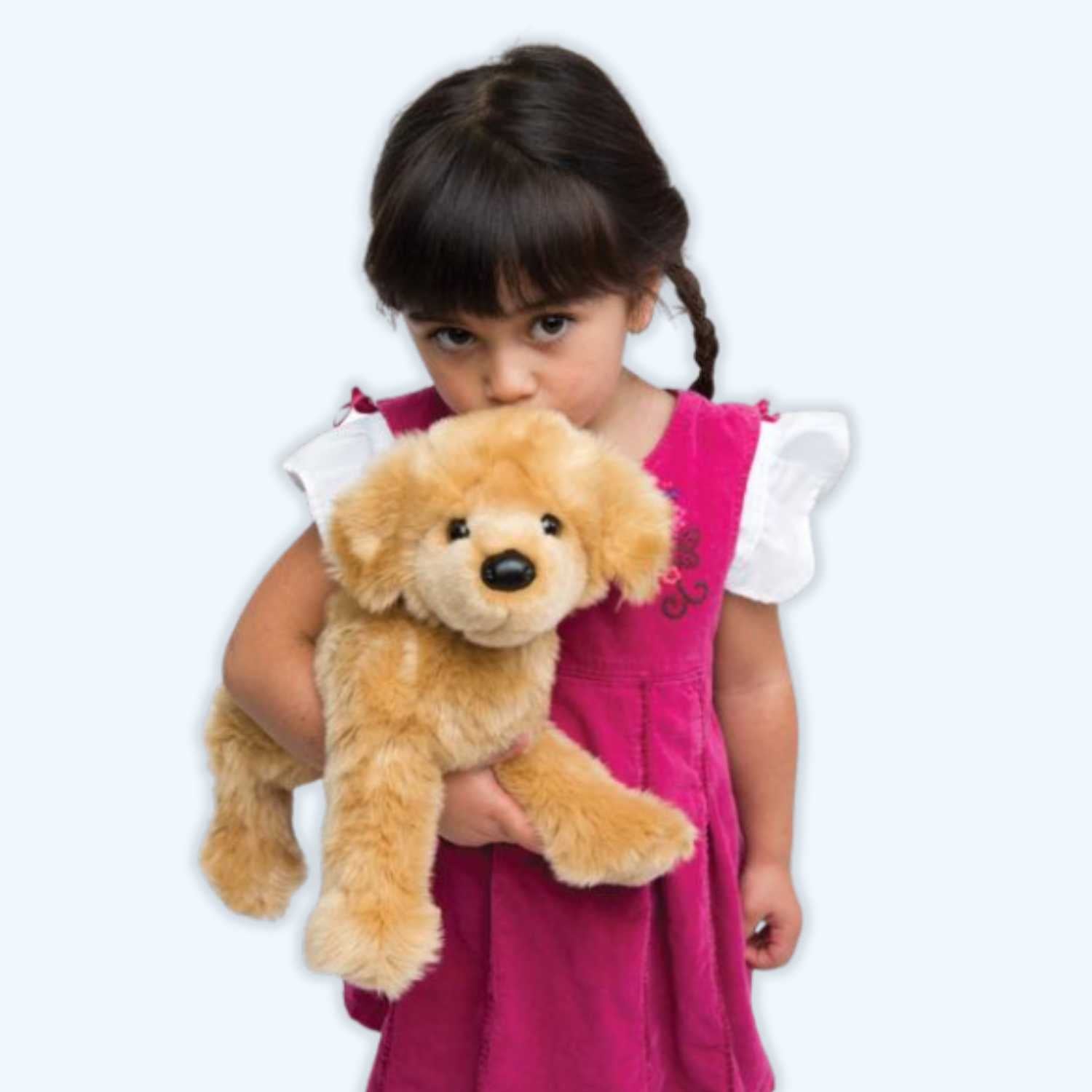
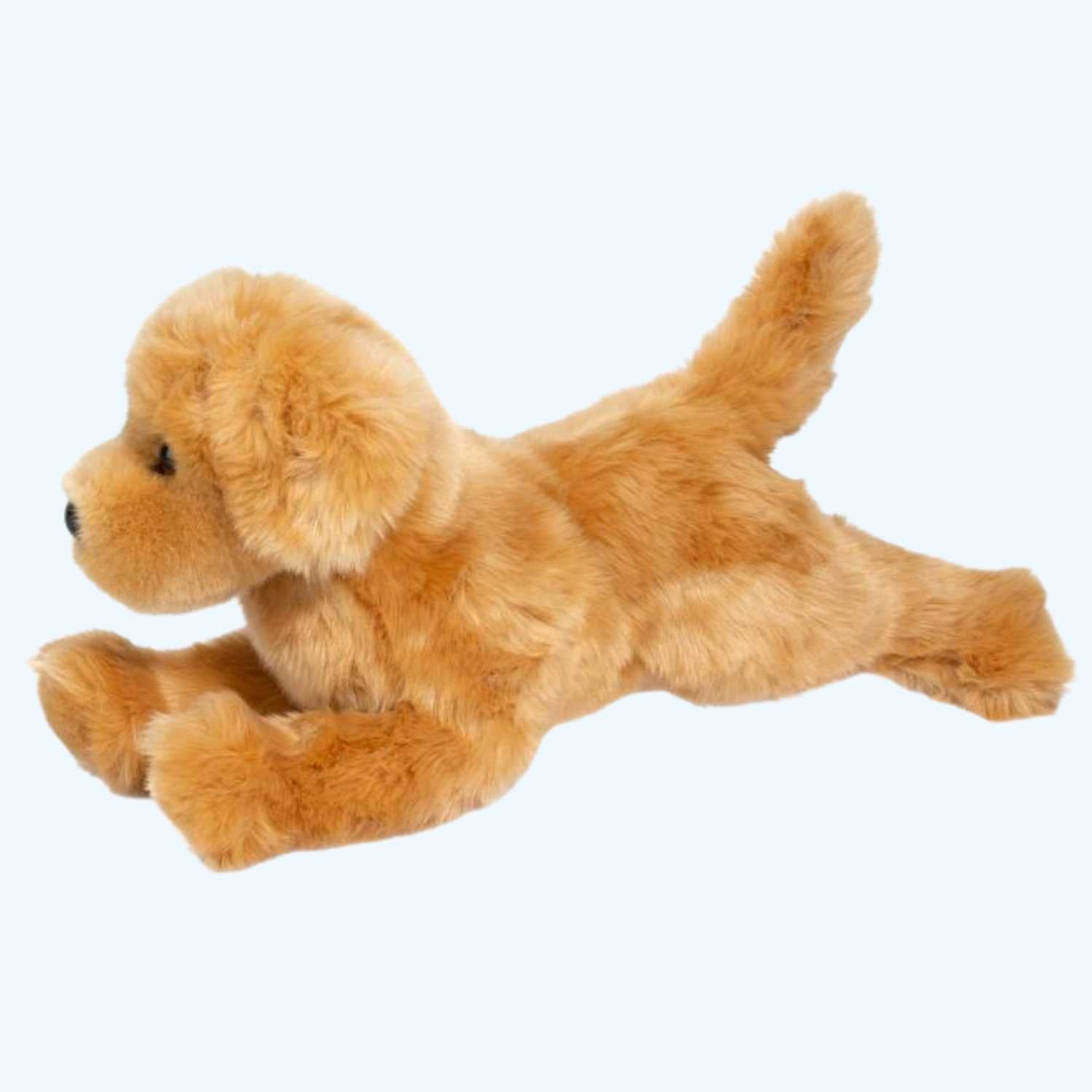
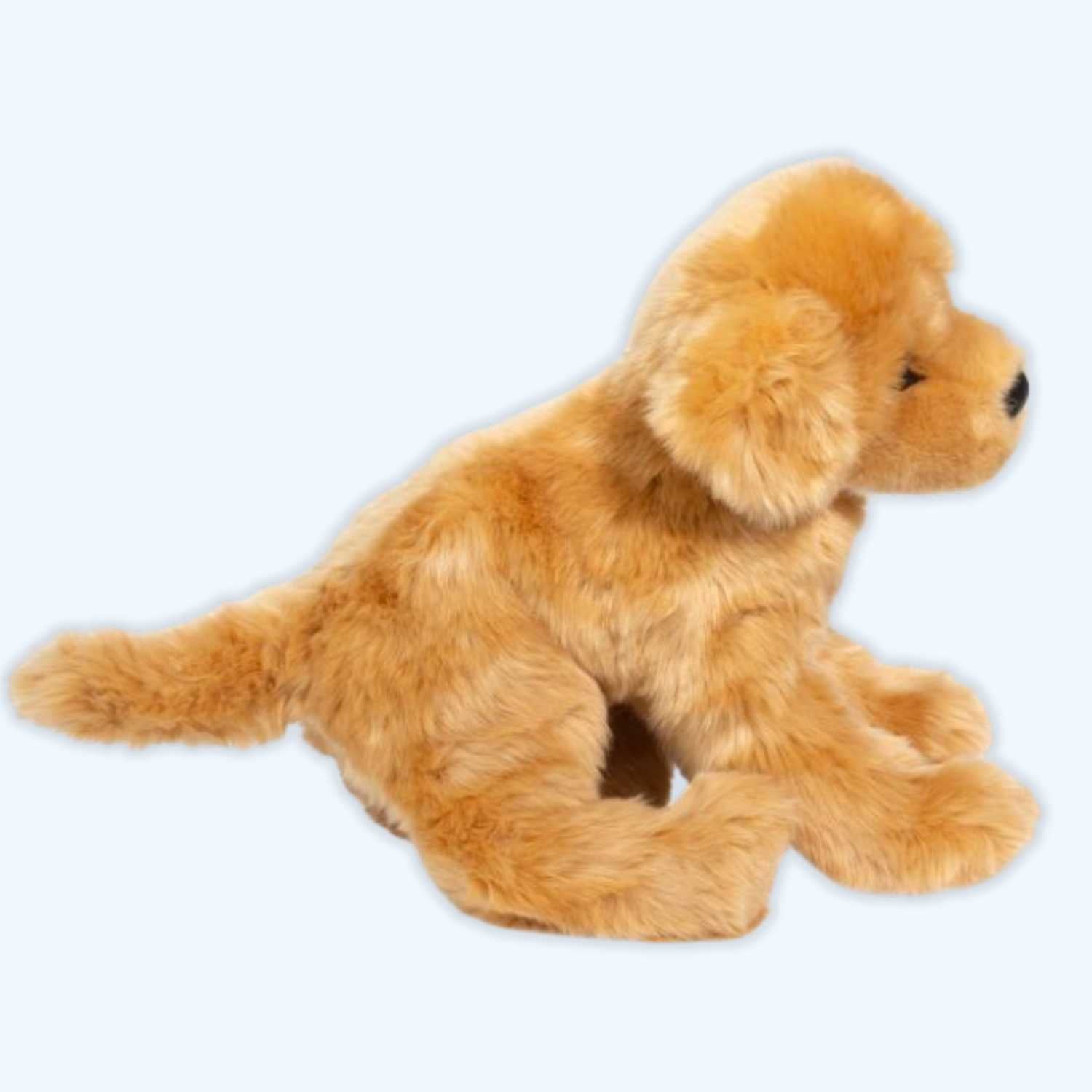
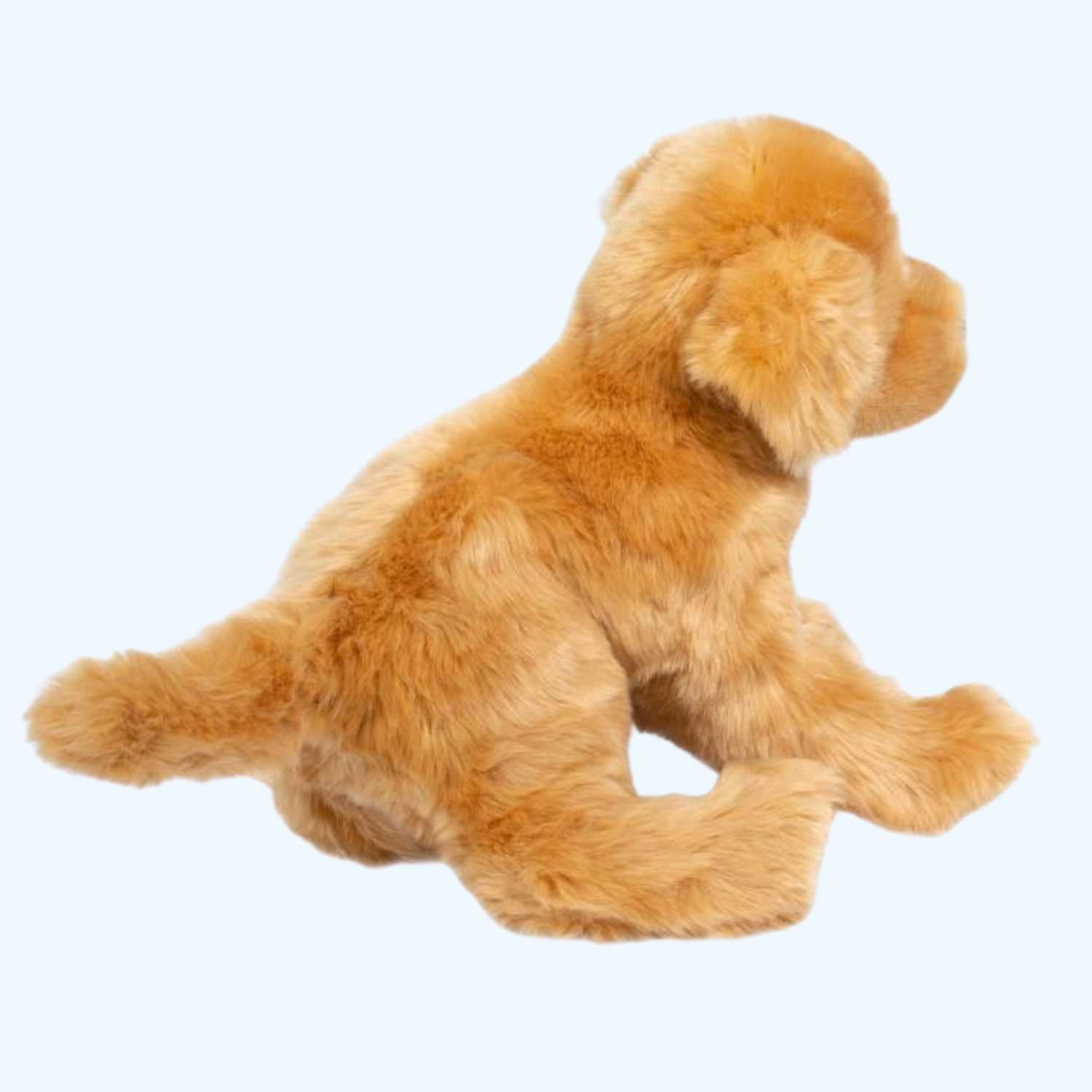
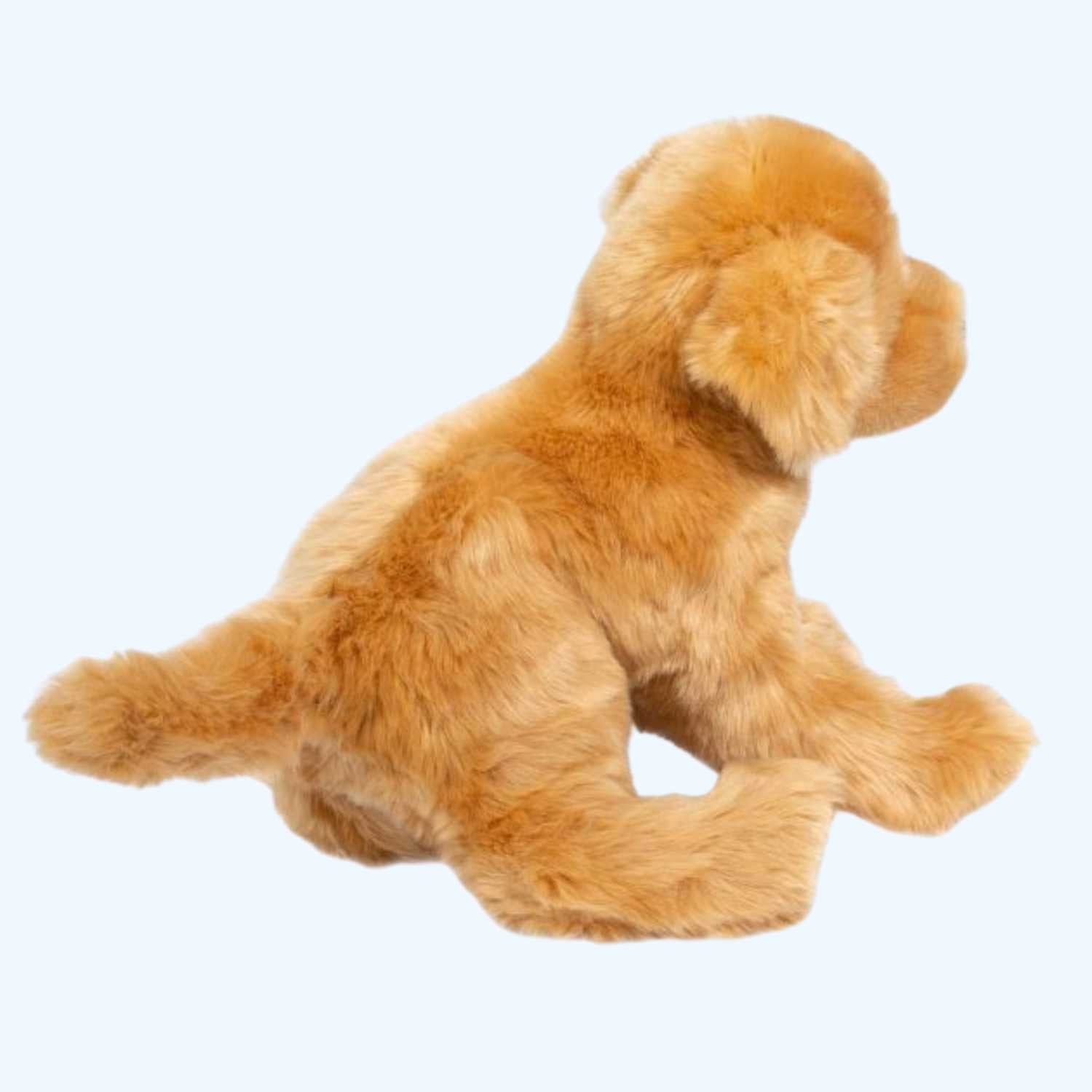
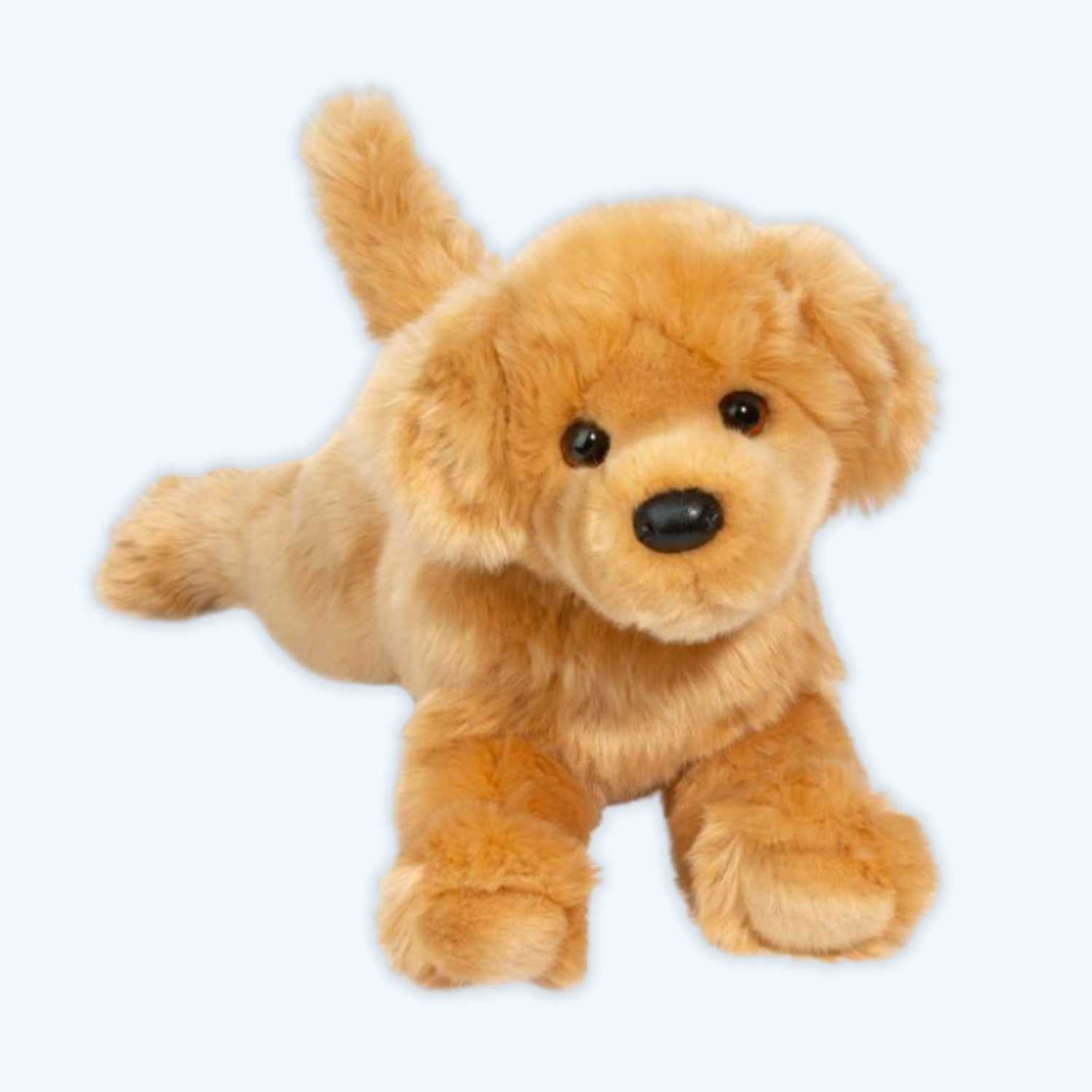
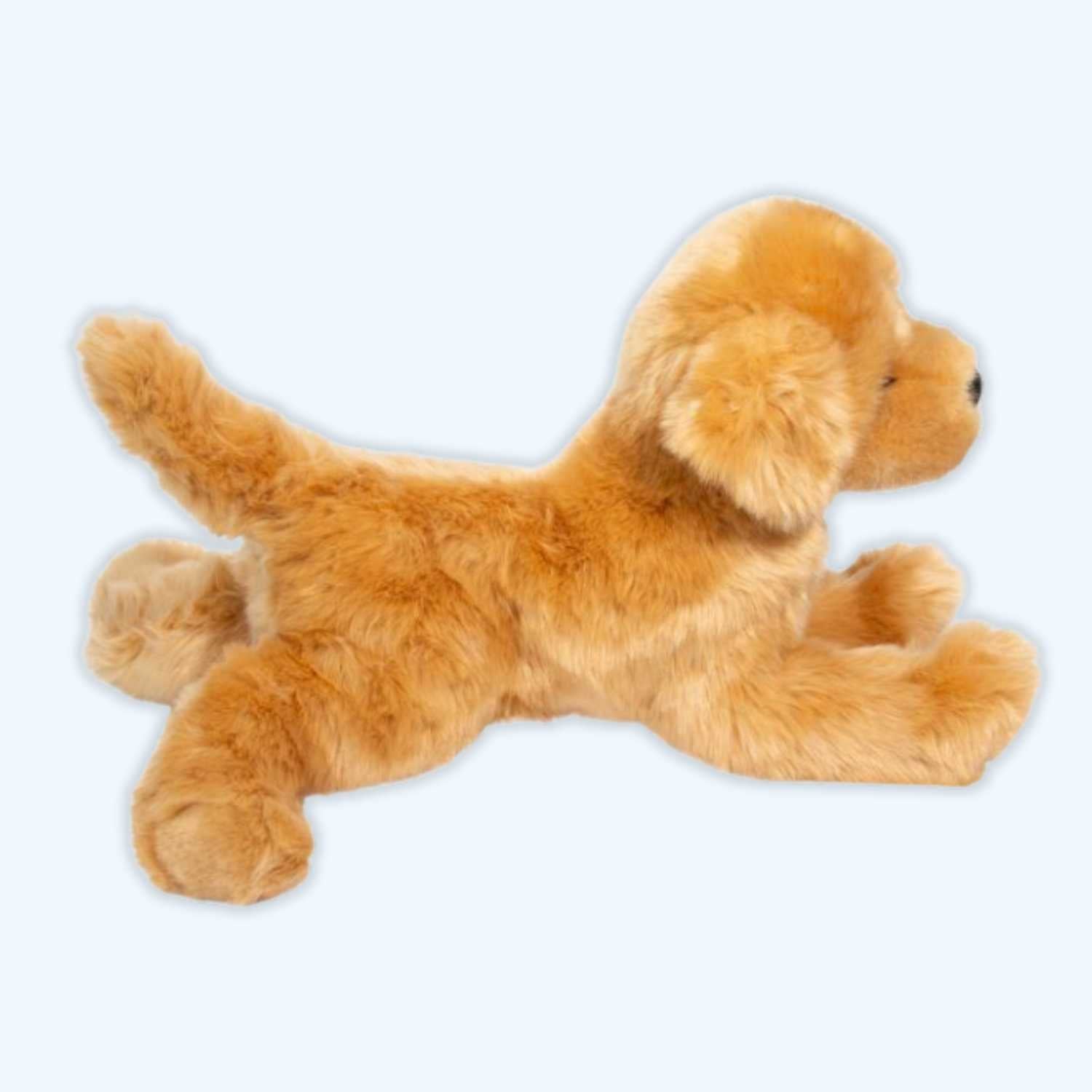
Douglas® toys, known for their exceptional craftsmanship and attention to detail, represent the premium end of the plush toy market. While not exclusively marketed as eco-friendly, the brand's focus on durability and quality construction means their toys often last for decades, making them inherently more sustainable than cheaper alternatives that require frequent replacement.
The longevity factor shouldn't be underestimated. A well-made toy that lasts 20 years has far less environmental impact than multiple cheaper toys replaced over the same period. This makes investing in quality brands a sustainable choice, even when the materials aren't certified organic.
Making the Right Choice for Your Family
When choosing sustainable soft toys, consider your priorities. If organic materials matter most, focus on GOTS-certified options. If durability is key, invest in premium brands known for lasting construction.
Think about your child's preferences too. The most sustainable toy is one that gets loved and cherished for years. A high-quality conventional toy that becomes a lifelong companion often beats an organic alternative that gets forgotten quickly.
Consider the full lifecycle. Factor in packaging, shipping distance, expected lifespan, and end-of-life options. Sometimes the most sustainable choice isn't the most obviously "green" option.
Where to Find Sustainable Soft Toys in the UK
Many UK retailers now stock sustainable soft toy options. Independent toy shops often curate eco-friendly selections and can provide detailed information about their products' sustainability credentials.
Online specialists focusing on sustainable toys offer the widest selections and most detailed product information. These retailers often work directly with manufacturers and can answer specific questions about materials and production methods.
For premium options like genuine Douglas® plush toys, specialist retailers ensure authenticity and quality. These toys' exceptional durability makes them sustainable choices through longevity, even when organic certification isn't the primary focus.
The Future of Sustainable Soft Toys
Innovation continues driving the sustainable toy market forward. New materials like mushroom-based leather alternatives and seaweed-derived fibres are entering production. 3D printing with biodegradable materials offers possibilities for local, on-demand manufacturing.
Circular economy principles are gaining traction. More brands are designing for disassembly, offering repair services, and creating take-back programmes. This shift from linear "make-use-dispose" thinking to circular "make-use-return" approaches represents the future of sustainable toy production.
Consumer demand drives these improvements. As more parents prioritise sustainability, manufacturers respond with better options. Your purchasing decisions contribute to this positive cycle.
Making Sustainable Choices That Last
Choosing eco-friendly soft toys doesn't mean compromising on quality or appeal. The best sustainable options combine environmental responsibility with the craftsmanship and design that make toys treasured for years.
Focus on certifications that matter, prioritise durability and timeless design, and consider the full environmental impact from production through disposal. Remember that the most sustainable toy is often the one that gets loved longest.
Whether you choose certified organic materials or invest in premium brands known for exceptional longevity, you're making a positive choice for your child and the planet. The sustainable soft toy market offers options for every budget and preference—you just need to know what to look for.
Ready to find the perfect sustainable soft toy? Explore authentic, premium options that combine quality craftsmanship with lasting appeal at essauk.com.