Can You Take an ESSA to School? A Practical Guide for Parents
Often, yes, but it is the school's decision rather than yours. Each school sets its own rules on what pupils can bring in, so the answer can differ between two schools on the same road. Ask before the first morning, choose a small plush that can live in a school bag, put a name on it, and keep a friendly plan B ready in case the answer is no.
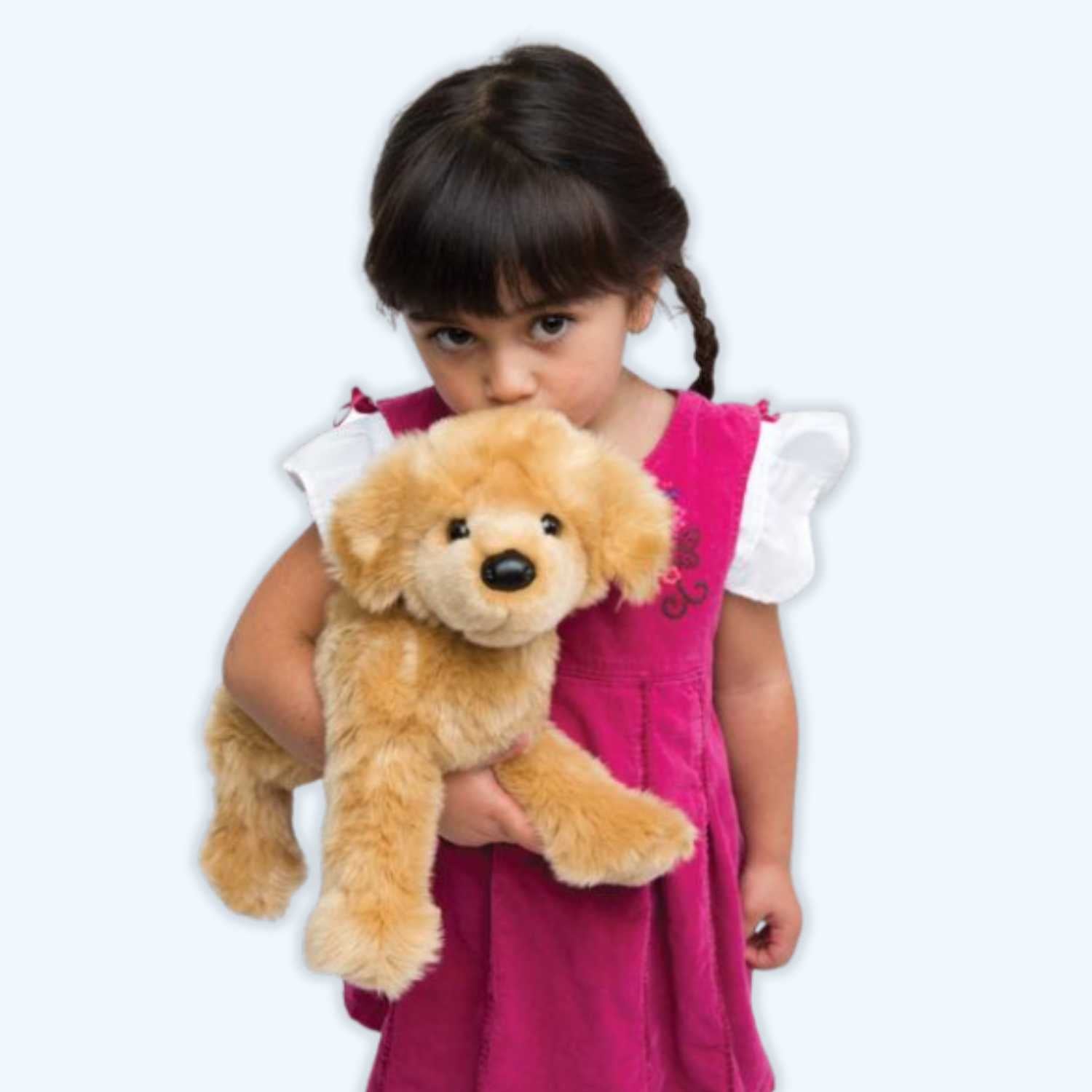
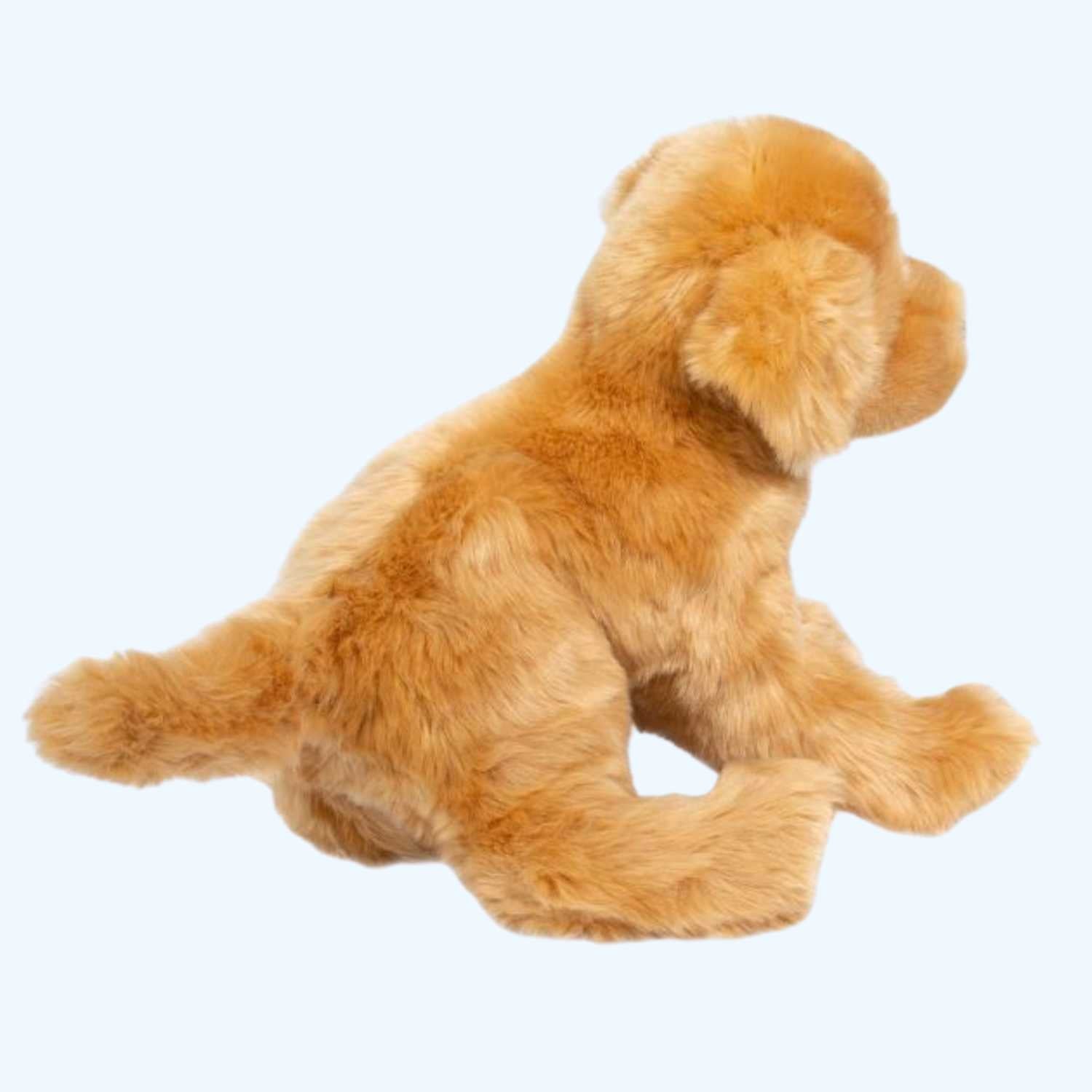
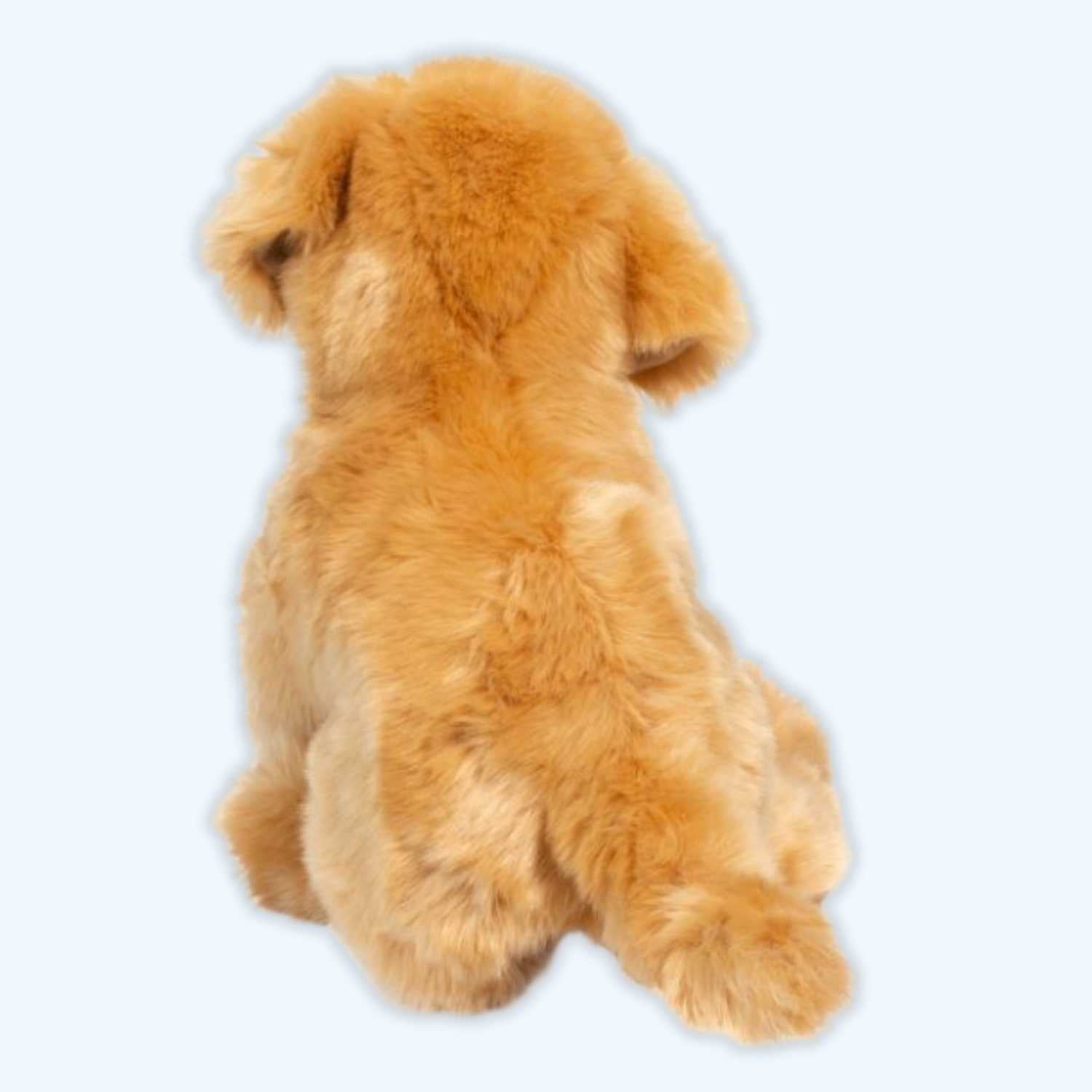
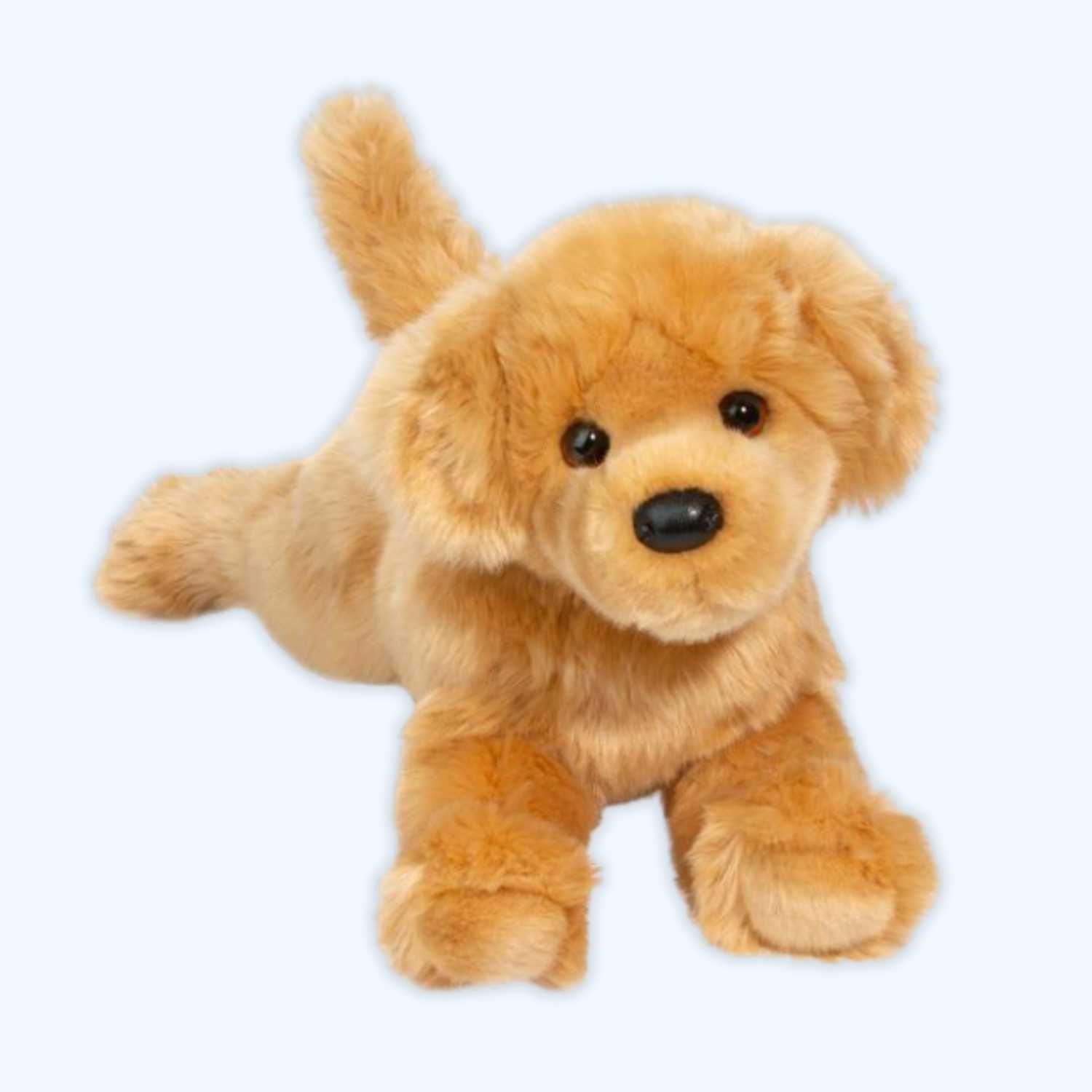
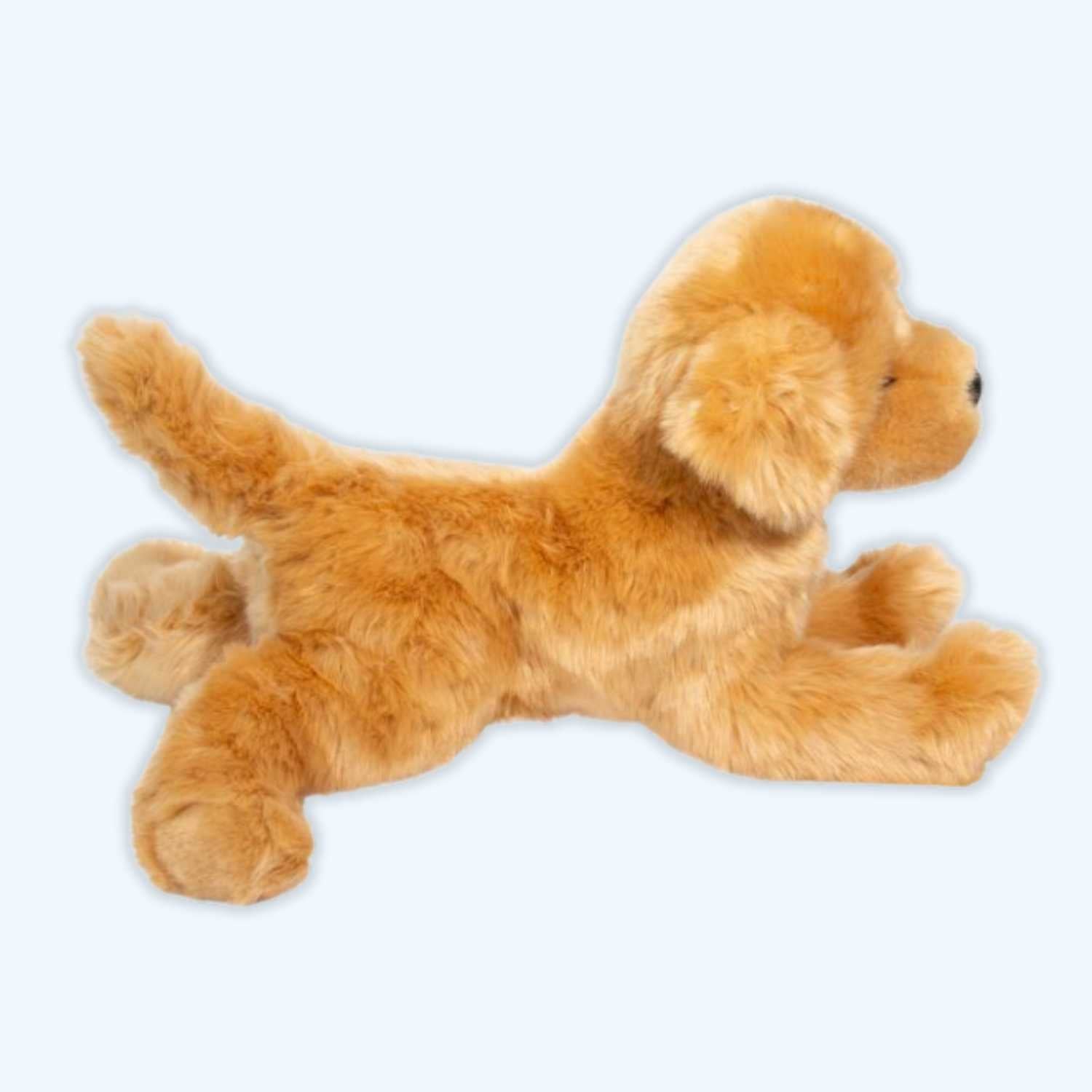
ESSA is the name many families and collectors now use for a favourite plush companion, very often a realistic dog. To a school, though, it is a soft toy like any other, with no special status or certificate behind it. That keeps things simple: one polite question to the right person tells you where you stand.
Who to ask, and what to ask
Schools in England must publish a behaviour policy that explains their rules, so a quick look on the school website is a good start. It may not mention toys at all, though, and the quickest route is usually a person:
- Nursery or pre-school: your child's key person. In England every child at a nursery or pre-school is assigned one, and they know the room's routines best.
- Primary school: the class teacher. A short note in the reading record or a word at the classroom door is plenty.
- Secondary school: older pupils can usually check with their form tutor themselves.
Then ask the questions that matter on an ordinary school day:
- Can it come in the school bag and stay there during lessons?
- Can it come out at break, lunch or golden time?
- Where should it go during PE, swimming or a school trip?
- Does the class have a toy day or a show-and-tell slot where it could have a turn?
- Where is the lost property box?
Asking up front means nobody is caught out at pick-up time.
Choose a plush that fits a school bag
Size matters more at school than anywhere else. A school bag gets squashed, hung on a peg and dropped on the cloakroom floor, so the plush inside should be small, light and easy to wash. Many families keep the big one at home and choose a second, smaller one for school days.
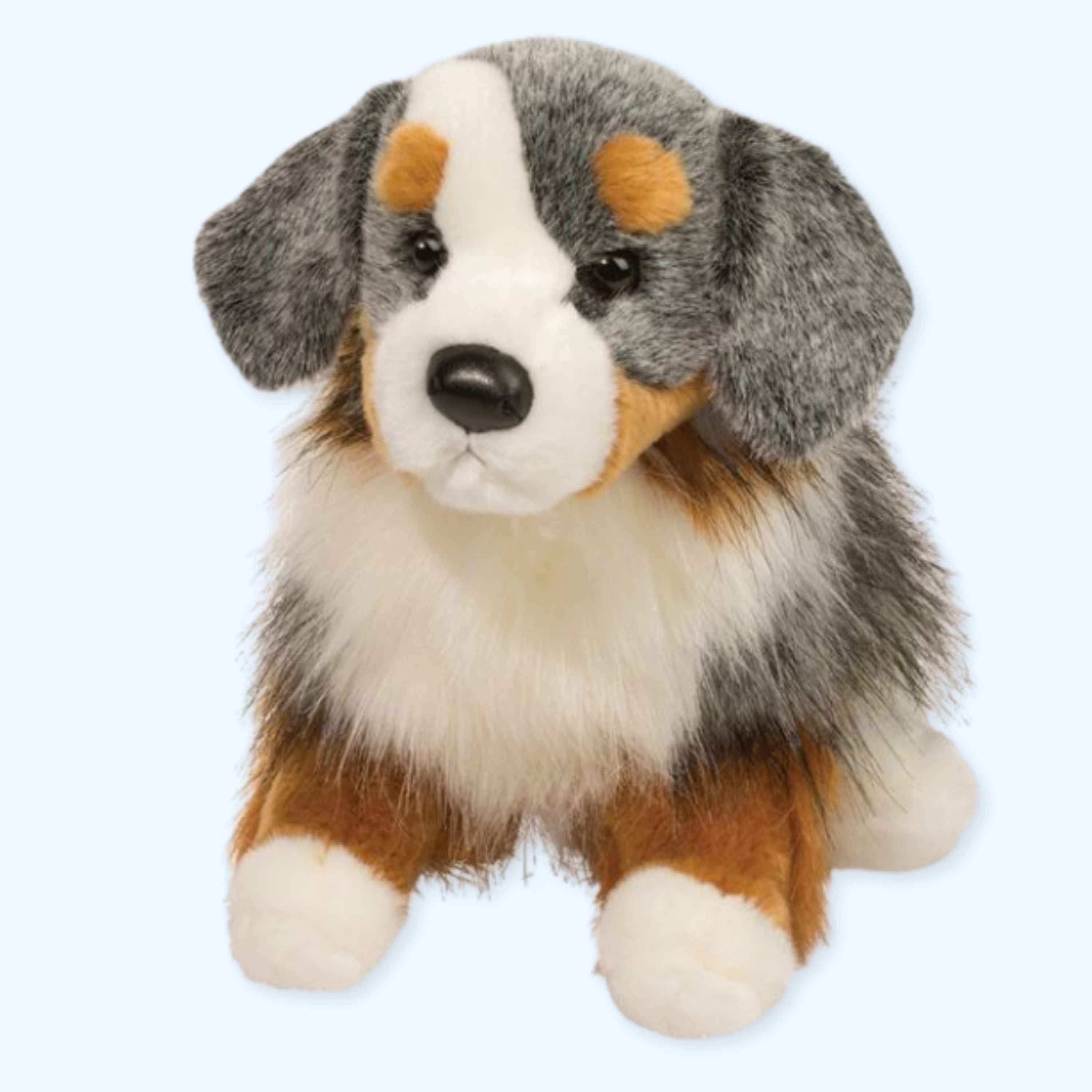
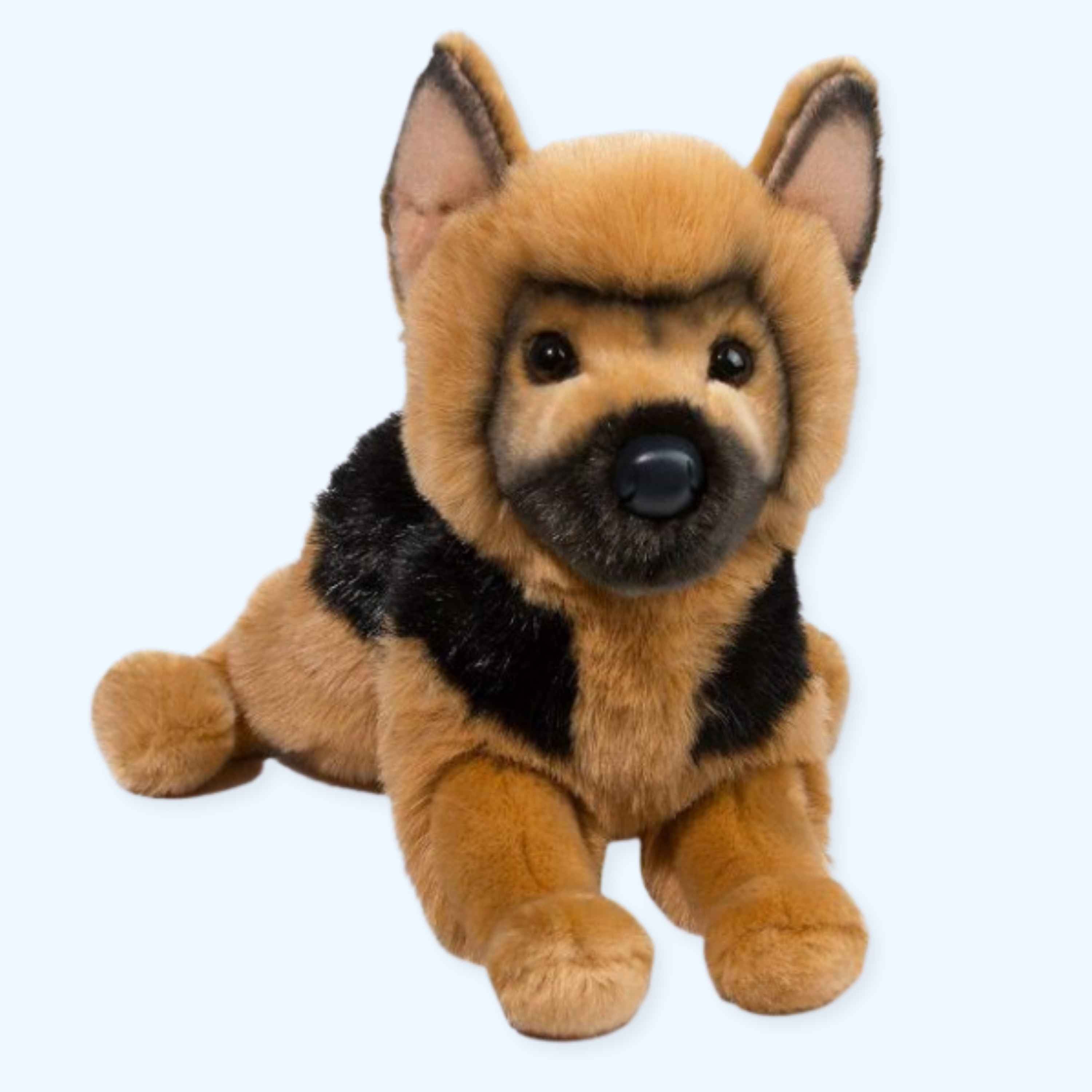
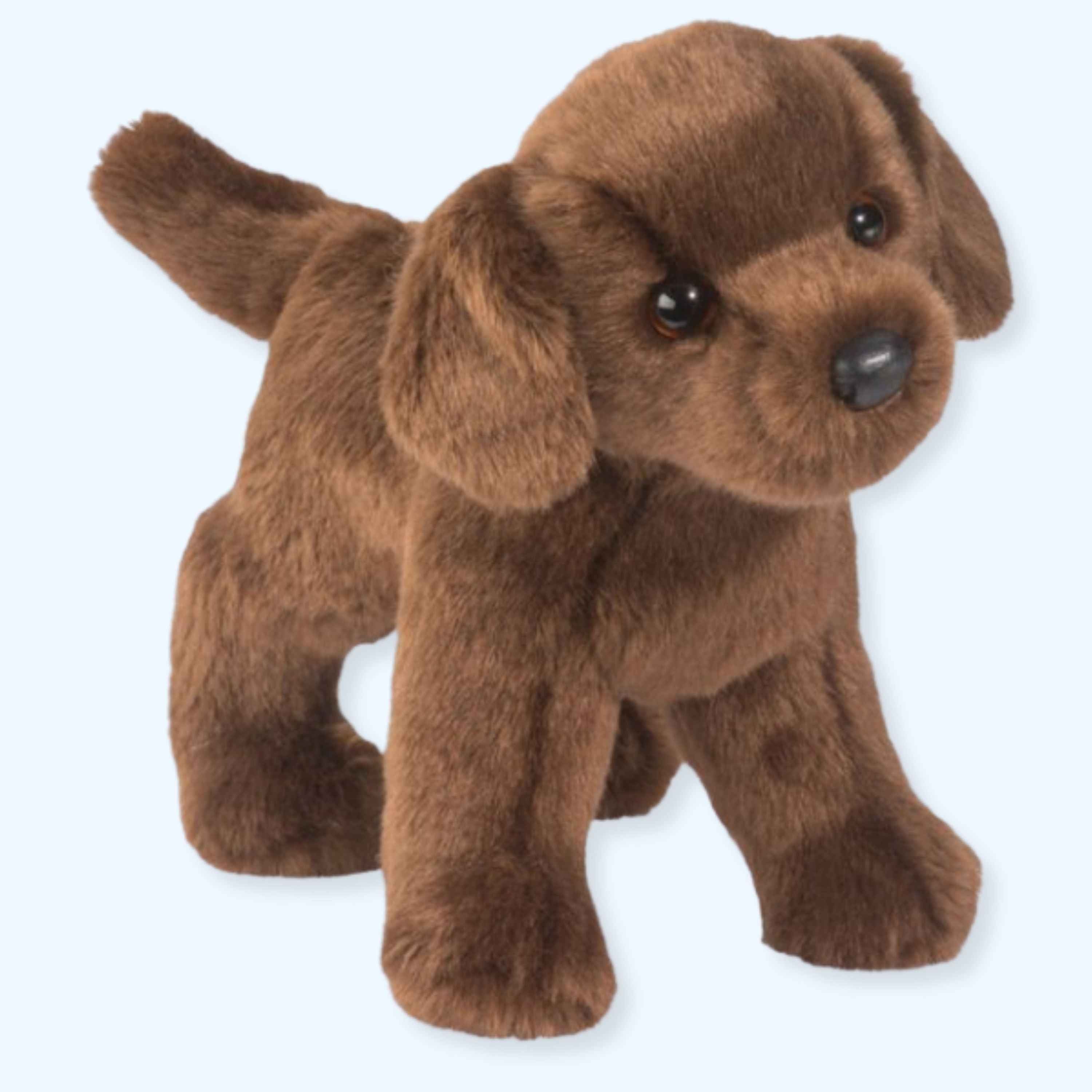
Our pocket-size Douglas® dogs measure about 20 cm from nose to tail, roughly the size of an adult hand. Harko, a black German shepherd, weighs just 77 g. Tiny pocket sizes go smaller still: Mini Goldie is about 15 cm, around the size of a mobile phone, and Prince is about 13 cm. All three are labelled machine washable, which helps with term-time grime. You will find more in our small and pocket-size Douglas dogs, and the ESSA size guide puts every size side by side.
One check for nursery: the Douglas plush we sell are labelled for children aged 24 months and up, so they are not for a baby room.
Name it, photograph it, note the model
A plush goes missing at school in the same places as a jumper: under a peg, in a PE bag, in a friend's tray. Make it easy to bring home.
- Put a name on the label. Write your child's name or initials on the sewn-in fabric label with a laundry marker. Don't iron a name tag onto the fur, because heat can damage synthetic plush.
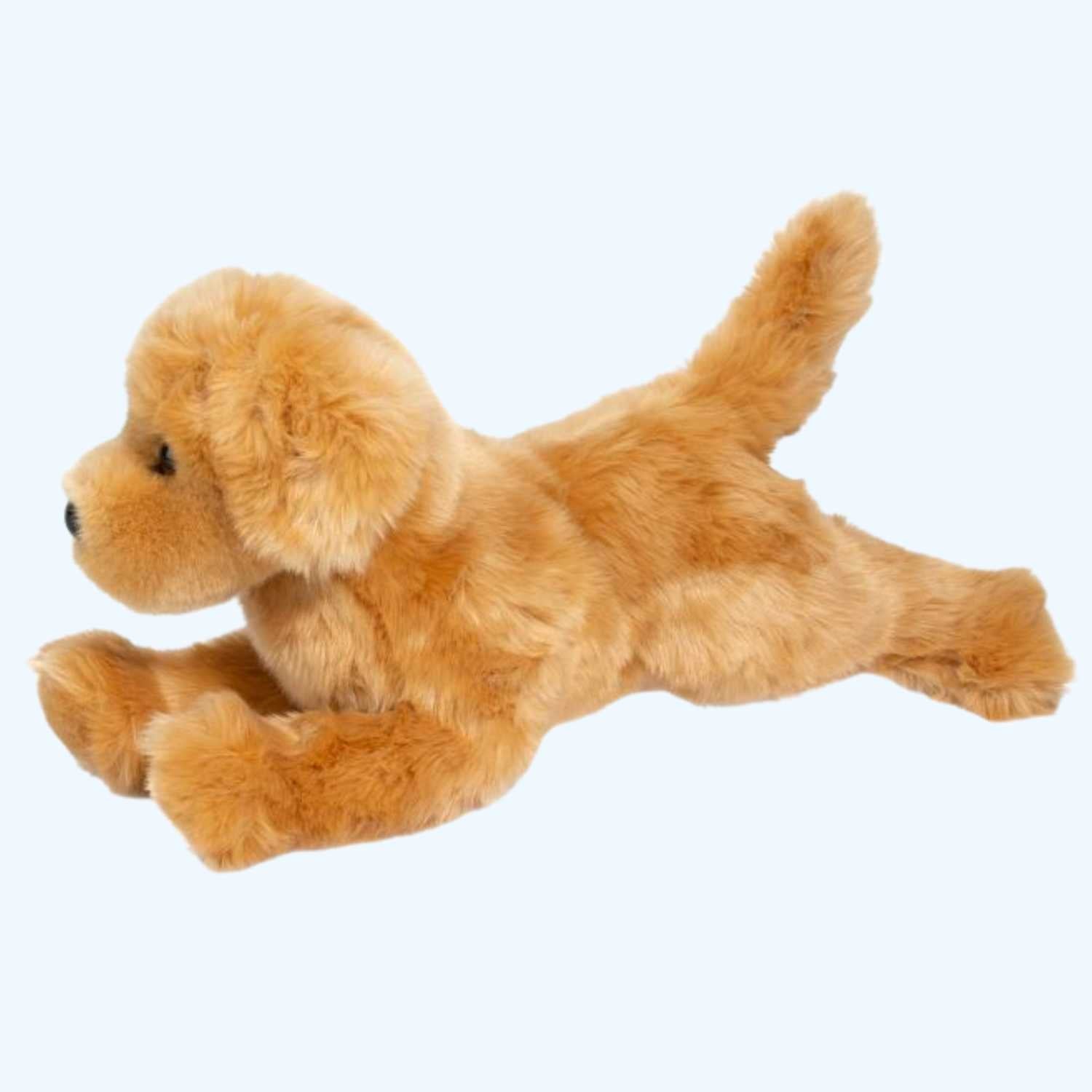
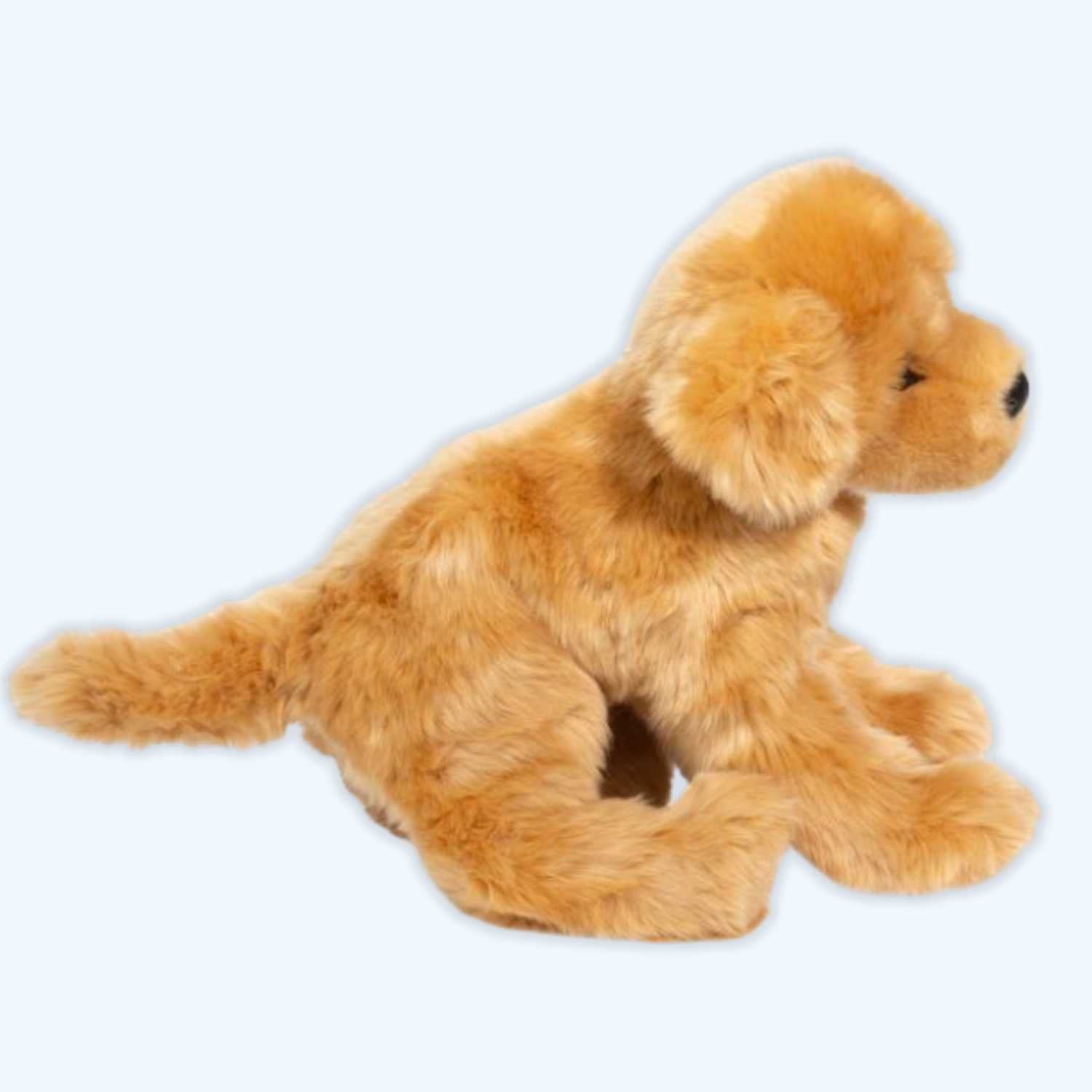
- Take two photos. One from the front and one from the side, saved on your phone. A picture explains "small black dog with pointy ears" far faster than words.
- Keep the exact model name. It is in your order confirmation. There are several Douglas German shepherds in different sizes and colours, so "Harko, pocket size" helps more than "the German shepherd".
- Tell the teacher the same day if it doesn't come home, and check lost property early.
Keep it clean between school days
A plush that spends the day in a school bag meets lunch boxes, playground dust and the odd felt-tip pen. Check the care label before you clean anything: some Douglas plush are machine washable, while many more say surface clean only. If the label says machine washable, pop it in a pillowcase and choose a cool, gentle cycle. If it says surface clean only, a barely damp cloth does the job. Either way, let it air dry rather than using a tumble dryer. A Friday wash gives it the whole weekend to dry before Monday. Our guide to washing a Douglas dog or soft toy covers each step.
If the answer is no
Some schools prefer toys to stay at home, and that is fine. The plush can still be part of the school day without being in the classroom:
- Say goodbye at the gate. Bring the plush on the walk or the drive, wave it off at the gate, then take it home with you.
- Give it a job at home. Guarding the bed, keeping the window seat warm or "helping" with the washing. Children enjoy hearing what it got up to all day.
- Bring it to pick-up. A familiar face waiting at home time gives the afternoon something to look forward to.
- Pack something small instead. A photo of the plush or a little drawing of it can sit in a book bag or pencil case, if the school is happy with that.
- Save it for toy day. If the class runs one, mark it on the calendar.
When other children ask
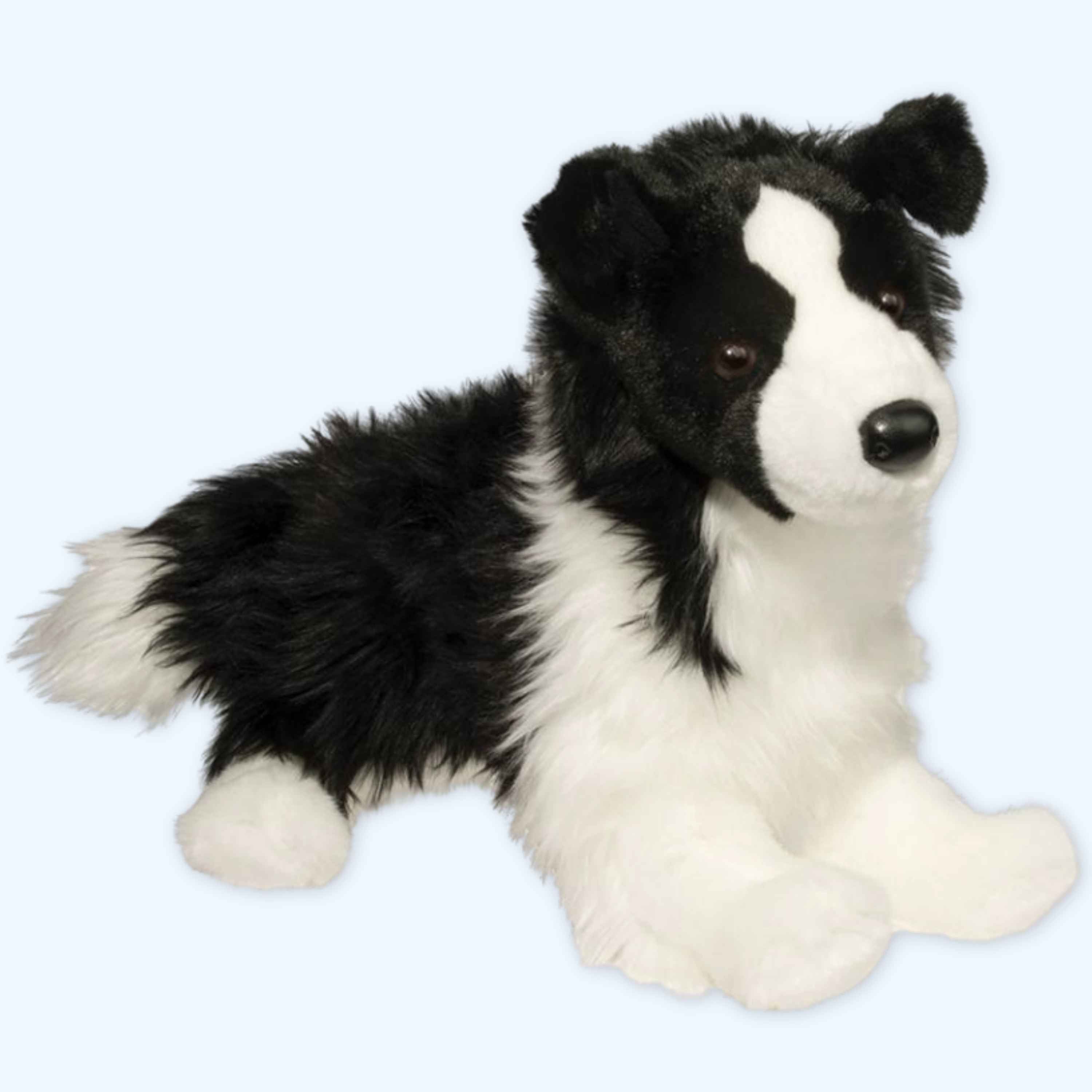
A plush in a bag will get noticed. A short, cheerful answer works better than a long explanation, so it helps to practise one at home: "This is Biscuit. He's a border collie and he lives in my bag." Most questions are simple curiosity, and a name plus a breed answers them. If questions ever turn into unkindness, that one is for the teacher.
Frequently asked questions
Are soft toys allowed in UK schools?
It depends on the school. Each one sets its own rules, and in England those rules are explained in the school's behaviour policy. Ask the class teacher, or the key person at nursery.
What size plush is best for a school bag?
A pocket size of about 20 cm or a tiny pocket size of about 13–15 cm. Both fit easily in a bag, and several of ours are labelled machine washable.
Can my child take a Douglas plush to nursery?
If the nursery agrees and your child is over two, yes: the Douglas plush we sell are labelled 24 months and up. Ask the key person where it should stay during the day.