Are ESSAs Real? What the Name Means (and What It Doesn't)
Yes, ESSAs are real, but as a name rather than a type of product. ESSA is short for "emotional support stuffed animal", a nickname people give to a soft toy they have named and love. It is a toy: not a medical product, not an assistance animal and not something you register. Here is what the name covers, what it doesn't, and why so many people use it.
A nickname, not a type of toy
There is no official ESSA standard and no test a toy has to pass. Any plush can be somebody's ESSA: a realistic dog, a dragon, a well-worn teddy from a car boot sale. What turns a soft toy into "my ESSA" is what its owner does with it. Usually that means choosing it, naming it and keeping it close.
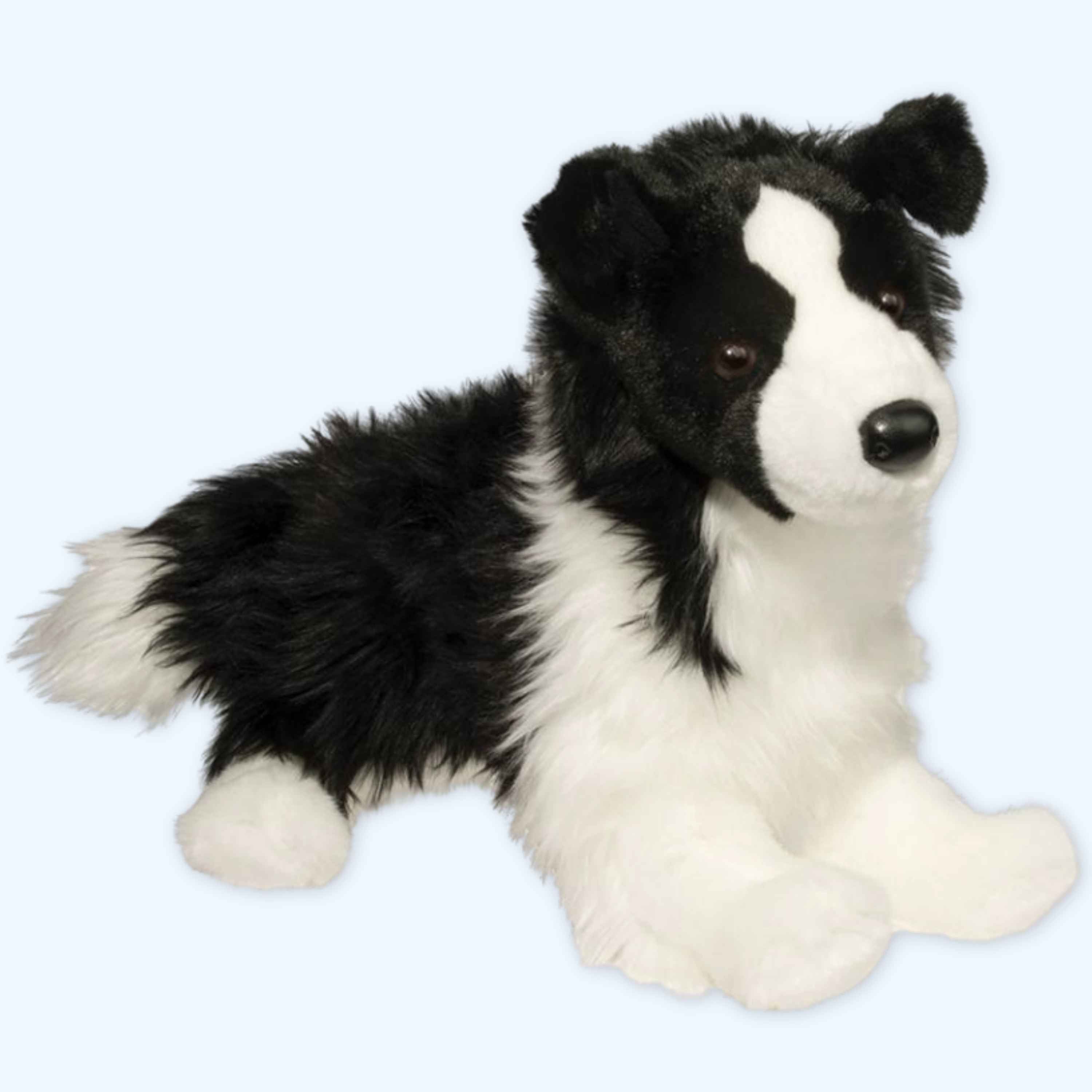
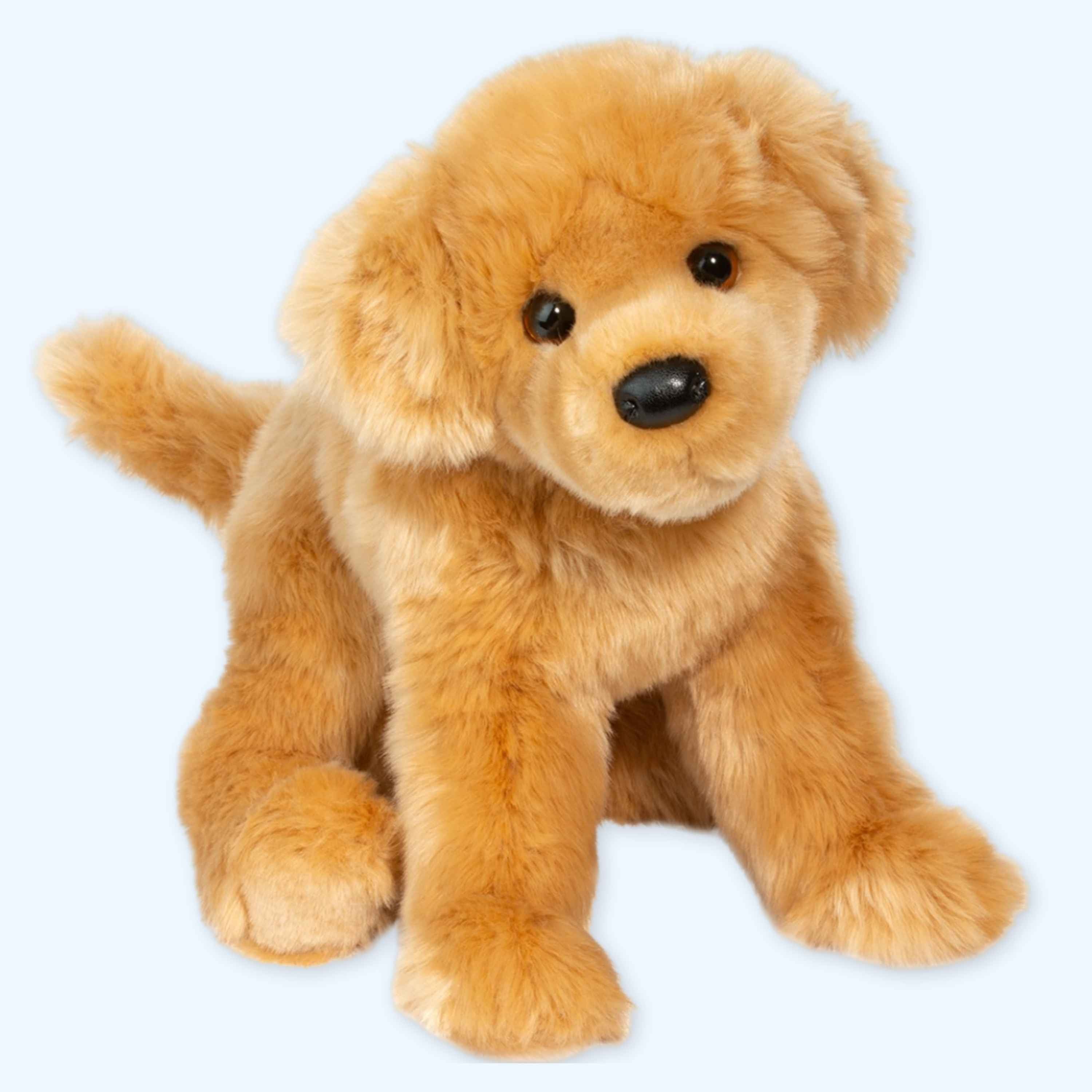
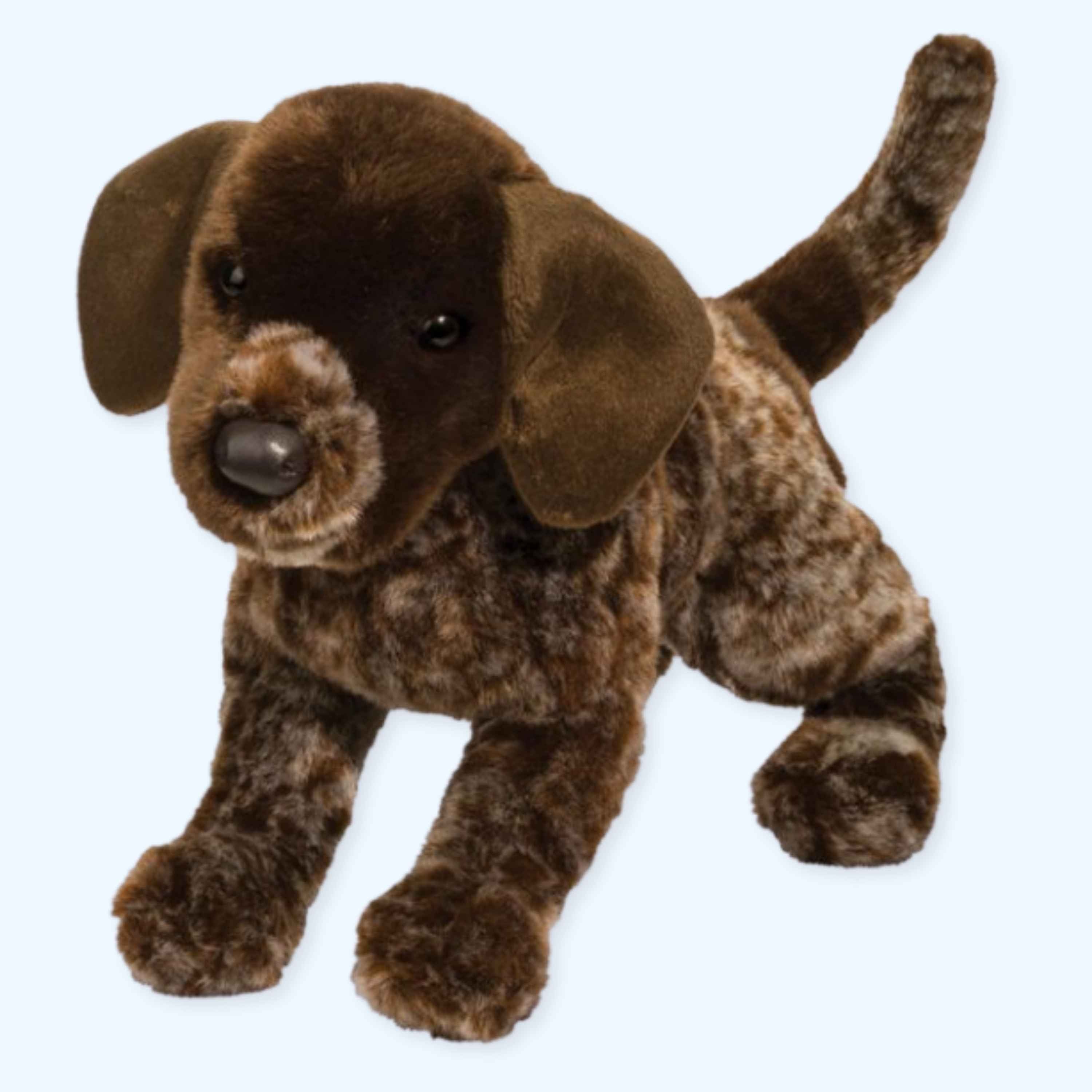
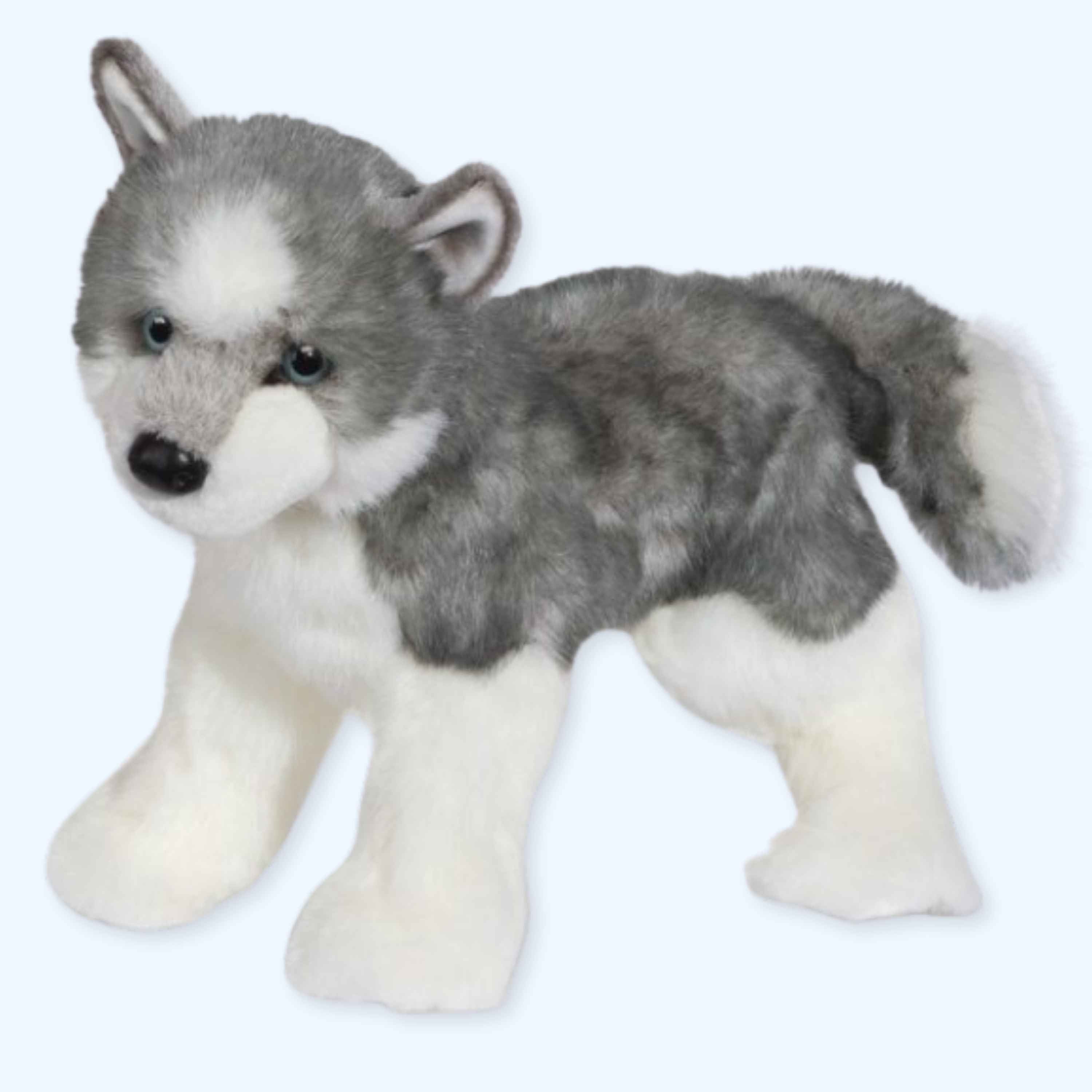
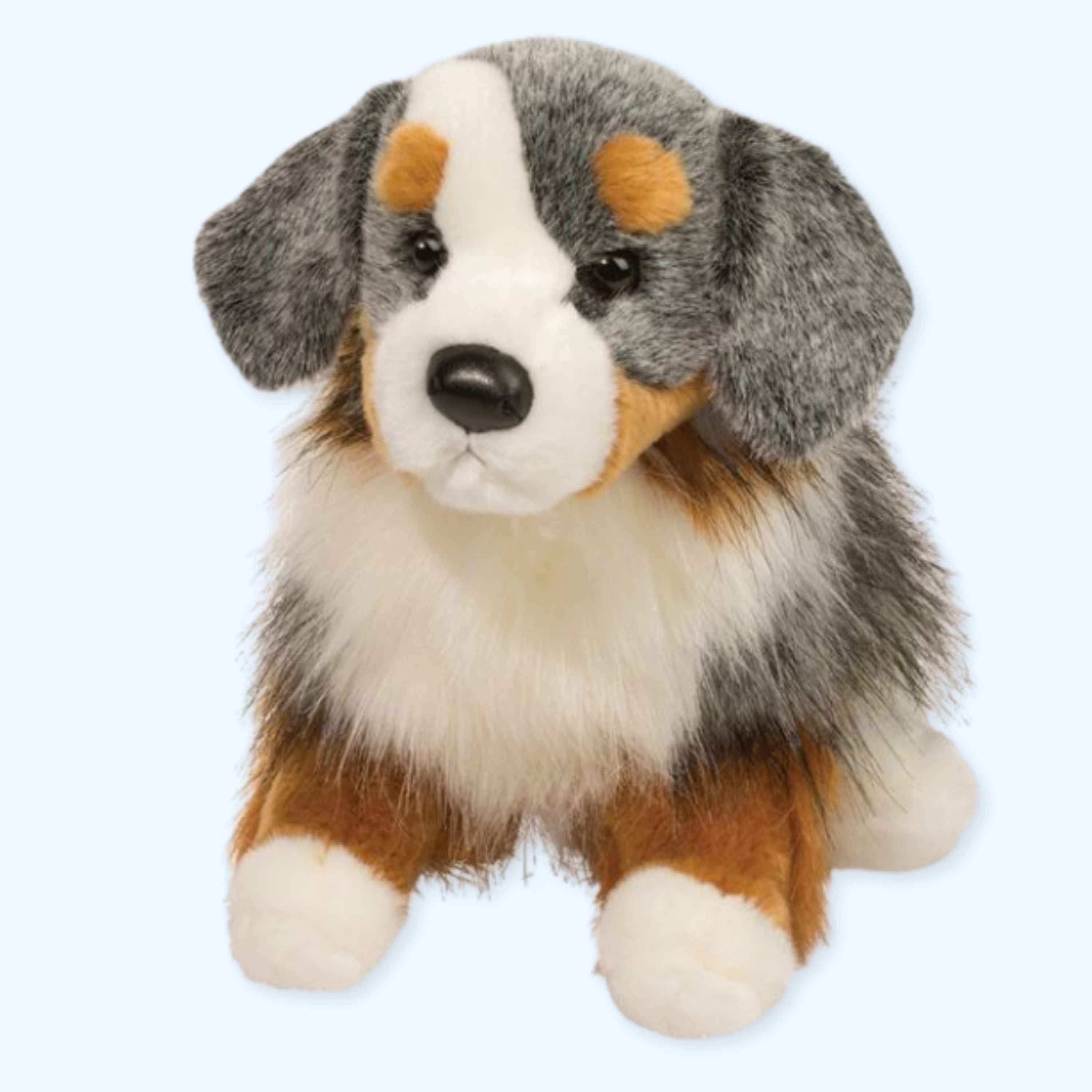
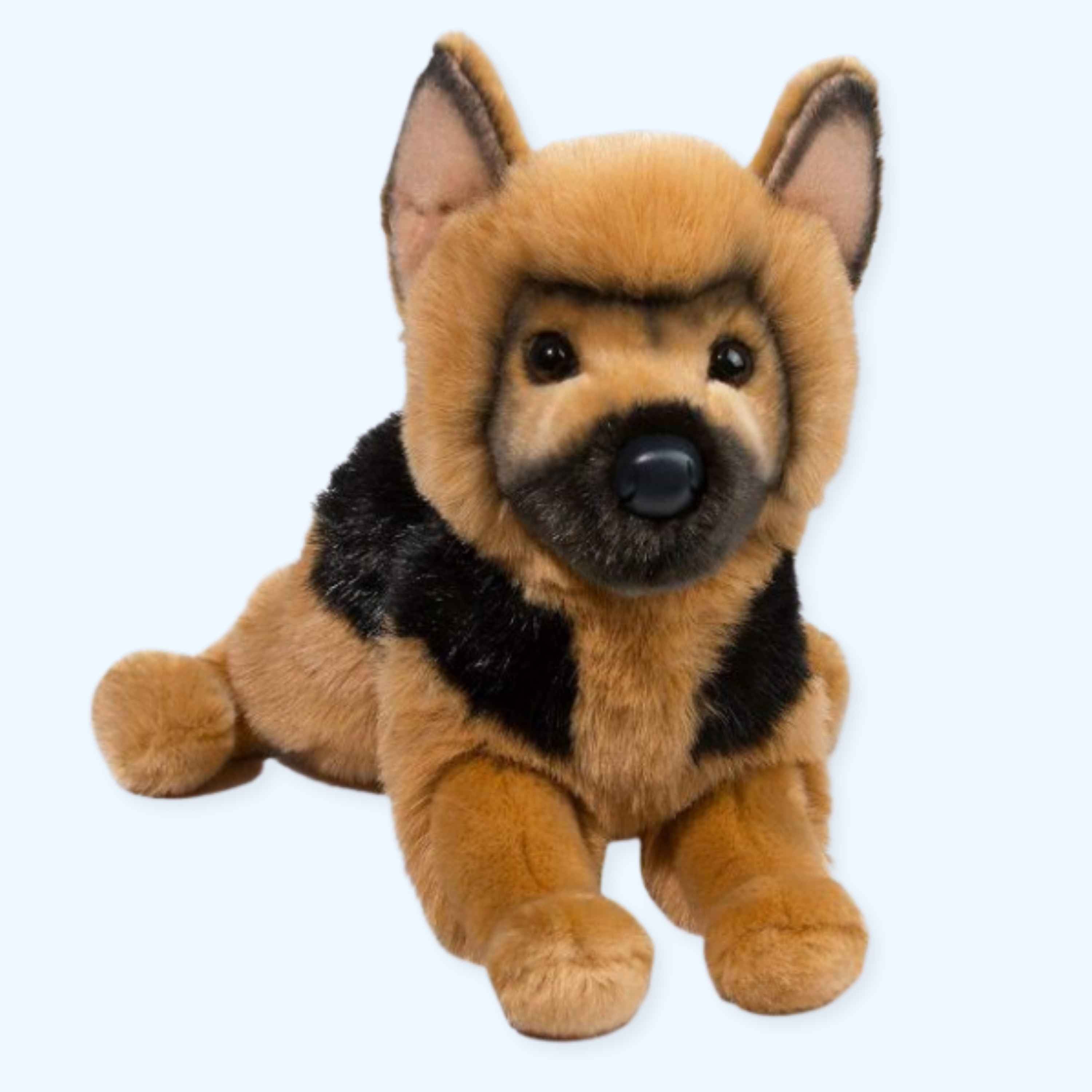
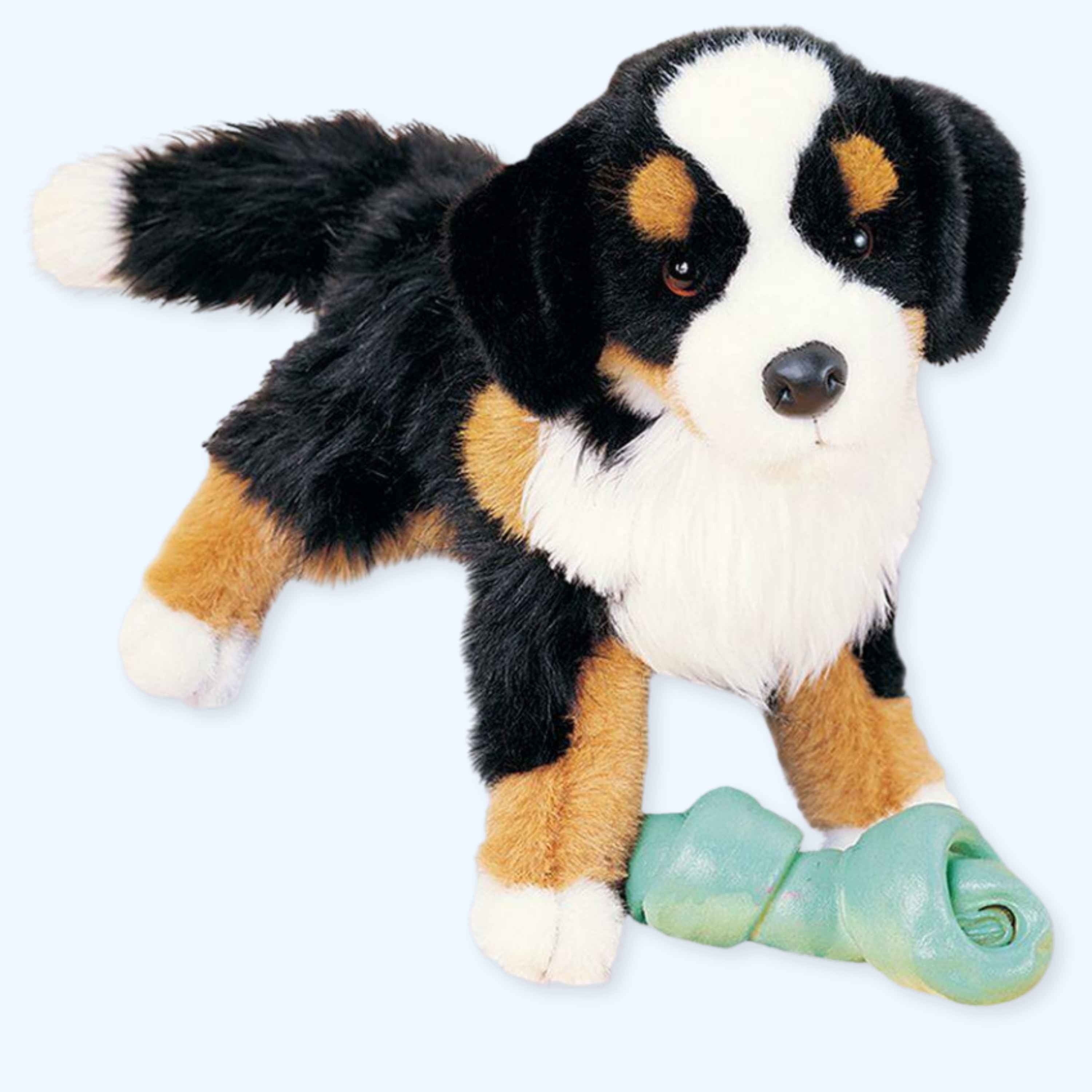
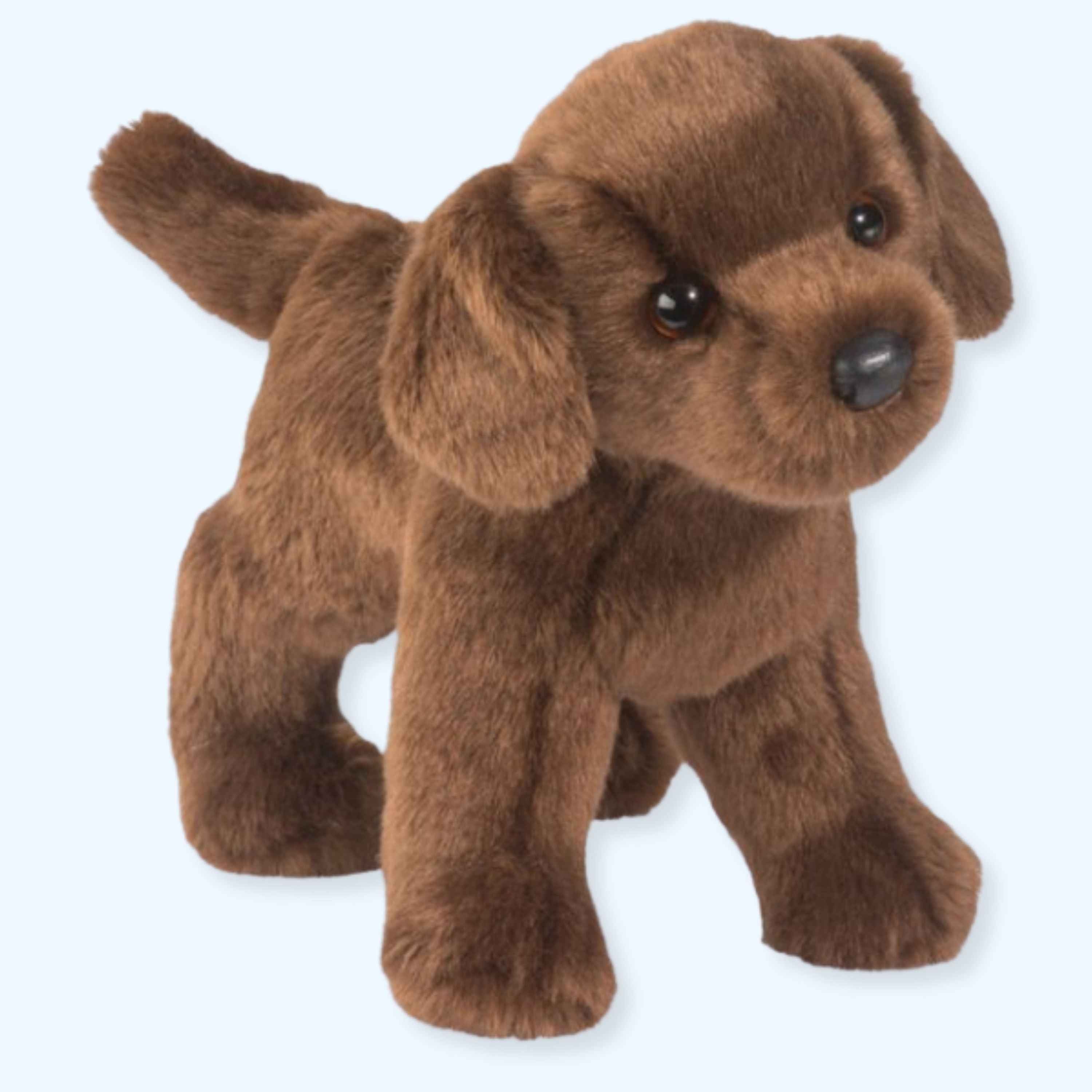
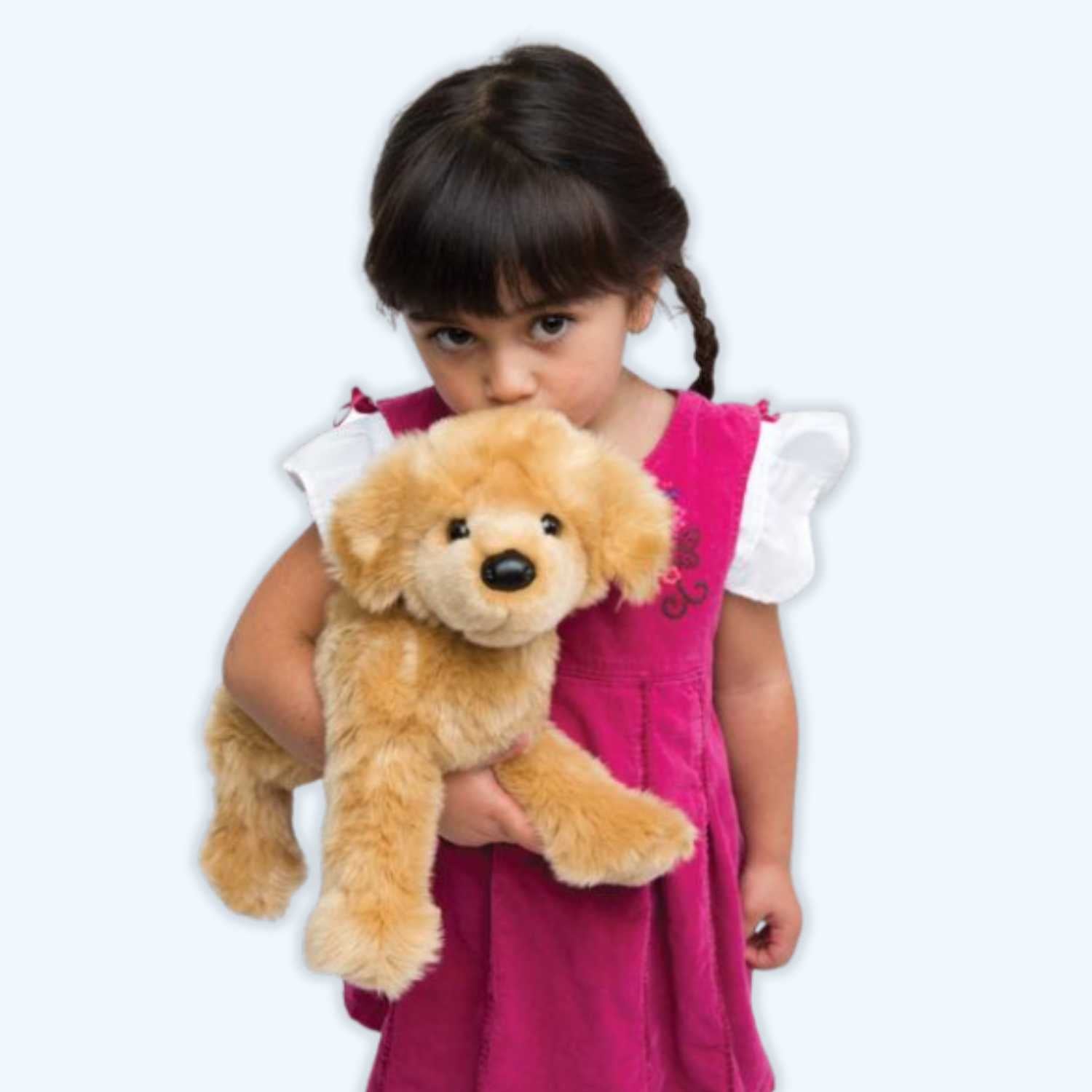
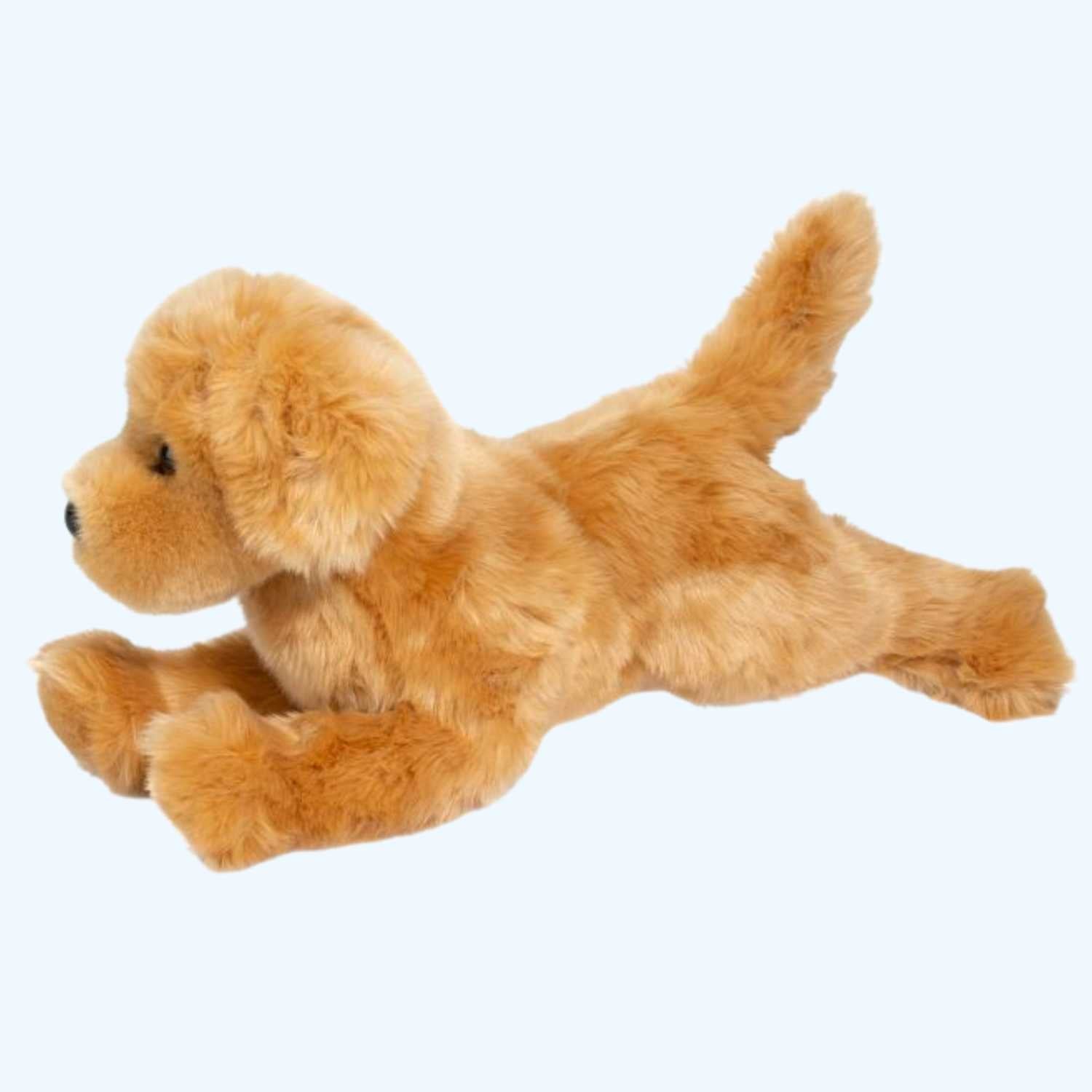
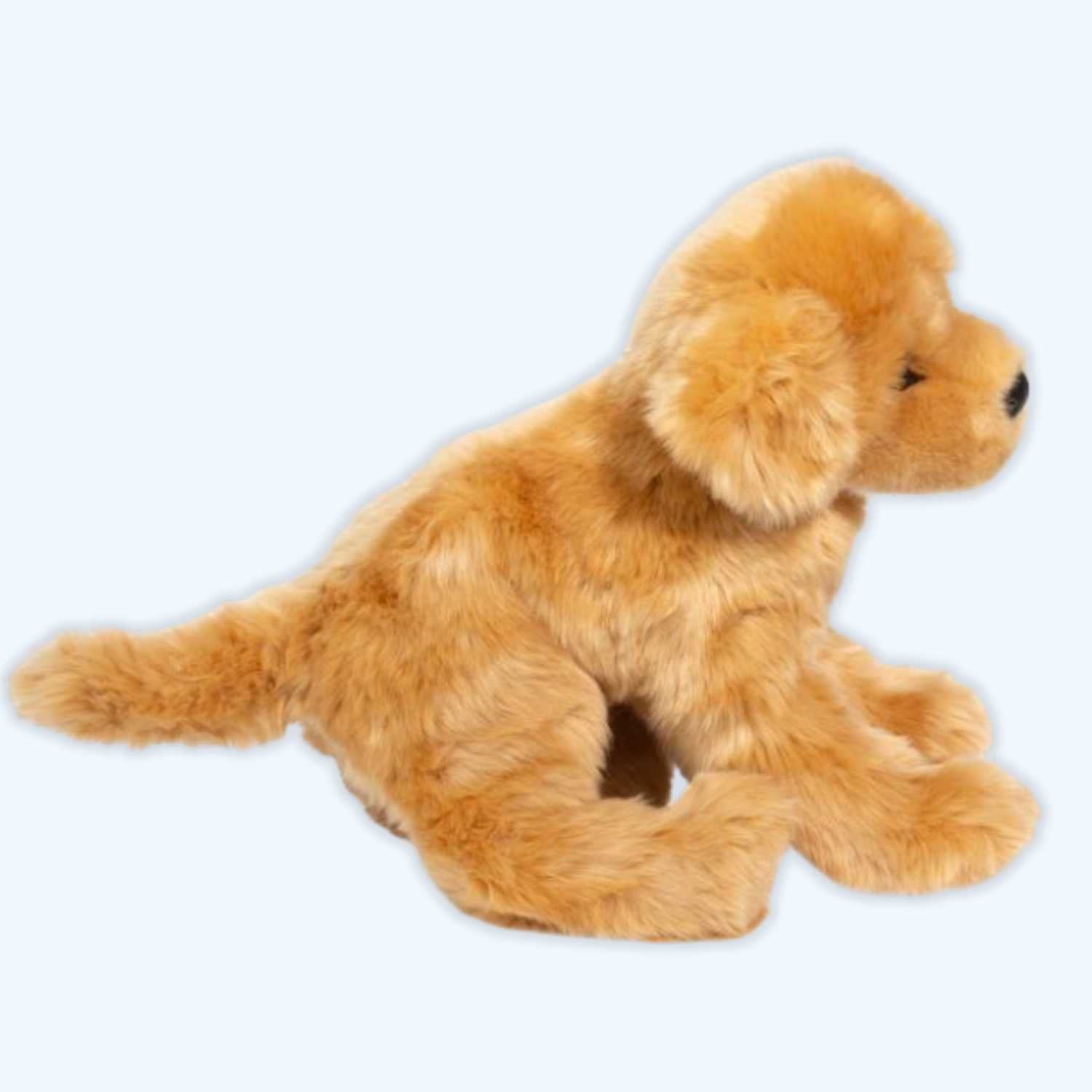
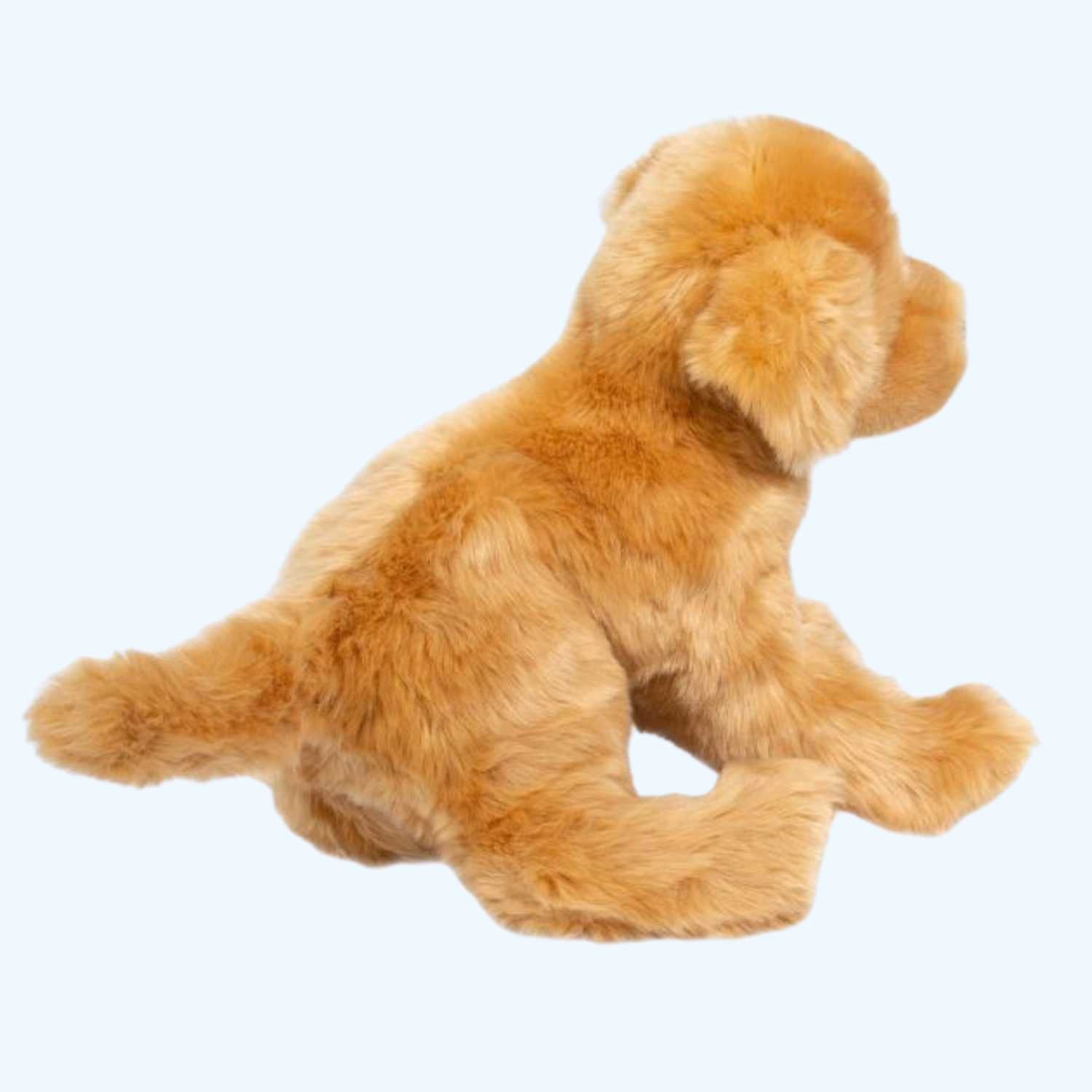
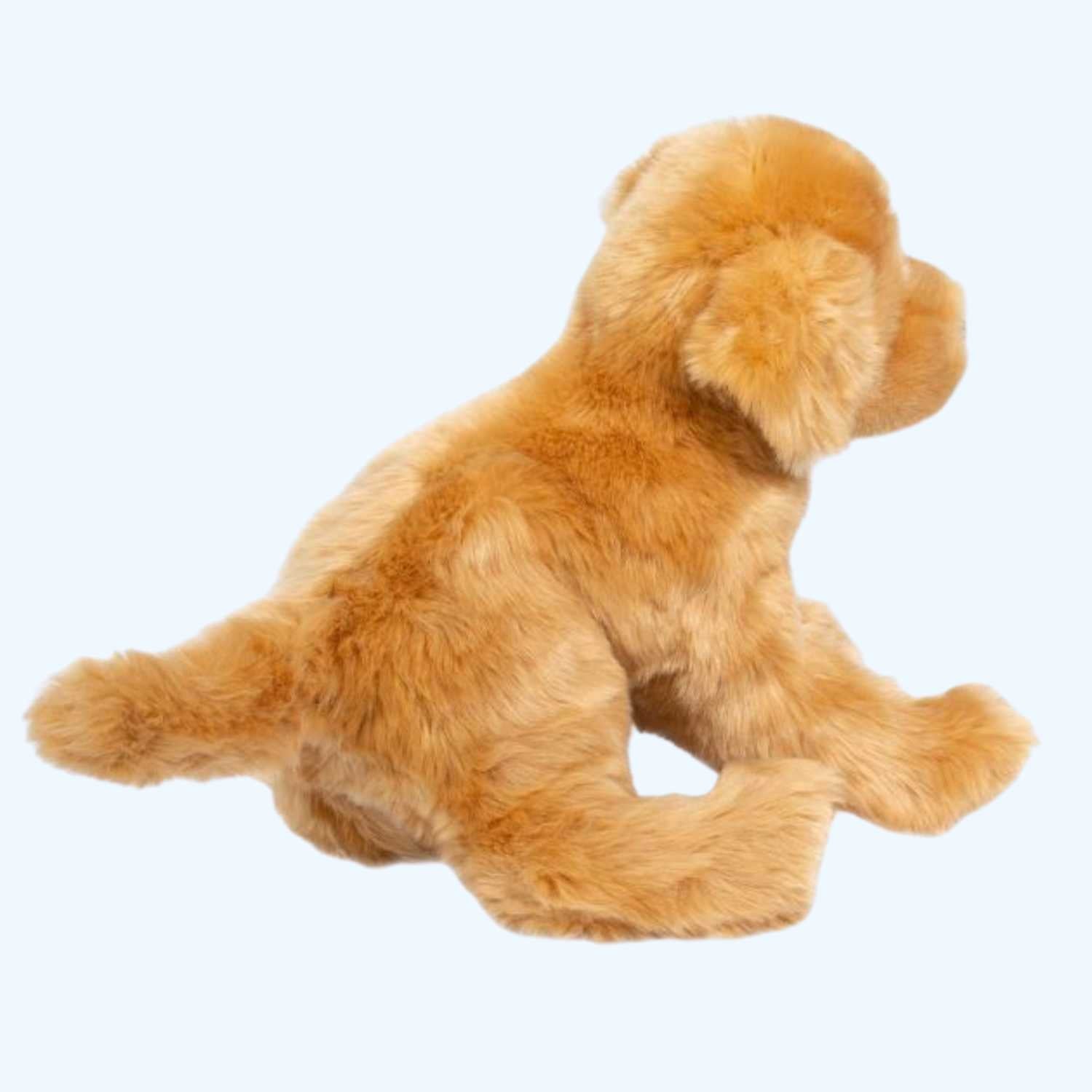
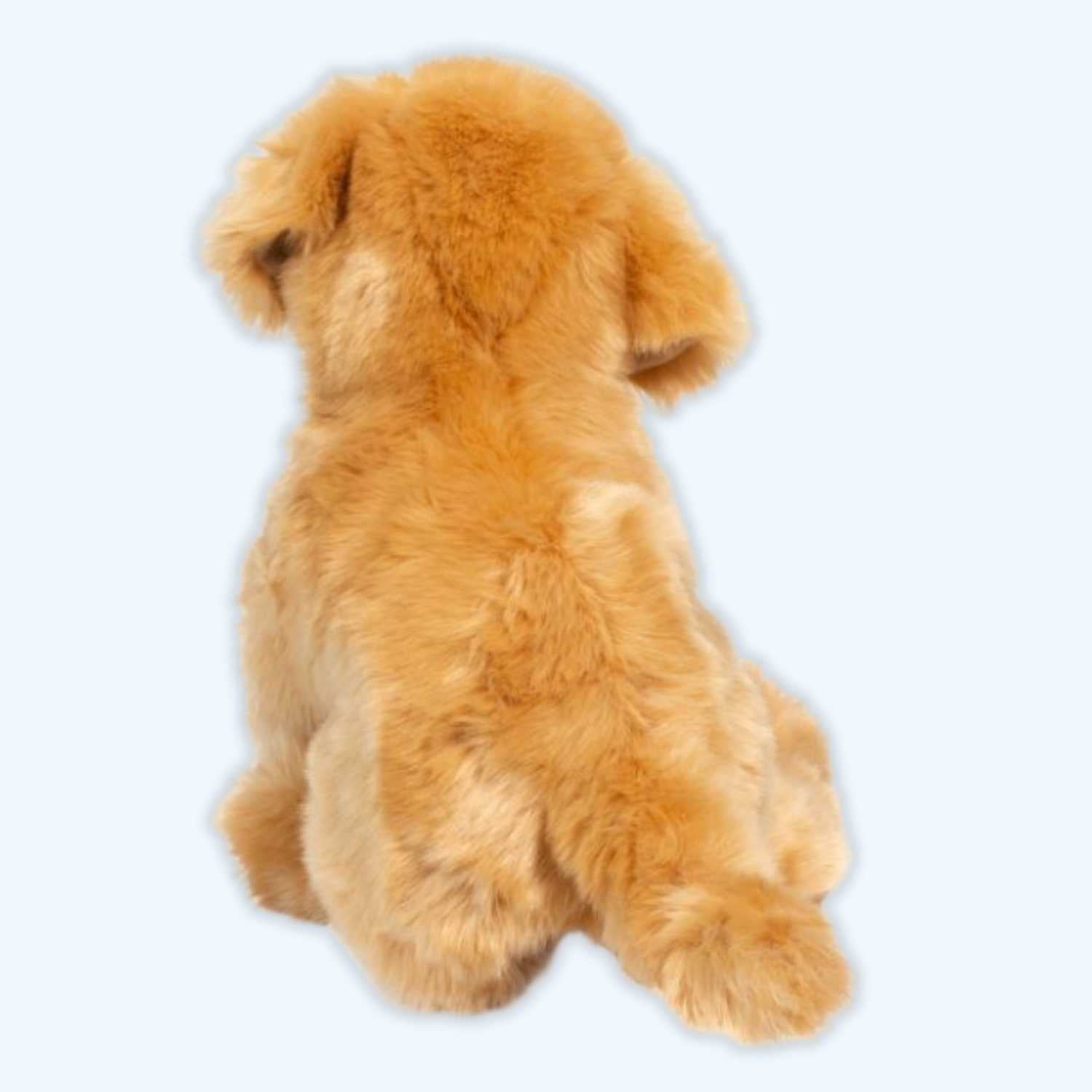
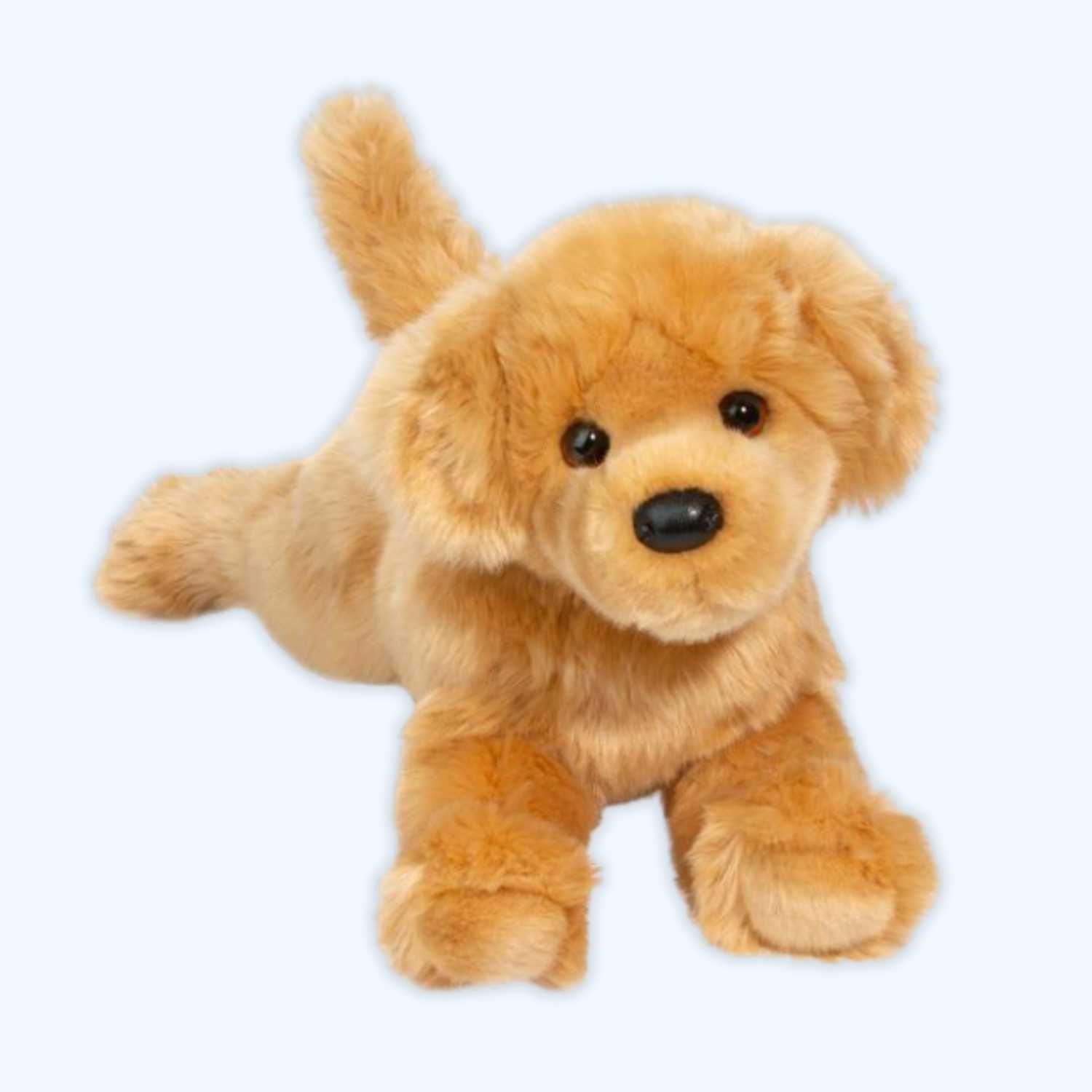
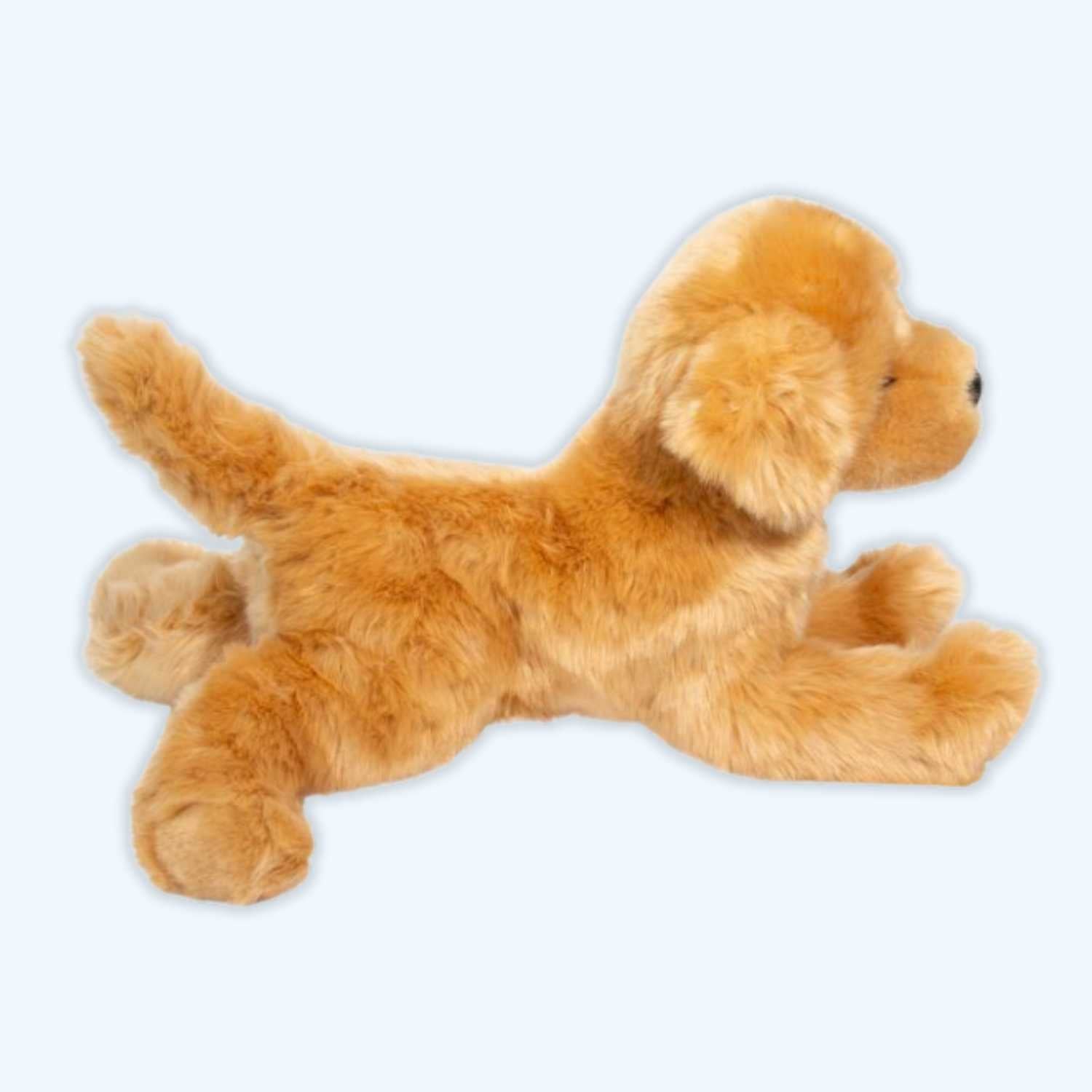
The ESSAs in our shop are genuine Douglas® plush, mostly dogs, but the brand and the nickname are separate things. Douglas® is who made the toy. ESSA is what its owner calls it.
What an ESSA is not
Because the name sounds official, it can get mixed up with some very different things. Here is how they differ.
It is not an ESA
Take the "stuffed" out and you get ESA, a term used in the United States for a living animal, not a toy. Even there, it is not the same as a trained service dog: US federal guidance says dogs whose only job is to provide comfort do not count as service animals. An ESSA is a soft toy, so none of those rules apply to it at all.
It is not an assistance dog
In the UK, a real, specially trained working dog that helps its owner is called an "assistance dog". Guide dogs are the best-known example. Many are trained by specialist charities, and Assistance Dogs UK is the umbrella body that brings many of those charities together. A plush is not part of that world, and it should never be presented as if it were.
It is not something you register
There is no official register of ESSAs and no certificate you need to get. For comparison, Assistance Dogs UK explains that the UK has no register for assistance dogs either, and no official process for registering or certifying them. If a real working dog has no official register, a soft toy certainly doesn't need one. If you see an "ESSA certificate" for sale, treat it as a keepsake rather than an official document.
So why do people use the name?
If it is a soft toy, why not just call it a soft toy? The reasons are usually simple and cheerful:
- It marks one toy as special. "My ESSA" says this is not just any plush on the shelf. It is the one with a name, a history and a regular seat on the sofa.
- Naming is half the fun. Choosing a name turns a plush into a character with a personality. If you are stuck, our naming guide is full of ideas, sorted by style.
- It is shared vocabulary. Online, the word helps people find others who post photos of their plush, compare breeds and show off collections. If your child wants to join in, our guide to sharing ESSA photos safely covers what to keep out of the picture.
- It suits collectors of any age. For a teenager or an adult, "my ESSA" can be an easier thing to say than "my teddy".
Do ESSAs "work"?
It depends what you mean by work. An ESSA does what a good soft toy does. It is soft, it is always there, and it can be held, named, played with, photographed and collected. That is genuinely worth something, and it is all we claim for one. If a seller promises more than that from a soft toy, be sceptical.
If you are curious why one particular toy becomes the favourite, this look at why children love their soft toys covers names, games and the chance to be the one doing the looking after.
If you would like one
Start with the animal or breed you love most, then think about size and care. A pocket-size dog of about 13–20 cm fits a school bag, while a medium of about 41 cm is big enough to hug and still easy to carry. Check the care label as well, because many Douglas® dogs are surface clean only and just some can go in the washing machine. You can browse all our Douglas® dog breeds from A to Z to find the one that feels like yours.
Frequently asked questions
Are ESSAs real?
Yes, as a name. ESSA is a nickname used online and by collectors for a soft toy someone has named and keeps close. It is a toy, not an official category, a registered animal or an assistance dog.
Do you need a certificate or registration for an ESSA?
No. There is nothing to register and no official body that registers soft toys. Even real assistance dogs are not officially registered in the UK.
Can adults have an ESSA?
Yes. Anyone can name and keep a plush they love. The age guidance that matters is the one on the label, which for the Douglas® plush we sell reads 24 months and up. They are not toys for babies.
Find a dog worth naming among our Douglas® dogs in UK stock.