Pretend Play With Soft Toys: Easy Ideas for Kids
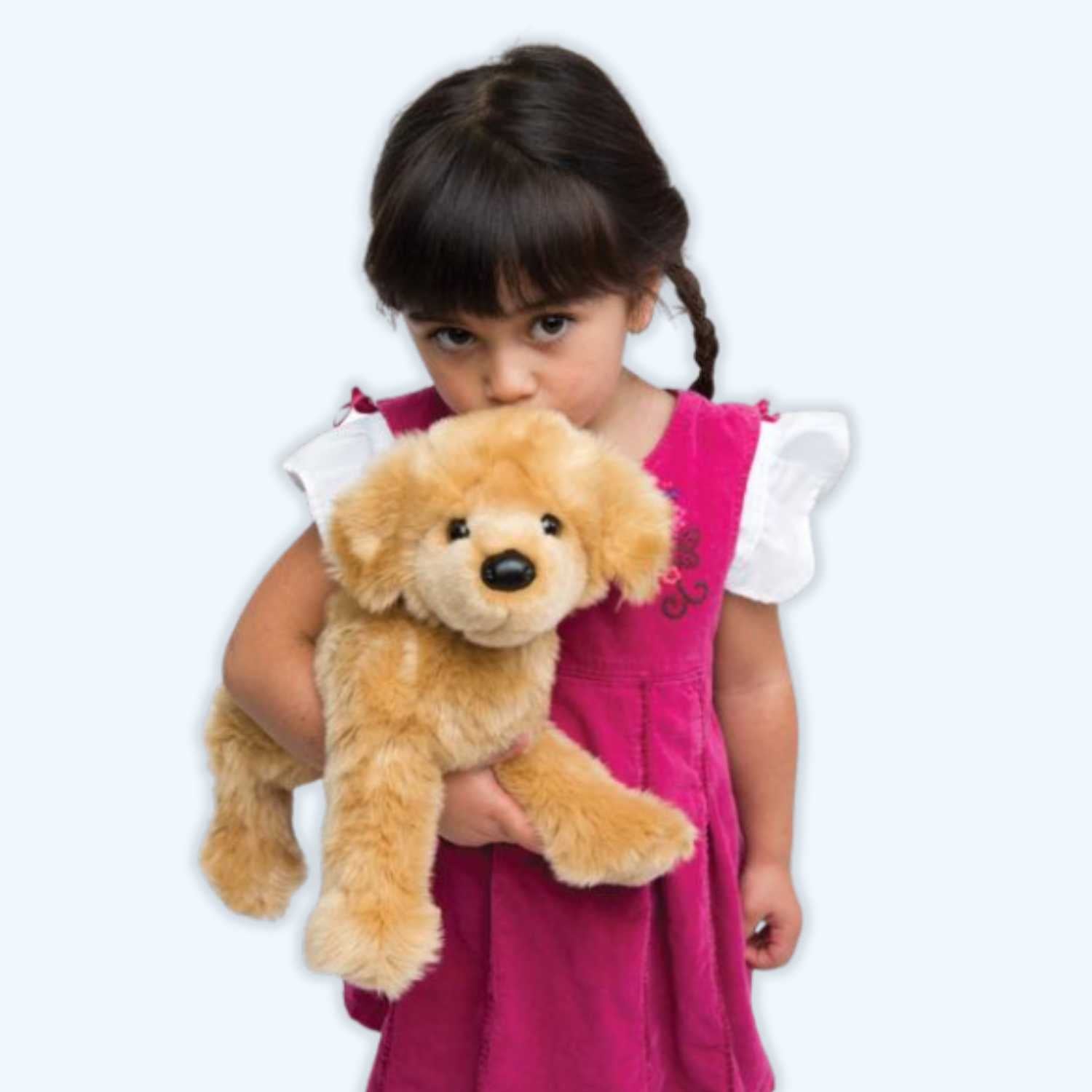
Pretend play with soft toys needs very little: a favourite cuddly friend, a few things from the kitchen drawer and one small idea to get the story moving. Below are 12 easy setups, from a vet clinic to a post office round, plus how to start a game in five minutes and how to make tidying up part of the fun.
What you need before you start
Not much. One or two soft toys, a cardboard box, a tea towel, paper and a few pens will cover most of the ideas below. Our Douglas® soft toys are labelled for ages 24 months and up, so these games suit toddlers from two upwards and older children who still like a story with a cast.
12 pretend play ideas with soft toys
1. The vet clinic
Line up cushions as a waiting room and turn a shoebox into the examination table. A scarf makes a bandage, a wooden spoon is the thermometer and a sticky note becomes the prescription ("two cuddles, twice a day"). Patients can arrive on a ribbon lead for the walk to the surgery.
2. A teddy bears' picnic
Spread a blanket on the floor or in the garden and sit the guests in a circle. Each guest "brings" a dish, drawn on a paper plate. If it rains, move the whole thing under the kitchen table and call it a picnic in a cave.
3. School
The toys sit in rows and your child takes the register. Lessons can be counting the class, spelling each pupil's name, or a PE session of star jumps that the toys are very bad at. Every pupil needs a name for the register, so this is a good moment to pick names together.
4. The corner shop
Raid the cupboard for tins and cereal boxes, add price labels and make paper money. One toy can be the shop dog who greets customers at the door. Use paper money rather than real coins if there is a baby or toddler in the house.
5. The dog groomer
A dry, soft brush, a towel and a few ribbons are all the salon needs. Keep it a dry salon: many of our Douglas® toys are surface clean only, so water and sprays are best left out of the game. Our care guide covers the real thing.
6. The post office round
Write a short letter or postcard to each toy, pop them in a bag and deliver them around the house. Draw the stamps. Add a "signed for" parcel that needs a paw print on delivery. The next day, the toys write back (with a little help from you).
7. The airport
A shoebox suitcase, a hand-drawn boarding pass and a passport check at the living-room door. The sofa is the plane and the toys need to show a passport before boarding: a hand-drawn passport with the toy's portrait does the job nicely.
8. An expedition
Draw a map of the garden or flat, make binoculars from two kitchen-roll tubes and set off to find wild animals hidden behind cushions and under beds. A white sheet over a chair turns any room into the frozen north.
9. Search and rescue
Hide one toy somewhere tricky. The rescue dog has to find it while your child gives the search instructions. Bring the "casualty" home on a tea-towel stretcher carried between two people.
10. The café
Write a menu, take orders on a notepad and serve play food or a real snack. Soft toys make wonderfully fussy customers who send their toast back three times.
11. The pyjama party
The toys get ready for bed alongside your child: a pretend tooth-brush, a story read aloud to the whole row, and a hand towel wrapped as a dressing gown for the guest of honour.
12. The dog show
Set up categories such as waggiest tail, best trick and smartest outfit, and make rosettes from paper plates. Your child is the judge with a clipboard. Every entrant wins something, because that is how this particular show works.
Start a game in five minutes
- Pick one prop. A box, a bag or a blanket is enough to set the scene.
- Give the toy a problem. "Biscuit has hurt his paw" or "The postie has lost a parcel" starts a story faster than "let's play shops".
- Ask, then wait. "What happens next?" hands the plot to your child.
- Step back. Once the story is running, you are a customer or a patient, not the director.
Let them lead the story
If the vet clinic turns into a hospital for dragons halfway through, go with it. Children's plots wander, and that is part of the fun. Resist correcting the details; a shop that sells only socks and biscuits is a perfectly good shop.
Make tidying up the last scene
Ending the game is easier when it stays inside the story. The shop closes and the stock goes back on the shelf. The vet sends every patient home to its basket. The postie makes the last collection of the day. "Time for the dogs to go home" is a gentler ending than "right, tidy up now".
Keeping play safe for younger siblings
Props are where the small parts hide. The NHS advises keeping small objects such as buttons, coins and small toy parts out of a baby's reach, so pack beads, real coins and tiny accessories away when a little brother or sister joins in.
Frequently asked questions
What age are Douglas® soft toys suitable for?
The Douglas® soft toys we sell are labelled for ages 24 months and up.
How many soft toys do you need for pretend play?
One is enough. A second toy adds a customer, a patient or a pupil, but most of these games work with a single favourite and a grown-up willing to play along.
Can soft toys join in outdoor games?
Yes, on a dry day and on a blanket. Check the care label before any clean-up afterwards, as some toys are machine washable and many are surface clean only.
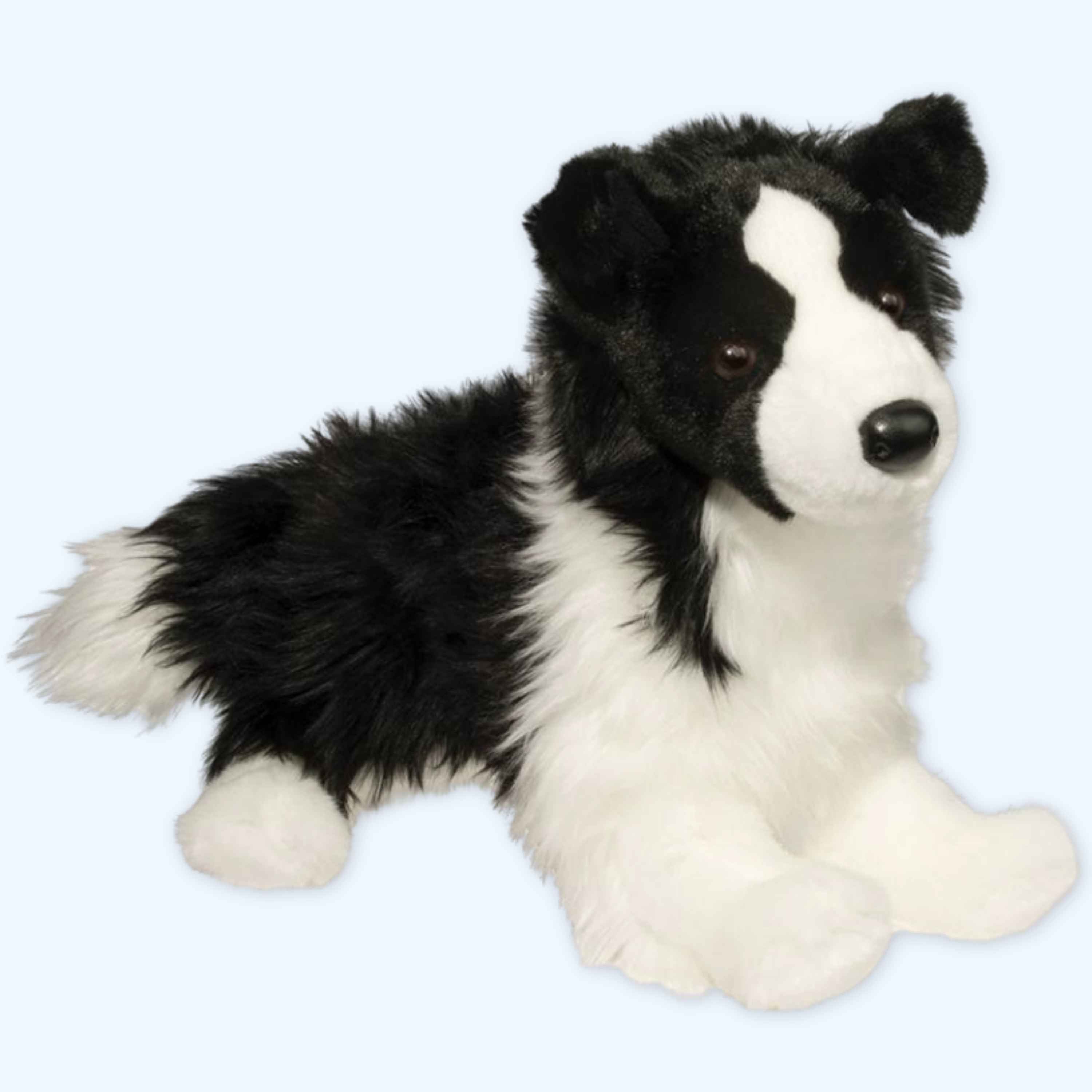
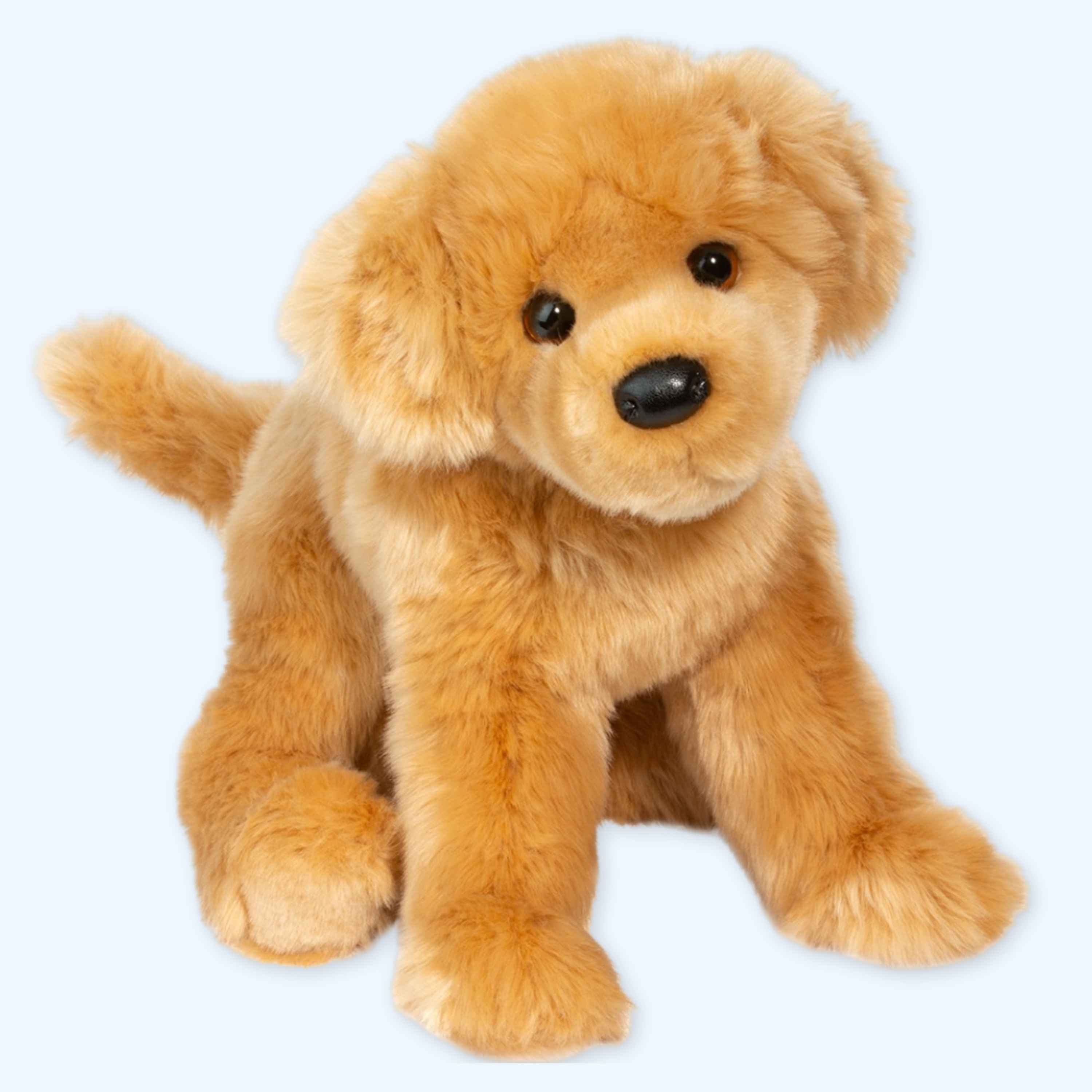
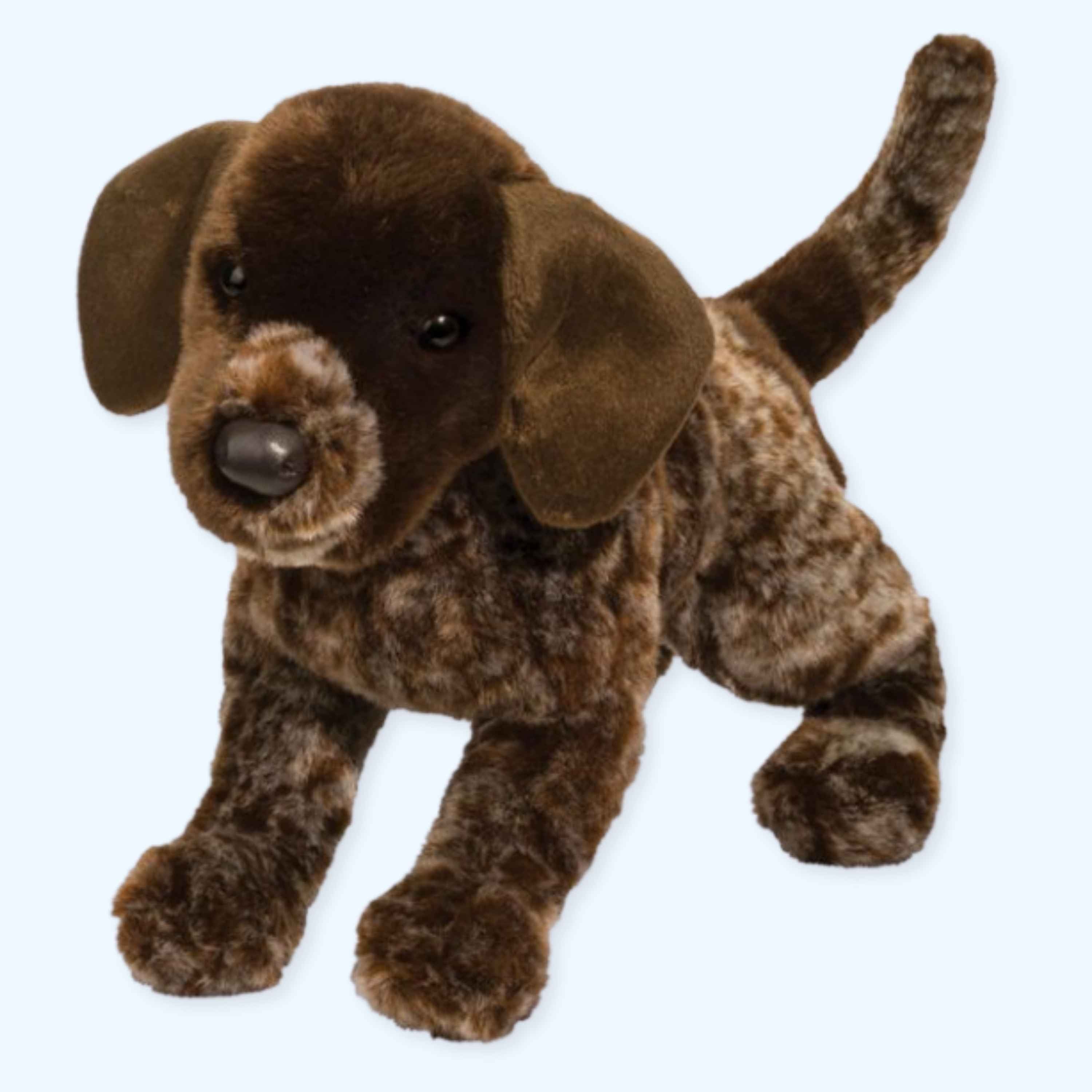
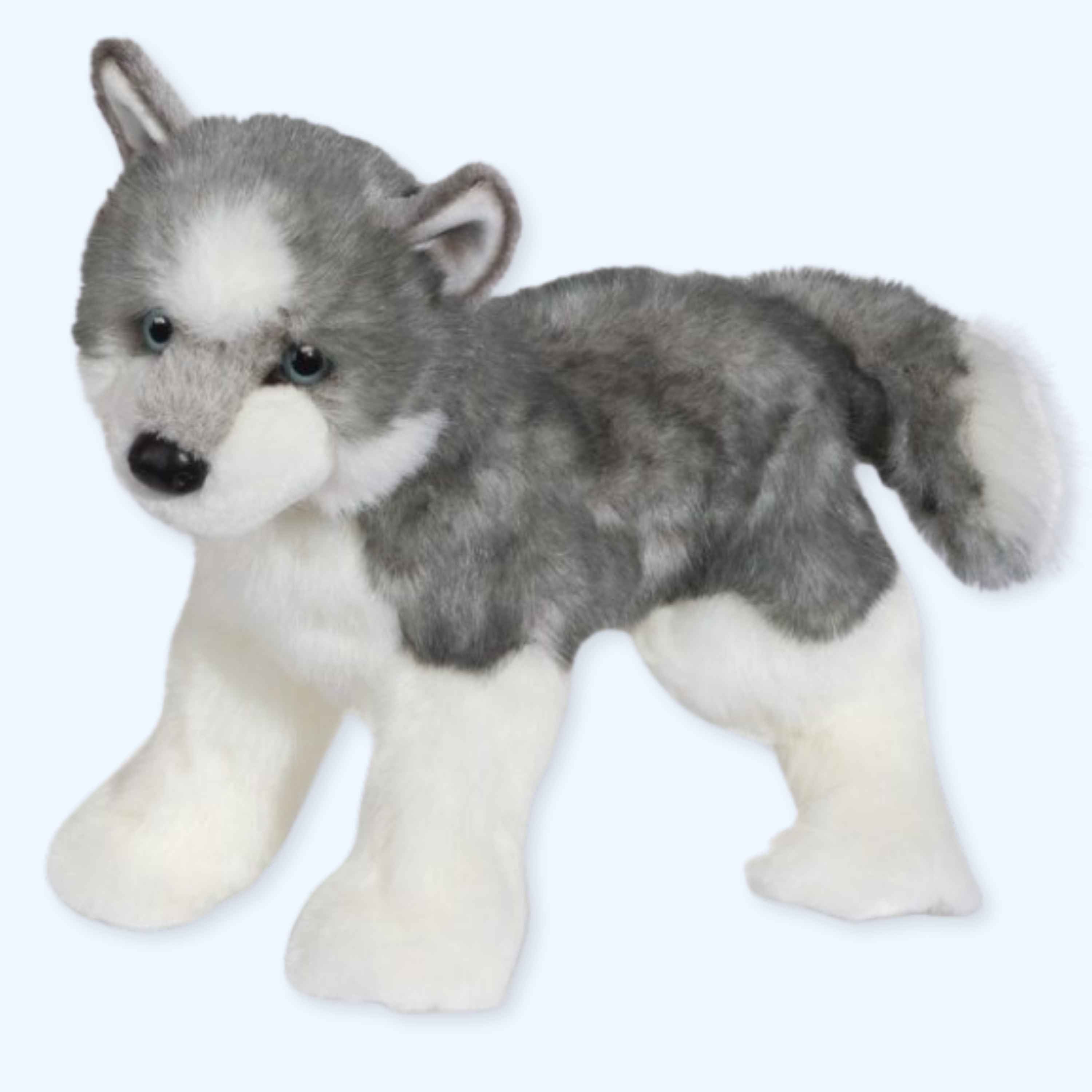
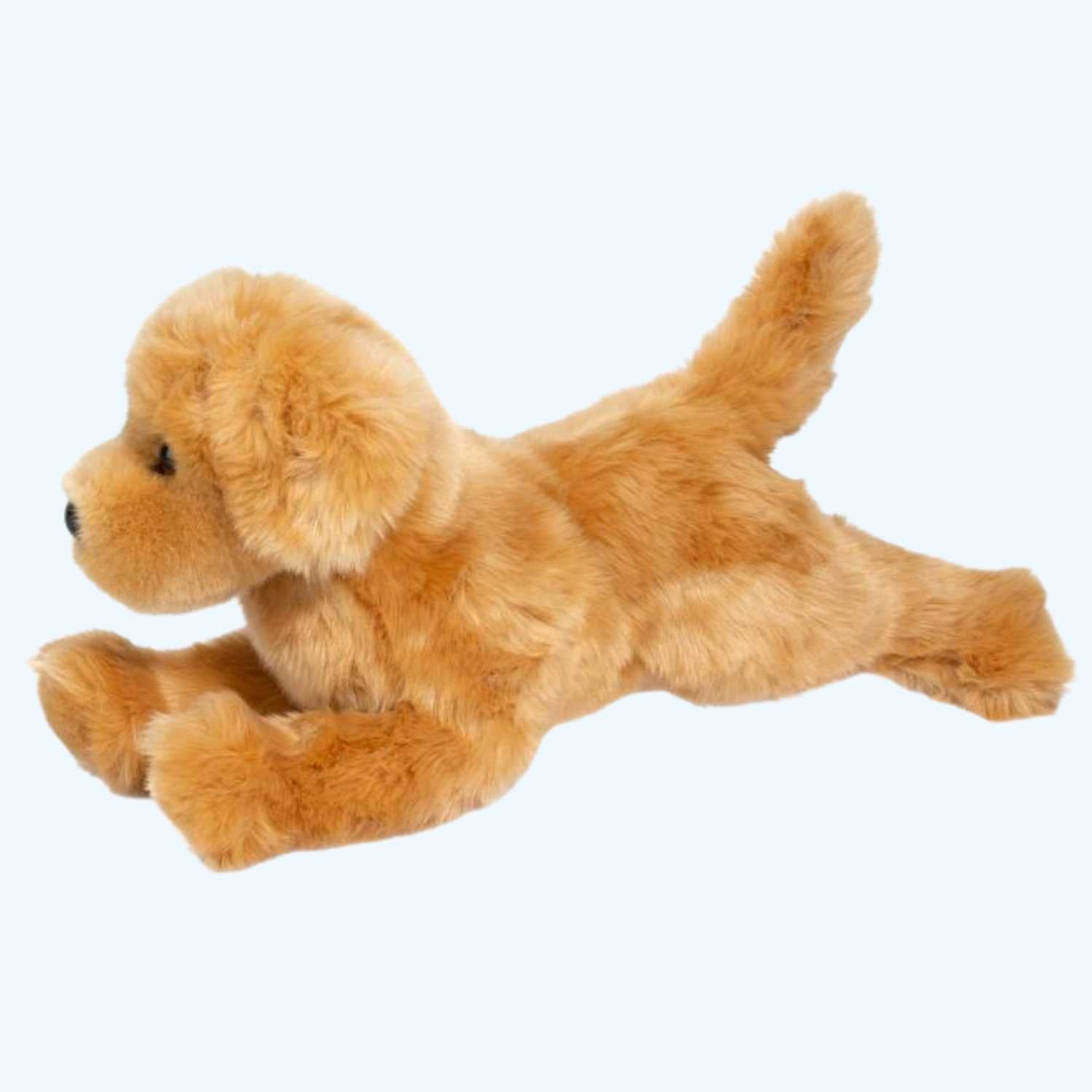
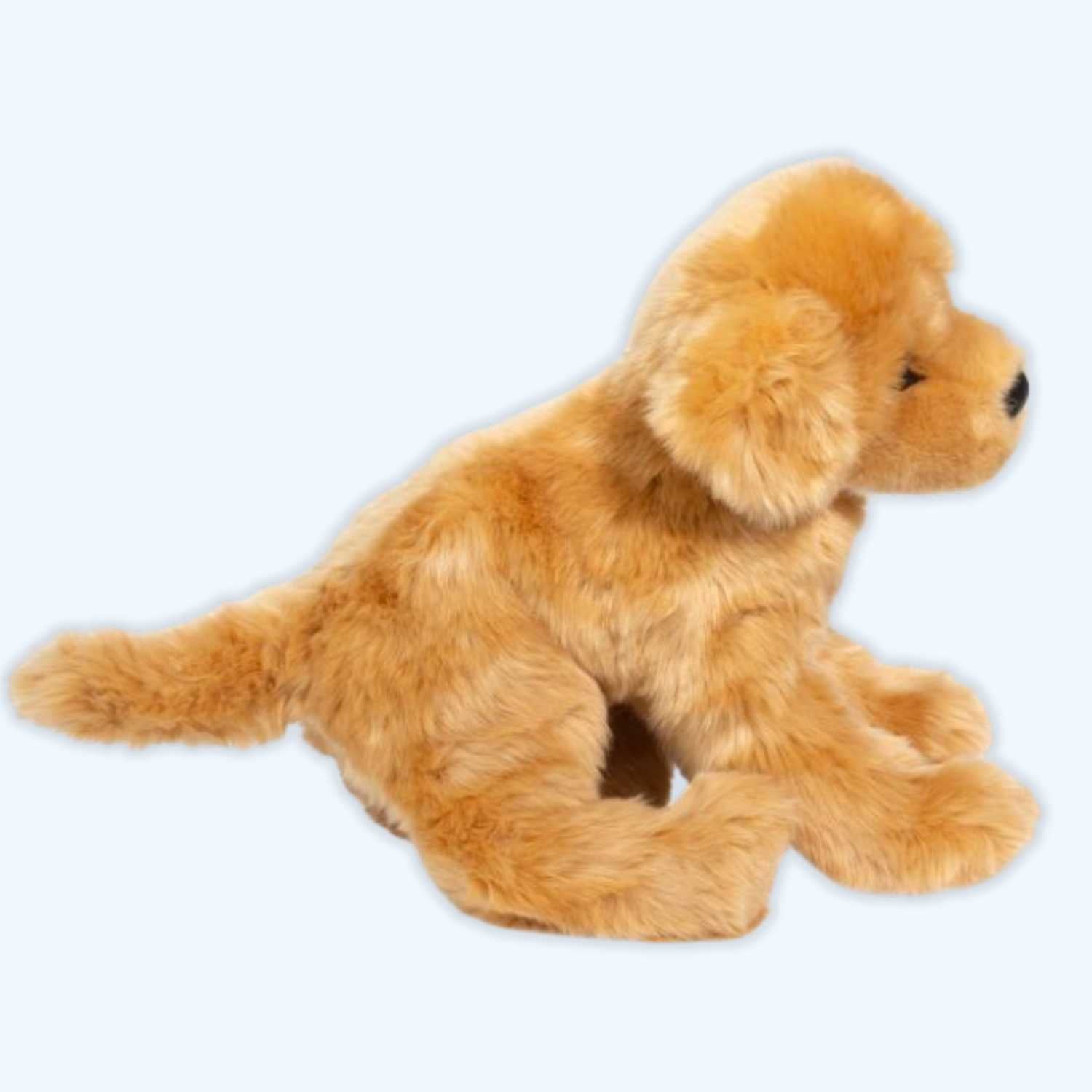
Looking for a new cast member? Browse Douglas® dogs in UK stock.