Buying a Second-Hand Soft Toy? What to Check First
Second-hand soft toys can be safe, as long as you check them before a child cuddles them. Look for a sewn-in label with a CE or UKCA mark, eyes and nose that don't budge, closed seams and fur that stays put. Then clean the toy the way its label allows. If the label is missing or the toy is badly worn, it's better as a display piece than a plaything.
Why pre-loved plush needs a closer look
A second-hand toy has a history you can't see. It may have been chewed, dragged around outside, washed too hot, dried on a radiator or kept in a damp loft. Most of that shows up if you know where to look.
The other thing that tends to go missing is information. Age guidance and care instructions usually live on a label or hang tag, and second-hand toys often turn up without them.
The rules are different, too. Toy safety law applies to businesses, including regular online sellers, but government guidance says a parent occasionally selling used toys is unlikely to count as acting in the course of a business. When you buy from a private seller, the checks are down to you.
The safety check
- Safety mark. Toys sold in Great Britain can carry a CE or a UKCA mark. RoSPA's advice for second-hand toys is blunt: if there's no CE or UKCA mark, don't buy it.
- Maker's details. Toys should also show who made them and a type, batch or model number, on the toy itself or on its packaging. On plush, that's usually the sewn-in label.
- Eyes and nose. Pinch each one and give a gentle pull and twist. Nothing should move.
- Seams. Run your fingers along every seam, including under the arms, round the ears and at the base of the tail. No gaps, no filling poking through.
- Fur. Tug lightly on a few patches. Pile that sheds easily is one of the choking hazards RoSPA warns about.
- Extras. Bells, ribbons, clothes and badges should be firmly attached and suitable for the child's age.
- Recalls. If you know the make and model, search the government's product safety alerts and recalls database.
Age labels on toys relate to safety risks, such as small parts and choking, rather than to how grown-up a child is. If a second-hand toy has lost its label, you can't know what age it was meant for, so keep it away from under-threes.
The hygiene check
Give it a sniff and a close look in daylight. A musty smell, damp patches or marks that look like mould are reasons to walk away. Strong smoke or perfume smells can be hard to shift from plush, too.
If it passes, clean it before it's cuddled. RoSPA recommends giving any second-hand stuffed toy a good wash before a child has it. How you do that depends on the label: some plush can go in the machine on a gentle cycle, while others are surface clean only. Our guide to washing a Douglas dog or soft toy walks through both, and how to dry plush without heat.
If the care label is missing and you can't identify the toy, treat it as surface clean only. Let it dry right through before it goes near a bed.
Questions to ask the seller
- How old is it, and where was it bought originally?
- Has it been washed, and how?
- Has it lived in a smoke-free home? Are there pets? Pet hair works deep into plush.
- Can you send a clear photo of the sewn-in label?
- Has it been repaired anywhere?
A seller who answers quickly and sends clear photos is usually a good sign. Vague answers about the label are not.
Is it a genuine Douglas®?
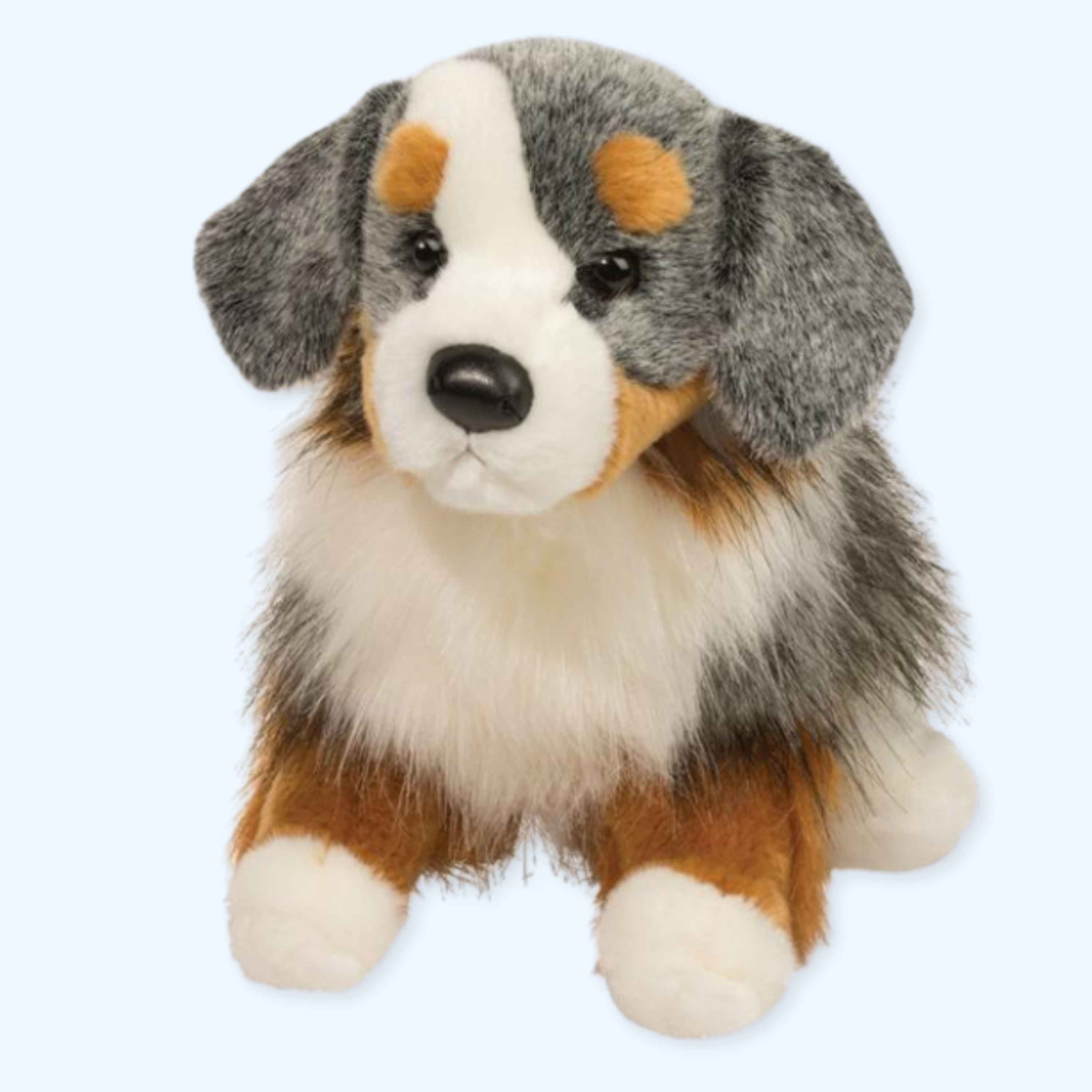
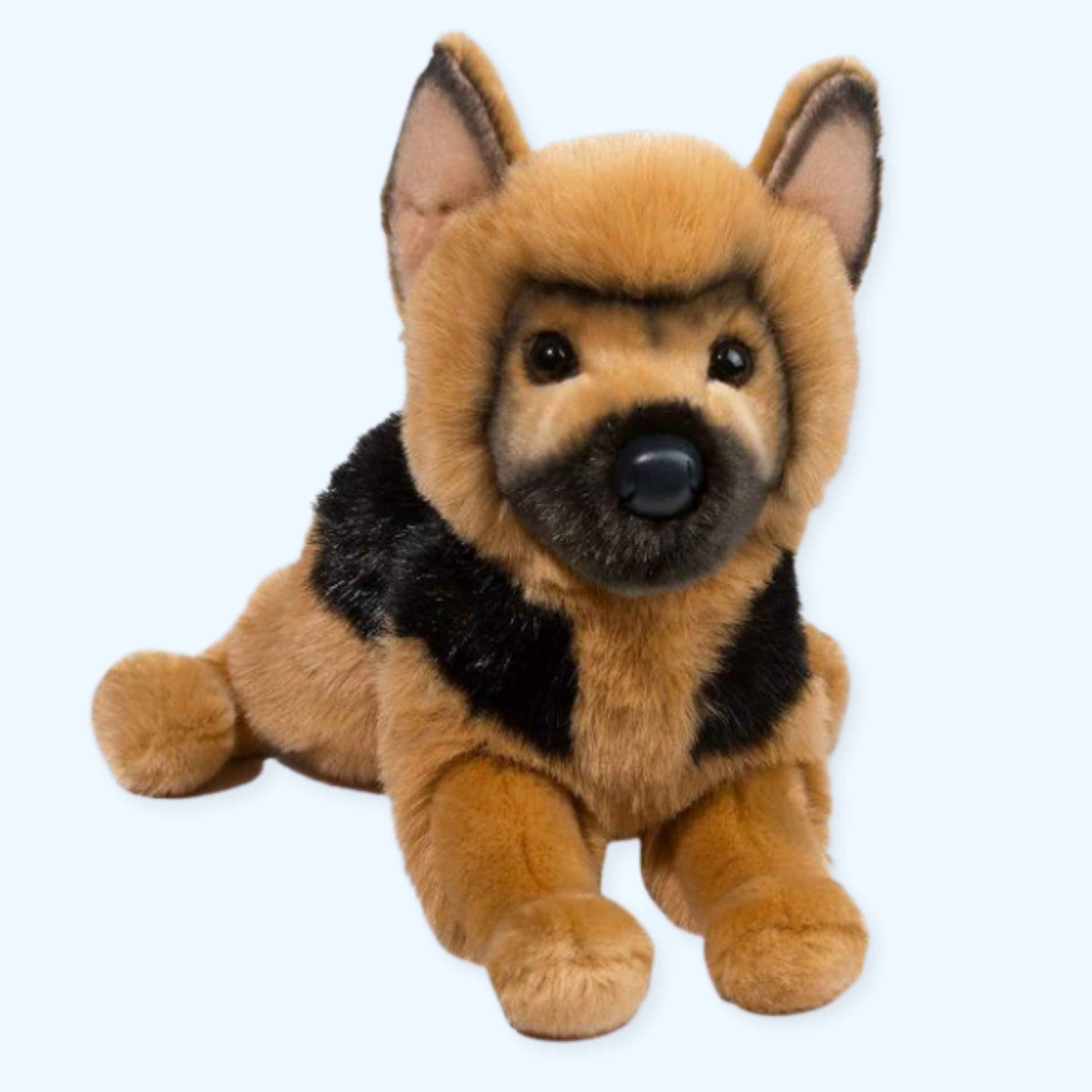
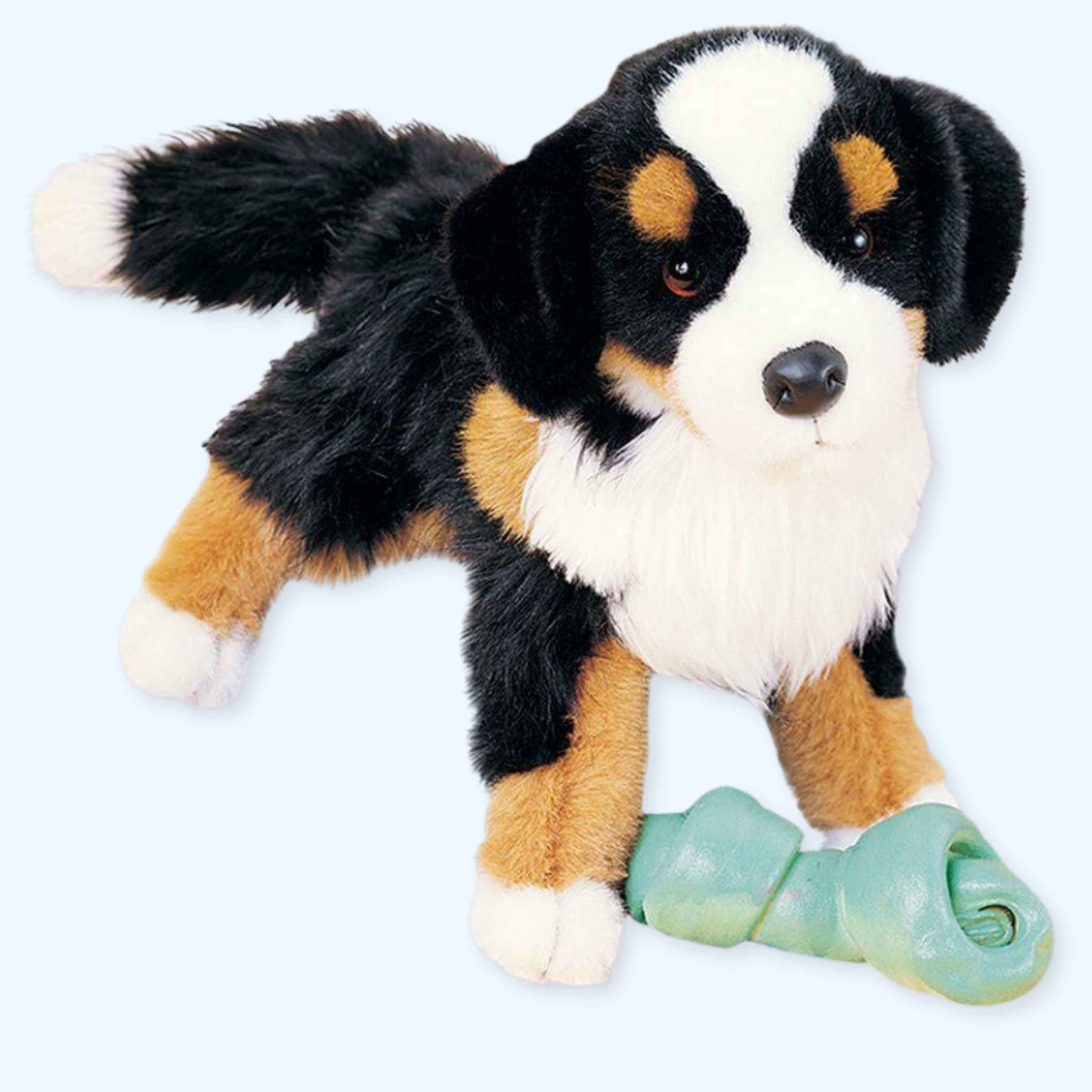
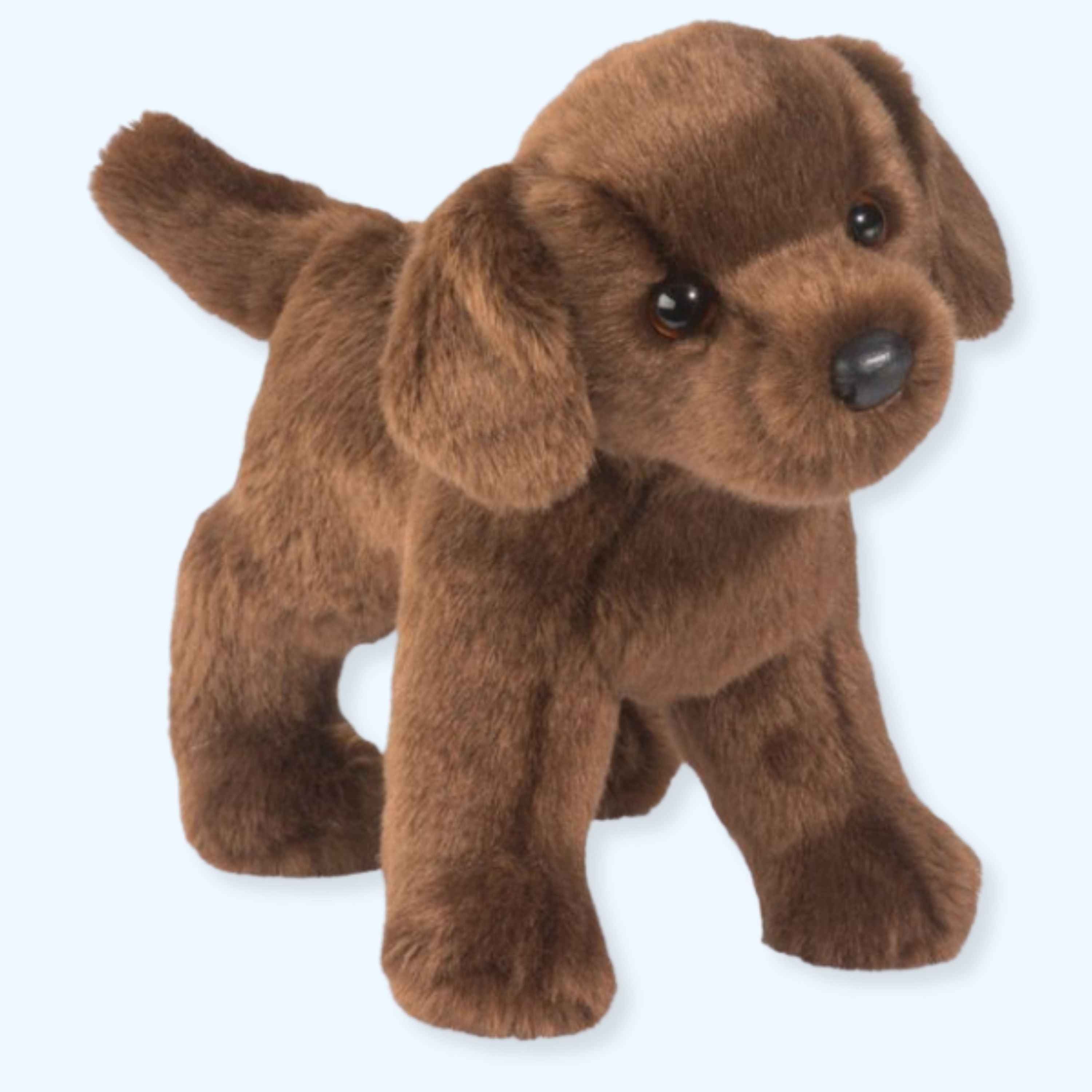
Douglas® plush turn up on resale sites, and not every listing is what it claims. Two quick checks: the sewn-in label should name the maker, and the toy should match photos of the same model from a reputable seller in face shape, colouring and size. If the label is missing, a name is misspelt or the price seems too good, ask questions or move on. If you'd rather skip the guesswork, here's where to buy genuine Douglas dogs in the UK.
When new makes more sense
Second-hand is great for display pieces, older models and collectors who know what they're looking at. For a young child's everyday companion, new has two practical advantages: a full label with age and care guidance, and a clean start. If budget is the reason you're looking second-hand, our Douglas plush under £40 are worth a look first.
Frequently asked questions
Is it safe to buy second-hand soft toys?
Usually, if you check the safety mark, eyes, seams and fur, and clean the toy before use. RoSPA advises not buying second-hand toys without a CE or UKCA mark.
How do I clean a second-hand soft toy?
Follow its care label. Machine-washable toys can go on a cool, gentle cycle inside a pillowcase; surface-clean toys get a barely damp cloth and mild soap. Always air dry.
What if the label has been cut off?
You lose the safety mark, age guidance and care instructions. Keep it away from under-threes, surface clean it, and consider it a display piece.
Prefer a clean start? Browse genuine Douglas dogs in UK stock.