Why Children Love Their Soft Toys So Much
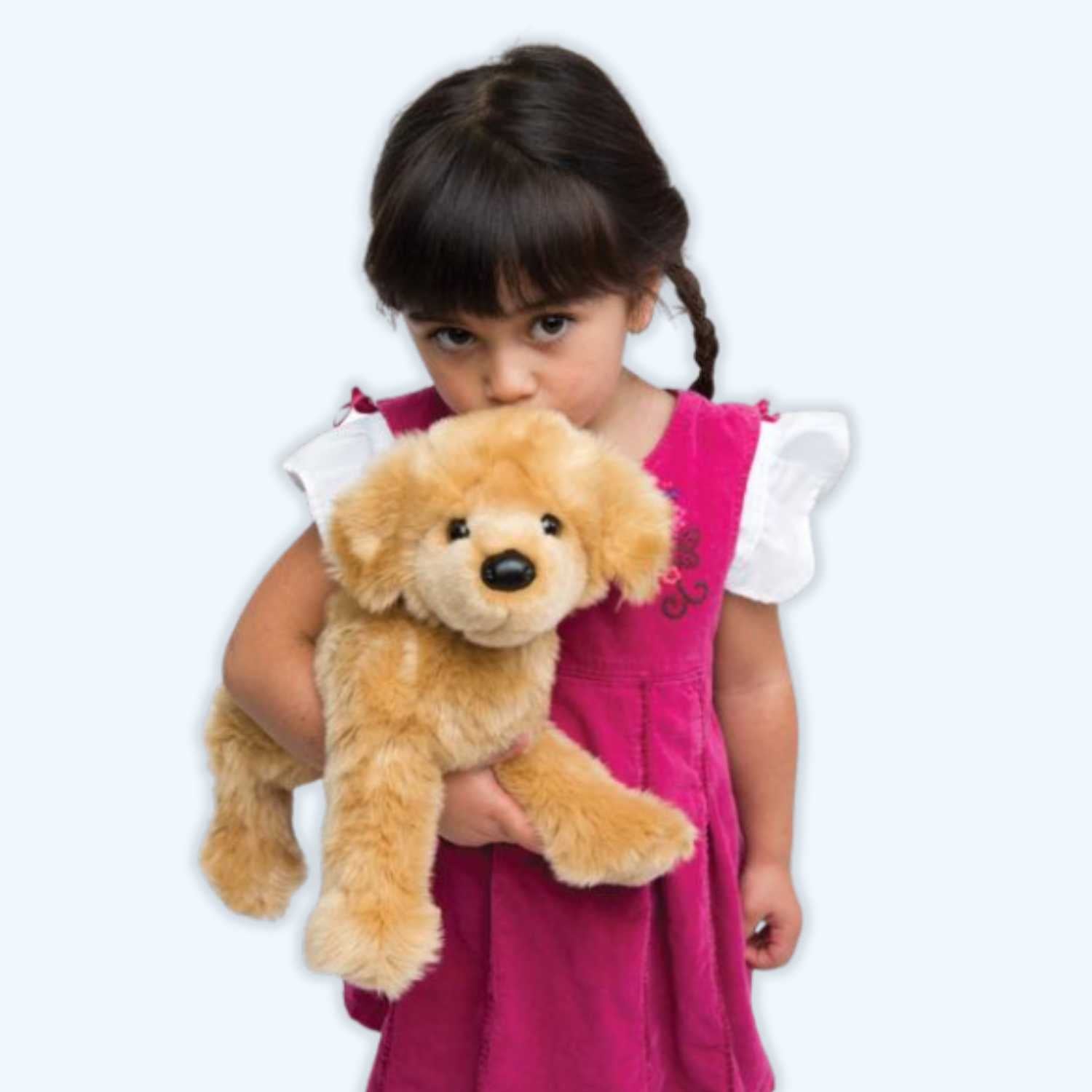
Children love soft toys because they are soft to hold, have a friendly face that never changes and can join any game a child invents. Over time one toy becomes familiar: it gets a name, a history and a place in the day. And a soft toy gives a child something rare, the chance to be the one who does the looking after.
Soft to hold and easy to carry
A soft toy is one of the few things a small child can pick up, squeeze, drag along by one ear and drop without anything breaking. There are no batteries to run flat, no screen to crack and no pieces to lose under the sofa. It is the right size for a hug and light enough to come along wherever they go.
A face that is always pleased to see them
Most toys are things. A soft toy has eyes, a nose and an expression, which makes it feel like someone rather than something. That face stays the same whatever kind of day it has been. Nobody was cross with it at lunch and it has no opinion about the state of the bedroom.
A friend for every game
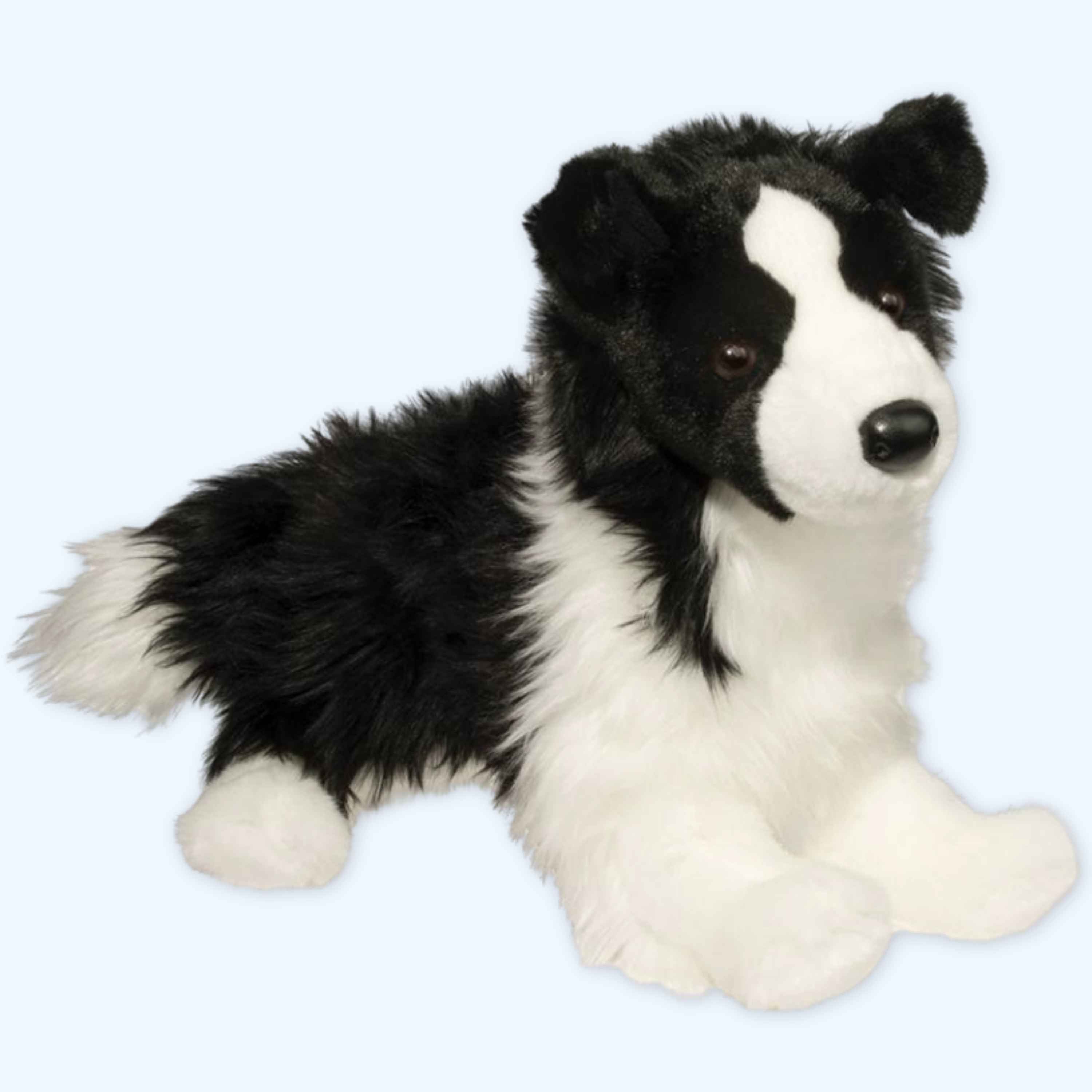
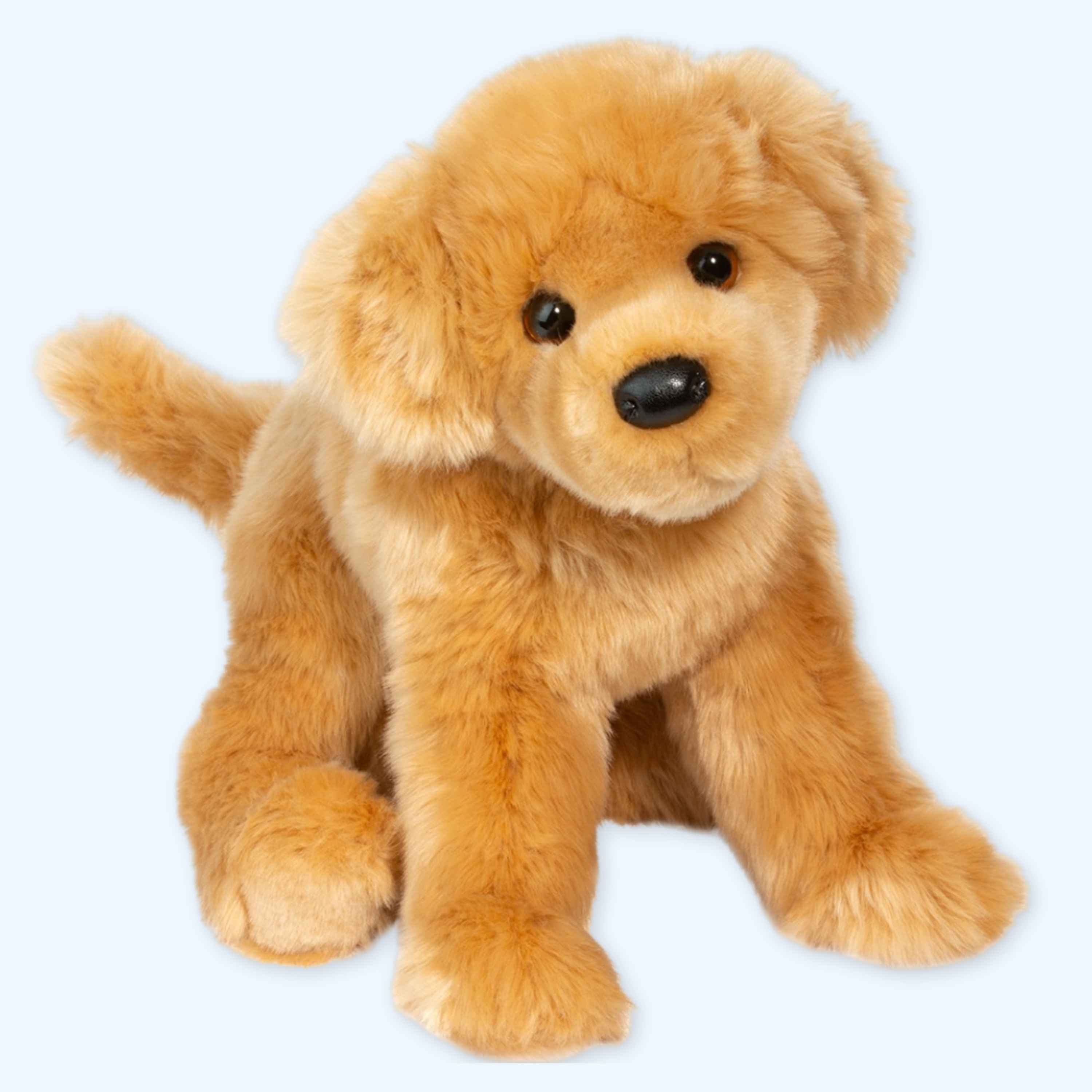
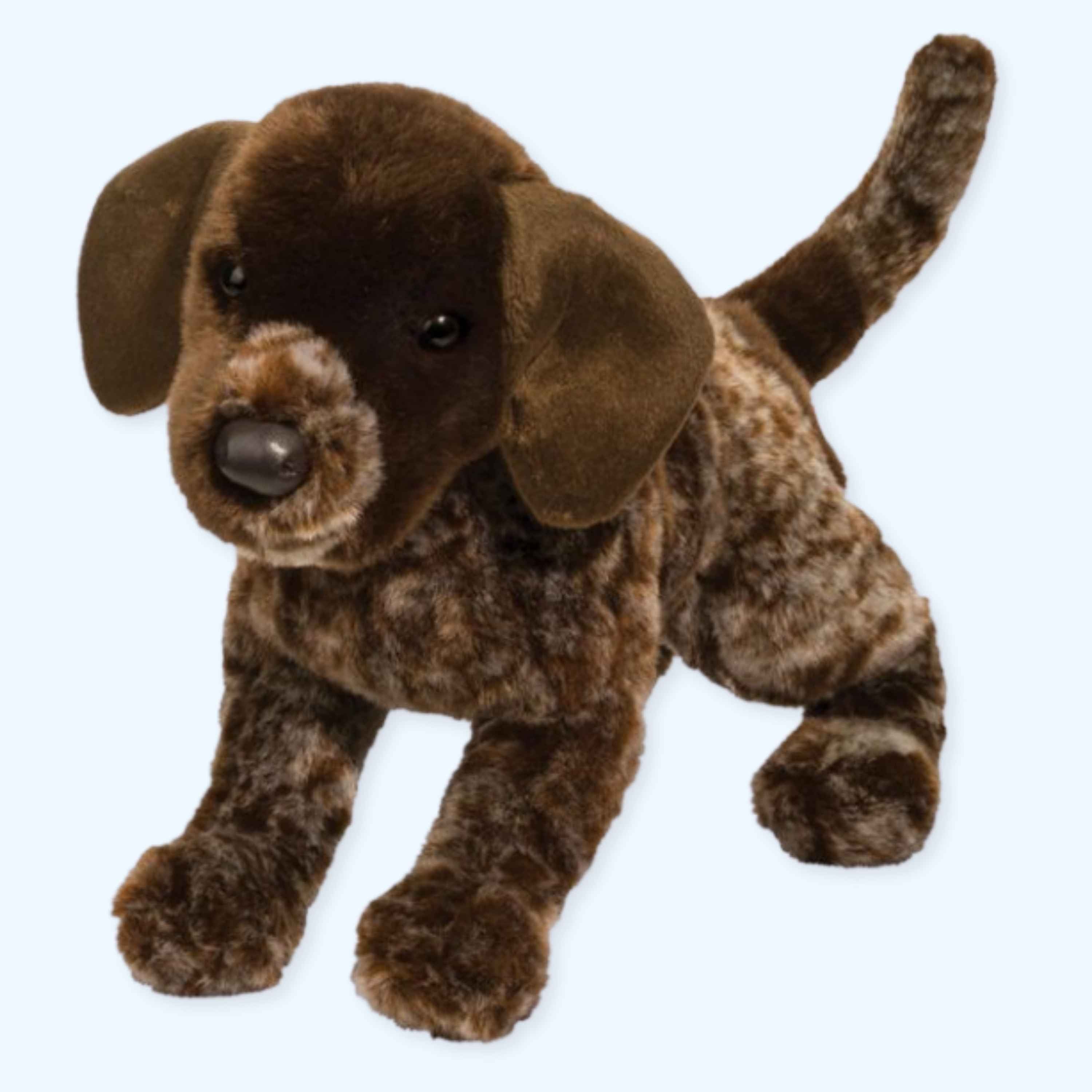
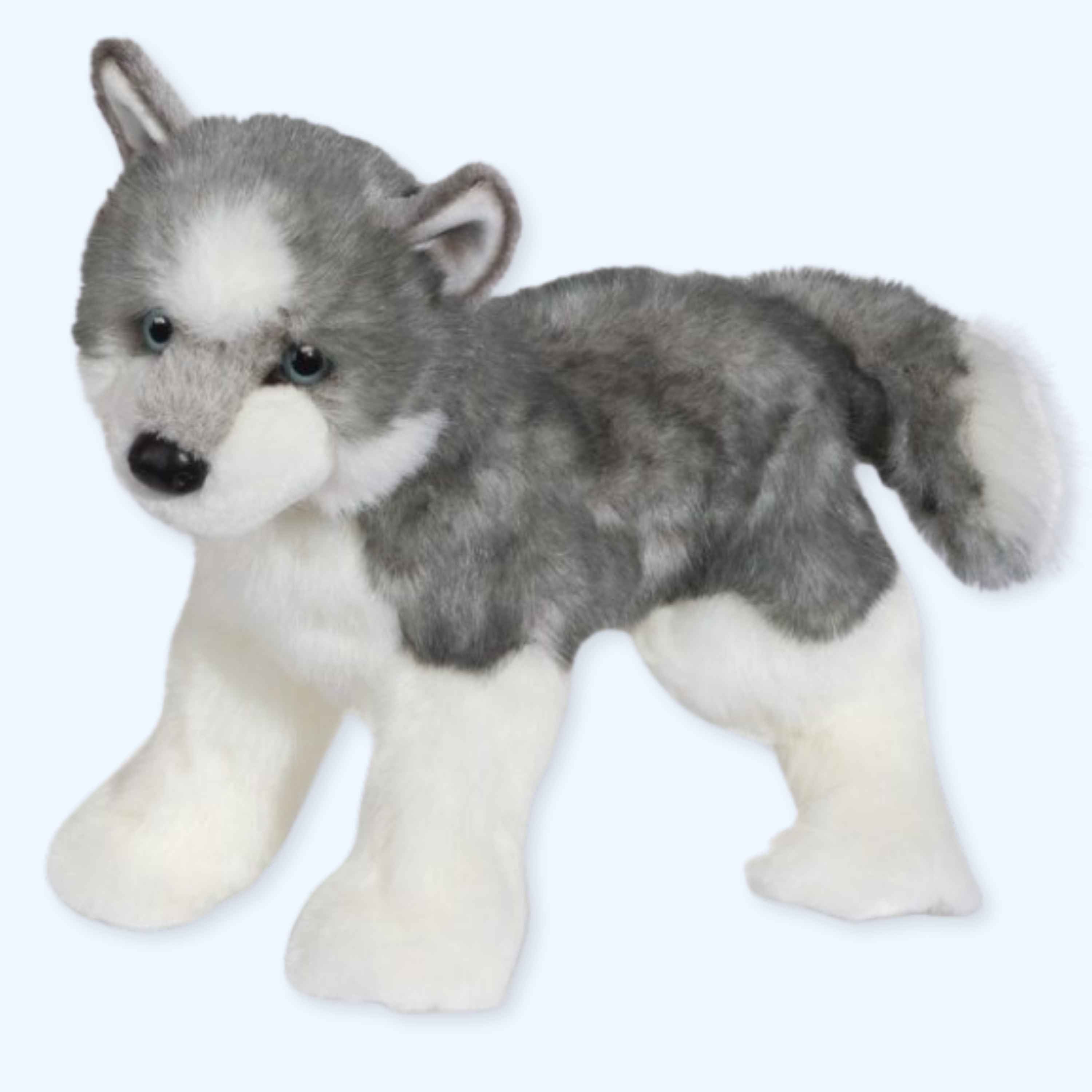
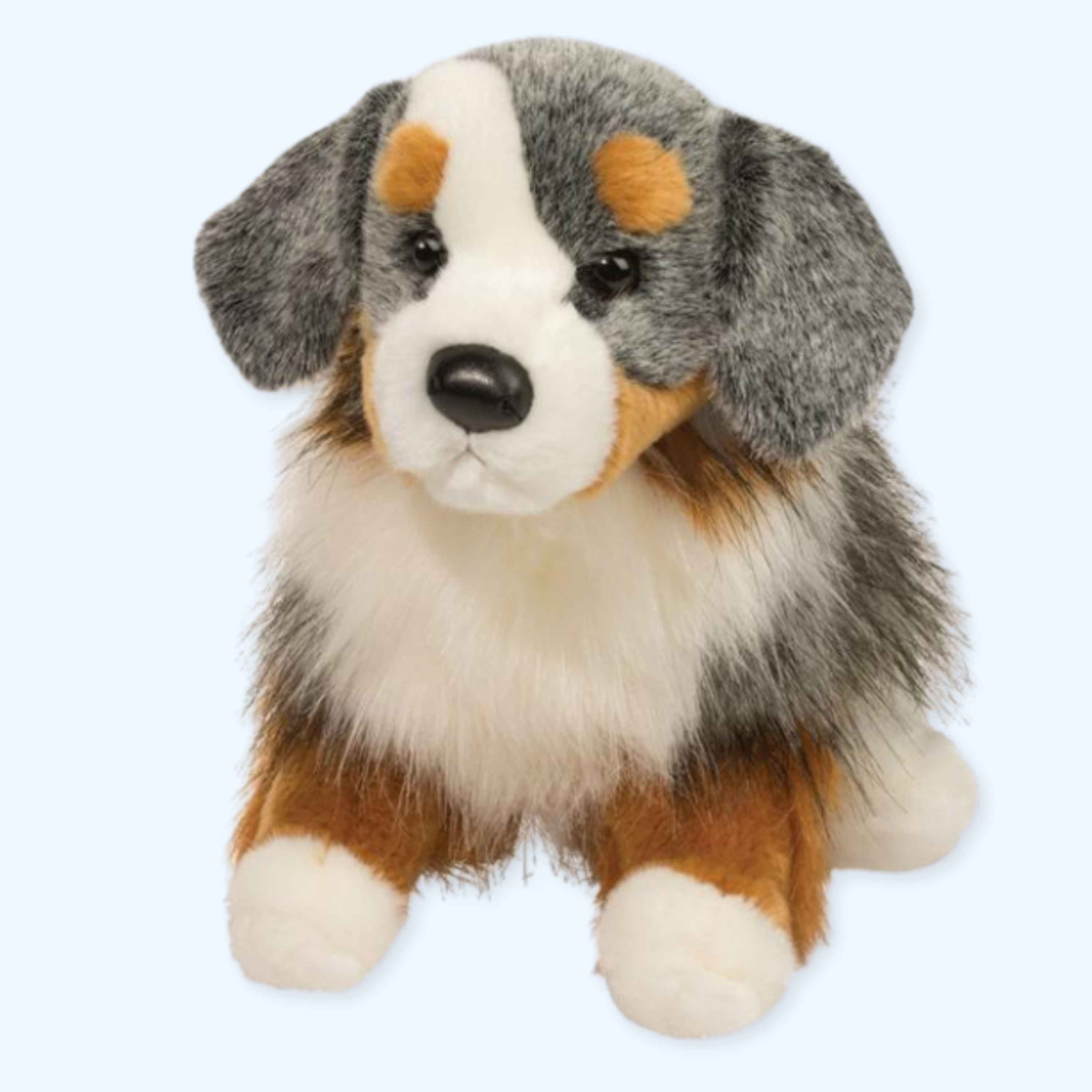
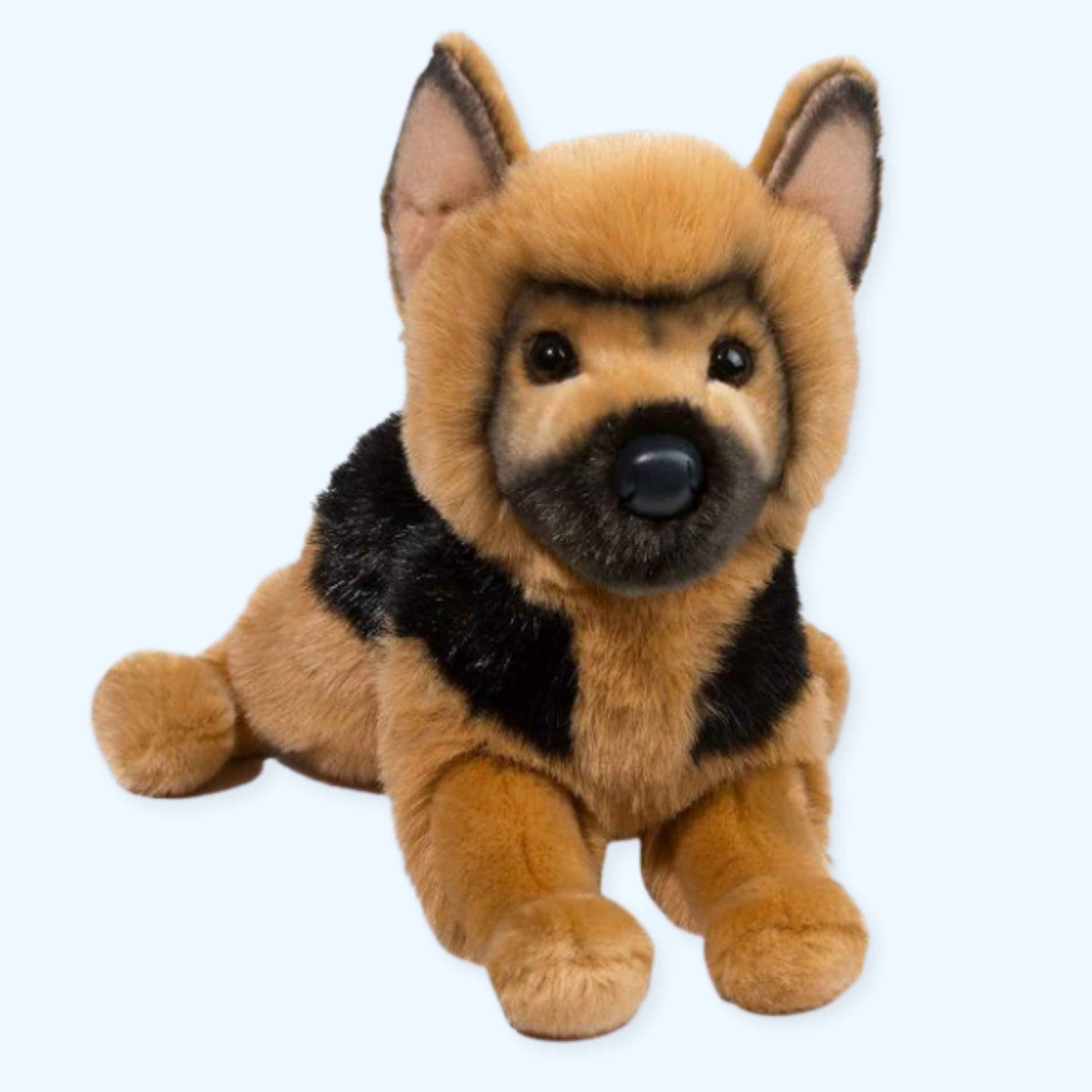
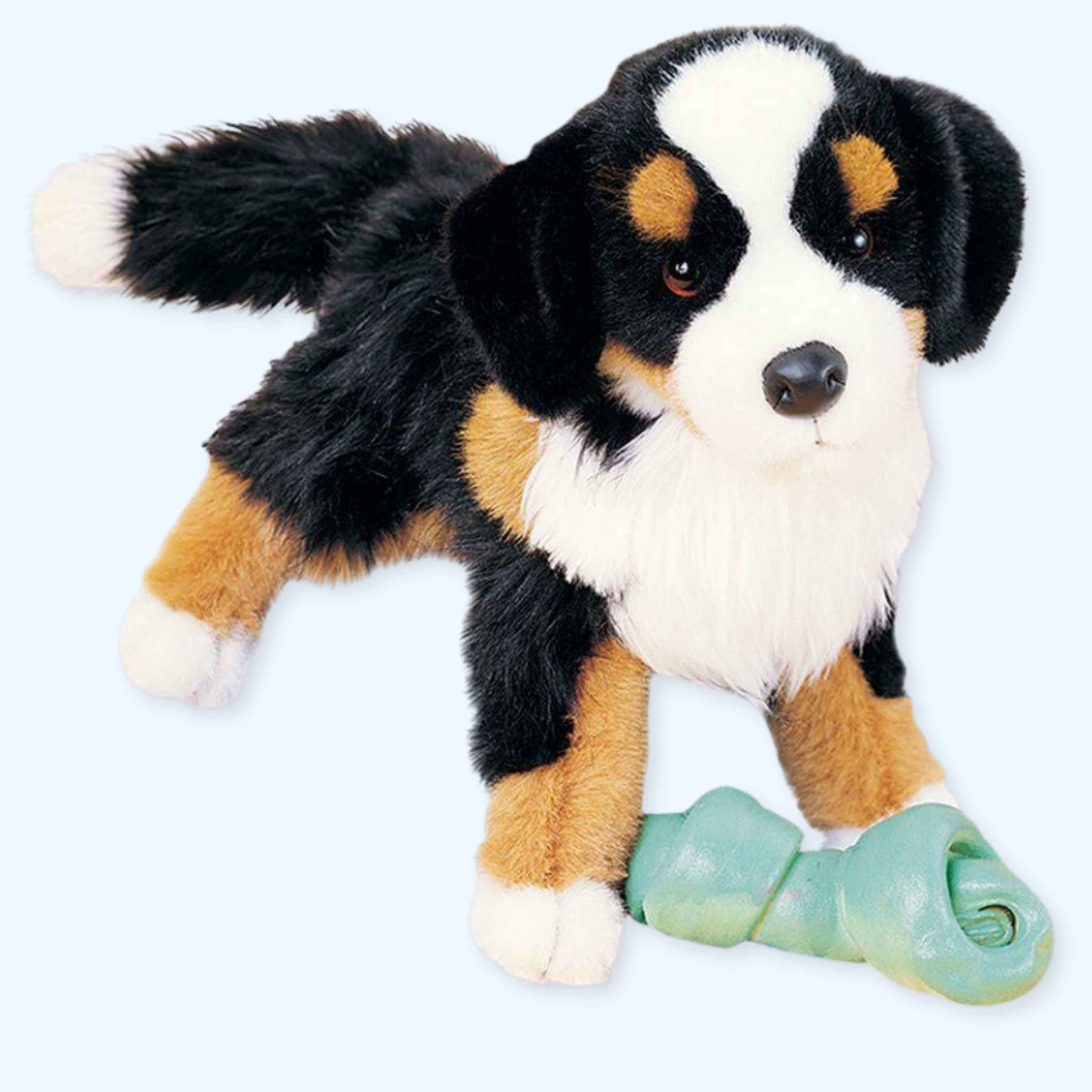
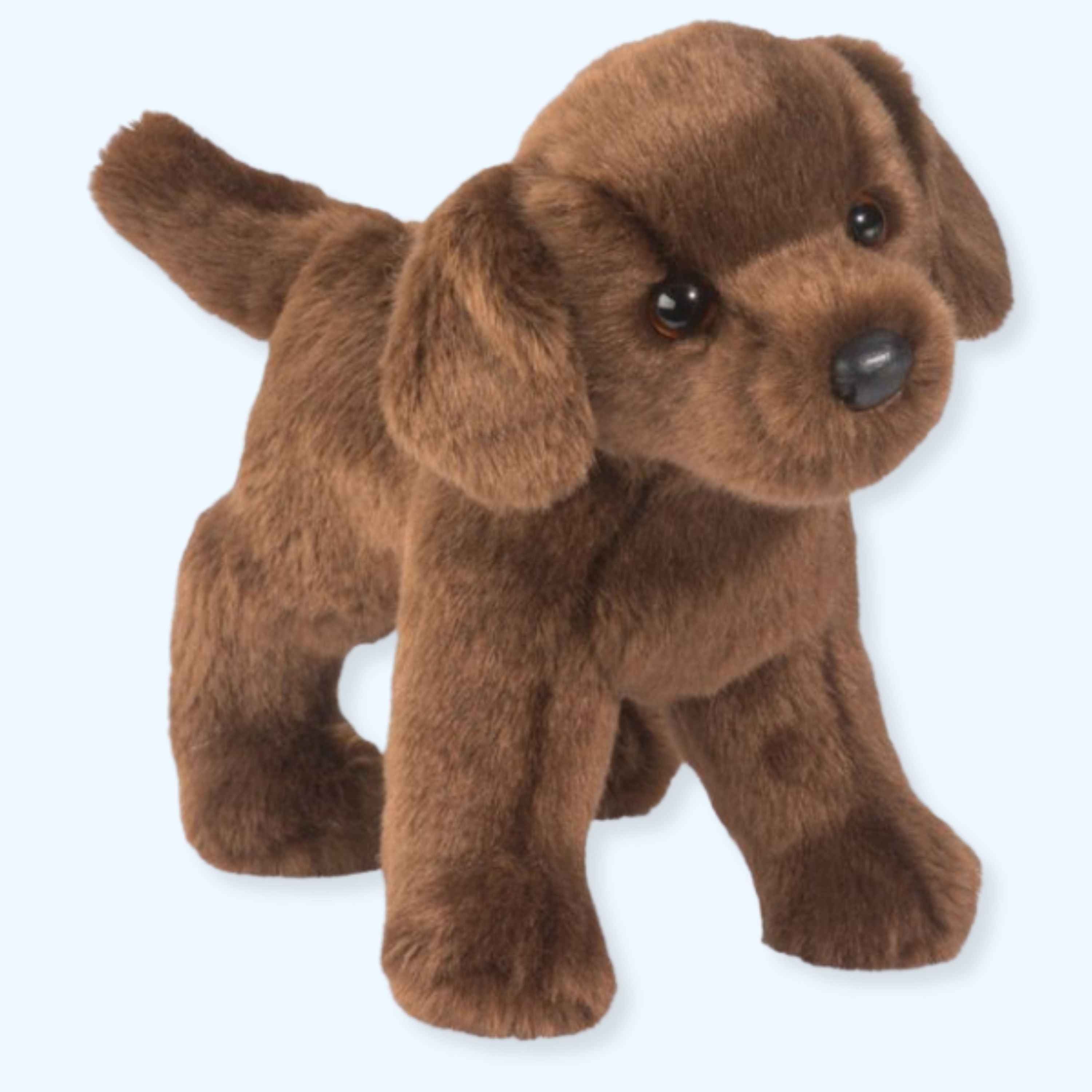
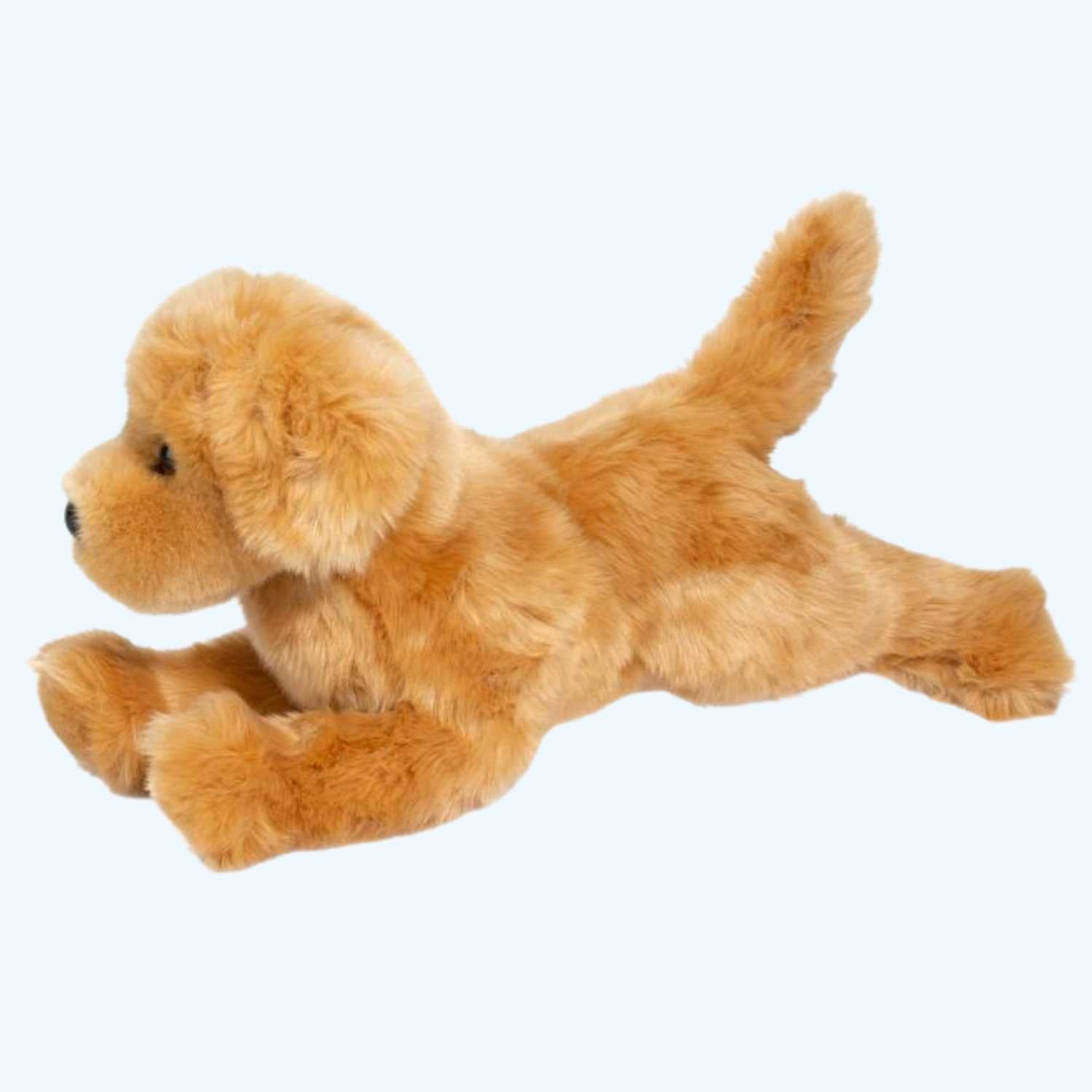
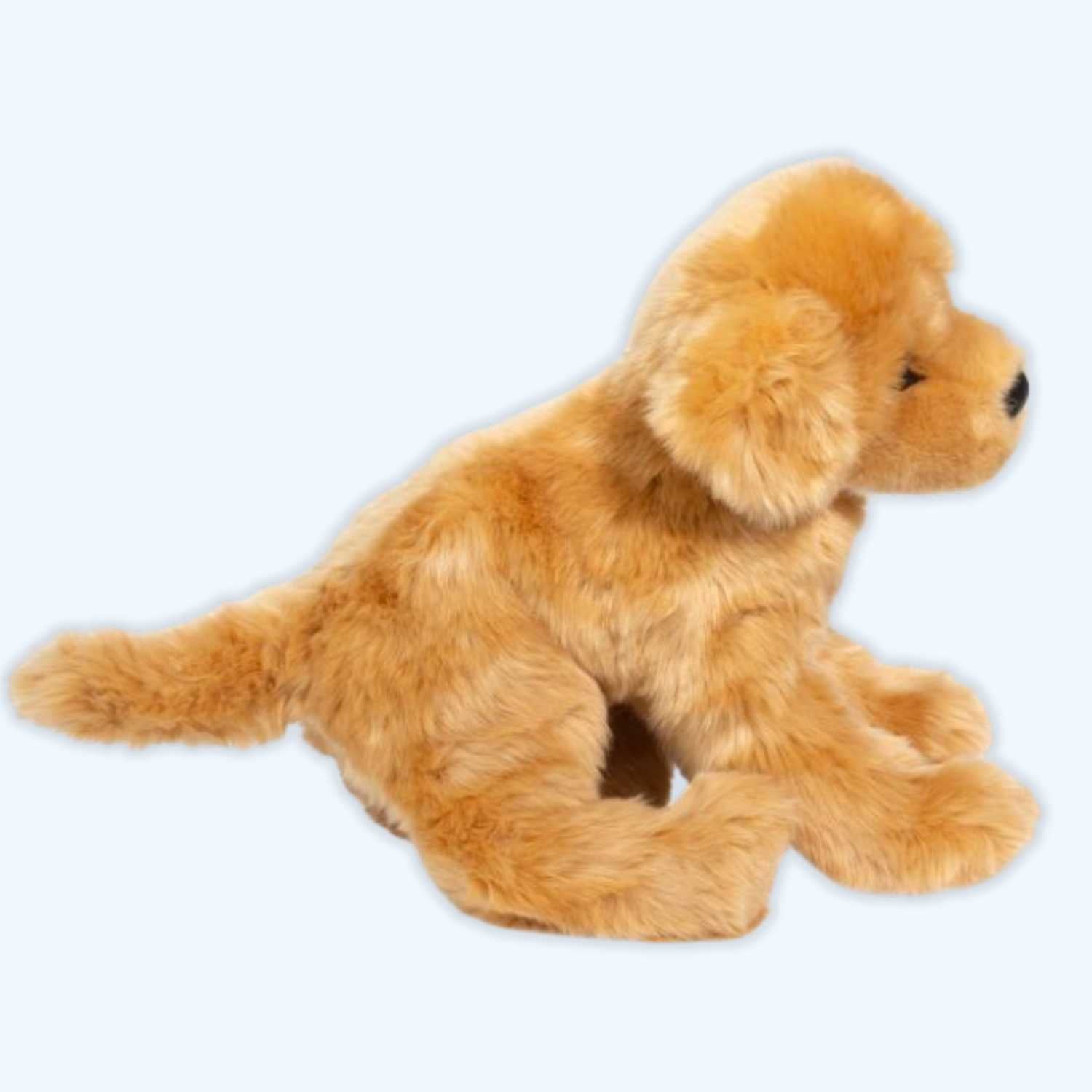
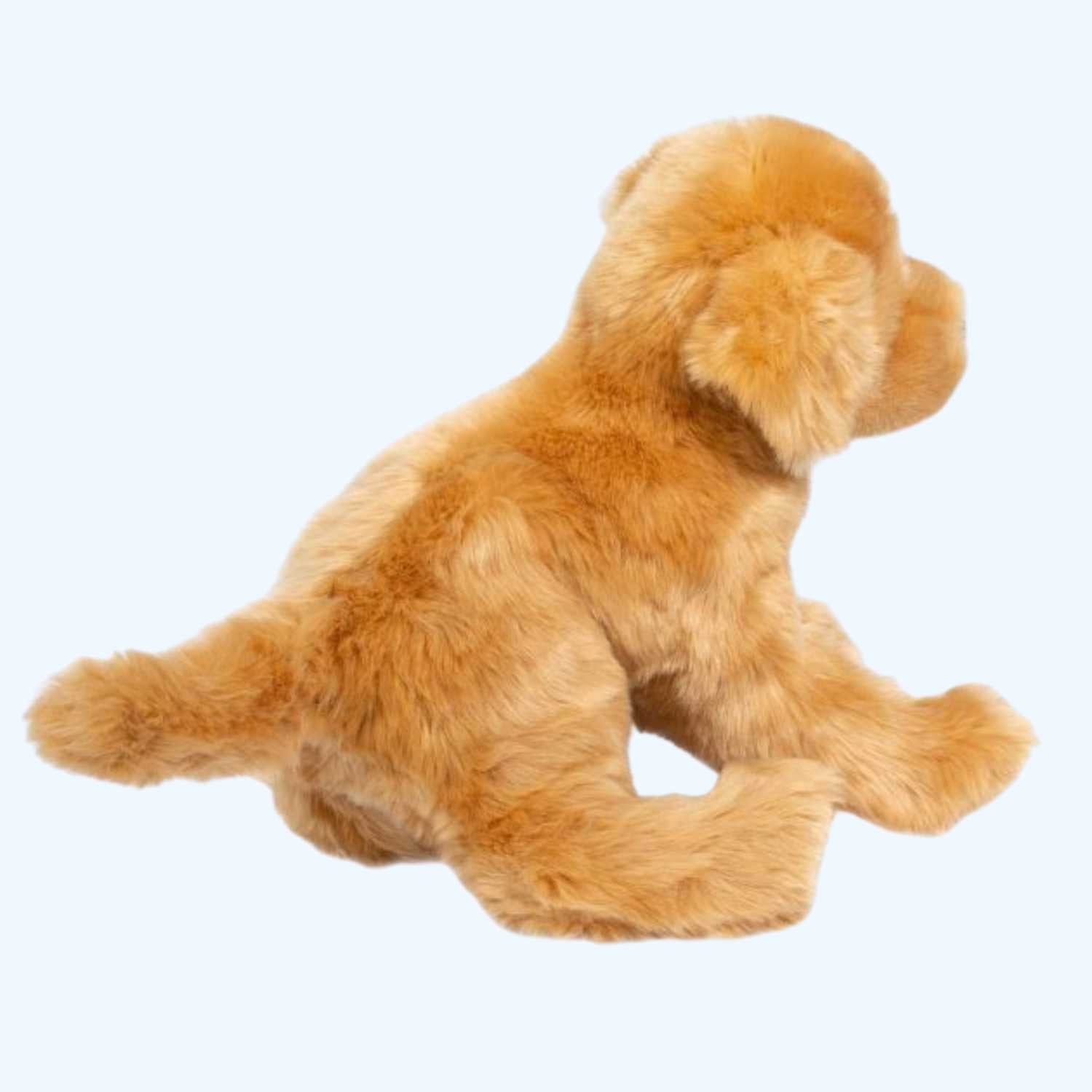
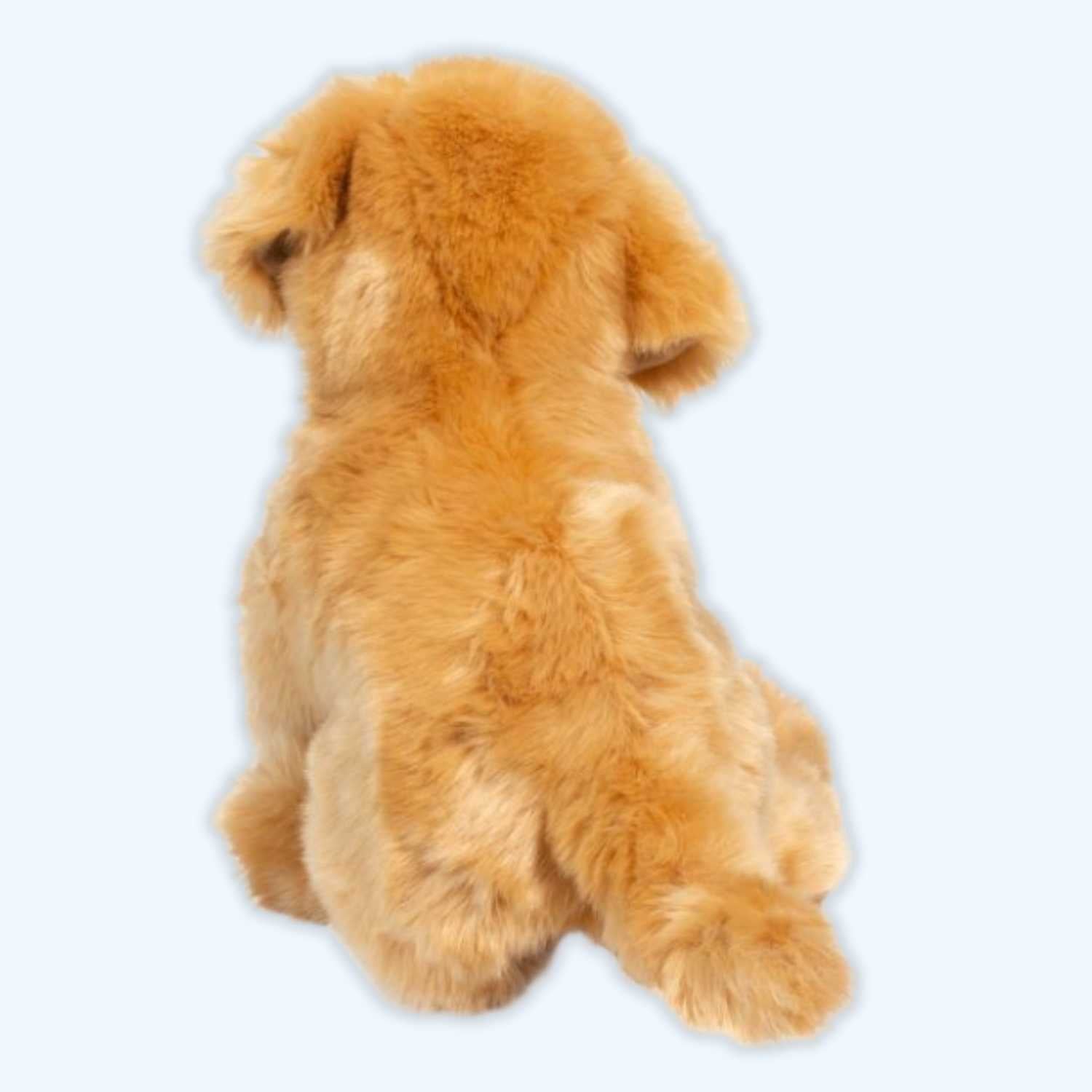
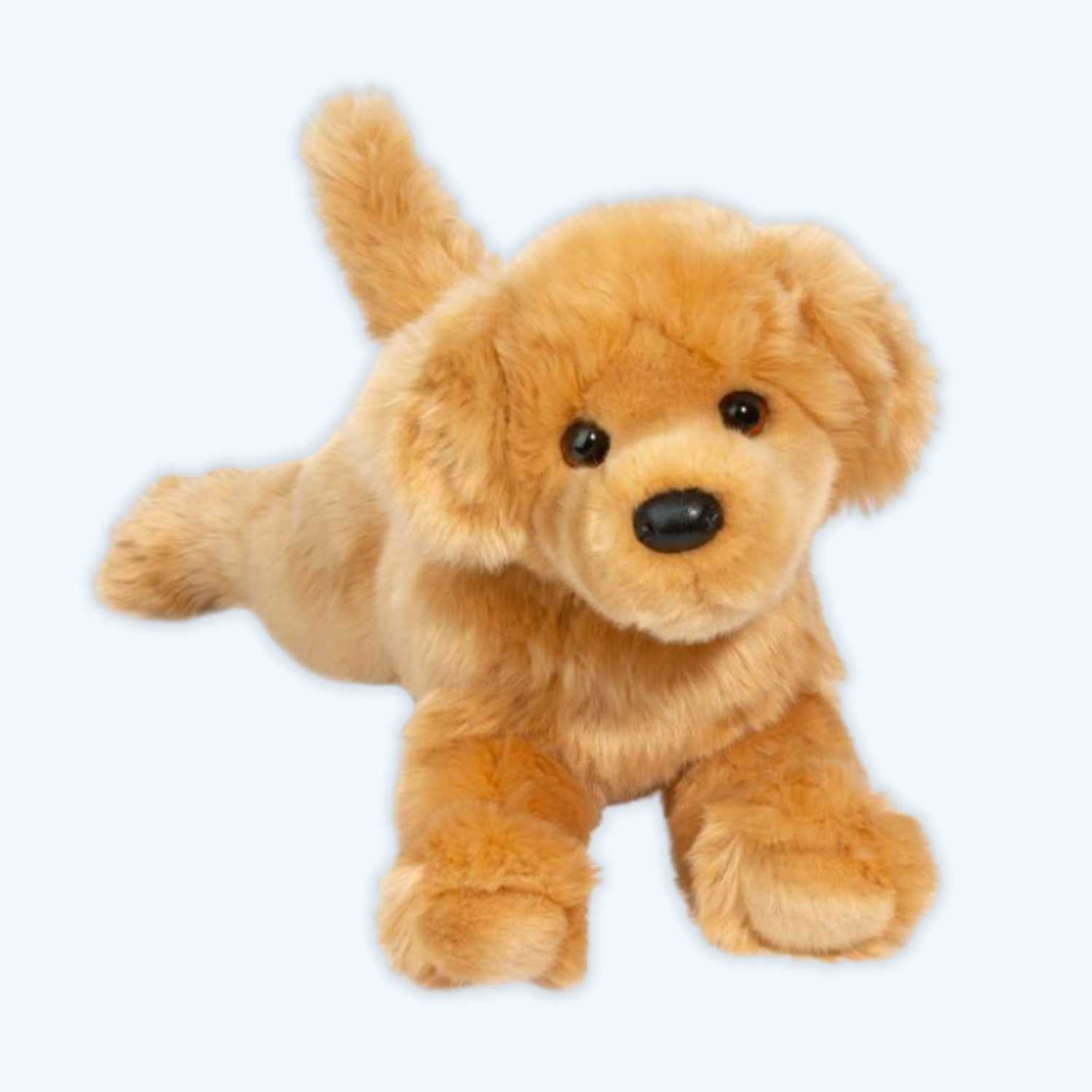
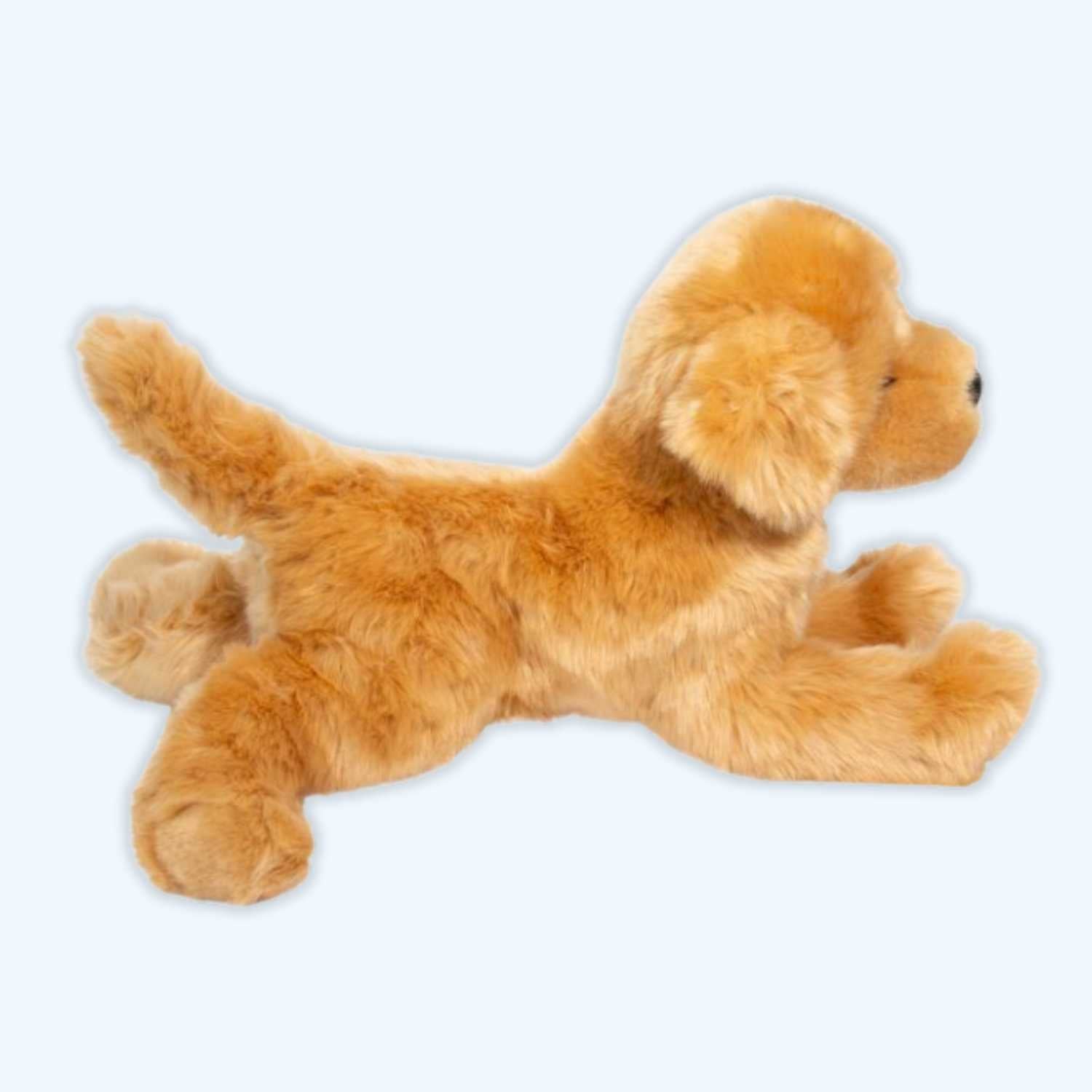
The same toy can be a pupil in the morning, a patient at the vet's after lunch and a passenger on a cardboard aeroplane by teatime. Because it never insists on its own idea, it fits whatever story a child is telling. A realistic dog can be a rescue hero, a show champion or a very naughty puppy, all before bath time.
Familiar: the toy that has been everywhere
A favourite soft toy builds up a history. It has been to Grandma's, on the motorway to the coast, to the dentist's waiting room and on every family holiday. Its fur gets a little flatter and one ear gets a little squashed, and those marks are part of the story. That well-worn look is part of what makes it feel like family.
A name makes it someone
The moment a toy gets a name, it becomes a character. Names come from anywhere: a favourite food, a grandparent, a word a toddler invented. Some children take days to decide; others announce the name before the box is open. If you are stuck, our guide on how to name your dog has plenty of starting points.
The chance to be the grown-up
Children spend their days being looked after, told when to eat, wash and put their coat on. A soft toy flips that round. Now they are the one serving breakfast, putting on a plaster, reading the bedtime story and deciding it is time for a walk. Watch closely and you will often hear your own phrases coming back at you, word for word.
What is a "transitional object"?
You may come across this phrase in parenting articles. It comes from the British paediatrician and psychoanalyst Donald Winnicott, whose 1953 paper "Transitional Objects and Transitional Phenomena" looked at the first special belonging a young child adopts as their own, often a blanket or a soft toy. It is a description of something many parents recognise, not a promise that a toy will do any particular job. Not every child picks one special object, and that is perfectly fine too.
It doesn't always stop at childhood
Some children keep their favourite well into their teens. Others start collecting: a whole shelf of one breed, or one of every dog they have ever wanted. Plenty of adults collect them too.
How to help a favourite last
- Let your child choose. A toy they picked themselves, perhaps their favourite breed from our Douglas® dogs, can feel like theirs from day one.
- Check the label before washing. Some toys are machine washable and many are surface clean only. Our care guide explains both.
- Think about days out. Some families keep a pocket-size companion for trips, so the big favourite stays safely at home.
- Take a photo and note the name. If the worst happens, a picture and the toy's make and model make a lost-property search, or finding a twin, far easier.
Frequently asked questions
Is it normal for a child to have just one favourite soft toy?
Yes. Some children choose one favourite and stay loyal to it for years, while others share their attention around a whole shelf. Both are completely ordinary.
What age are Douglas® soft toys suitable for?
The Douglas® soft toys we sell are labelled for ages 24 months and up, so they are not suitable for babies or for a cot.
My child is upset that their toy looks worn. Should I replace it?
Ask them first. To a child, the worn patches may be the best part, and a fresh replacement can feel like a stranger. A gentle clean and a brush may be all it needs.
Ready to meet a new friend? Browse Douglas® dogs in UK stock.