Old Soft Toys: Keep, Repair, Donate or Let Go?
Old soft toys have four good futures. Keep the ones that matter, repair the ones that are loved but worn, donate clean toys in good condition with their safety label still sewn in, and recycle the rest where you can. Before any of that, check each toy for safety: loose eyes, open seams or escaping filling mean it shouldn't go to a young child as it is.
A quick way to sort the pile
Four questions, in this order, will sort most toys in minutes:
- Is it safe? If not, repair it or retire it.
- Does someone love it now? Keep it, whatever it looks like.
- Is it clean, complete and still labelled? It can probably be donated.
- None of the above? Recycle it where you can.
Start with a safety check
RoSPA advises checking toys from time to time for wear that exposes sharp parts or filling. Hold each toy in good light and look for:
- eyes, noses or buttons that wobble or turn when you pull gently
- seams that have started to open, even a little
- filling or beans showing, or fur coming away in tufts
- a missing sewn-in label, which matters if you plan to donate
Small parts are a particular choking risk for children under three. A toy with any of these problems needs mending or retiring before it goes anywhere near a young child.
Keep: the toys that carry a story
There's no age limit on keeping a soft toy. Plenty of adults still have a childhood favourite, and plenty of collectors buy plush purely for themselves. If a toy still makes someone smile, it has earned its place.
A few ways to keep without cluttering:
- Choose one or two keepers per child, and box the rest for a decision in six months.
- Give a keeper a proper spot: a shelf, a deep frame or a memory box with a photo and a note about where it came from and what it was called.
- Store it well. A clean, dry toy in a cotton bag, kept inside the home rather than in the loft, lasts far longer. Our soft toy storage ideas go into more detail.
Repair: when a fix is worth it
A lot of wear is fixable at home with a needle and an hour.
- Split seam. Close it with a ladder stitch and strong matching thread, knotting firmly on the inside.
- Lost filling. Top up with new toy filling through the gap before you sew it shut.
- Flat, tired fur. Clean it according to the label, then brush it back up. Our washing guide covers cleaning and heat-free drying.
- Loose eye or nose. Take this one seriously. A replacement sewn or glued on at home is unlikely to be as secure as the original fitting, so a toy repaired that way is safer on a shelf than in a small child's hands.
For a special toy that needs more, such as re-stuffing, new fabric or a restored face, there are specialist toy repairers in the UK, some known as toy hospitals. Ask what they plan to change before you agree, so it still looks like itself when it comes home.
Donate: what UK charity shops look for
Many charity shops take soft toys, but each charity sets its own rules. A few examples, as published by the charities at the time of writing:
- The British Heart Foundation says it can't accept soft toys without a CE or UKCA label.
- The British Red Cross lists toys without the CE mark among the items it can't take.
- Oxfam accepts soft toys, asks for them to be washed before donation unless they're brand new, and won't take dirty or broken toys.
So before you bag them up, clean each toy the way its label allows, check the sewn-in label is still attached, and ask your local shop if you're not sure. It's also a good reason never to snip the label off a soft toy in the first place.
Nurseries, playgroups and toddler groups sometimes welcome toys too, but they often have their own rules, so ask before dropping anything off. Handing a toy on to a younger cousin or a friend's child? Tie on a little tag with its name. Toys travel better with their story.
Let go: recycling soft toys in the UK
Toys that are too worn to pass on generally can't go in your household recycling bin. Some textile banks accept undamaged soft toys alongside clothes, while others don't, so read the sign on the bank or check your council's website for what your area takes.
If a toy was loved, take a photo before it goes. The story stays, even when the fabric doesn't.
Frequently asked questions
Do charity shops take soft toys?
Many do, but rules vary. Some only accept soft toys with a CE or UKCA label, and most want them clean and undamaged. Ask your local shop first.
Can soft toys go in the recycling bin?
Usually not. Check whether a local textile bank or your council accepts them.
When should a soft toy be thrown away?
When it can't be made safe for the child using it and isn't a keepsake you'd keep on a shelf. Loose eyes, seams that keep splitting and escaping filling are the main signs.
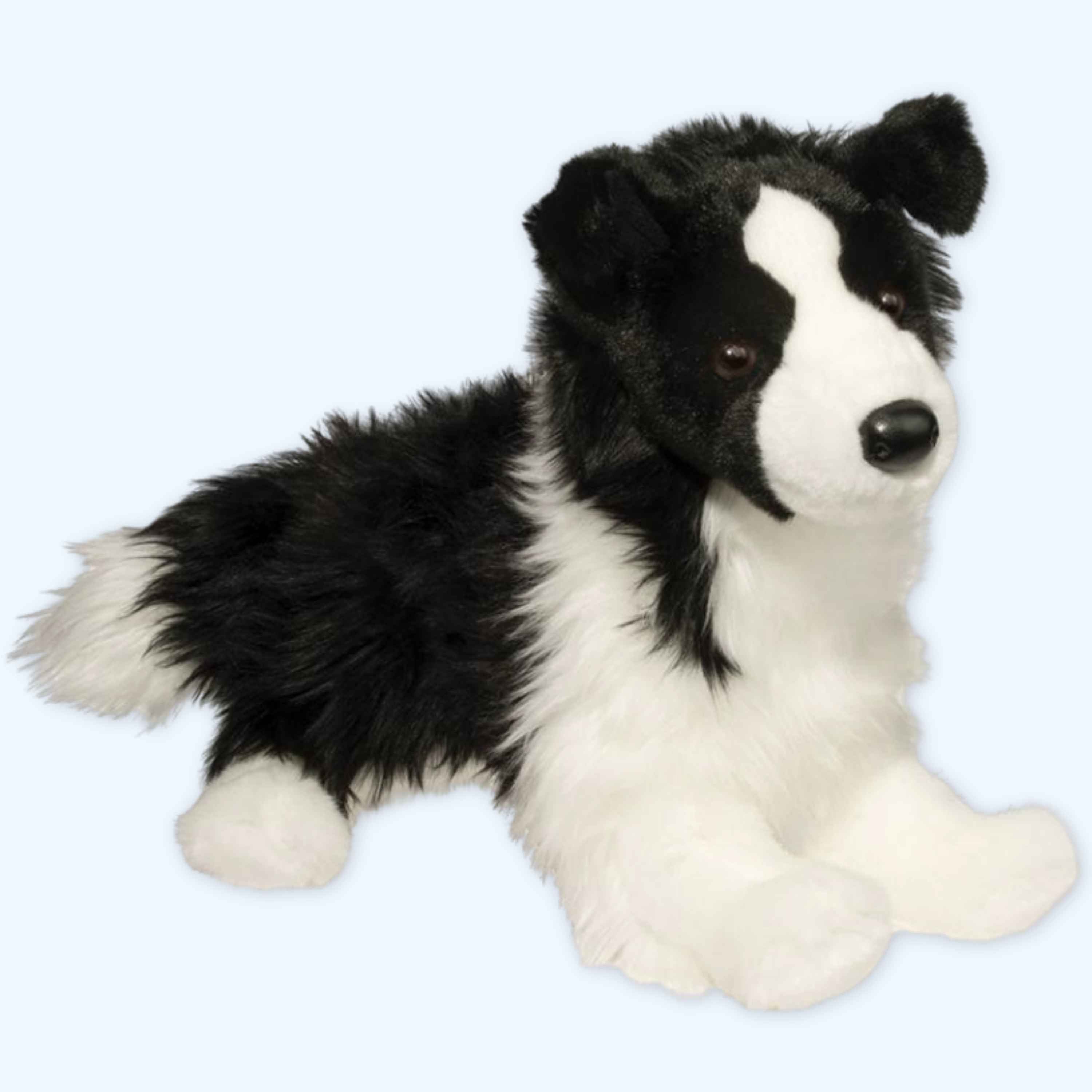
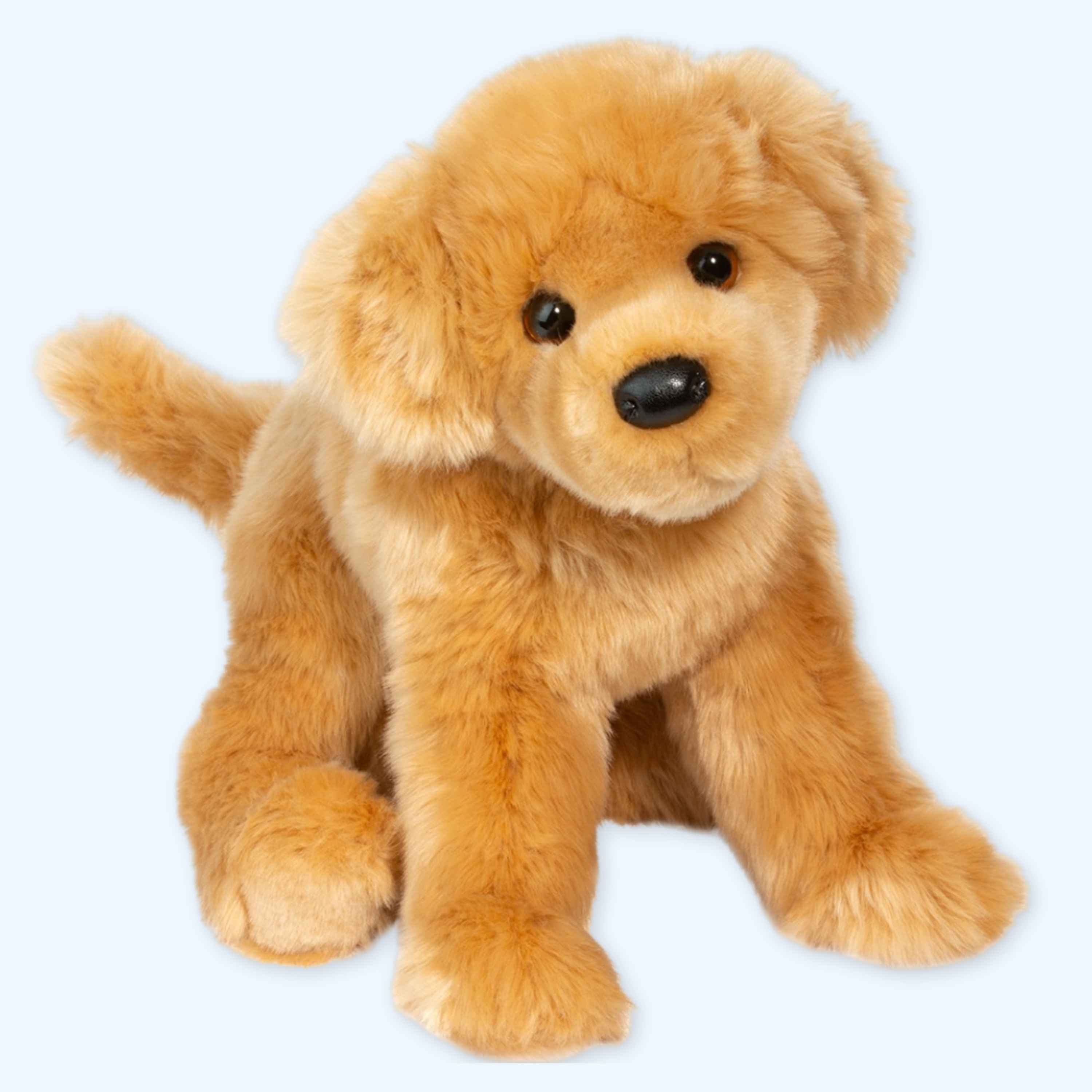
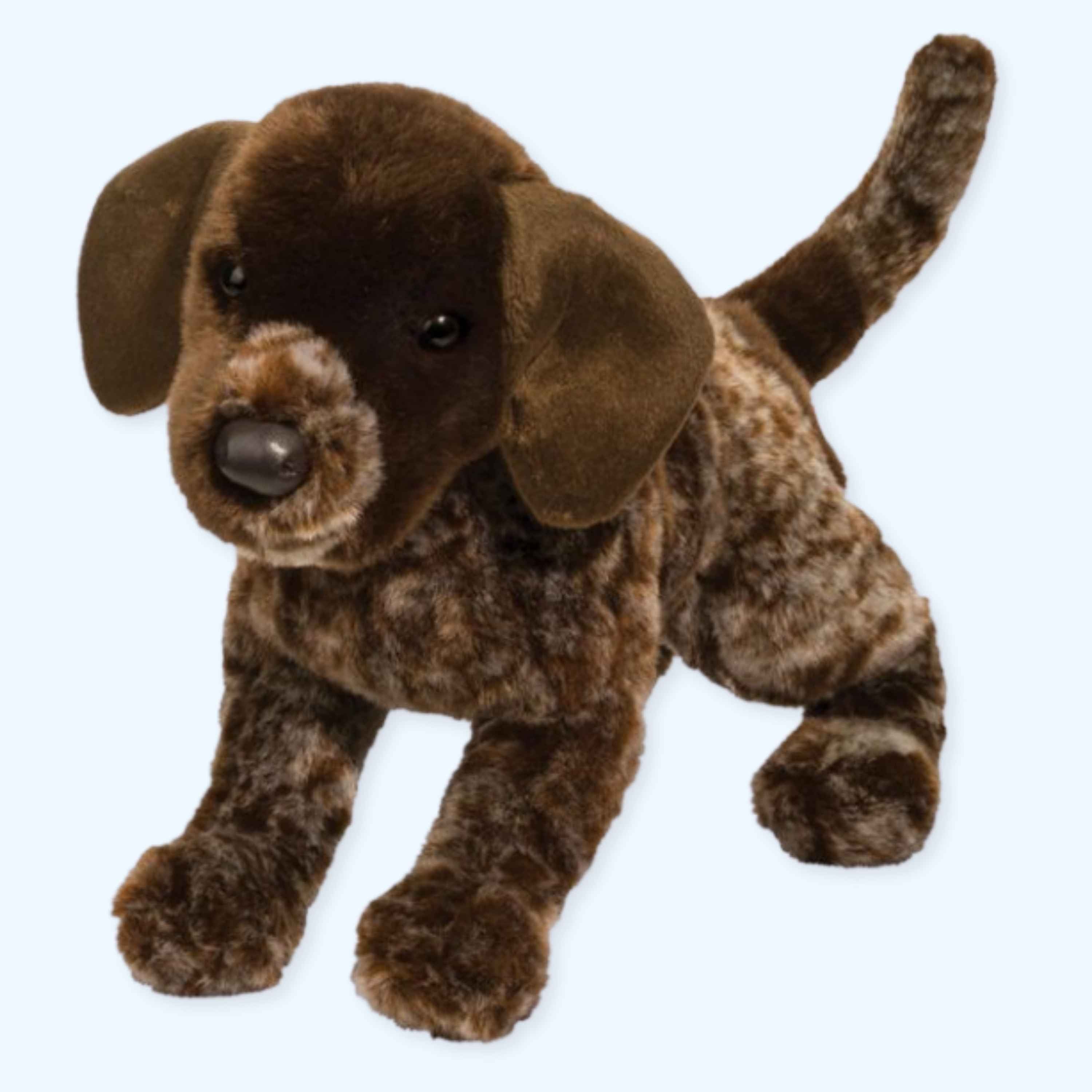
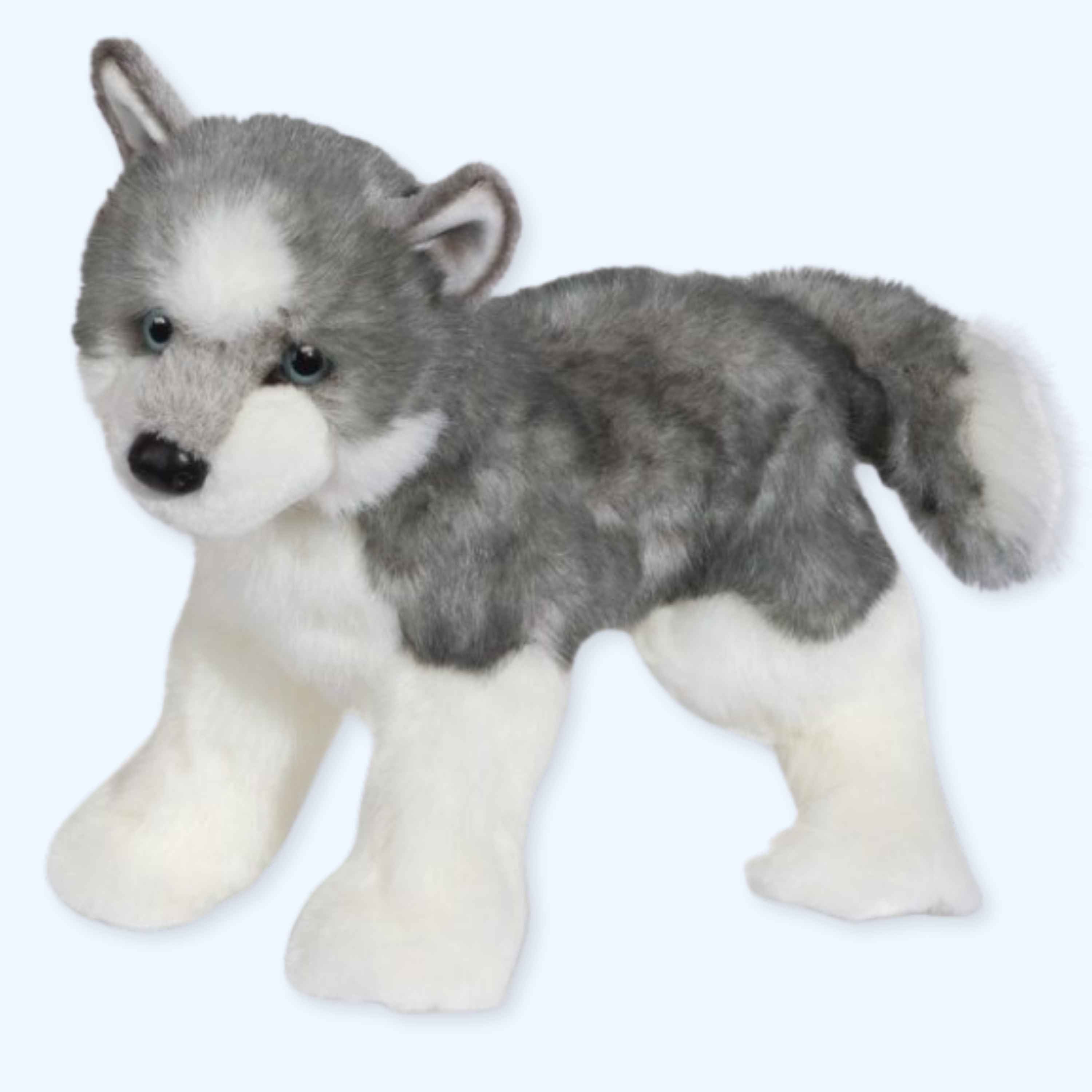
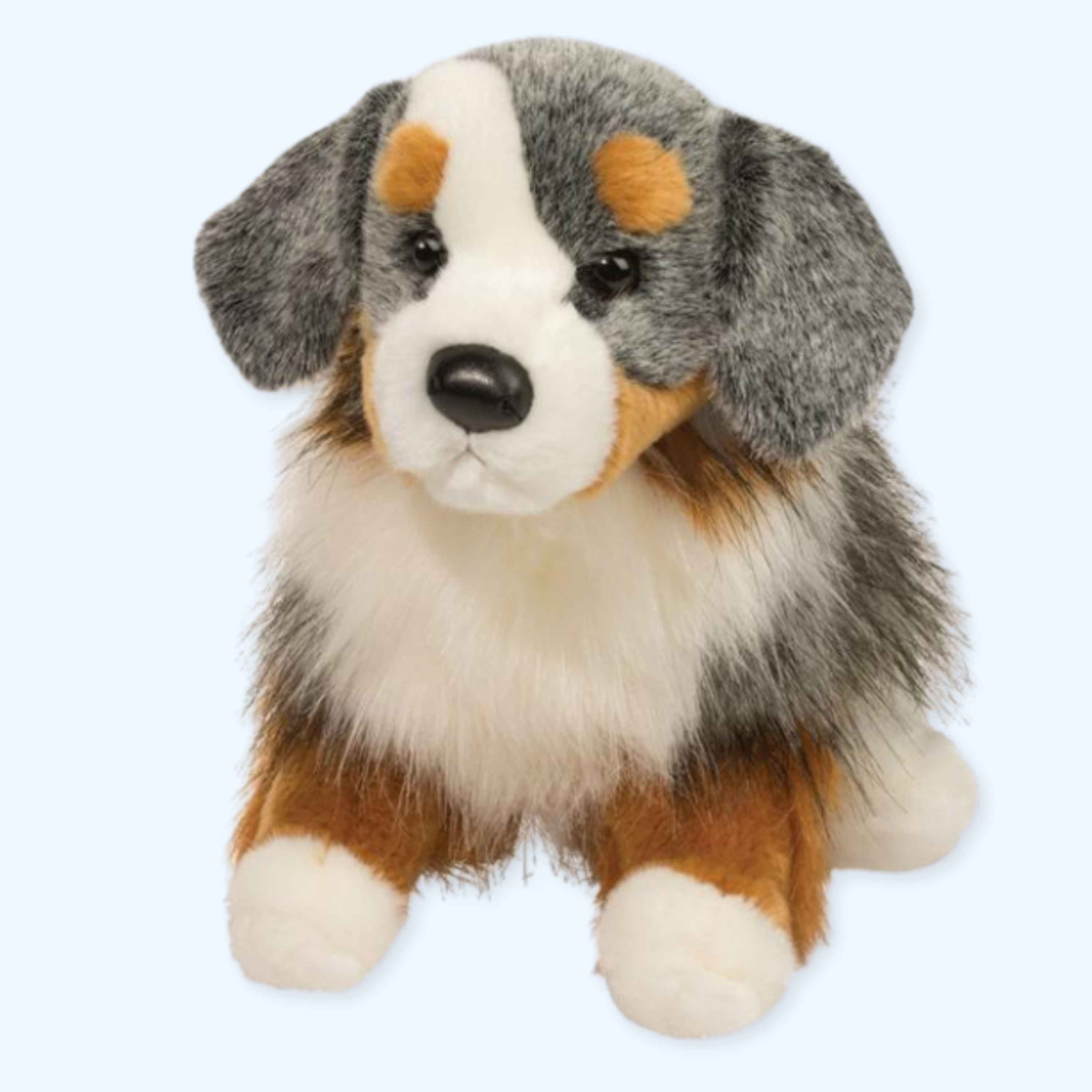
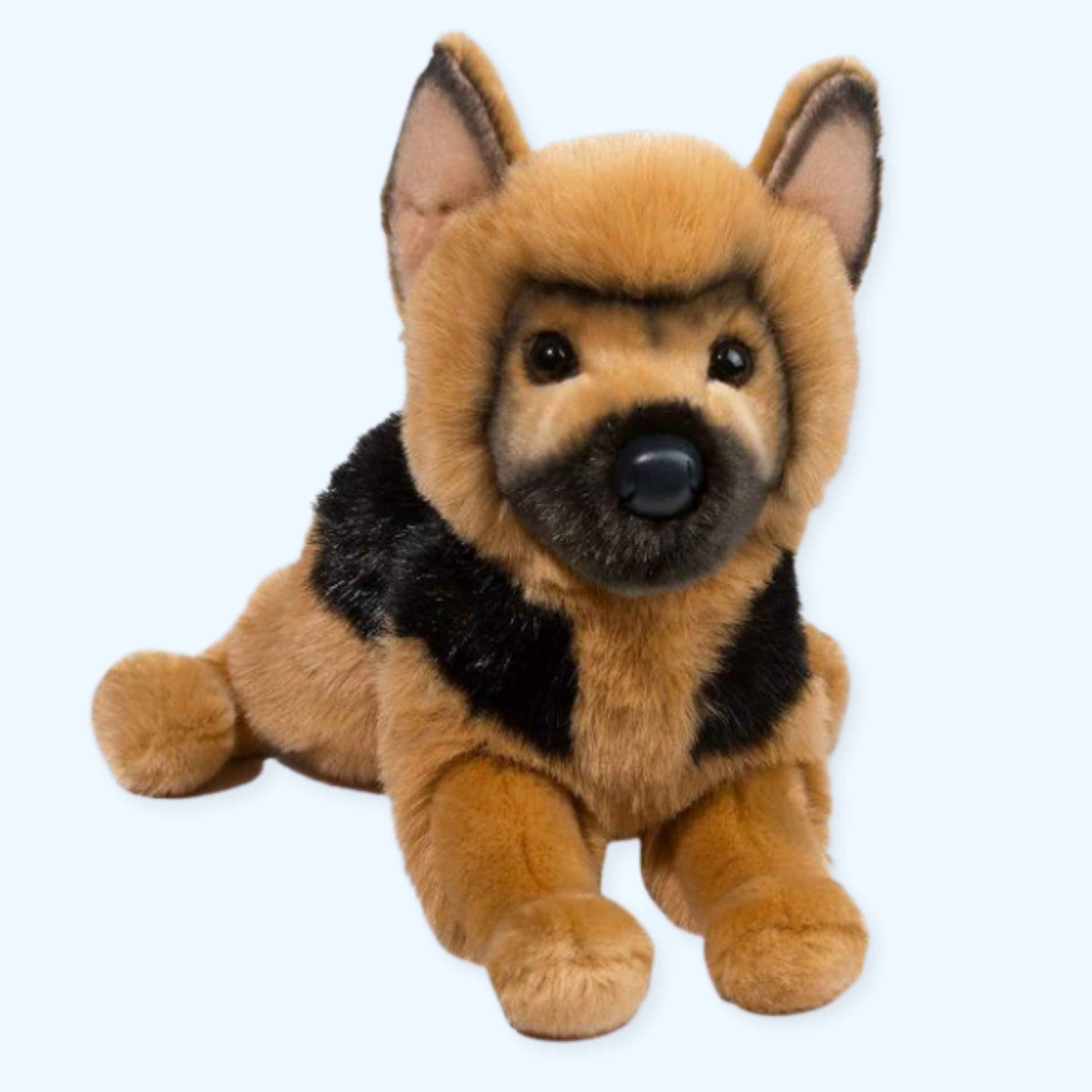
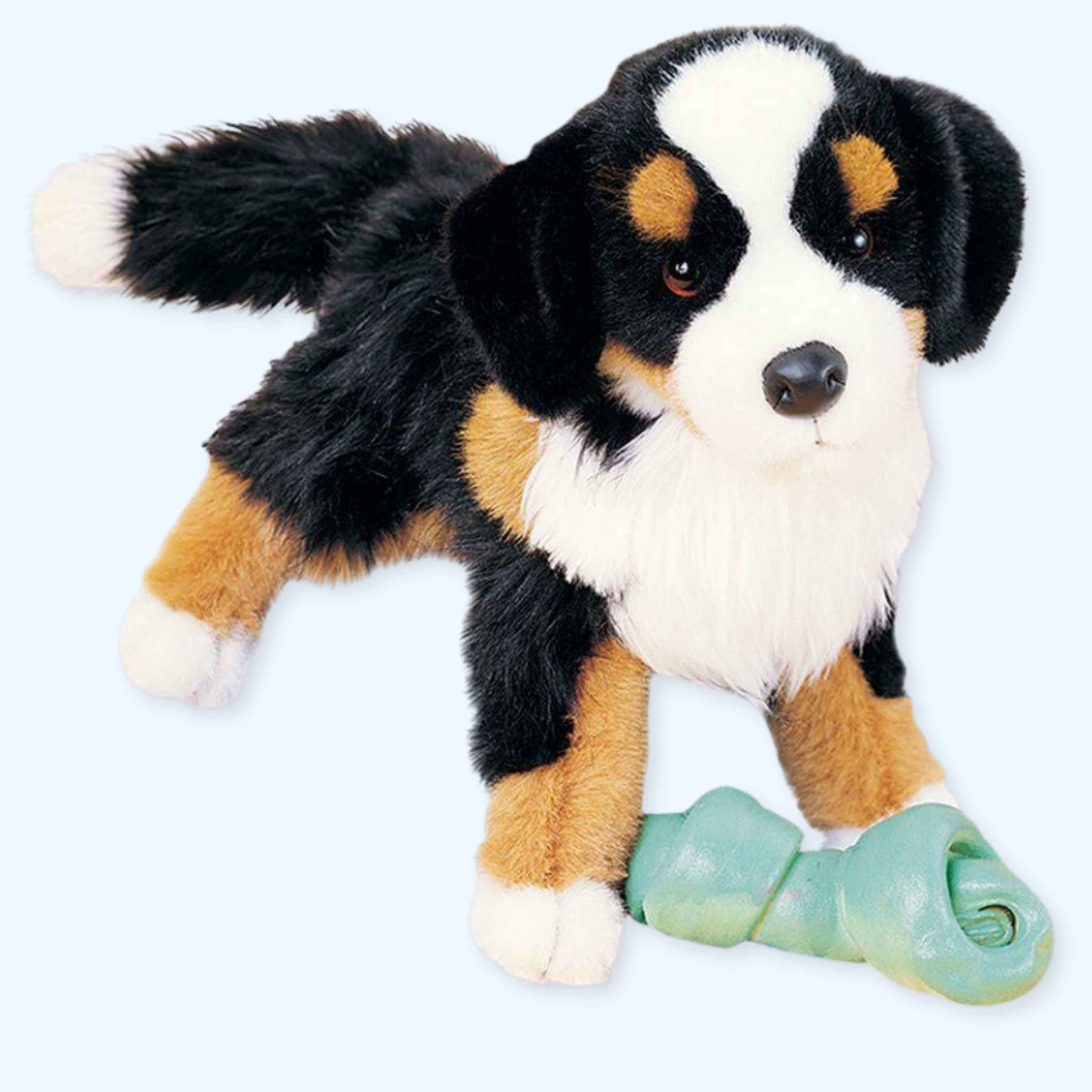
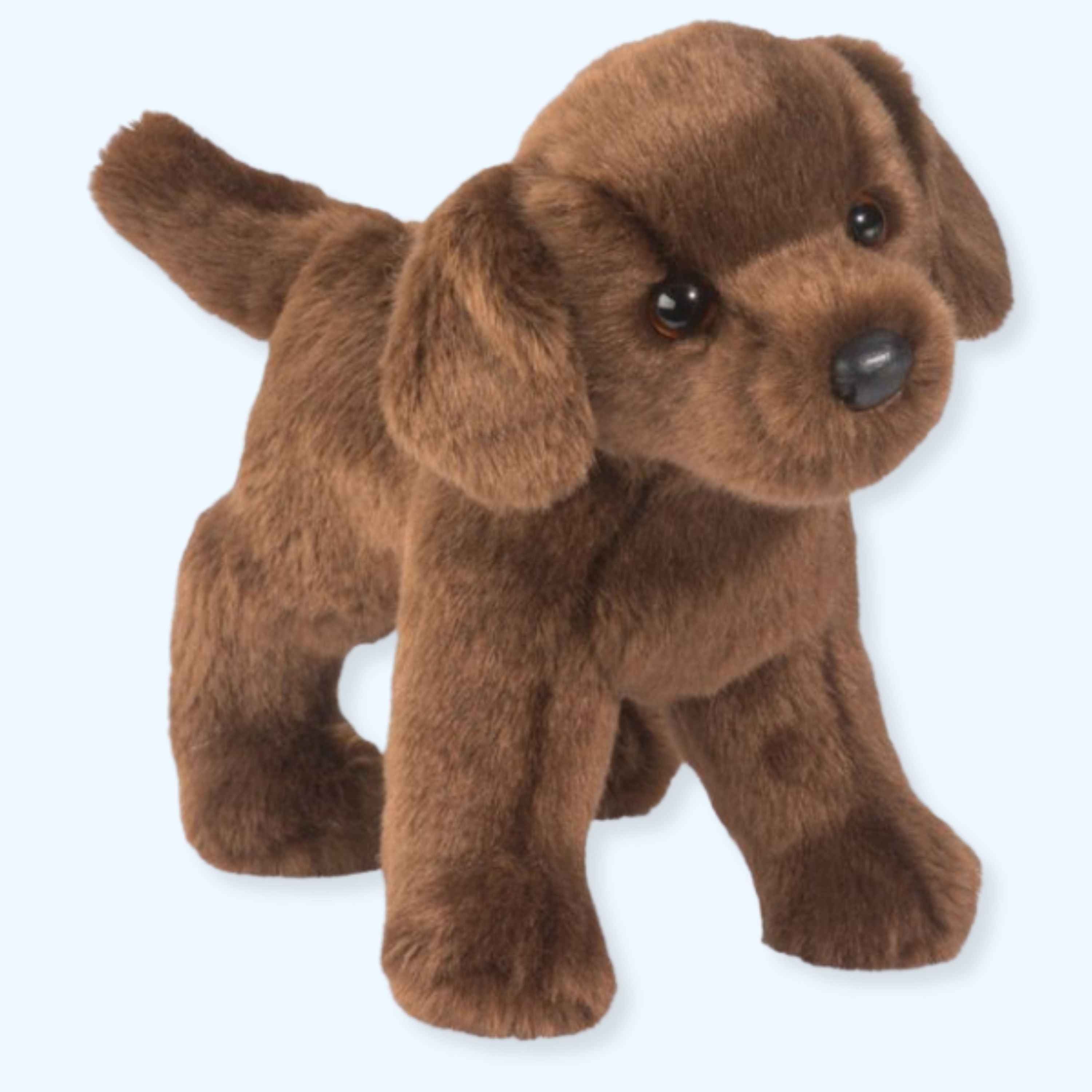
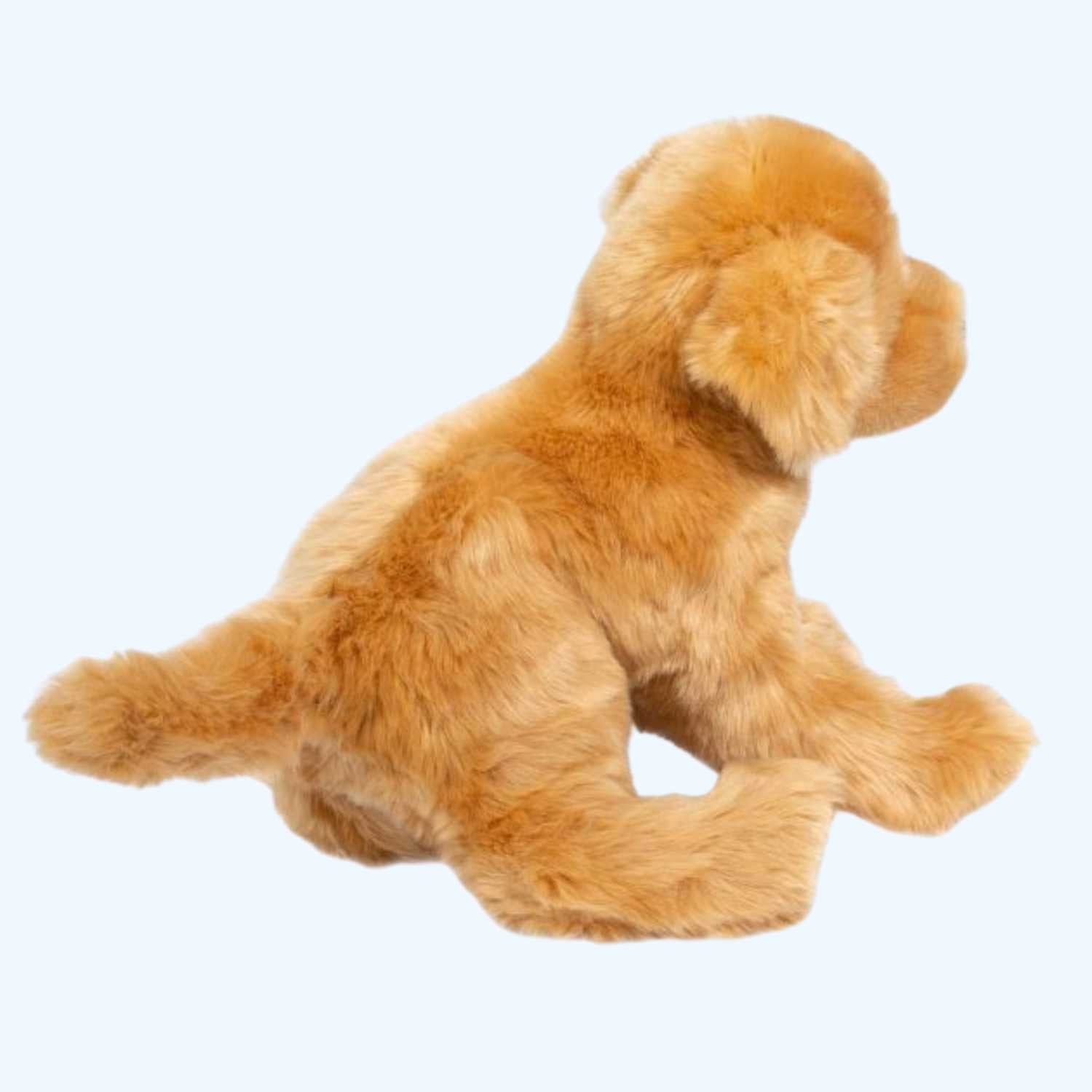
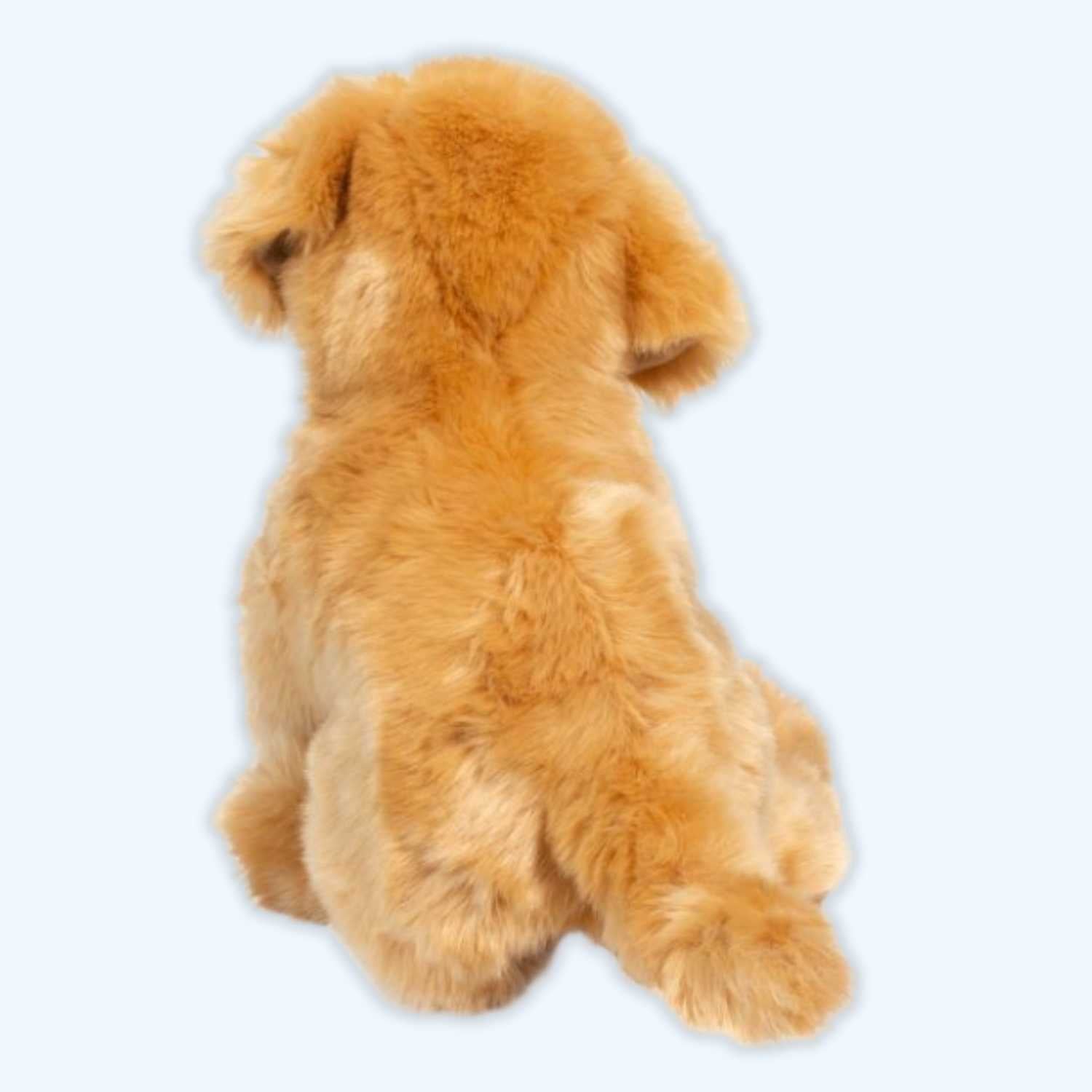
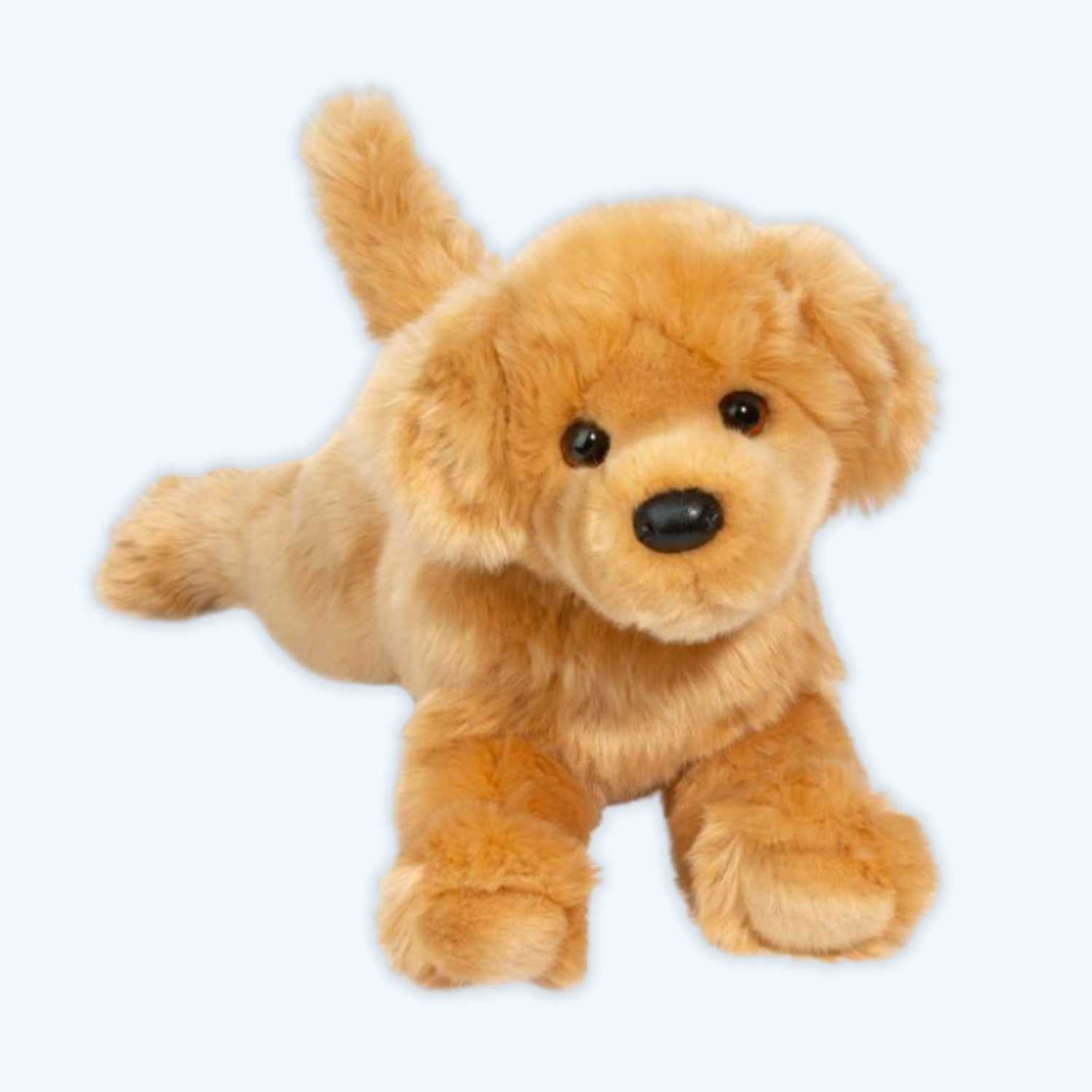
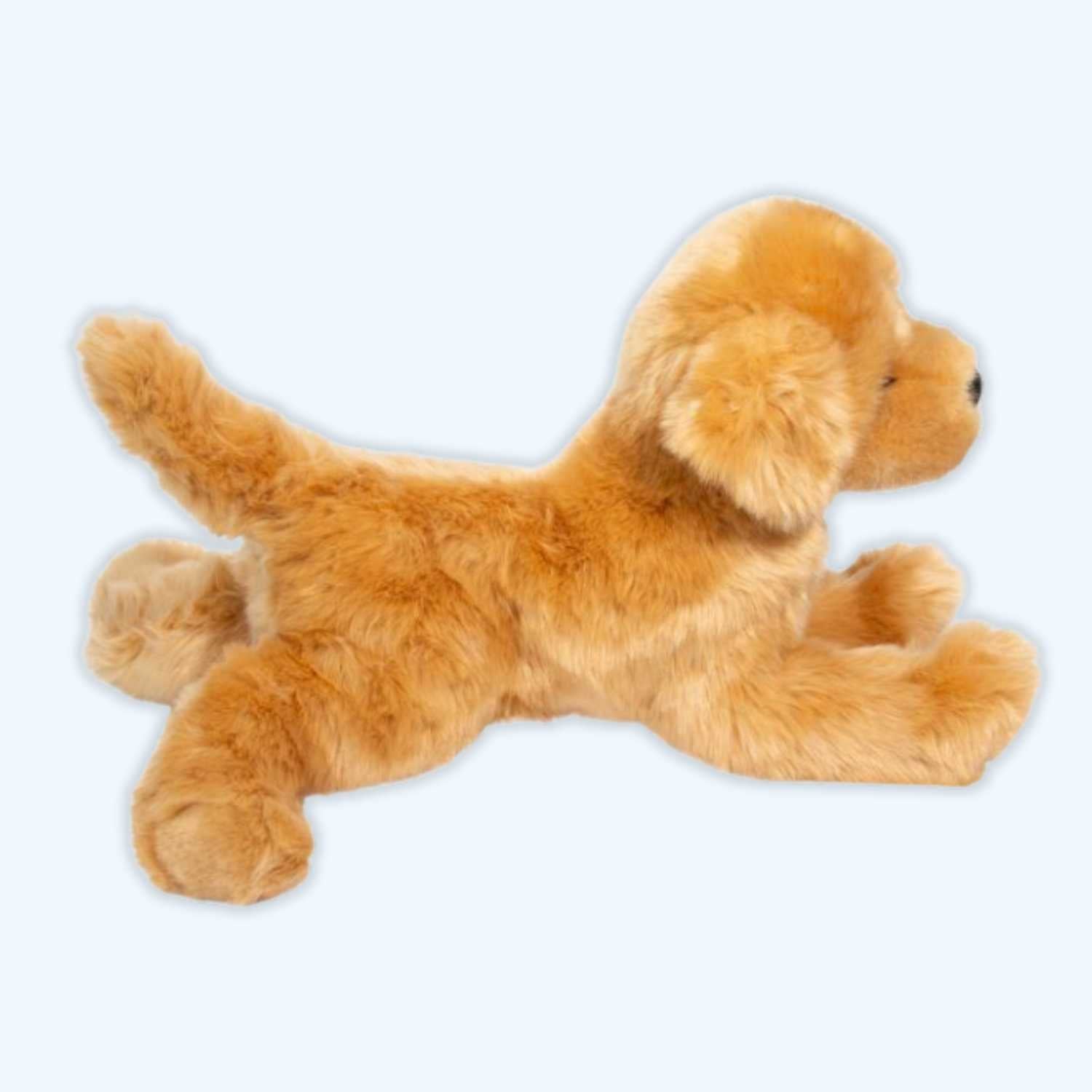
If it's time for a new companion, browse Douglas dogs in UK stock or start small with our pocket-size companions.