Soft Toy Storage Ideas That Keep Them Looking Good
Good soft toy storage keeps plush out of direct sun, away from damp and dust, and free from squashing. In a child's room, that means low, open baskets and a shelf they can reach. For a collection, it means a shady shelf with space around each toy. For long-term storage, use a breathable cotton bag inside a box, kept in a dry room rather than the loft.
What wears plush out in storage
Most damage to stored soft toys comes from four things. Plan around them and almost any storage idea works.
- Sunlight. Light fades colour, and the effect builds up slowly. A toy that lives on a sunny windowsill can end up paler on one side.
- Damp. Mould grows where it's warm, damp and the air doesn't move. Filling holds moisture, so a toy in a damp spot can smell musty before you see anything.
- Dust. Open shelves collect it, and over months it dulls fur.
- Squashing. Toys packed tightly into a box or bag can come out with flattened fur, creased ears and a new shape.
Soft toy storage ideas for a child's room
Here storage has to work for small hands, not just look tidy.
- Low, open baskets. Fabric or woven baskets on the floor are easy to fill, easy to tip out and easy to see into.
- A front-row shelf. Keep two or three current favourites on a low shelf or at the end of the bed, and swap them with the basket every few weeks. Old friends feel new again.
- Picture labels. A photo of a dog, a cat or a farm animal on the front of each basket turns tidying into a sorting game, even before a child can read.
- Under-bed drawers for the overflow, as long as the room is dry. Open them now and then to let air in.
- Tall furniture fixed to the wall. If toys live on a bookcase or a chest of drawers, secure it. RoSPA advises that furniture at risk of being pulled over should be fixed to the wall, and a toy on a high shelf is a good reason to climb.
Storage and display ideas for collectors
Older children, teens and adult collectors usually want their plush on show. A few habits keep a display looking fresh for years.
- Pick the shady wall. Shelves out of the path of direct sunlight keep colours truer.
- Give each one breathing room. Leave a small gap so fur isn't pressed against the wall or a neighbour for months.
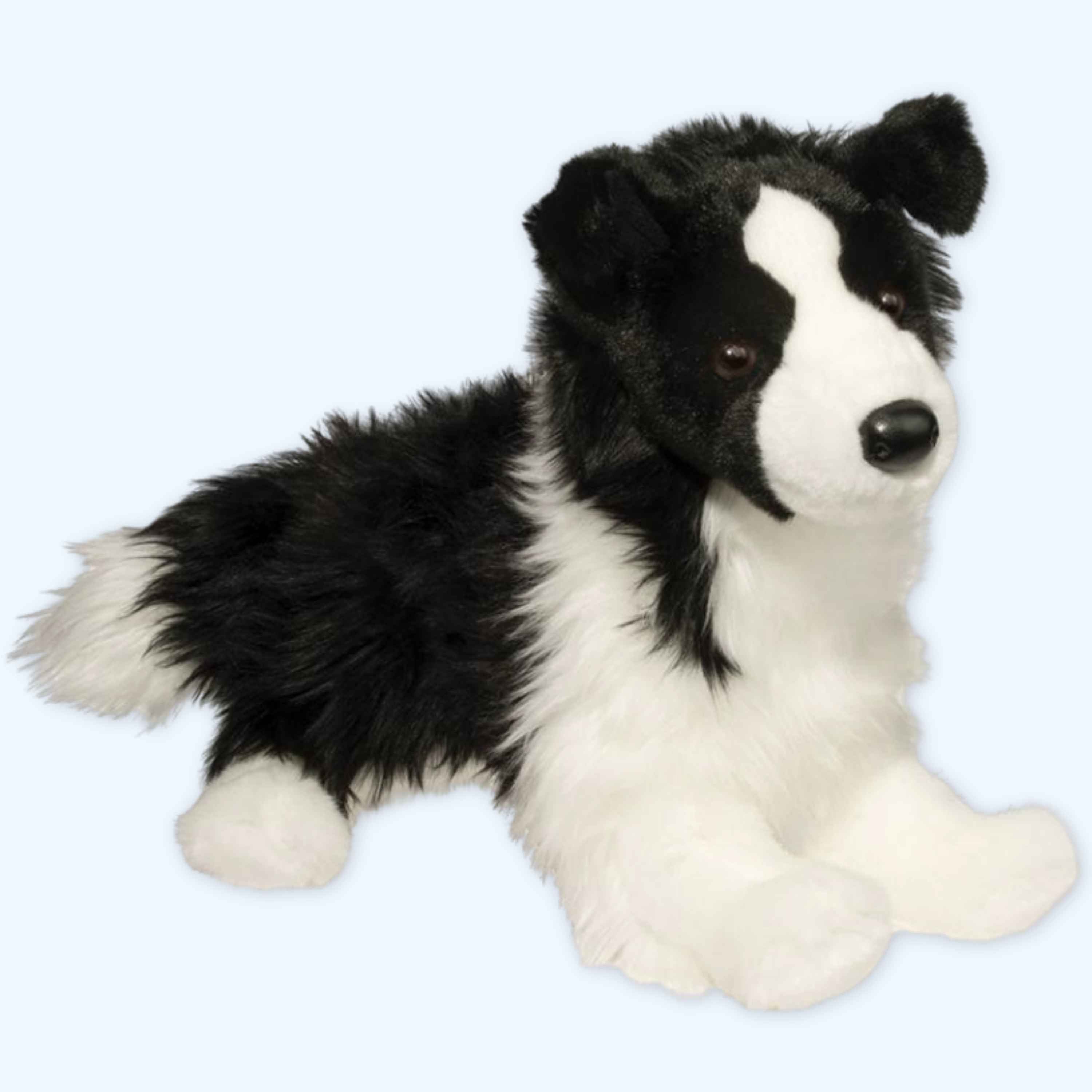
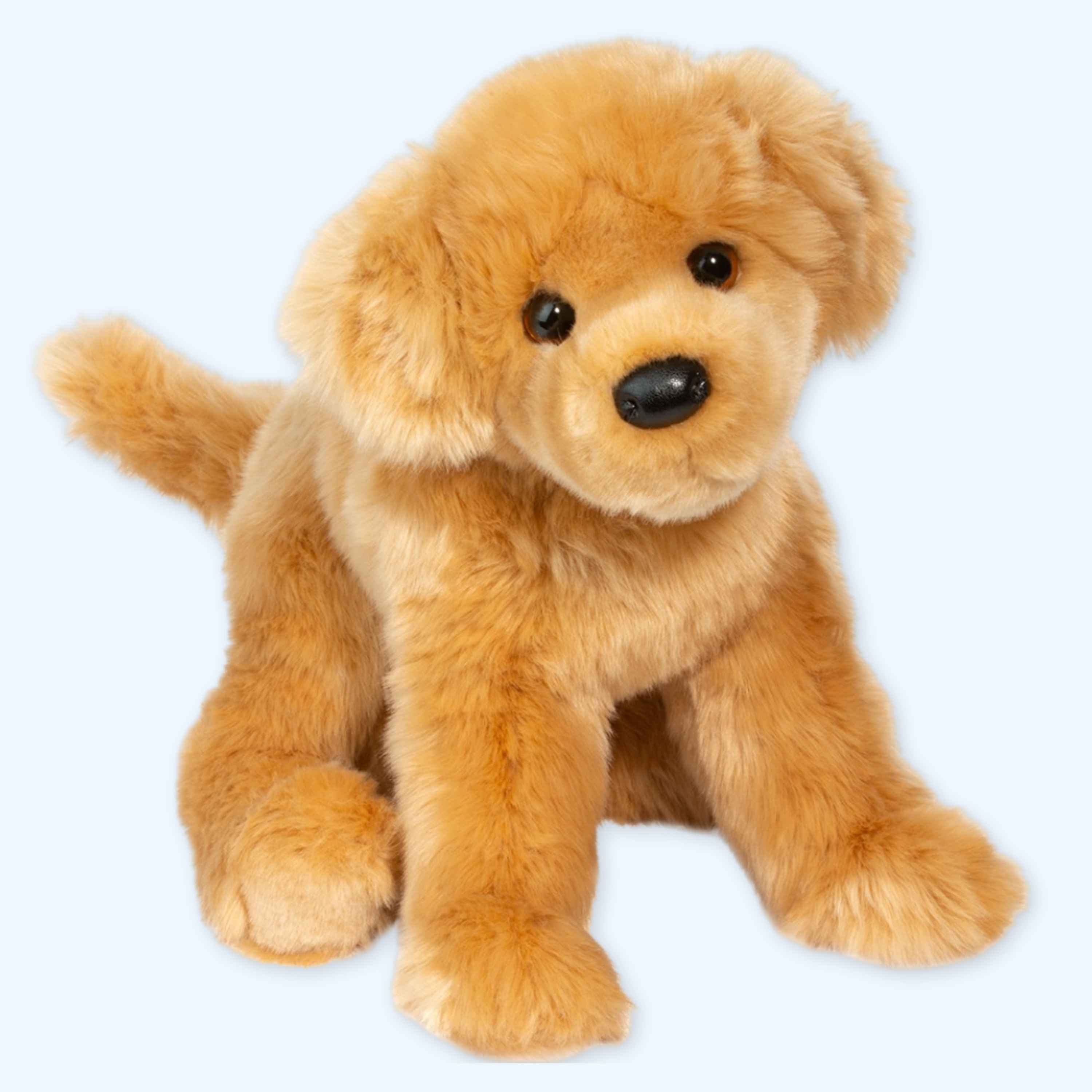
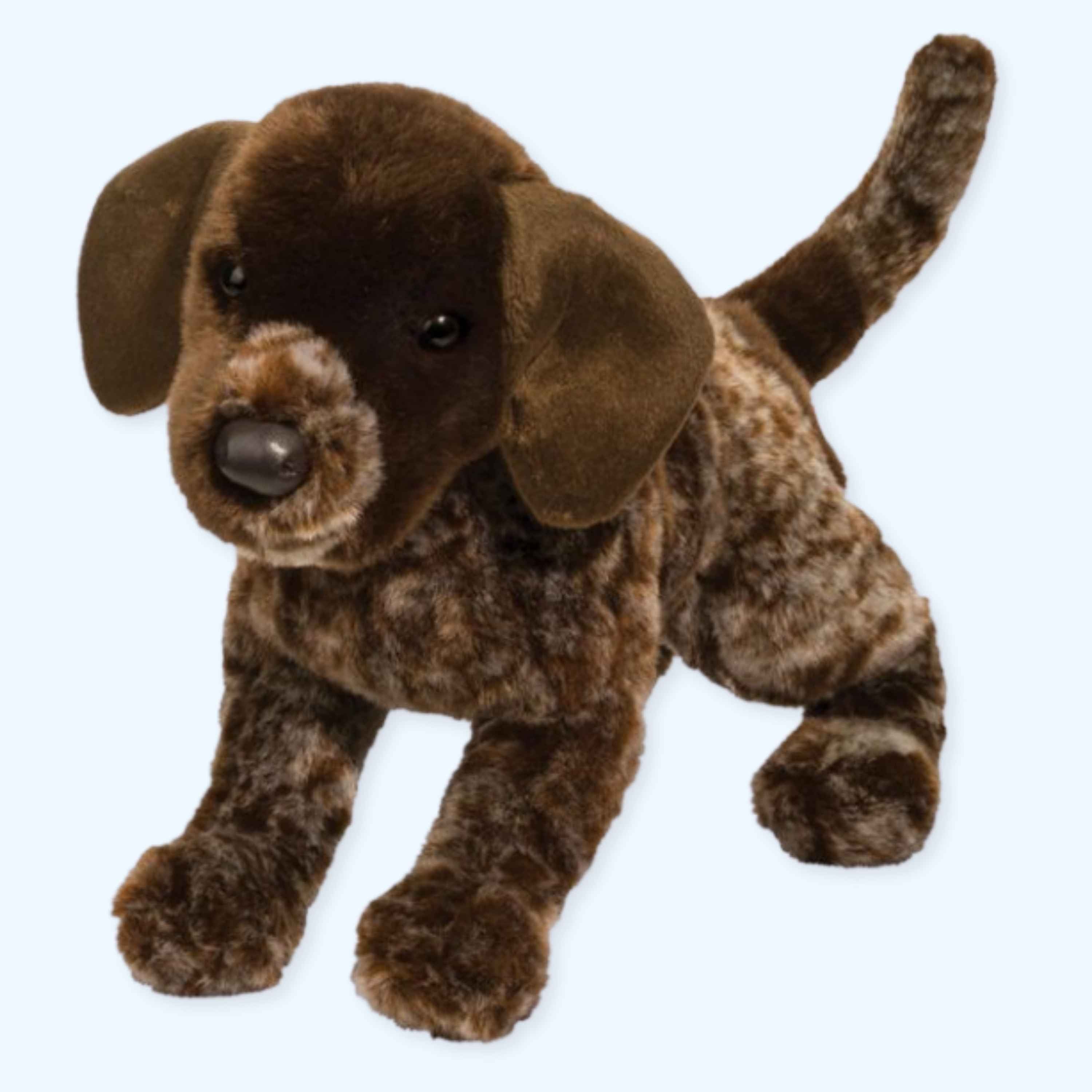
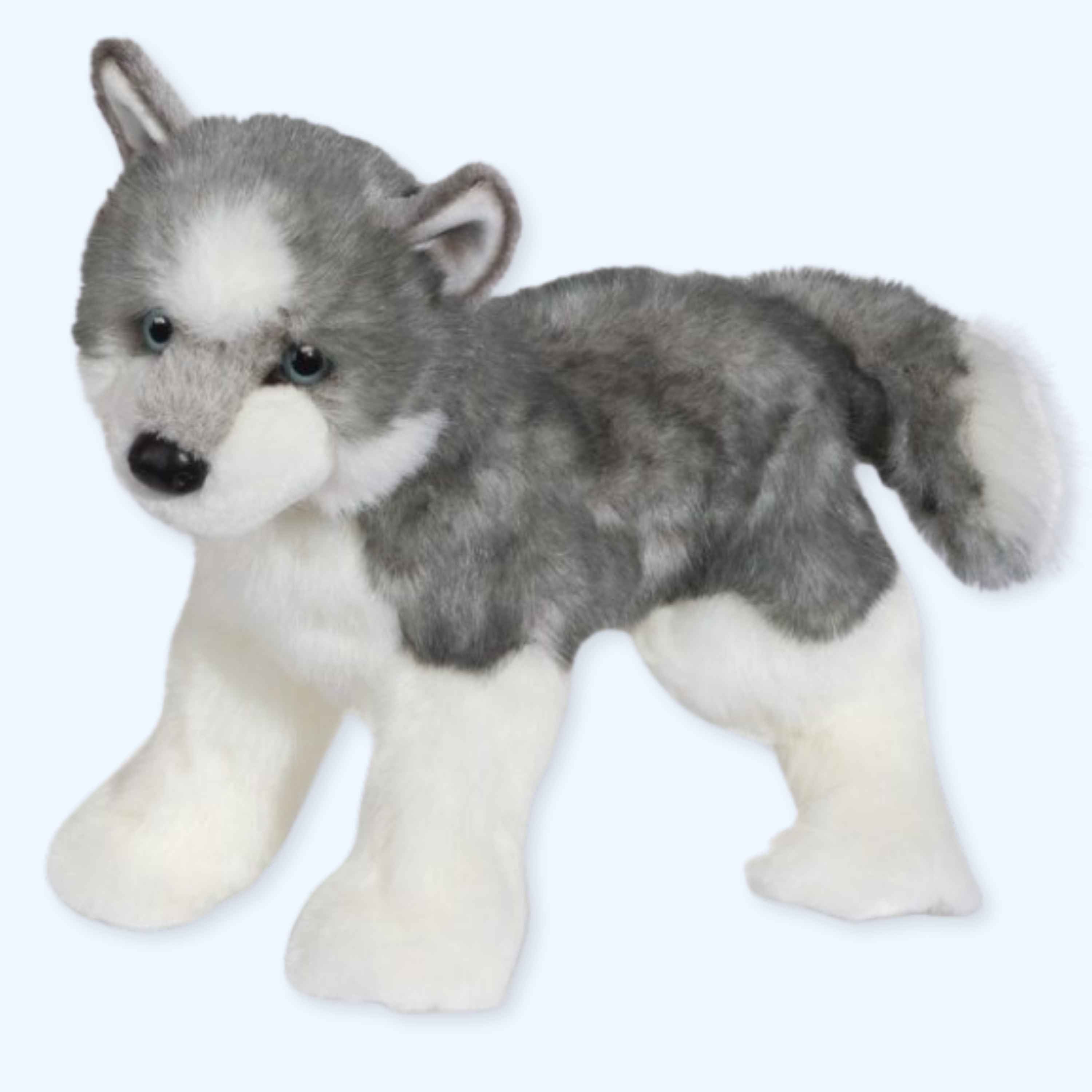
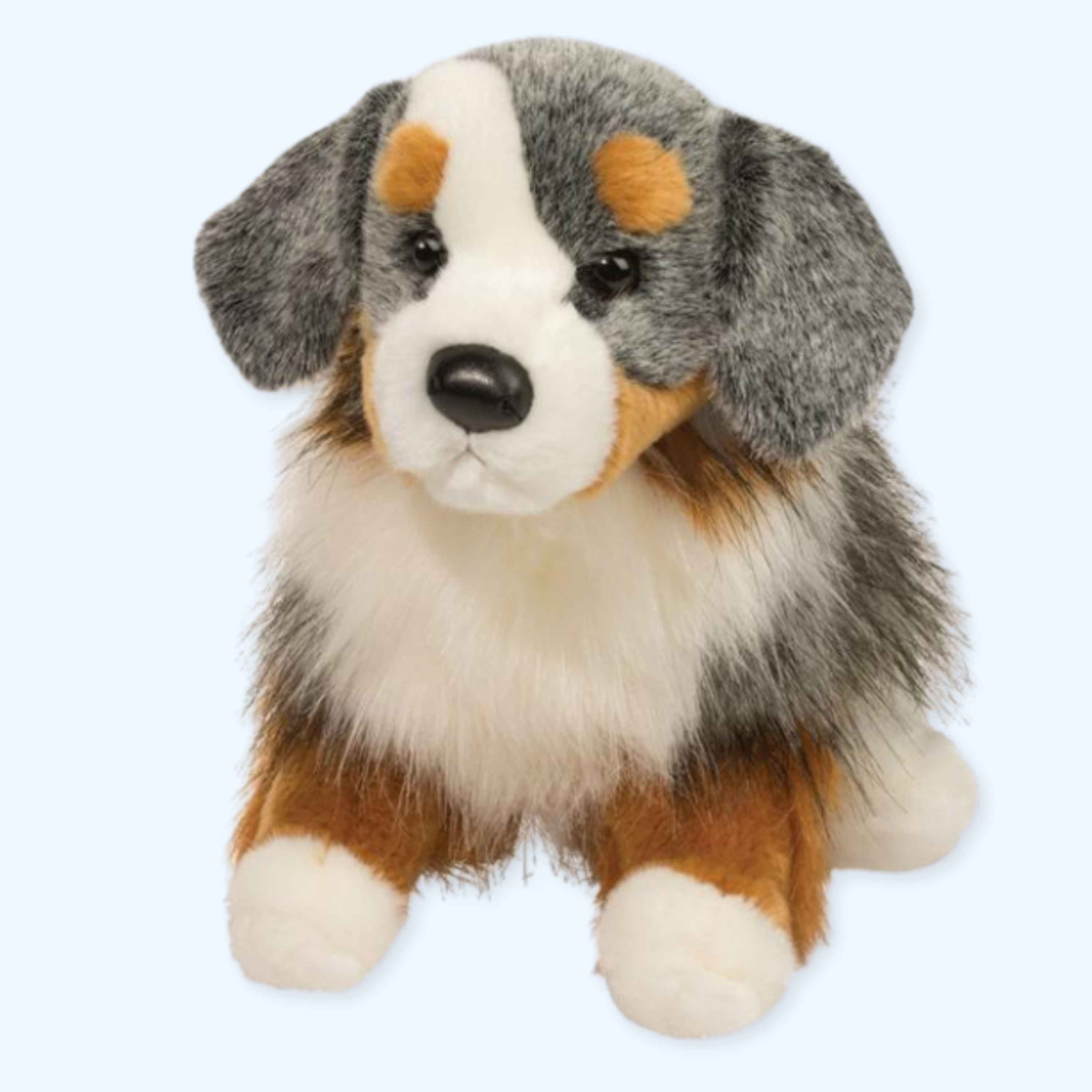
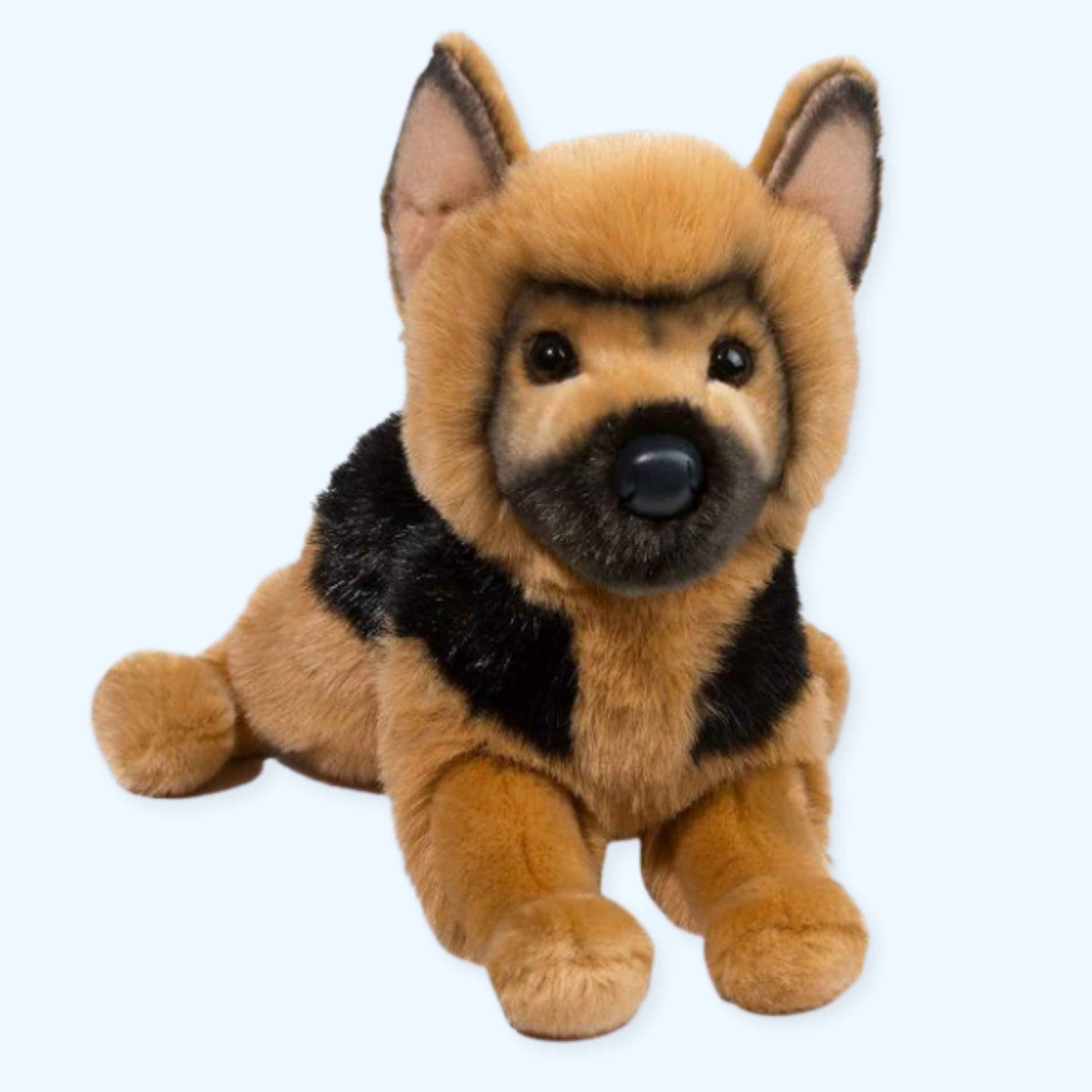
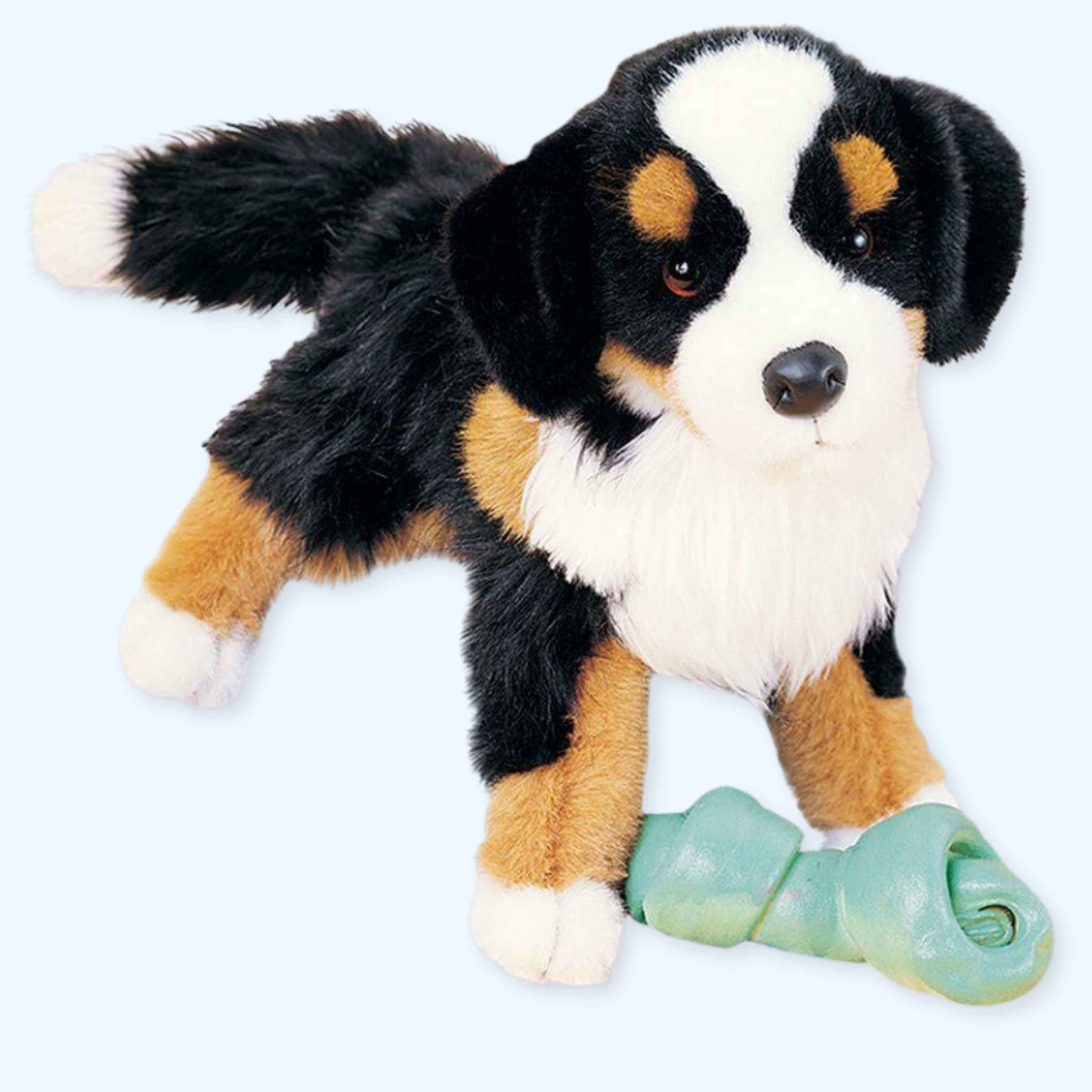
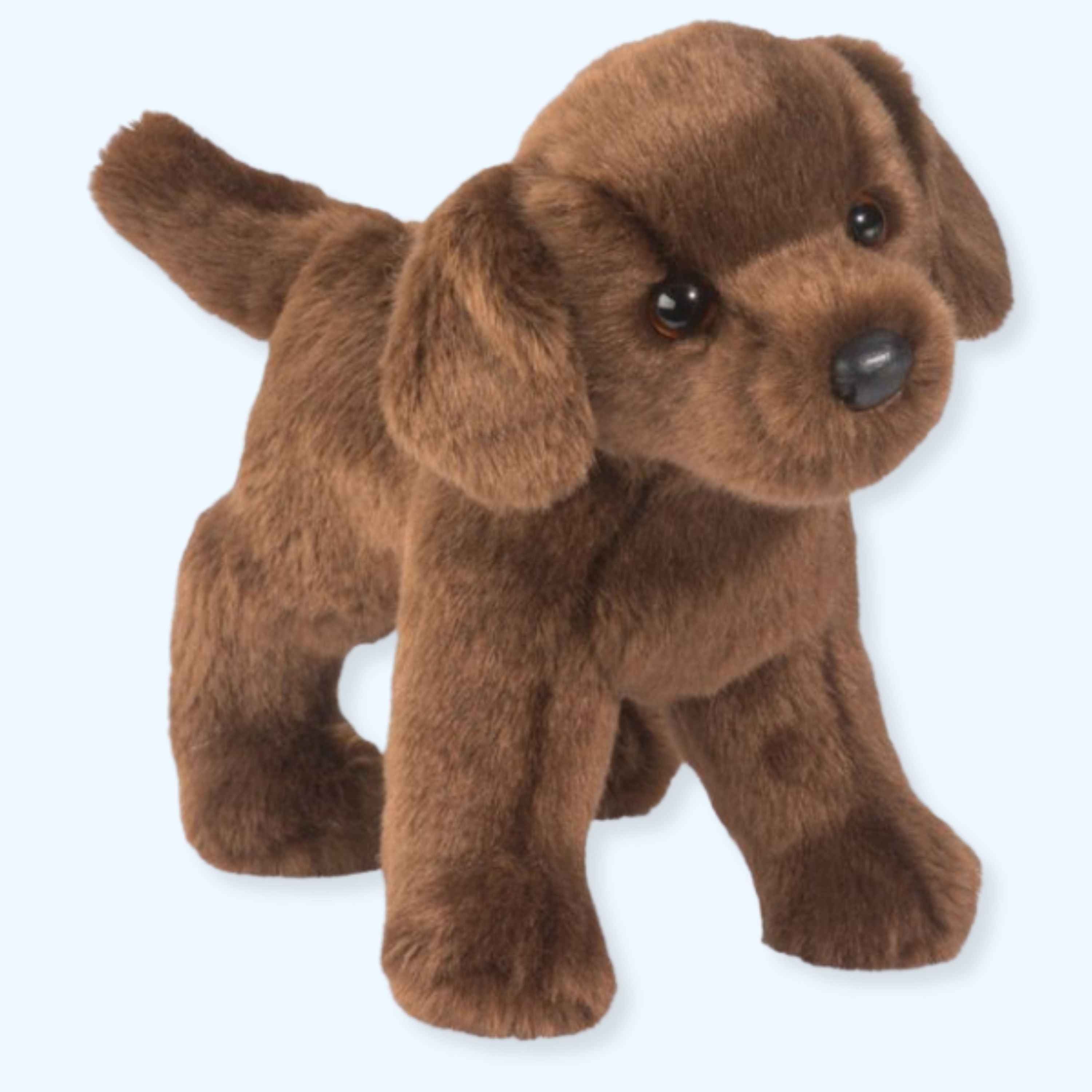
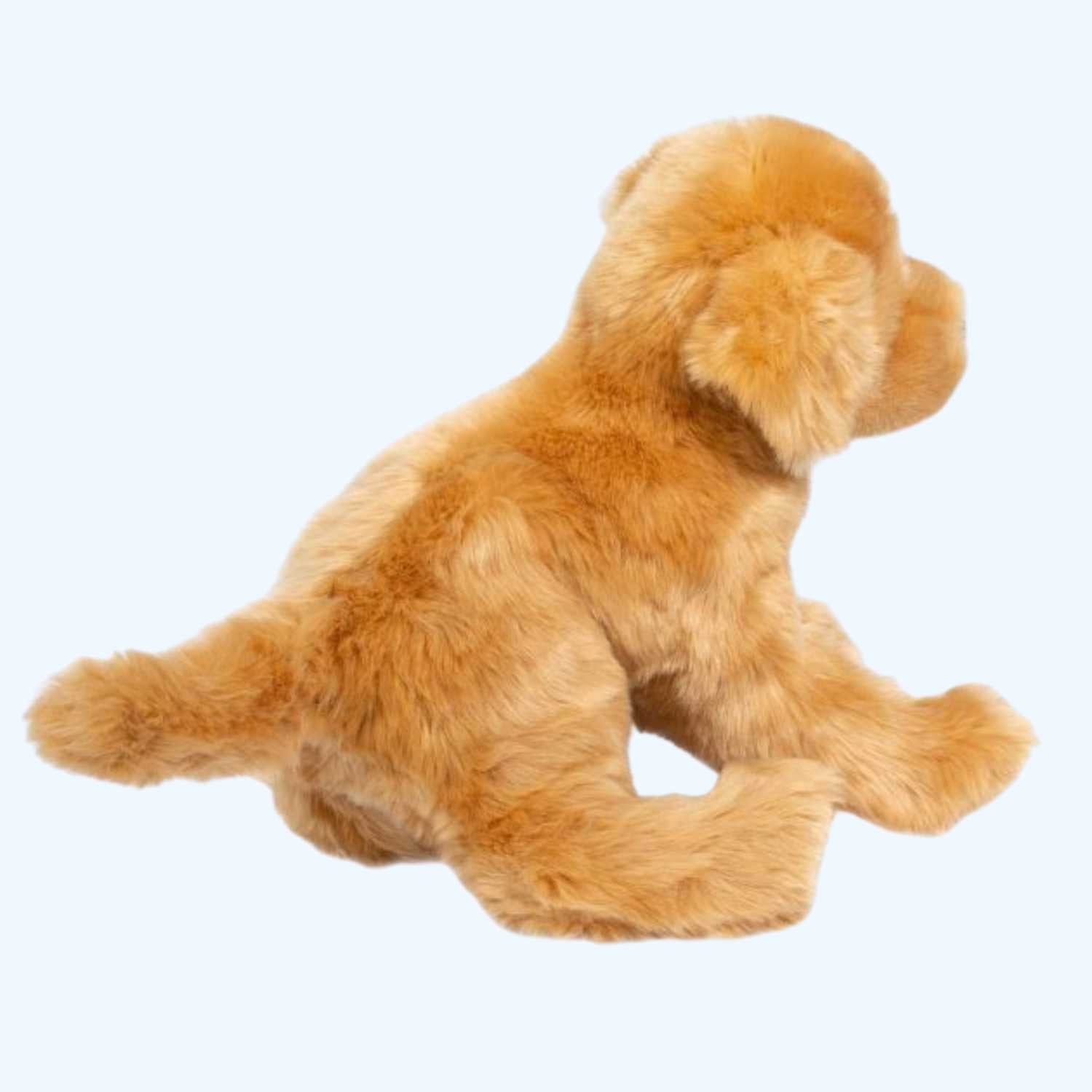
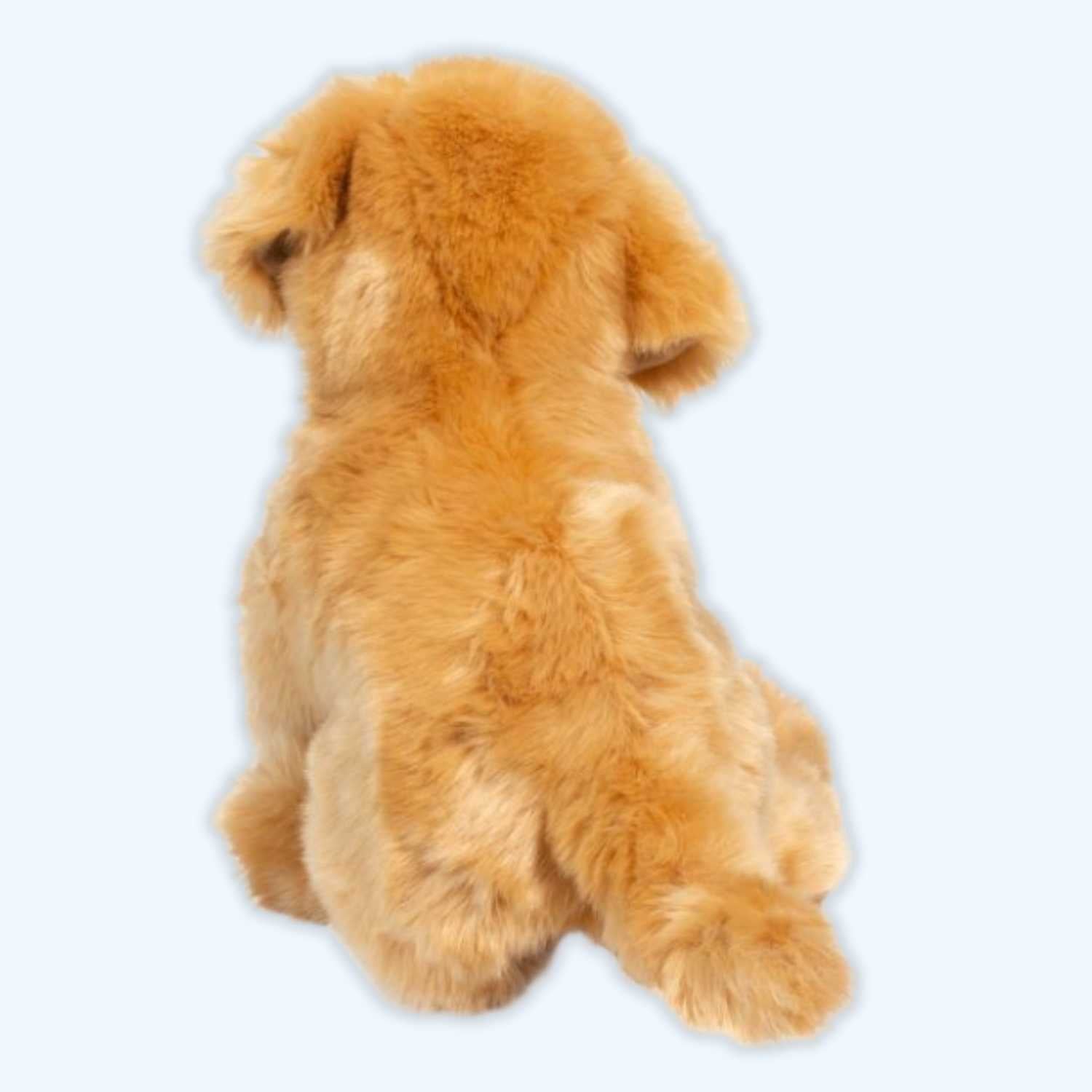
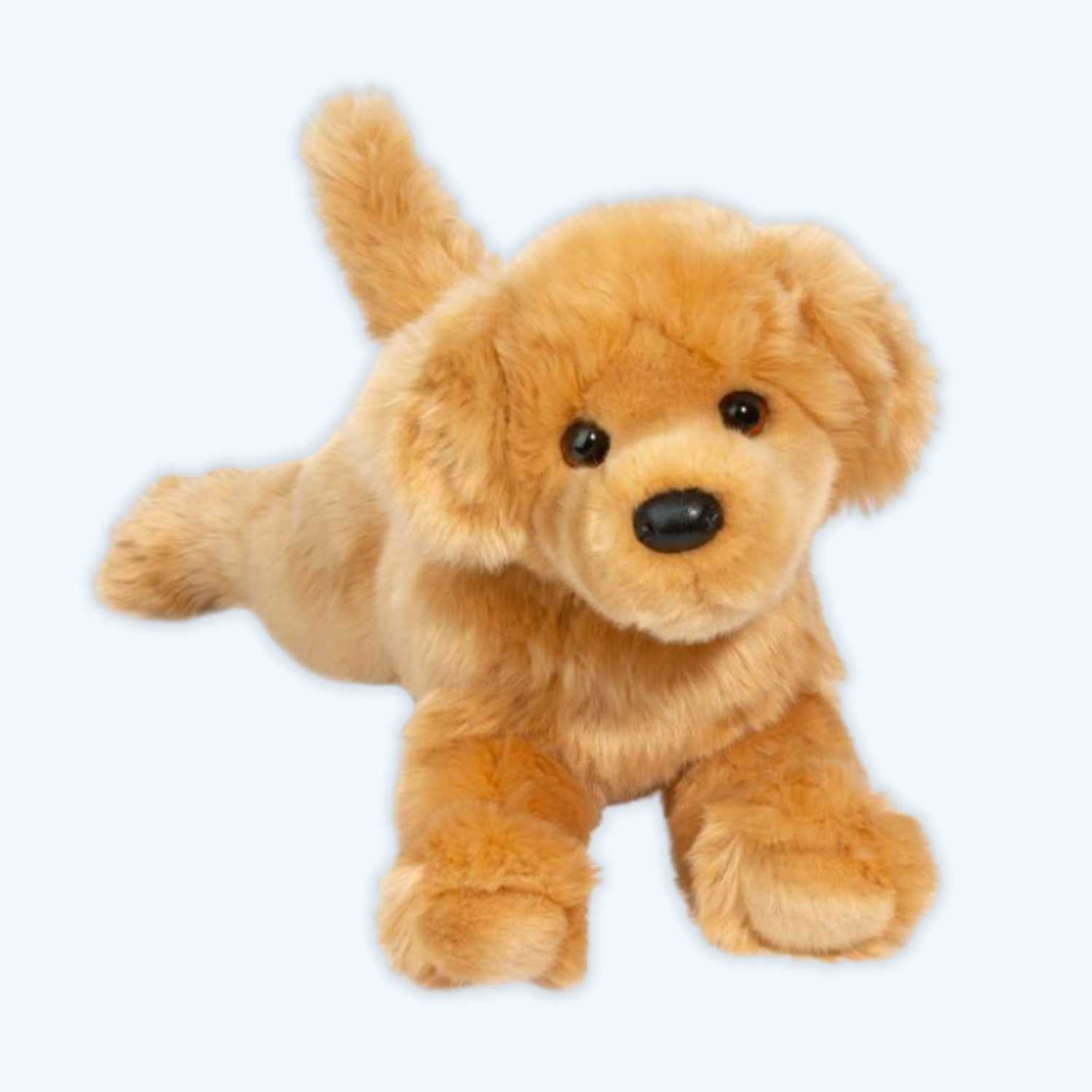
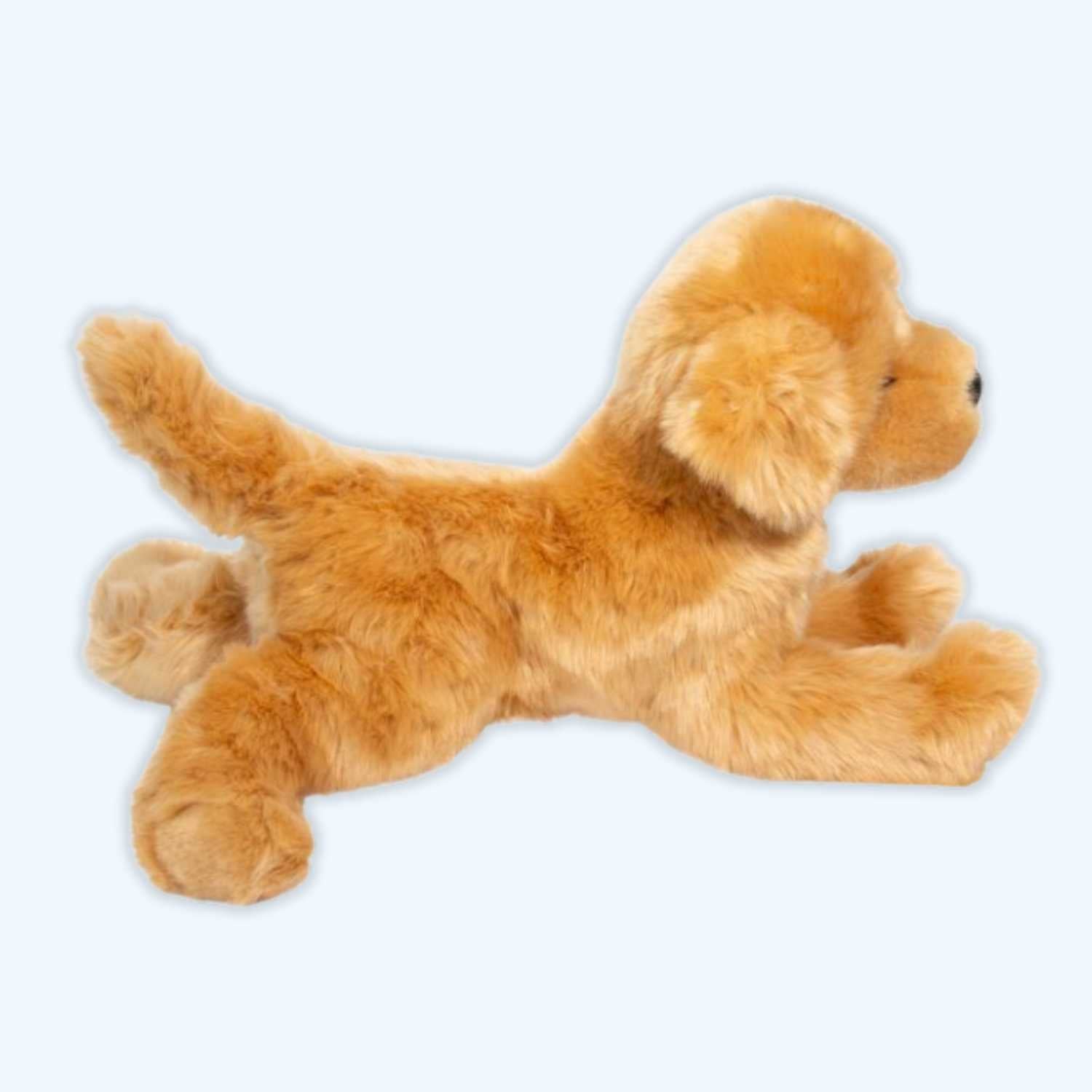
- Match shelf to size. Small and pocket-size Douglas dogs suit narrow shelves, picture ledges and desks. Large and DLux companions need a deep shelf, a bench or the end of a bed.
- Consider glass doors. A glass-fronted cabinet cuts dust a lot. Open it every so often so the air inside moves.
- Dust little and often. A soft brush, or a vacuum on low suction with a brush head, every couple of weeks beats a big clean twice a year.
- Rotate with the seasons. Changing the front row spreads light exposure across the collection and keeps the display interesting.
For layout ideas, see how other collectors use shelves, baskets and corners.
How to store soft toys long term
Packing toys away for a few months or a few years? This is where most damage happens, and damp is usually the cause.
- Clean first. Follow each toy's care label; our washing guide explains surface cleaning and machine washing. Marks and crumbs are much harder to shift after months in a box.
- Dry completely. Squeeze the thickest part. If it feels at all cool inside, give it another day.
- Wrap in something breathable. A clean cotton pillowcase or cotton bag lets moisture escape. A sealed plastic bag can trap it.
- Box it loosely. Use a sturdy lidded box with room to spare. Put the largest, softest toys on top, never squashed under heavier ones.
- Keep it inside the home. A wardrobe shelf or the space under a bed is better than the loft, garage or cellar, where temperature and humidity swing.
- Label the box with what's inside, whose toys they are and the date.
- Check once or twice a year. Open the box, sniff for mustiness and let everything air for an hour.
Museums take this seriously. Museums Galleries Scotland's textile guidance suggests keeping relative humidity steady between 45% and 65% and temperatures between 10°C and 20°C. You don't need a gauge at home, but it explains why a cool, dry bedroom cupboard beats a hot loft or a damp cellar.
Are vacuum storage bags OK for soft toys?
They're handy for bulky bedding. For plush you care about, we'd avoid them. Squeezing out all the air presses fur and filling flat for months at a time, and there's no guarantee a toy springs fully back. Any moisture sealed inside has nowhere to go, either. If space is tight and you must use one, take out only some of the air, keep the stay short and only pack toys that are completely dry.
Frequently asked questions
Where is the best place to store soft toys?
Somewhere dry, shaded and inside the main part of the home, such as a bedroom cupboard. Avoid lofts, garages, cellars and sunny windowsills.
Can you store soft toys in plastic boxes?
Yes, if the toys are fully dry and not squashed. Wrap them in cotton first and air the box now and then. Avoid sealed plastic bags.
How do I stop soft toys getting dusty on display?
Use a glass-fronted cabinet, or brush them lightly every couple of weeks. Rotating the display helps too.
Planning a new shelf? Browse Douglas dogs in UK stock.